The Ultimate Guide to Budget-Friendly Interior Design for Every Room
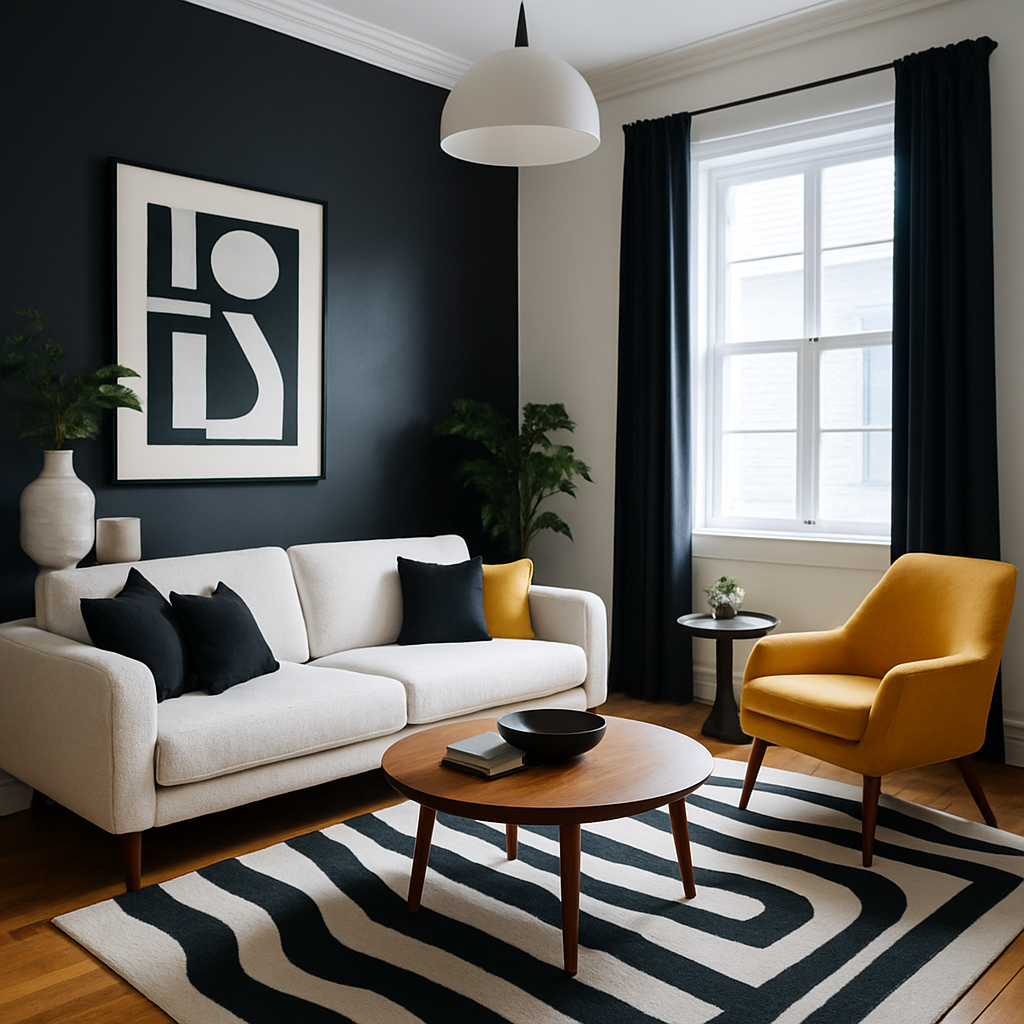
Imagine walking into a home where every room radiates style and comfort, all achieved without breaking the bank. According to a Houzz survey, 46% of homeowners plan to redecorate within the next two years, yet budget remains a top concern. The good news? Creating a stunning space doesn't require a hefty wallet. This guide explores how you can achieve budget-friendly interior design for every room, offering expert insights, practical tips, and a roadmap to follow. You'll learn foundational concepts, dive deep into strategic planning, and discover actionable strategies that even seasoned designers swear by.
Understanding the Basics of Budget-Friendly Design
Before diving into specifics, it's crucial to grasp the foundational concepts of budget-friendly interior design. The first step is understanding your space's potential. Examine each room and assess its function. Is your living room more of a gathering area, or do you need a quiet reading nook? Knowing how you use your space can help you prioritize changes based on functionality, not just aesthetics.
Next, set a realistic budget. According to industry standards, a full-room redesign can range from $5,000 to $15,000, but thoughtful planning can trim this significantly. Begin by listing essential updates and allocate funds accordingly. Experts suggest starting with high-impact changes like paint and lighting, which can dramatically alter a room's appearance without a significant financial outlay.
Finally, embrace the power of DIY. Not everything requires a professional touch. Simple projects, such as painting walls or upcycling furniture, can substantially reduce costs. Websites like Houzz and Pinterest offer countless tutorials and inspiration for DIY enthusiasts. Transitioning from foundational concepts, we can now delve into the data-driven aspects that inform budget-friendly choices.
Data-Driven Insights for Cost-Effective Design
When crafting a budget-friendly design, insights from industry data can guide your decisions. Houzz's annual survey reveals that homeowners who plan their projects meticulously report higher satisfaction and fewer budget overruns. This finding underscores the importance of detailed planning and research before initiating any design project.
Moreover, statistics from the American Society of Interior Designers (ASID) indicate that well-designed interiors can increase a home's resale value by 5% to 15%. This potential return justifies investing in thoughtful design choices, even on a tight budget. Prioritizing updates that enhance appeal and functionality can be a savvy financial move.
Additionally, understanding material costs can aid in budget allocation. For instance, opting for sustainable and reclaimed materials not only supports eco-friendly practices but also often results in cost savings. Platforms like Architectural Digest's AD PRO network frequently highlight trends like biophilic design, emphasizing natural materials that are both stylish and economical. With data in hand, let's explore actionable strategies to bring these ideas to life.
Strategies for Achieving Budget-Friendly Design
Now that you're equipped with foundational knowledge and data-driven insights, it's time to implement actionable strategies. Start by focusing on paint. A fresh coat can transform a room's vibe at a fraction of the cost of other updates. Consider timeless colors that allow flexibility in decor choices and provide a neutral backdrop for future changes.
Furniture rearrangement can also offer a fresh perspective. Sometimes, simply rethinking the layout can improve functionality and aesthetics without spending a dime. Ask yourself: Are your furniture pieces serving their purpose, or could they be better utilized in another configuration? This reflection can lead to impactful changes with zero cost.
Focus on strategic purchasing. Invest in key pieces that define a room, such as a statement chair or a unique coffee table, and seek out sales or second-hand options to stay within budget. Experienced professionals often recommend mixing high and low-cost items for a balanced design. With these strategies, we can now delve into more expert-level details that further refine your approach.
Expert-Level Details on Budget Design
For those willing to delve deeper, understanding how professionals approach budget-friendly design can offer additional insights. Certified interior designers, such as those holding NCIDQ (National Council for Interior Design Qualification) credentials, often emphasize the importance of concept development. This phase is where a clear vision is established, guiding all subsequent decisions.
Designers frequently use AR/VR tools to visualize spaces before making physical changes. These technologies allow you to experiment with layouts and color schemes digitally, minimizing costly mistakes. Platforms like SketchUp and RoomSketcher are popular for their user-friendly interfaces and affordability.
Another expert tip is to leverage procurement markups strategically. Designers often pass along trade discounts to clients, which can result in savings on furniture and accessories. Engaging a professional for this purpose can sometimes pay for itself, thanks to the reduced costs on high-ticket items. With these advanced insights, let's explore even more depth in budget-friendly design decisions.
Additional Depth in Cost-Effective Design
Let's now consider the role of textures and fabrics. Incorporating a variety of textures can add richness and depth to a room without requiring expensive materials. Mix materials like wood, metal, and textiles to create a layered effect that feels luxurious yet remains within budget. Consider using slipcovers to refresh old furniture, or add throw pillows for a pop of color and comfort.
Lighting is another key area where small changes yield significant impact. Swap out standard fixtures for more stylish alternatives found at thrift stores or online marketplaces. Adding dimmers can also change the ambiance and functionality of a space, offering flexibility for different times of day and activities.
Finally, don't underestimate the power of accessories. Items like mirrors can enhance natural light and make spaces feel larger, while art and plants add personality. The International Interior Design Association (IIDA) suggests rotating accessories seasonally to keep the space feeling fresh and dynamic. With these additional details, let's wrap up with some concluding perspectives.
Final Perspectives on Budget-Friendly Design
In wrapping up, remember that budget-friendly interior design is about making informed, intentional choices that reflect your style and needs. It's not about compromising quality; it's about prioritizing and planning. Whether you're painting walls, rearranging furniture, or seeking out stylish accessories, each decision contributes to a cohesive and inviting space.
Reflect on what truly matters to you in a home environment. Is it comfort, functionality, or a reflection of your personality? By focusing on these priorities, you can make impactful changes without unnecessary spending. As you navigate your design journey, remember that creativity often thrives within constraints, leading to unique and personalized solutions.
Conclusion
Budget-friendly interior design doesn't mean sacrificing style or comfort. With a clear plan, strategic choices, and a touch of creativity, you can transform any room into a space that feels both personal and inviting. Begin by assessing your needs, setting a realistic budget, and exploring cost-effective options. Start by browsing designer portfolios on Houzz or Pinterest this week-just 20 minutes of research can sharpen your eye for what you want. Remember, each thoughtful decision brings you closer to the home of your dreams.
More Articles You May Like



Comments
Post a Comment