15 Trending Interior Design Ideas to Transform Your Space in 2023
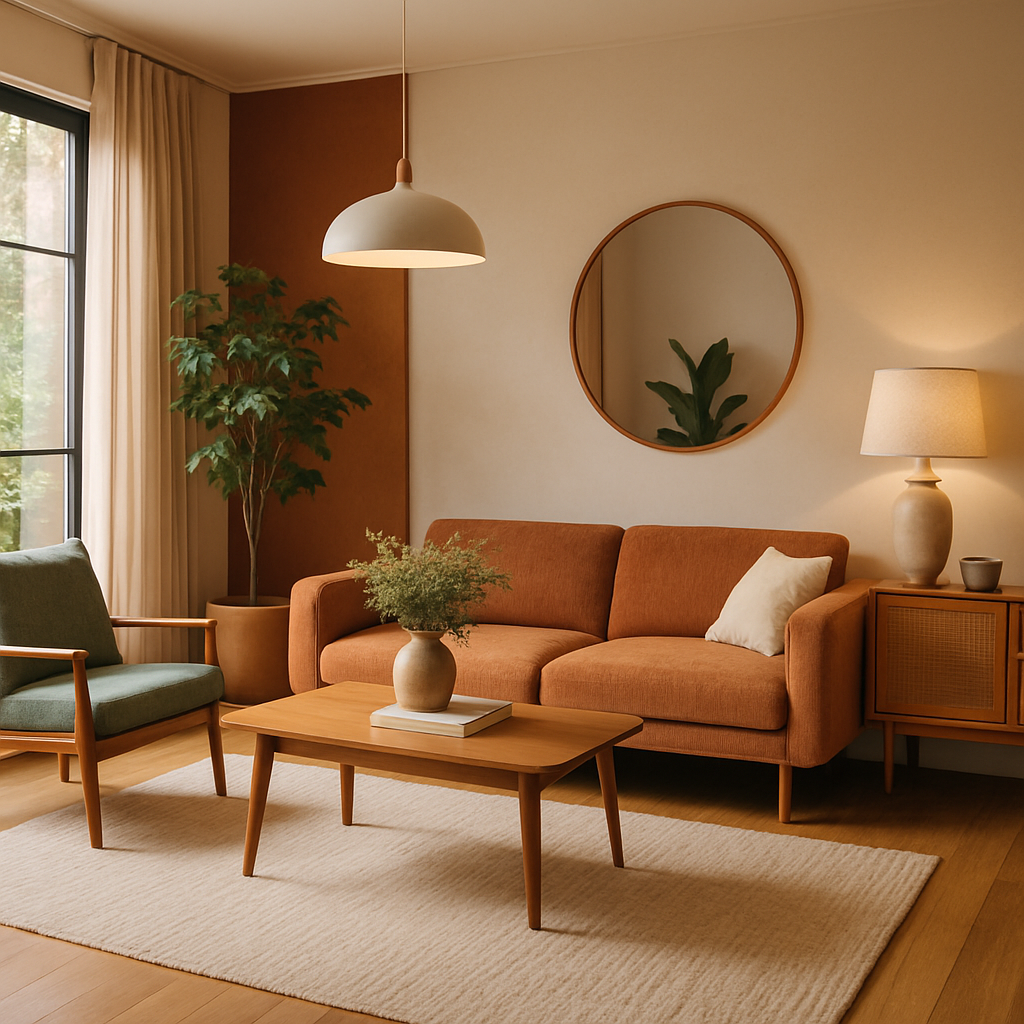
Are you tired of looking at the same old interiors every day? With the rapid pace of change in the world of interior design, your home can quickly start to feel outdated. According to Houzz's annual survey, 76% of homeowners feel happier in a well-designed home. In 2023, the focus is on creating spaces that not only look stunning but also enhance your lifestyle. This article will explore 15 trending interior design ideas to transform your space, offering foundational concepts, deeper analyses, actionable strategies, and expert insights. Whether you're planning a single-room refresh or a full-home makeover, these trends will inspire and guide you toward a more stylish and functional home.
Foundational Concepts in 2023 Interior Design
The foundations of interior design in 2023 are built on the principles of biophilic design, quiet luxury, and sustainable materials. Biophilic design emphasizes the connection between nature and interior spaces, incorporating natural elements such as wood, stone, and greenery. This trend not only enhances the aesthetic appeal but also improves mental health by reducing stress and increasing productivity. Quiet luxury, on the other hand, is about creating understated elegance through the use of high-quality materials, muted color palettes, and minimalist designs. This concept aligns with the growing preference for sustainable and eco-friendly choices, as it often involves using reclaimed or responsibly sourced materials.
Another foundational concept is the integration of smart home technology. According to data from Statista, the global smart home market is expected to reach $53.45 billion in 2023. This trend includes automated lighting, climate control, and window treatments that can be controlled remotely. These technologies not only enhance convenience but also contribute to energy efficiency, making them a practical choice for the environmentally conscious homeowner. Are you ready to embrace technology in your home design?
Finally, the Japandi style continues to gain popularity. This fusion of Japanese minimalism and Scandinavian warmth creates spaces that are both functional and serene. By blending clean lines with cozy textures, Japandi offers a balanced aesthetic that appeals to those seeking simplicity and comfort. Understanding these foundational concepts will provide you with the tools to start transforming your space effectively.
Deeper Analysis: Data and Trends
In the realm of interior design, data from Houzz reveals that 65% of homeowners plan to incorporate natural materials into their renovations. This statistic underscores the growing popularity of biophilic design, as more people seek to bring the outdoors inside. The use of living walls and large windows to maximize natural light are just a few examples of how this trend is manifesting in modern homes.
Meanwhile, Architectural Digest's AD PRO network highlights the increasing demand for quiet luxury. High-end designers report that clients are prioritizing quality over quantity, investing in fewer but more luxurious pieces. This shift is evident in the rise of bespoke furniture and artisanal home accessories, which are not only unique but also support local craftspeople and sustainable practices.
The advancement of AR/VR technology in design is another trend worth noting. Many designers now offer virtual room visualization tools, allowing clients to see potential designs in their real space before committing. This technology is a game-changer, reducing the risk of costly mistakes and ensuring that the final result aligns with the client's vision. How might this technology change the way you approach your next design project?
Actionable Strategies for Your Home
If you're ready to start transforming your space with the latest interior design ideas, consider these actionable strategies. First, embrace biophilic design by incorporating indoor plants and natural materials. Start small by adding a few potted plants or a wooden accent piece, then gradually expand to larger elements like a living wall or natural stone flooring.
Next, focus on creating quiet luxury in your home. Begin by decluttering and removing excess decorations that don't serve a purpose. Invest in high-quality, timeless pieces that will stand the test of time. Look for items that are both functional and aesthetically pleasing, such as a well-crafted sofa or a hand-woven rug. Remember, quiet luxury is about making intentional choices rather than filling your space with trendy items.
For those interested in smart home integration, start by upgrading one aspect of your home, such as lighting. Smart bulbs and switches are relatively easy to install and can significantly enhance the ambiance of a room. From there, consider expanding to other areas like climate control and security systems. These upgrades not only improve convenience but can also increase the value of your home.
Expert-Level Insights
Experienced professionals often note the importance of working with certified interior designers, especially for complex projects. The NCIDQ (National Council for Interior Design Qualification) is the gold-standard credential, ensuring that a designer has the necessary knowledge and skills. Engaging a certified designer can provide access to exclusive resources and ensure adherence to safety and building codes.
Another expert insight is the value of mood boards in the design process. Platforms like Pinterest and Houzz offer endless inspiration, allowing you to curate ideas and visualize potential designs. Creating a mood board helps you refine your style and communicate your vision to your designer more effectively. It also serves as a roadmap, guiding your decisions throughout the project.
Finally, consider the long-term impact of your design choices. Sustainable materials and energy-efficient technologies not only benefit the environment but can also lead to cost savings over time. According to industry surveys, well-designed interiors can yield a 5-15% higher resale value, making these investments worthwhile. Are you considering the future implications of your design decisions?
Additional Depth: Budgeting and Cost Considerations
One of the most critical aspects of any interior design project is budgeting. Understanding the financial implications of your choices can help prevent unexpected expenses. Depending on the scope of your project, costs can vary significantly. A single-room redesign typically ranges from $5,000 to $15,000, while a full-home makeover can cost upwards of $50,000 to $150,000 or more.
Fee structures are another important consideration. Interior designers may charge a flat fee, an hourly rate (ranging from $150 to $500 per hour), or a percentage of the total project cost, usually between 10-25%. Some designers also apply procurement markups on furniture and materials. It's crucial to discuss these details upfront to ensure transparency and align expectations.
Lastly, consider the potential return on investment. Well-designed spaces not only enhance your quality of life but can also increase the value of your property. According to the American Society of Interior Designers (ASID), investing in professional design can lead to significant returns, both financially and in terms of personal satisfaction. Understanding these financial aspects will empower you to make informed decisions and maximize the impact of your investment.
Final Perspectives on 2023 Design Trends
As we navigate through 2023, the importance of personalizing your space cannot be overstated. Each trend offers a unique opportunity to express your personality and lifestyle. Whether it's through the calming influence of biophilic elements or the sleek sophistication of smart technology, your home should be a reflection of who you are.
Moreover, the integration of sustainability and technology in design is not just a trend but a necessity. As our environmental awareness grows, so does our responsibility to make conscious choices. This means opting for eco-friendly materials, energy-efficient systems, and designs that stand the test of time.
Ultimately, the goal is to create a space that is not only beautiful but also functional and sustainable. By staying informed and considering both current trends and future implications, you can transform your home into a sanctuary that you love.
Conclusion: Your Next Steps
In conclusion, the 15 trending interior design ideas of 2023 offer a wealth of opportunities to transform your space into something extraordinary. By understanding foundational concepts, analyzing data, and applying expert insights, you can make informed decisions that enhance both your home and your lifestyle. Whether you're incorporating biophilic design elements, embracing quiet luxury, or integrating smart home technology, each choice brings you closer to a more intentional and satisfying living environment.
Ready to get started? Begin by exploring designer portfolios on Houzz or Pinterest to gather inspiration and define your style. Consider consulting with a certified interior designer to bring your vision to life. Start by browsing portfolios on Houzz this week - even 20 minutes of research will sharpen your eye for what you want. Transforming your space is an investment in your happiness and well-being.



Comments
Post a Comment