The Ultimate Guide to Minimalist Room Interior Design for Modern Living
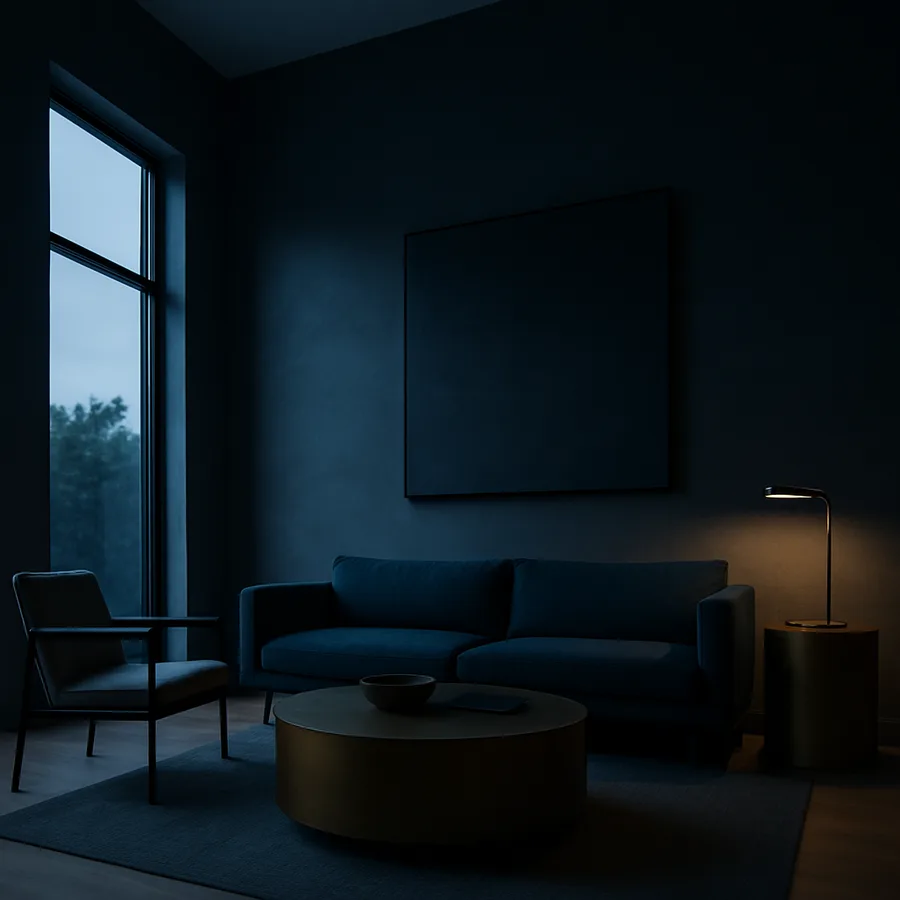
Understanding the Philosophy Behind Minimalist Design
Minimalist interior design is far more than an aesthetic choice. It is a deliberate approach to living that prioritizes intention, clarity, and quality over abundance. At its core, minimalism in the home environment asks a fundamental question: does every object in this space serve a purpose or bring genuine joy? When that question is answered honestly and acted upon consistently, the result is a living environment that feels both spacious and deeply personal. The American Society of Interior Designers (ASID) has identified minimalism as one of the most enduring design movements of the past two decades, noting that interest in minimalist principles has remained remarkably stable even as other trends have risen and fallen.
The philosophical roots of minimalist design draw from several traditions, including Japanese wabi-sabi aesthetics, Scandinavian functionalism, and the modernist architectural principles championed by figures like Ludwig Mies van der Rohe. What these traditions share is a respect for negative space, an appreciation for the inherent beauty of well-chosen materials, and a conviction that simplicity requires more discipline than complexity. Achieving a truly minimalist interior demands careful curation rather than casual elimination. The goal is not emptiness but essentialism, keeping what matters and releasing what does not.
For those new to minimalist design, the transition can feel challenging. Our homes accumulate possessions over years and decades, and each item often carries emotional weight that complicates rational assessment. Professional organizers and designers recommend approaching the process gradually, focusing on one room or even one surface at a time. The International Interior Design Association (IIDA) has published guidelines suggesting that sustainable lifestyle changes in home organization are most successful when implemented incrementally over a period of months rather than attempted in a single dramatic purge.
Have you ever walked into a space that immediately made you feel calm without being able to articulate exactly why? That sensation is often the result of minimalist principles applied with skill and sensitivity. The absence of visual clutter allows the mind to rest, reducing the cognitive load that comes from processing too many stimuli simultaneously. Research from Princeton University found that visual clutter significantly reduces the ability to focus and process information, providing scientific validation for what minimalist designers have understood intuitively for generations.
Creating a Minimalist Color Palette That Feels Warm
One of the most common misconceptions about minimalist design is that it requires an entirely white or monochromatic color scheme. While white walls and neutral furnishings are certainly common in minimalist interiors, a thoughtful minimalist palette can incorporate warmth, depth, and even subtle color without compromising the essential sense of calm and clarity. The key lies in restraint and intentionality rather than the complete absence of color.
A well-constructed minimalist palette typically starts with a dominant neutral tone and layers two or three supporting colors that complement without competing. Warm whites, soft greys, warm taupes, and muted earth tones create a foundation that feels inviting rather than sterile. Houzz editorial features on minimalist design consistently highlight the importance of undertones in neutral colors. A white with warm yellow undertones creates a fundamentally different atmosphere than a white with cool blue undertones, and the distinction becomes more pronounced in minimalist spaces where the color has room to express itself fully.
Natural materials contribute significantly to the warmth of a minimalist palette. Light oak, pale maple, linen, cotton, and natural stone introduce organic variation that prevents the space from feeling clinical. The texture and grain patterns of these materials provide visual interest that substitutes for the decorative accessories that minimalism eschews. NCIDQ examination standards include assessment of material selection in minimalist contexts, recognizing that the choice of materials becomes proportionally more important when fewer elements are present in a space.
Accent colors in minimalist design should be introduced with purpose and consistency. A single deep green plant, a terracotta vessel, or a navy throw blanket can serve as a deliberate focal point that anchors the color story without creating visual chaos. The discipline lies in choosing one or two accent moments rather than scattering small pops of color throughout the space. When every color element is intentional, the overall effect is one of thoughtful composition rather than random assembly. Do you find yourself drawn to warm neutrals or cooler tones? Understanding your personal temperature preference is the first step toward building a minimalist palette that feels authentically yours.
Selecting Furniture That Balances Form and Function
Furniture selection is arguably the most consequential decision in minimalist interior design. With fewer pieces in the room, each one commands more attention and must justify its presence through both utility and beauty. The minimalist approach to furnishing rejects the idea of filling every available space and instead focuses on identifying the essential functions a room must serve and finding the most elegant solutions for each.
Scale and proportion become critically important in minimalist spaces. A single oversized sofa can dominate a room more aggressively in the absence of visual competition from numerous smaller pieces. ASID design standards emphasize that furniture should relate proportionally to the room dimensions and to each other, creating visual harmony through consistent scale relationships. In practice, this often means choosing pieces that are slightly smaller than what might fill a traditionally furnished room, allowing breathing room between elements that contributes to the sense of spaciousness that minimalism seeks to create.
Multi-functional furniture is a hallmark of sophisticated minimalist design. Coffee tables with concealed storage, sofas that convert for guest accommodation, dining tables that extend for entertaining but compact for daily use, these dual-purpose pieces reduce the total number of objects in a room while maintaining full functionality. The best examples of multi-functional minimalist furniture achieve this versatility without visual compromise, looking elegant and intentional in both their primary and secondary configurations.
Material quality takes on heightened significance when fewer pieces are present. In a room with twenty decorative objects, a single item of questionable quality might go unnoticed. In a room with five carefully chosen pieces, every surface, joint, and finish is on full display. This reality drives minimalist design toward higher quality materials and construction, which often means a higher per-item cost offset by a lower total number of purchases. According to a survey by the Furniture Today consumer insights division, homeowners who identify as minimalist spend approximately 35 percent more per furniture piece but 20 percent less on furniture overall compared to traditionally oriented buyers. The economics of quality over quantity frequently favor the minimalist approach.
Mastering Storage Solutions for Clutter-Free Living
The illusion of minimalism often depends on invisible storage that keeps everyday necessities accessible but out of sight. Designing effective storage is one of the most technically challenging aspects of minimalist interior design because it requires anticipating daily habits and creating systems that are easy enough to maintain that they actually get used. Beautiful storage that is inconvenient will eventually be abandoned, and the minimalist aesthetic will deteriorate along with the organizational system.
Built-in cabinetry is the gold standard for minimalist storage. Floor-to-ceiling units with flush-mounted doors and hidden hardware create clean wall planes that serve double duty as both visual backdrop and functional storage. When the doors are closed, the cabinets read as architecture rather than furniture, maintaining the uncluttered appearance that minimalism requires. IIDA workplace design research has demonstrated that hidden storage increases the perception of spaciousness by up to 30 percent compared to the same volume of open shelving, and this finding applies equally to residential environments.
For those who cannot invest in custom built-ins, freestanding storage pieces with clean lines and solid fronts can achieve a similar effect. Console units, media cabinets, and sideboards with simple rectangular profiles and minimal ornamentation blend into minimalist interiors while providing substantial storage capacity. The key specification is opacity, choosing closed storage over open shelving wherever possible. Open shelving can work in minimalist contexts but requires extreme discipline in what is displayed and demands regular maintenance to prevent the gradual accumulation of visual clutter.
Closet systems and bedroom storage deserve particular attention in minimalist homes. The bedroom should be a sanctuary of calm, and achieving that atmosphere requires rigorous management of clothing, accessories, and personal items. Professional organizers working within the minimalist framework recommend the capsule wardrobe approach, maintaining a curated collection of versatile pieces rather than an expansive collection that overflows its allocated space. When the closet is organized and right-sized for its contents, the bedroom itself can remain serene and unencumbered by the overflow of possessions that characterizes many traditionally organized homes.
Lighting Design in Minimalist Spaces
Lighting is perhaps the most underestimated element of minimalist interior design. In spaces with fewer objects to catch and redirect light, the quality and character of the illumination itself becomes a defining feature of the room. Natural light is the minimalist's most valued resource, and room layouts should prioritize maximizing its penetration and distribution throughout the space. Window treatments in minimalist interiors tend toward sheer panels or clean roller shades that filter light without blocking it, maintaining connection to the exterior environment while controlling glare and privacy.
Artificial lighting in minimalist spaces should be layered with the same intentionality applied to every other design element. The three traditional layers of ambient, task, and accent lighting remain relevant, but the fixtures themselves should complement rather than compete with the architecture. Recessed ceiling lights provide clean ambient illumination without visual interruption. Architecturally integrated LED strips can wash walls with soft light that enhances the sense of volume without introducing any additional objects into the space. Houzz lighting design features consistently recommend dimmable systems for minimalist interiors, allowing occupants to adjust the atmosphere throughout the day.
Statement lighting fixtures occupy a unique position in minimalist design. While the philosophy generally counsels restraint, a single carefully chosen pendant or floor lamp can serve as the room's primary decorative element, providing both functional illumination and visual focal point. The discipline lies in selecting one fixture that carries the design weight and resisting the temptation to add supplementary decorative elements that dilute its impact. NCIDQ-certified designers often describe this approach as the hero piece strategy, designating one element in each room to command attention while everything else supports it quietly.
The color temperature of light sources profoundly affects the atmosphere of minimalist spaces. Warmer color temperatures in the range of 2700 to 3000 Kelvin create an inviting ambiance that counteracts any potential coldness in the minimalist aesthetic. Cooler temperatures can make neutral palettes feel stark and unwelcoming. Consistent color temperature across all light sources in a room is essential, as mixed temperatures create a subtle visual discord that is particularly noticeable in spaces with few distractions. Smart lighting systems that allow color temperature adjustment throughout the day are increasingly popular in minimalist homes, supporting warmer tones in the evening and slightly cooler tones during productive daytime hours.
Bringing Minimalist Principles Into Your Own Home
Transitioning to a minimalist interior does not require renovating your entire home simultaneously. The most sustainable approach begins with a single room, ideally the one where you spend the most waking hours, and applies minimalist principles there before expanding to other areas. This gradual approach allows you to develop your editing eye, refine your preferences, and build confidence in the process before tackling more challenging spaces like kitchens and children's rooms that serve multiple functions and users.
Start by removing everything that does not serve the room's primary function or contribute positively to its atmosphere. This does not mean discarding possessions permanently. Simply relocating them to a temporary holding area outside the room allows you to experience the space without them and make a more informed decision about what to reintroduce. Many people discover that items they were certain they needed are not missed at all once they have lived without them for a few weeks. ASID lifestyle research suggests that approximately 60 percent of items removed during an initial minimalist edit are never returned to the room, indicating that our attachment to objects is often less durable than we assume.
Once the excess has been removed, evaluate what remains through the lens of quality, proportion, and placement. Does each remaining piece earn its place through function, beauty, or both? Are the proportional relationships between furniture pieces harmonious? Is there adequate negative space to create the breathing room that distinguishes minimalist design from merely sparse decoration? These questions guide the refinement process that transforms a decluttered room into a genuinely minimalist one.
The maintenance of a minimalist interior requires ongoing attention to the principle of one in, one out. Every new acquisition should be accompanied by the release of something it replaces. This discipline prevents the gradual accumulation that erodes minimalist spaces over time and ensures that the intentional quality of the environment is preserved. Consider this your invitation to begin the process. Choose one room, one surface, or even one drawer, and apply the minimalist question: does this serve me, or am I serving it? The answer may surprise you, and the resulting clarity is often more rewarding than any new purchase could be.
More Articles You May Like



Comments
Post a Comment