The Future of Living: Essential Smart Home Interior Design Trends to Follow
How Smart Technology Is Reshaping Residential Interiors
The intersection of technology and interior design has reached an inflection point that is fundamentally altering how we conceive of residential spaces. According to a report by the American Society of Interior Designers (ASID), over 67 percent of design professionals now incorporate smart home technology into their projects as a standard practice rather than a premium add-on. This shift represents a sea change in how the industry approaches the relationship between form and function.
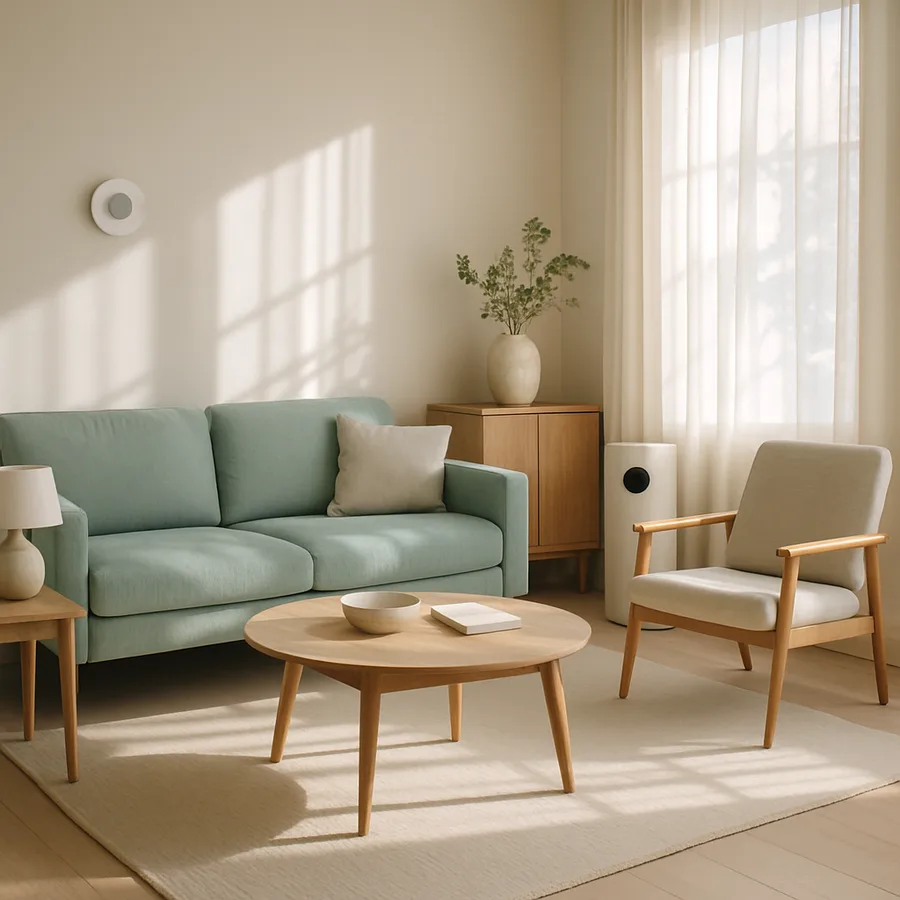
Smart home integration is no longer about conspicuous gadgetry cluttering countertops and walls. The most successful implementations are those that disappear into the architecture itself, becoming invisible layers of intelligence woven into the fabric of the home. Leading designers featured on Houzz have demonstrated that the best smart homes are those where guests cannot immediately identify the technology at play, yet every surface responds intuitively to the needs of its occupants.
The International Interior Design Association (IIDA) has highlighted this convergence as one of the most significant developments in residential design practice. Their research indicates that homeowners who invest in integrated smart design report a 42 percent increase in daily satisfaction with their living environment. The key distinction here is integration, not merely installation. Have you considered how your own living spaces might benefit from technology that works with your design rather than against it?
This evolution demands that designers develop fluency in both aesthetic principles and technological capabilities. The National Council for Interior Design Qualification (NCIDQ) has begun incorporating smart home competencies into their certification framework, recognizing that the modern designer must be equally comfortable selecting a fabric palette and specifying a home automation protocol.
Invisible Infrastructure and Concealed Control Systems
The most compelling trend in smart home design is the movement toward invisible infrastructure. Motorized window treatments that respond to circadian rhythms, speakers that are indistinguishable from architectural elements, and climate systems that anticipate comfort preferences before occupants are even aware of discomfort represent the vanguard of this approach. The guiding philosophy is that technology should enhance the sensory experience of a space without announcing its presence.
Wall-mounted control panels and tablet-based interfaces are giving way to voice-activated systems and AI-driven automation that require no physical interaction at all. Designers working with the principles endorsed by ASID are embedding sensors within millwork, concealing motorized components behind custom cabinetry, and routing all wiring through dedicated chaseways that maintain the clean lines essential to contemporary aesthetics. The result is a home that appears timelessly elegant while operating with remarkable intelligence.
Consider the evolution of lighting design as a case study. Where once a smart lighting system meant visible dimmer modules and bulky control panels, today it means luminaires that adjust their color temperature throughout the day, mimicking natural light patterns to support circadian health. Fixtures from leading manufacturers now incorporate sensors so discreet they are virtually undetectable, yet they continuously monitor occupancy, ambient light levels, and even the emotional tone of a room based on activity patterns.
What would your morning routine look like if your home anticipated your needs before you articulated them? This is the promise of invisible infrastructure, and it is rapidly moving from aspiration to standard practice in high-end residential design.
Voice-Controlled Environments and Adaptive Spaces
Voice control has matured from a novelty into a legitimate design tool. Interior designers are now planning entire room layouts around the acoustic requirements of voice-activated systems, ensuring that microphone arrays are positioned for optimal pickup without compromising the visual composition of a space. The placement of smart speakers has become as deliberate as the placement of a sculptural object or a reading lamp.
Adaptive spaces represent the next frontier in this evolution. Rooms that physically transform based on voice commands or learned behavioral patterns are no longer confined to concept renders. Motorized partition walls, retractable furniture systems, and modular storage solutions that reconfigure based on time of day or activity type are being specified by designers who understand that the modern home must serve multiple functions within a single footprint. A 2024 survey by Houzz found that 58 percent of renovating homeowners expressed interest in rooms that could serve at least three distinct functions.
The integration of AI-powered adaptive systems with traditional interior design principles creates spaces that feel both dynamic and cohesive. A living room that transitions seamlessly from a focused work environment during the day to an immersive entertainment space in the evening requires careful material selection, lighting design, and spatial planning. The technology enables the transformation, but the design ensures that each configuration feels intentional and complete rather than compromised.
Sustainable Smart Design and Energy-Conscious Aesthetics
The convergence of smart home technology and sustainable design represents one of the most promising developments in the field. Intelligent energy management systems are enabling homes to reduce their environmental footprint while simultaneously improving comfort and aesthetic quality. According to the U.S. Department of Energy, smart home technologies can reduce residential energy consumption by up to 30 percent when properly integrated into the building envelope and interior systems.
Designers affiliated with IIDA are increasingly specifying materials and systems that serve dual purposes: beautiful surfaces that also generate or conserve energy, window treatments that manage solar gain while maintaining visual connection to the landscape, and HVAC systems that maintain ideal conditions without the visual intrusion of traditional ductwork and registers. The aesthetic vocabulary of sustainable smart design is becoming richer and more sophisticated with each passing season.
Smart irrigation systems integrated with interior living walls create biophilic design elements that purify air while serving as stunning visual focal points. These systems monitor soil moisture, light levels, and plant health autonomously, ensuring that the living wall remains vibrant without requiring specialized horticultural knowledge from the homeowner. The result is a design element that is simultaneously technological, ecological, and deeply beautiful.
Energy-conscious aesthetics extend beyond systems and into material selection. Smart glass that transitions from transparent to opaque on demand eliminates the need for traditional window coverings in many applications, creating cleaner sight lines and stronger connections between interior and exterior spaces. When paired with automated shading systems for skylights and clerestory windows, the result is a home that breathes and adapts in response to its environment.
The Wellness-Driven Smart Home
Health and wellness have emerged as primary drivers of smart home interior design, moving far beyond the air purifier on a side table. Comprehensive wellness-oriented smart design encompasses air quality monitoring and remediation, circadian lighting systems, acoustic management, and even surfaces treated with antimicrobial technologies that maintain their effectiveness without visible degradation of material quality.
ASID research has documented a growing demand for what they term wellness-integrated interiors, spaces where every design decision is evaluated through the lens of occupant health. Smart sensors embedded in walls and ceilings continuously monitor air quality metrics including particulate matter, volatile organic compounds, humidity, and CO2 levels. When readings deviate from optimal ranges, ventilation and purification systems activate automatically, all without any visible indication to the occupants beyond the persistent sensation of breathing clean, fresh air.
Sleep environments represent perhaps the most advanced application of wellness-driven smart design. Bedrooms equipped with intelligent mattress systems that adjust firmness and temperature throughout the night, blackout window treatments that seal against light intrusion with architectural precision, and sound masking systems tuned to the specific acoustic signature of the room are becoming standard specifications in luxury residential projects. These technologies work in concert to create an environment optimized for restorative sleep, yet the bedroom itself appears as a serene, uncluttered retreat.
How might your daily energy levels and overall sense of wellbeing shift if your home actively worked to support your health rather than merely sheltering you from the elements? This question is driving some of the most innovative work in residential interior design today.
Designing for the Connected Future
The trajectory of smart home interior design points toward ever deeper integration between technology and the built environment. As artificial intelligence becomes more sophisticated and sensors become smaller and more energy-efficient, the possibilities for thoughtful, design-forward smart homes will continue to expand. The designers who thrive in this landscape will be those who view technology not as an imposition on their creative vision but as an expansion of their palette.
The NCIDQ framework increasingly recognizes that competency in smart home design is not an optional specialization but a core skill for the modern interior designer. Professionals who invest in understanding the capabilities and constraints of current and emerging technologies will be better positioned to create spaces that genuinely improve the lives of their clients. The conversation is shifting from whether to incorporate smart technology to how to do so with grace, restraint, and genuine design intelligence.
For homeowners considering their own smart home journey, the most important step is to begin with a clear understanding of how you actually live in your space. Technology for its own sake rarely produces satisfying results. Instead, identify the friction points in your daily routines, the moments where your home fails to support your needs, and the aspirations you hold for how your living environment could better serve your life. Then seek out a designer who can translate those insights into a cohesive plan that balances innovation with timeless design principles.
Ready to explore how smart home technology can elevate your interior design? Start by consulting with an ASID-certified designer who specializes in technology integration, and discover how your home can become not just a shelter but an intelligent partner in your daily life.
More Articles You May Like



Comments
Post a Comment