The Future of Home Decor: Embracing AI in Interior Design Trends
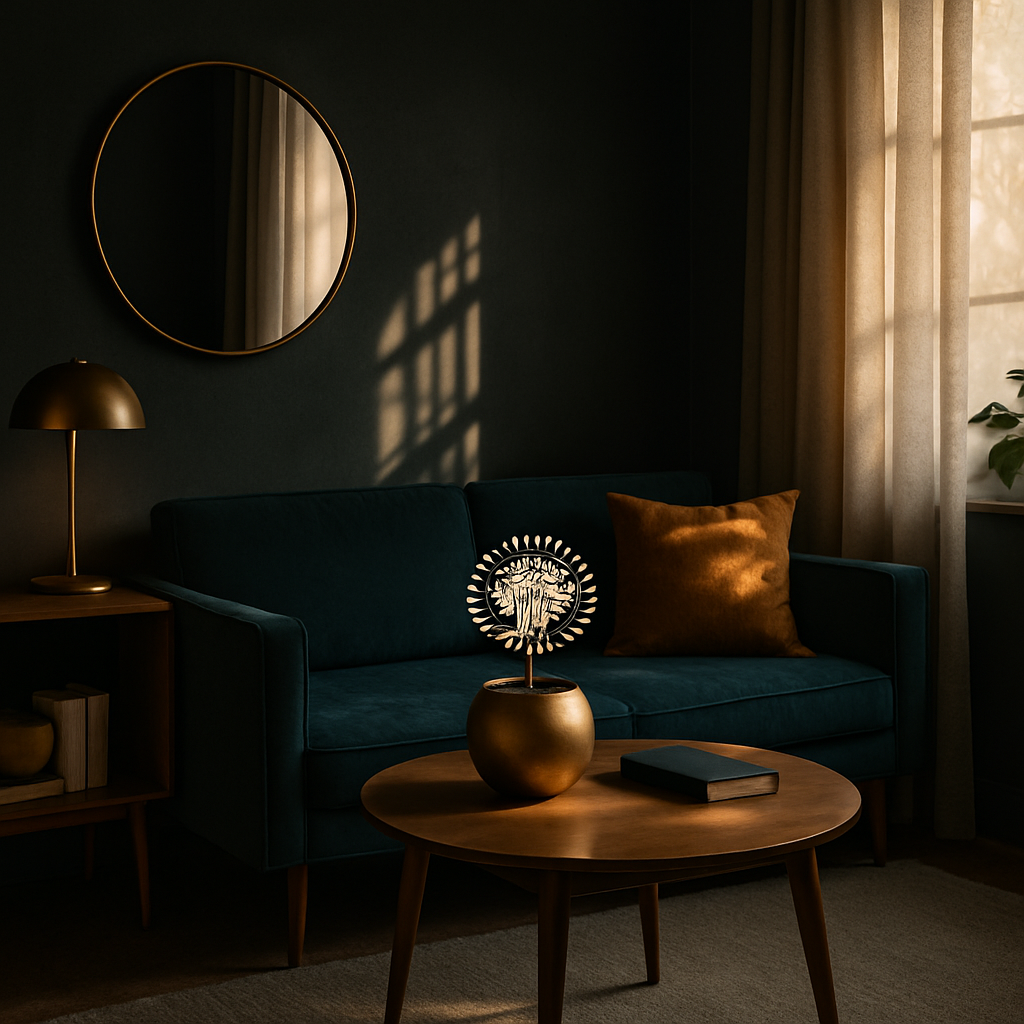
Imagine walking into your home, where the lighting adjusts automatically to your mood, the temperature is always just right, and the decor feels like it was made for you. This is not a distant dream but a reality being shaped by advancements in artificial intelligence. With the integration of AI in interior design, the way we approach home decor is evolving rapidly. According to a report by the American Society of Interior Designers (ASID), incorporating AI can enhance design efficiency by up to 30%. In this article, we'll explore the foundational concepts of AI in interior design, delve into the data that supports its transformative impact, and uncover actionable strategies you can use to bring AI into your living space. We'll also provide expert insights and detailed perspectives to help you fully embrace the future of home decor.
Understanding AI in Interior Design
At its core, artificial intelligence in interior design refers to the use of machine learning algorithms and smart technologies to create more personalized and efficient living spaces. One of the most significant developments is the use of AI-driven software for space planning, which allows designers to visualize and rearrange furniture in a virtual environment before making any physical changes. This not only saves time but also reduces the risk of costly mistakes. Tools like Planner 5D and RoomSketcher are leading the charge, offering user-friendly platforms where both professionals and homeowners can experiment with design ideas.
AI is also making strides in material selection, with platforms like Houzz offering AI-powered recommendations based on user preferences. These tools analyze past behavior and style choices to suggest decor items that align with the user's taste. This level of personalization was previously unattainable and is revolutionizing how designers approach project development. As a result, clients can achieve a cohesive look that reflects their personality without the trial-and-error process of traditional design.
Moreover, AI is facilitating communication between designers and clients. Virtual reality (VR) and augmented reality (AR) applications allow clients to "walk through" their redesigned spaces before any work begins. This immersive experience not only enhances client satisfaction but also streamlines the design approval process. Experienced professionals often note that incorporating VR can reduce project timelines by as much as 20%, making it an invaluable tool in the designer's toolkit. As we transition into more complex applications of AI, the potential for innovation in interior design is limitless.
The Data Behind AI's Impact on Design
AI's impact on interior design is supported by compelling data. A survey from the International Interior Design Association (IIDA) found that 70% of design firms have started integrating AI tools into their workflow. This adoption is driven by AI's ability to enhance creativity and efficiency. For instance, AI can analyze vast amounts of design data to identify trends and preferences, enabling designers to stay ahead of the curve. This ability to predict and adapt to trends ensures that designs remain fresh and relevant.
Furthermore, the use of AI in design can lead to significant cost savings. According to research by McKinsey & Company, AI technologies could potentially save the global design industry over $400 billion annually by reducing waste and optimizing resource use. This is particularly relevant in material procurement, where AI can predict the exact amount of materials needed, thus minimizing excess and reducing environmental impact. As sustainability becomes a critical focus, the role of AI in promoting eco-friendly design practices cannot be overstated.
AI's predictive capabilities also extend to market analysis. By examining consumer behavior and preferences, AI can help designers tailor their offerings to meet demand more accurately. This data-driven approach is transforming how firms strategize and market their services. Are you leveraging data effectively to stay competitive? If not, it might be time to consider how AI can refine your approach to design and client engagement. The evidence clearly shows that those who embrace AI stand to gain a competitive edge in the ever-evolving world of interior design.
Integrating AI into Your Design Process
For those looking to incorporate AI into their design processes, the first step is familiarizing yourself with the available tools. Platforms like SketchUp and AutoCAD now offer AI-driven features that enhance design precision and creativity. Whether you're a professional designer or a DIY enthusiast, these tools can help you visualize your projects with greater accuracy. Start by exploring tutorials and forums to gain a deeper understanding of how these technologies can be applied to your specific needs.
Another strategy is to engage with virtual assistants like Alexa or Google Assistant, which can be integrated into smart home systems to control lighting, temperature, and even select music or ambient sounds. By syncing these devices with your design plans, you can create a seamless and responsive living environment. Have you considered how AI could automate everyday tasks in your home, freeing up time for you to enjoy your space?
Additionally, designers should consider partnering with tech firms to stay updated on the latest AI advancements. Collaborations can lead to innovative solutions that enhance client satisfaction and streamline operations. For example, some firms are using AI to create bespoke furniture designs that cater to specific ergonomic needs, providing a level of customization previously unimaginable. By keeping abreast of technological innovations, you can ensure that your designs not only meet current standards but set new ones.
Expert Insights on AI Adoption
Experienced professionals in the interior design industry often emphasize the importance of continuous learning when it comes to AI adoption. The field is rapidly evolving, and staying informed about the latest trends and tools is crucial. Many designers are turning to online courses and workshops offered by platforms like LinkedIn Learning and Coursera to hone their AI skills. These resources provide valuable insights into both the technical and creative aspects of AI in design.
Furthermore, attending industry conferences and networking with peers can provide firsthand knowledge of how AI is being used in real-world projects. Events hosted by organizations like the American Institute of Architects (AIA) and ASID offer opportunities to see AI applications in action and discuss potential collaborations. Are you taking advantage of these learning opportunities to advance your skills and knowledge?
Another key insight is the need for a balanced approach to AI integration. While AI offers remarkable capabilities, the human touch in design remains irreplaceable. Combining AI's analytical power with human creativity leads to the most successful outcomes. Designers should aim to use AI as a tool that complements their expertise, rather than a replacement for it. This synergy between technology and human intuition is where the true potential of AI in interior design lies.
Future Perspectives on AI and Design
Looking ahead, the potential applications of AI in interior design are vast. As AI technology continues to advance, we can expect more sophisticated tools that offer even greater levels of customization and efficiency. Areas such as sustainability and smart home integration will likely see significant innovations, as AI helps designers create more eco-friendly and intelligent spaces. The focus on biophilic design, which incorporates natural elements into interiors, is one trend that AI can enhance by analyzing how these elements impact human well-being.
Moreover, AI is set to play a pivotal role in the rise of virtual and augmented reality in design. These technologies offer immersive experiences that allow clients to engage with their spaces in new and interactive ways. As these tools become more accessible, they will transform how we conceptualize and experience design. Are you prepared to embrace these changes and stay at the forefront of design innovation?
Finally, the ethical considerations of AI use in design must be addressed. As AI becomes more prevalent, issues such as privacy, data security, and the potential for bias in algorithm-driven decisions are critical concerns. Designers must navigate these challenges thoughtfully, ensuring that AI is used responsibly and ethically to benefit both clients and the broader community.
Conclusion: Embracing the AI Revolution in Home Decor
In conclusion, embracing AI in interior design trends offers exciting possibilities for creating more personalized, efficient, and sustainable home environments. From enhancing design processes to offering unprecedented levels of customization, AI is transforming the way we approach home decor. As we've explored, the integration of AI requires a blend of technological savvy and creative intuition, along with a commitment to ongoing learning and ethical considerations.
Are you ready to explore the future of home decor with AI? Start by researching the latest AI tools and platforms available, and consider how they can enhance your design projects. This week, dedicate some time to experimenting with an AI-driven design tool like SketchUp or exploring virtual reality tours of redesigned spaces. These small steps can lead to significant advancements in your design capabilities. By staying informed and adaptable, you can harness the full potential of AI to create spaces that are not only beautiful but also smart and sustainable.



Comments
Post a Comment