Transform Your Living Space: Top Smart Home Interior Design Trends for 2024
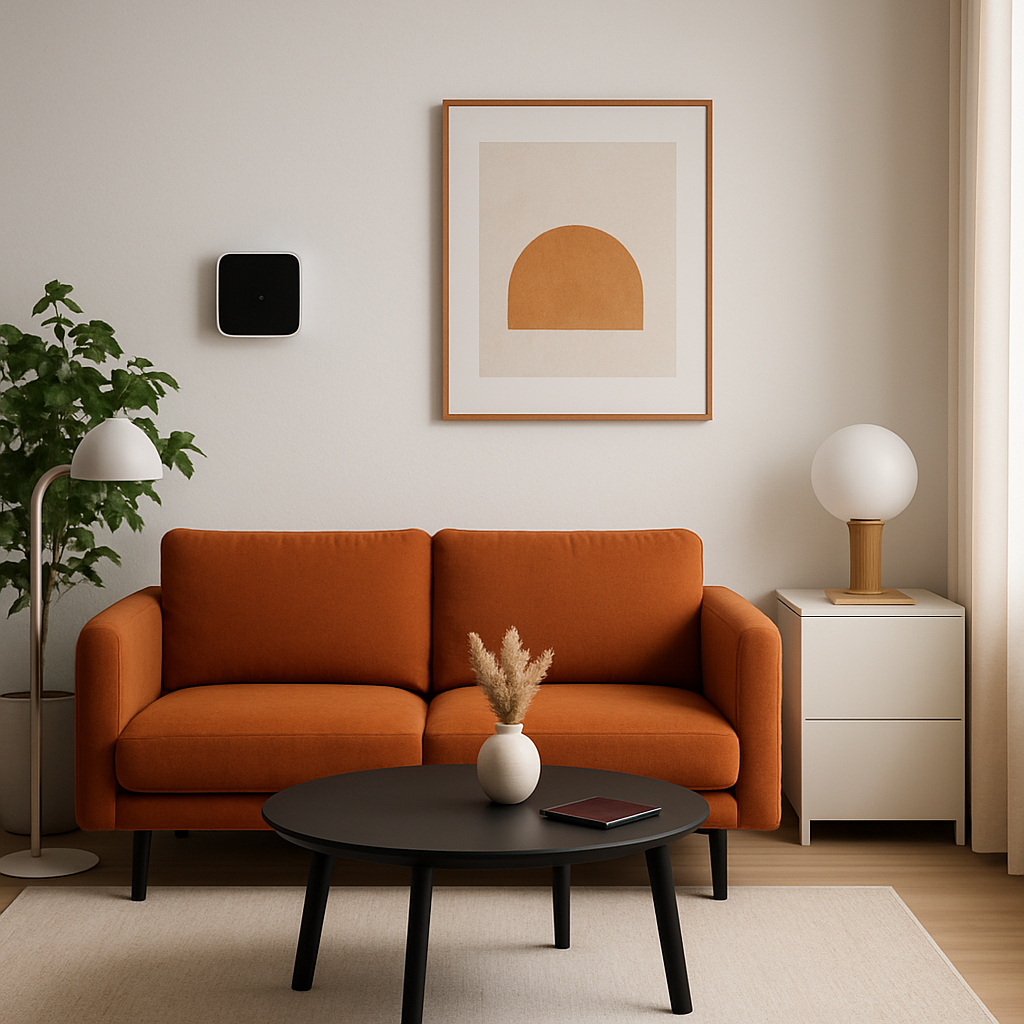
Imagine walking into a room that intuitively adjusts to your personal preferences - lights dimming to the perfect level, curtains drawing themselves as the sun sets, and a gentle background melody playing just the way you like it. This isn't a scene from a sci-fi movie; it's the reality of smart home integration in interior design. As we delve into 2024, the fusion of technology and design has reached new heights, offering unprecedented comfort and efficiency in our living spaces. In this article, we'll explore the foundational concepts of smart home design, dive into data-driven insights, provide actionable strategies, and offer expert-level details to help you transform your home with the latest trends.
The Foundation of Smart Home Interior Design
At the heart of smart home interior design is the seamless integration of technology into the aesthetic and functional aspects of a space. The trend isn't just about having the latest gadgets but about embedding these technologies into the fabric of your home to enhance your lifestyle. Consider the rise of smart lighting systems that adjust based on time of day or occupancy, providing both energy efficiency and mood enhancement. These systems can be controlled via voice commands or smartphone apps, offering convenience at your fingertips.
Another foundational element is the smart thermostat, which learns your schedule and adjusts heating and cooling accordingly. According to the American Institute of Architects (AIA), these systems can reduce energy bills by up to 15%, making them both an environmentally and economically wise choice. This technology, while sophisticated, is designed to be user-friendly, ensuring that you don't need to be a tech expert to benefit from its features.
Finally, smart security systems are becoming an essential aspect of interior design. These systems go beyond traditional alarms, incorporating features like video doorbells and remote access monitoring. The peace of mind offered by being able to check on your home from anywhere is invaluable, especially for those with busy lifestyles or frequent travelers. As you consider these foundational elements, think about how they might enhance your daily living experience.
Data-Driven Insights into Smart Home Adoption
Understanding the adoption of smart home technology requires examining the data behind its growing popularity. Industry surveys suggest that nearly 60% of new homes built in 2023 incorporated some form of smart technology, reflecting a significant shift towards tech-enhanced living environments. The National Association of Home Builders reports that smart home features are among the top five priorities for new homebuyers.
Moreover, a study by Houzz found that homeowners who invest in smart technologies for their homes report a 70% satisfaction rate, highlighting the impact of these innovations on everyday life. This satisfaction often stems from the enhanced control and customization that smart home systems provide, allowing homeowners to tailor their environments to their exact preferences.
Despite these positive trends, there are still barriers to widespread adoption, primarily concerns about privacy and data security. Experienced professionals often note that addressing these concerns with robust security measures and transparent data policies is crucial for increasing consumer confidence. As the industry continues to evolve, expect to see more solutions that prioritize user privacy without compromising on the functionality of smart home technologies.
Actionable Strategies for Integrating Smart Home Design
Ready to incorporate smart home technology into your living space? Start by assessing your current needs and lifestyle habits. Map out how you use each room - where do you spend the most time, and what tasks could be automated to enhance your daily routine? This analysis will help you prioritize which technologies to implement first. For example, if you frequently entertain guests, smart lighting and sound systems could be a worthwhile investment.
Next, consider starting with one room at a time to manage costs and complexity. A single room redesign can range from $5,000 to $15,000, depending on the extent of the technology involved. Focus on integrating smart lighting, automated window treatments, and connected appliances to see immediate benefits. The NCIDQ (National Council for Interior Design Qualification) suggests consulting with a certified interior designer to ensure that the technology complements your existing decor.
Finally, explore platforms like Houzz and Pinterest for inspiration and to find designers who specialize in smart home integration. These platforms offer a wealth of project photos and portfolios, allowing you to gather ideas and identify trends that resonate with your style. Remember, the goal is to enhance functionality without sacrificing aesthetics, so choose technologies that seamlessly blend with your home's design.
Expert-Level Details on Smart Home Implementation
For those seeking a deeper dive into smart home design, understanding the nuances of technology integration is key. Experienced interior designers often emphasize the importance of future-proofing your home by selecting systems that can be easily updated or expanded. This ensures that your investment remains relevant as new technologies emerge.
Another critical aspect is the role of sustainable and reclaimed materials in smart home design. As environmental awareness grows, many homeowners are opting for eco-friendly options that complement their tech-savvy interiors. The use of sustainable materials not only benefits the environment but also adds a layer of sophistication and warmth to the design, aligning with the Japandi trend of combining Japanese minimalism with Scandinavian warmth.
Additionally, consider the integration of AR/VR tools in the design process. These technologies allow you to visualize the impact of smart designs before implementation, providing a clearer picture of how changes will look and function. This step is particularly useful for large-scale renovations where visualizing the end result can guide decision-making and ensure alignment with your vision.
Additional Depth: Overcoming Challenges in Smart Design
Implementing smart home design is not without its challenges. One common issue is ensuring compatibility among different systems and devices. To address this, focus on choosing products from reputable brands known for their interoperability, such as those recommended by the IIDA (International Interior Design Association). These products are more likely to work seamlessly together, reducing the risk of technical difficulties.
Budget constraints can also pose a challenge, as the cost of smart home technology can quickly add up. To navigate this, consider a phased approach to your upgrades. Start with essential technologies that offer the greatest impact on your daily life and gradually expand as your budget allows. This strategy not only makes the process more manageable but also allows you to spread out costs over time.
Finally, it's important to stay informed about the latest developments in smart home technology. Industry publications, like Architectural Digest's AD PRO network, offer valuable insights and updates on emerging trends and products. By staying engaged with these resources, you can ensure that your home remains at the forefront of design and technology.
Final Perspectives on Smart Home Design
As we look to the future, the integration of smart home technology in interior design is poised to become even more sophisticated and accessible. With advancements in AI and machine learning, the potential for personalization and automation will expand, offering homeowners even greater control over their living environments. This evolution will continue to drive the demand for smart home solutions, as more people recognize the benefits of a connected lifestyle.
For those considering this transition, now is an ideal time to start exploring the possibilities. Whether you're renovating a single room or planning a full-home redesign, the integration of smart technologies can transform your space into a modern, efficient haven. The key is to approach the process thoughtfully, ensuring that each decision aligns with your lifestyle and aesthetic preferences.
Are you ready to embrace the future of home design? Start by browsing portfolios on Houzz this week. Even 20 minutes of research will sharpen your eye for what you want and help you take the first steps toward a smarter living space.
Conclusion
In summary, transforming your living space with smart home interior design is both an exciting and practical endeavor. By understanding foundational concepts, leveraging data-driven insights, and implementing actionable strategies, you can create a home that is not only stylish but also intuitively responsive to your needs. As you embark on this journey, consider the expert-level details and potential challenges to ensure a successful integration.
Ultimately, the goal is to enhance your lifestyle through thoughtful design and technology. So, take the leap and explore what's possible with smart home innovations. Begin by researching design inspirations and connecting with professionals who can guide you through the process. Your modern, connected home is just a few steps away.



Comments
Post a Comment