10 Essential Home Interior Design Trends to Elevate Your Space in 2023
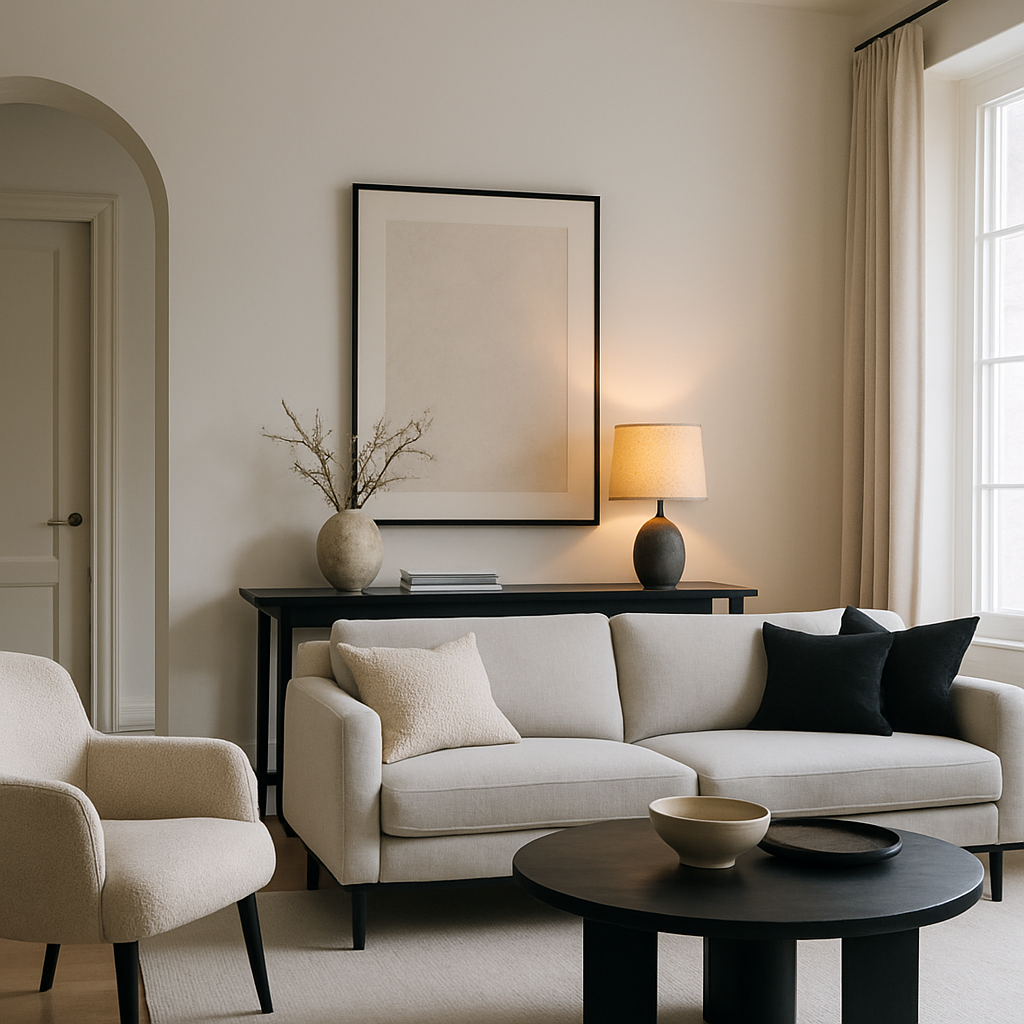
The world of interior design is constantly evolving, with new trends emerging that offer fresh perspectives on how we live and interact with our spaces. According to Houzz's annual survey, nearly 80% of homeowners have undertaken a significant redesign project in the past two years, signaling a robust interest in transforming homes into personal sanctuaries. This article will explore ten essential home interior design trends that are set to elevate your space in 2023, blending style with functionality and sustainability. From biophilic design principles to smart home integration, we will delve into the trends that are shaping the future of interior design.
Biophilic Design: Embracing Nature Indoors
Biophilic design is gaining significant momentum, bringing the outdoors into our living spaces to create harmonious environments. This trend emphasizes natural materials, such as wood and stone, and integrates living elements like plants and indoor gardens. The concept extends beyond aesthetics, aiming to enhance well-being by fostering a connection with nature. Studies suggest that spaces designed with biophilic elements can reduce stress, improve mood, and increase productivity.
One popular example of biophilic design is the incorporation of living walls, which are vertical gardens that can transform any room into a lush, green oasis. These installations not only improve air quality but also add a dynamic visual element to interiors. The American Society of Interior Designers (ASID) highlights that homeowners are increasingly seeking out these features to create a unique and healthful ambiance in their homes.
As you consider integrating biophilic design into your home, think about the areas where natural light can be maximized. Placing plants near windows or using materials that mimic outdoor textures can reinforce this connection with nature. How might you incorporate elements of the natural world into your own living space?
Quiet Luxury: Understated Elegance
Quiet luxury is a trend that emphasizes subtle sophistication over ostentation. This style is characterized by high-quality materials, neutral color palettes, and clean lines that exude an effortless elegance. According to Architectural Digest's AD PRO network, quiet luxury is about investing in timeless pieces that offer longevity rather than following fleeting fads.
For instance, a plush cashmere throw or a solid oak dining table can serve as cornerstone pieces that define a space's elegance. The focus is on craftsmanship and the story behind each item, rather than its price tag. Experienced professionals often note that incorporating quiet luxury involves a careful curation of furniture and decor that speaks to personal taste and comfort.
When planning a redesign with quiet luxury in mind, consider how each piece contributes to the overall harmony of your space. Does your furniture tell a story, or is it merely functional? This introspection can guide you toward creating rooms that resonate with understated opulence.
Smart Home Integration: Seamless Technology
Smart home technology is no longer a futuristic concept; it is a present-day reality that enhances convenience and efficiency in our homes. From automated lighting systems to climate control and security features, smart technology is seamlessly integrating into interior design. The International Interior Design Association (IIDA) reports that homeowners are increasingly opting for smart solutions that align with their lifestyle needs.
Imagine controlling your home's lighting and temperature with a simple voice command or a tap on your smartphone. This integration not only adds a layer of comfort but also improves energy efficiency. For example, smart thermostats can learn your schedule and adjust temperatures accordingly, reducing utility bills and minimizing environmental impact.
As you explore smart home options, consider how these technologies can enhance your daily routines. Are there areas in your home where automation could simplify tasks or improve your quality of life? Integrating smart home features can elevate both the functionality and appeal of your interiors.
Sustainable and Reclaimed Materials: Eco-Friendly Choices
Sustainability remains a critical focus in interior design, with a growing emphasis on using eco-friendly and reclaimed materials. Homeowners are becoming more conscious of their environmental footprint and are seeking ways to make their homes more sustainable. According to NCIDQ (National Council for Interior Design Qualification), opting for sustainable materials not only benefits the planet but also enhances the aesthetic and functional value of interiors.
Reclaimed wood, recycled metal, and eco-friendly textiles are just a few materials being used to create stunning yet sustainable interiors. These materials carry a unique charm and often come with a story of their own, adding character to any space. For example, using reclaimed wood for flooring or furniture can introduce rustic warmth and a sense of history.
Think about the materials currently in your home. Could any be replaced with more sustainable options? By making conscious choices about materials, you can contribute to a healthier planet while crafting a home that reflects your values.
Japandi: A Fusion of Minimalism and Warmth
Japandi design, a blend of Japanese minimalism and Scandinavian warmth, is captivating homeowners who appreciate simplicity and comfort. This style combines clean lines, neutral tones, and natural materials to create spaces that are both serene and inviting. The fusion of these two design philosophies results in interiors that are uncluttered yet cozy.
Key elements of Japandi include low-profile furniture, soft textiles, and a focus on functional beauty. This trend encourages a decluttered environment, where each item serves a purpose and contributes to the room's overall calmness. Houzz notes that Japandi has been gaining popularity in their annual surveys, reflecting a shift towards mindful, intentional living.
As you consider incorporating Japandi into your home, reflect on how you can balance minimalism with warmth. Is there clutter that could be eliminated to enhance the tranquility of your space? This approach can guide you towards creating a peaceful and harmonious environment.
AR/VR Room Visualization Tools: Designing with Precision
Advancements in technology are revolutionizing the way we approach interior design. Augmented Reality (AR) and Virtual Reality (VR) tools now allow homeowners and designers to visualize spaces with unprecedented precision. These tools enable users to experiment with layouts, colors, and furniture placements before making any physical changes, reducing the risk of costly mistakes.
Platforms like Houzz and Pinterest have integrated AR features, allowing users to see how different elements would look in their actual rooms. This capability provides a powerful advantage in planning and executing design projects with confidence. According to industry surveys, more than 60% of design professionals are incorporating AR/VR tools into their workflow, highlighting their growing importance.
Consider how AR/VR tools could assist in your next design project. Would seeing a virtual representation of your ideas help solidify your vision? Utilizing these technologies can provide clarity and assurance in the design process, making it easier to achieve your desired results.
Conclusion: Elevate Your Space with Purposeful Design
Transforming your home with these essential interior design trends offers a pathway to creating a space that is both stylish and functional. By embracing biophilic design, quiet luxury, smart home integration, sustainable materials, Japandi aesthetics, and AR/VR tools, you can tailor your environment to reflect your personal tastes and lifestyle. Remember, thoughtful design goes beyond aesthetics-it enhances your daily life and well-being.
As you embark on your interior design journey, consider starting with one trend that resonates with you. Perhaps begin by exploring designer portfolios on Houzz or Pinterest, dedicating time to research and refine your vision. This initial step can provide inspiration and clarity, setting the stage for a successful redesign. What aspect of your home will you transform first?



Comments
Post a Comment