Transform Your Space: Top 5 Interior Design Trends from Designmode24
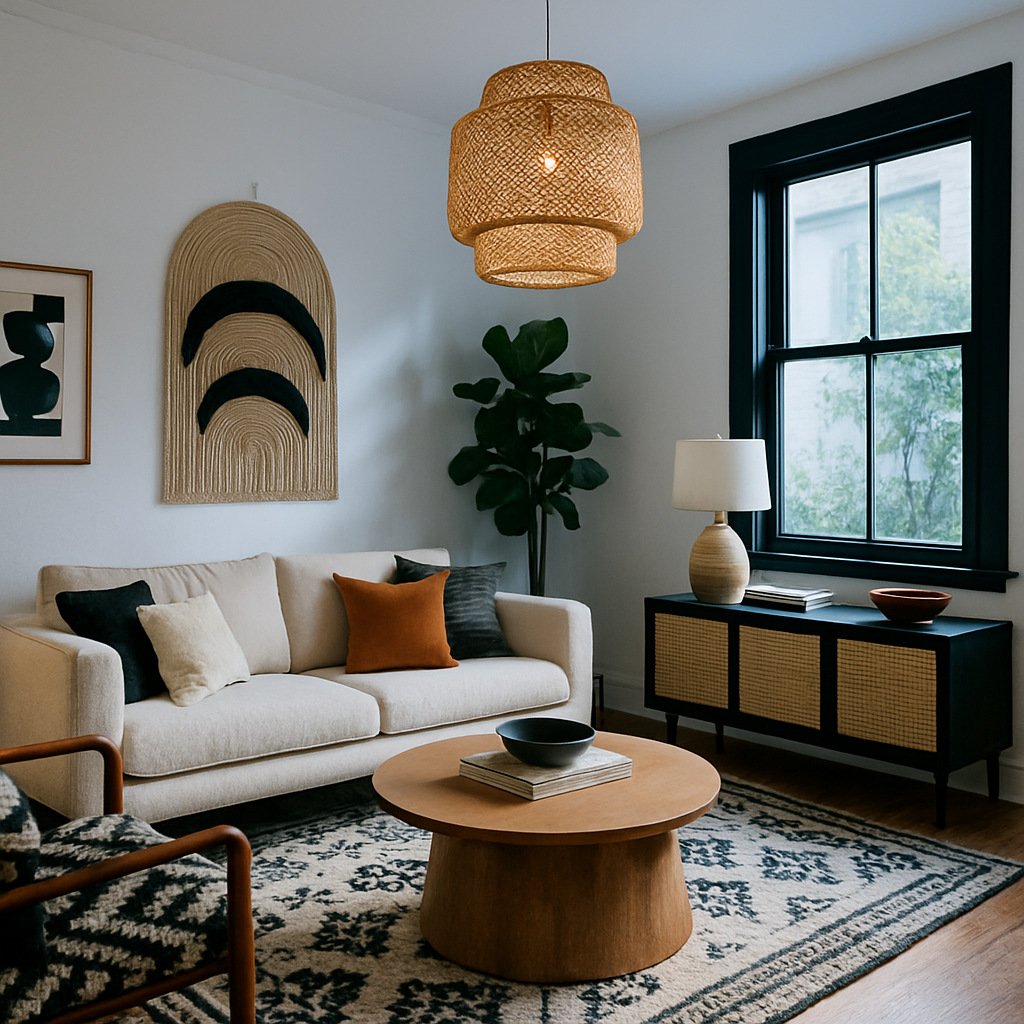
Imagine walking into your living room and feeling an immediate sense of calm and inspiration. According to Houzz's annual survey, 72% of homeowners believe that a well-designed interior significantly enhances their mood and productivity. This statistic highlights the profound impact that thoughtful design can have on our daily lives. In this article, we'll explore the top five interior design trends highlighted by Designmode24 that are set to transform your spaces. From biophilic design to smart home integration, we'll delve into the specifics of each trend, providing not only an understanding of their appeal but also actionable steps for incorporating these styles into your own home. Whether you're planning a major renovation or just a room refresh, these insights will guide you toward creating environments that are both beautiful and functional.
Biophilic Design: Bringing Nature Indoors
Biophilic design is not just a trend; it's a philosophy that intertwines nature with interior spaces. At its core, biophilic design seeks to reconnect inhabitants with the natural world through the use of organic materials, natural light, and greenery. According to research by the American Society of Interior Designers (ASID), incorporating natural elements into your home can boost wellbeing by up to 40%. This approach often includes features like living walls, large windows to maximize natural light, and the use of materials such as stone and wood.
One way to embrace this trend is to integrate a variety of plants throughout your home. This could mean anything from a simple potted plant on your desk to a full-scale vertical garden. Additionally, consider using natural textures in your furnishings, like a wooden dining table or a stone countertop. These elements not only add visual interest but also create an environment that feels alive and dynamic.
But why does biophilic design matter? Beyond aesthetics, biophilic elements can reduce stress, improve air quality, and even enhance creativity. For those working from home or spending extended time indoors, these benefits can be particularly valuable. As you plan your next design project, ask yourself how you can bring more of the outside world into your interiors. This question will guide you in creating a space that nurtures both body and mind.
Quiet Luxury: Understated Elegance
Quiet luxury is the art of subtle sophistication. It's a trend that emphasizes quality over quantity, focusing on timeless pieces and exquisite craftsmanship rather than flashy displays of wealth. This approach resonates with the current cultural shift towards sustainability and mindful consumption. According to the International Interior Design Association (IIDA), there has been a marked increase in demand for bespoke furniture and artisanal decor, with consumers willing to invest more for quality that endures.
To incorporate quiet luxury into your home, consider investing in a few select pieces that exude elegance. This could be a handcrafted rug, a custom-made sofa, or even a statement piece of art. The key is to choose items that are both functional and aesthetically pleasing, contributing to a serene and harmonious environment. Avoid clutter and opt for a minimalist approach, where every piece serves a purpose.
Why is quiet luxury gaining traction? Experienced professionals often note that this trend aligns with a growing desire for homes to be sanctuaries of calm in an increasingly chaotic world. As you refine your living spaces, consider focusing on quality and craftsmanship. Which pieces could you invest in that would stand the test of time, both in terms of style and durability? This consideration will help you cultivate an atmosphere of understated elegance.
Smart Home Integration: The Future of Living
Smart home integration is revolutionizing the way we interact with our living spaces. From automated lighting to climate control systems, technology is seamlessly blending into our homes to enhance comfort and efficiency. A study by the National Council for Interior Design Qualification (NCIDQ) found that 60% of new home designs now incorporate some form of smart technology, indicating its growing importance in the industry.
To start integrating smart technology into your home, consider your daily routines and how technology can simplify them. For example, smart thermostats can learn your schedule and adjust temperatures accordingly, while automated window treatments can provide optimal lighting throughout the day. Voice-controlled assistants can also help manage your home's systems with ease.
Integrating smart home technology isn't just about convenience; it's about creating a responsive environment that adapts to your needs. As you explore options, think about which areas of your life could benefit from automation. Is it lighting, security, or perhaps entertainment? By focusing on your specific lifestyle, you can tailor a smart home system that truly enhances your living experience.
Sustainable and Reclaimed Materials
Sustainability in design is more than a trend; it's a responsibility. With increasing awareness of environmental issues, there is a growing demand for sustainable and reclaimed materials in interior design. According to Architectural Digest's AD PRO network, the use of recycled materials in design projects has increased by 30% over the past few years. This shift reflects a commitment to reducing waste and making eco-friendly choices.
Incorporating sustainable materials can be as simple as choosing furniture made from reclaimed wood or using recycled metal fixtures. Additionally, consider sourcing locally-made products to reduce your carbon footprint. By selecting materials that are both sustainable and stylish, you contribute to a healthier planet while creating a unique aesthetic in your home.
The significance of sustainable design extends beyond environmental benefits. It also offers a narrative - a story about where materials come from and how they are transformed. As you plan your next design project, reflect on how you can make more conscious material choices. Could you incorporate reclaimed wood or vintage items to reduce your environmental impact? Each decision plays a part in fostering a sustainable future.
Japandi: A Fusion of Minimalism and Warmth
Japandi is the harmonious blend of Japanese minimalism and Scandinavian warmth. This trend combines the clean lines and functional beauty of Japanese design with the cozy textures and neutral palettes of Scandinavian interiors. Houzz survey data suggests that Japandi is one of the fastest-growing trends, as homeowners seek both simplicity and comfort in their spaces.
To achieve the Japandi look, focus on simplicity and functionality. Choose a muted color palette, incorporating shades of white, grey, and beige, with natural wood accents. Furniture should be minimalistic yet comfortable, with a focus on craftsmanship and quality. Textiles like wool and linen add warmth and texture, creating an inviting atmosphere.
Japandi is more than just a style; it's a lifestyle choice that prioritizes balance and tranquility. As you consider redesigning your space, ask yourself how you can simplify your environment without sacrificing comfort. What elements can you add or remove to create a peaceful, clutter-free home? This introspection will guide you in embracing the Japandi philosophy.
Final Perspectives: Embracing Trends That Resonate
As we've explored, each of these trends - biophilic design, quiet luxury, smart home integration, sustainable materials, and Japandi - offers unique ways to transform your space. However, the key to successful interior design is not to follow trends blindly but to adopt those that resonate with your personal style and needs. After all, your home should be a reflection of who you are and how you live.
When considering these trends, think about your lifestyle and the atmosphere you want to create. Are you drawn to the tranquility of Japandi, or does the innovative edge of smart technology appeal more to your sensibilities? By aligning your choices with your preferences, you ensure that your home remains a place of comfort and inspiration.
Ultimately, the goal of interior design is to enhance your quality of life. As you embark on your next project, consider how these trends can be integrated into your existing spaces. Which changes will bring you the greatest joy and functionality? This reflection will help you create a home that truly supports your lifestyle.
Conclusion
In conclusion, the top interior design trends from Designmode24 provide a wealth of inspiration for transforming your home. From the natural serenity of biophilic design to the sleek sophistication of smart home integration, these trends offer diverse ways to enhance your living spaces. As you consider these ideas, remember that the most important aspect of design is creating spaces that reflect and support your life.
Now, it's time to take action. Start by browsing designer portfolios on Houzz or exploring local IIDA and ASID directories to find professionals who can help bring these trends to life in your home. Even dedicating 20 minutes a week to research will sharpen your eye for design and clarify your vision. So, why wait? Begin transforming your space today with the insights and strategies you've gained here.



Comments
Post a Comment