Minimalism to Maximalism: Exploring Modern Interior Design Styles You Need to Know
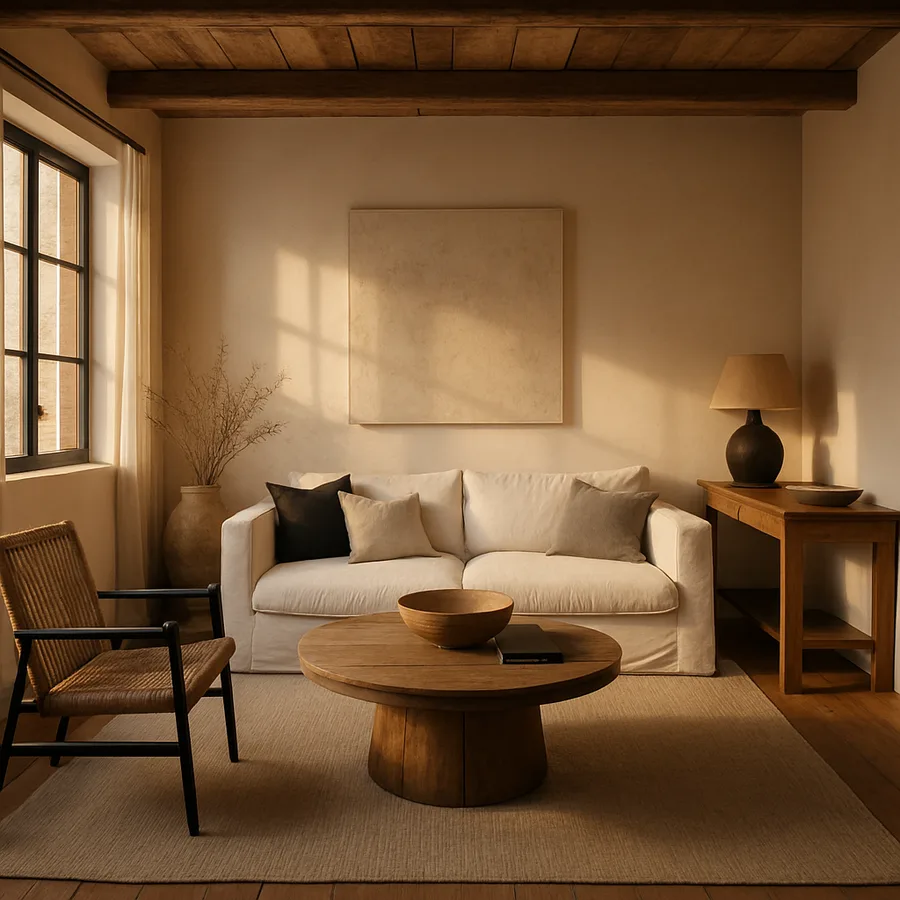
The world of interior design has never been more diverse or more accessible. From the restrained serenity of minimalism to the exuberant abundance of maximalism, and every stylistic waypoint between them, contemporary homeowners face an extraordinary range of aesthetic possibilities. Understanding these styles, their origins, their defining characteristics, and the philosophies that drive them empowers you to make informed decisions about the spaces you inhabit. Whether you are designing a first apartment or reimagining a family home, knowing the landscape of modern interior design styles transforms the process from overwhelming to genuinely exciting.
The American Society of Interior Designers (ASID) notes that style preferences among residential clients have diversified significantly over the past decade. Surveys conducted through their professional network reveal that while minimalism remains popular, maximalism and eclectic approaches are growing at nearly twice the rate. This shift reflects a broader cultural movement toward individual expression and authenticity in personal spaces, moving away from one-size-fits-all design prescriptions toward interiors that genuinely reflect the people living within them.
The Enduring Appeal of Minimalist Design
Minimalism in interior design draws inspiration from traditional Japanese aesthetics, the Bauhaus movement, and the mid-twentieth century modernist architects who championed the principle that less is more. At its core, minimalist design seeks to distill a space down to its essential elements, removing everything superfluous and allowing the remaining components to speak with clarity and purpose. The result is an environment that feels calm, ordered, and intentionally composed.
A minimalist room typically features a restrained color palette, often anchored by whites, warm grays, and natural wood tones. Furniture pieces are selected for their clean lines and functional elegance rather than ornamental detail. Storage solutions are integrated and concealed, keeping surfaces clear and sightlines uninterrupted. The Houzz design platform reports that minimalist-inspired spaces consistently rank among the most-saved images in their residential gallery, suggesting enduring consumer fascination with this pared-back aesthetic.
However, minimalism is frequently misunderstood as coldness or emptiness. Skilled practitioners of minimalist design understand that the style succeeds not through absence but through careful curation. Every object in a minimalist room earns its place. A single piece of artwork on a bare wall carries far more visual weight than it would in a cluttered environment. The texture of a hand-thrown ceramic vase becomes a focal point when it is not competing with dozens of surrounding objects for attention. This intentionality is what separates thoughtful minimalism from mere sparseness.
Have you ever walked into a minimalist space and felt an immediate sense of calm wash over you? That response is not accidental. Research from the Princeton Neuroscience Institute has shown that visual clutter competes for cognitive resources, reducing our ability to focus and increasing stress. Minimalist interiors work with our neurology rather than against it, creating conditions conducive to relaxation and mental clarity.
Maximalism as Bold Self-Expression
At the opposite end of the spectrum, maximalism celebrates abundance, pattern, color, and the joyful accumulation of objects that bring their owner delight. Far from being a chaotic free-for-all, sophisticated maximalism is curated with as much care as minimalism, though its curatorial principle is inclusion rather than exclusion. A maximalist room might layer multiple patterns, combine furniture from different eras, display extensive art collections, and employ a rich, saturated color palette. The effect is immersive, stimulating, and deeply personal.
The International Interior Design Association (IIDA) has documented the rising prominence of maximalist approaches in both residential and hospitality design. Designers affiliated with IIDA report that clients increasingly want their homes to tell stories through objects, textiles, and artwork collected over years of travel and experience. This narrative quality is central to maximalism: every item in the room carries meaning and contributes to a larger autobiographical tapestry.
Pattern mixing is perhaps the most distinctive skill in the maximalist toolkit. Successfully combining floral wallpaper with geometric rugs, animal print cushions, and striped upholstery requires an understanding of scale, color relationships, and visual rhythm that takes years to develop. The key is finding unifying threads, a shared color that recurs across different patterns, or a consistent level of visual density, that tie disparate elements together into a cohesive whole rather than a chaotic collision.
Color serves as the emotional engine of maximalist spaces. Deep jewel tones like emerald, sapphire, and ruby create drama and intimacy, while vibrant combinations of coral, teal, and mustard inject energy and optimism. According to a survey conducted by the Paint Quality Institute, over 55 percent of homeowners who redecorate with bold colors report feeling happier in their living spaces. Maximalism harnesses this psychological power of color to full effect, creating rooms that actively elevate mood and spirit.
Scandinavian Design and the Hygge Philosophy
Scandinavian interior design occupies a distinctive middle ground between minimalism and warmth, combining clean lines and functional simplicity with natural materials and cozy textures that embody the Danish concept of hygge, a term roughly translating to a quality of comfortable conviviality. Born from the harsh Nordic climate and a cultural emphasis on democratic, accessible design, Scandinavian interiors prioritize light, functionality, and an intimate sense of home.
The color palette of Scandinavian design is predominantly light and neutral, driven by practical necessity in regions where winter days are short and natural light is precious. White walls, pale wood floors, and soft gray textiles maximize the reflection of available daylight, keeping interiors bright even during the darkest months. Accent colors, when used, tend to be muted pastels or earthy tones that complement rather than compete with the natural light.
Natural materials play a defining role. Pale birch and ash woods, wool textiles, linen curtains, and ceramic accessories create a sensory palette that connects inhabitants to the natural world outside. This material emphasis aligns with the sustainability values that pervade Nordic culture, where durability, repairability, and environmental responsibility are deeply ingrained consumer expectations. The NCIDQ examination framework recognizes Scandinavian design principles as exemplary of the intersection between human comfort and environmental consciousness that defines contemporary best practice.
Furniture design within the Scandinavian tradition is celebrated for its combination of beauty and utility. Iconic pieces by designers such as Arne Jacobsen, Alvar Aalto, and Hans Wegner continue to influence contemporary production, their organic forms and honest material expression feeling as fresh and relevant today as when they were first conceived. This longevity itself is a testament to the design philosophy: create things of lasting value rather than disposable fashion.
Industrial and Urban Loft Aesthetics
The industrial design style draws its visual vocabulary from converted factories, warehouses, and other commercial spaces that were adapted for residential use beginning in the mid-twentieth century. Exposed brick walls, visible ductwork, concrete floors, steel-framed windows, and open floor plans define the aesthetic, celebrating the raw structural bones of a building rather than concealing them behind decorative finishes. This honesty of construction gives industrial interiors a distinctive character that feels authentic and unpretentious.
Metal, particularly steel and iron, serves as a signature material in industrial design. Steel-legged dining tables, iron pendant light fixtures, wire-frame shelving units, and galvanized metal accessories bring visual weight and textural contrast to these spaces. The juxtaposition of hard metal surfaces with softer elements, distressed leather seating, woven throw blankets, or a weathered Persian rug, creates the tension and balance that makes industrial interiors visually engaging rather than austere.
Open shelving is both a practical and aesthetic hallmark of the style. Rather than hiding kitchen items, books, and personal collections behind closed doors, industrial design puts them on display, treating everyday objects as decorative elements. This approach demands a degree of organization and selectivity, since everything visible becomes part of the room composition, but it rewards with a sense of openness and accessibility that closed storage cannot match.
Do you find yourself drawn to spaces that reveal how they were built rather than hiding it? That attraction speaks to something fundamental about how we relate to our built environment. The industrial aesthetic satisfies a desire for transparency and authenticity, values that resonate strongly in an era when so much of our daily experience feels mediated and artificial. The ASID has noted growing interest in authentic industrial elements among millennial and Gen-Z homeowners, a demographic that prizes genuineness across all aspects of their lives.
Transitional Design and the Art of Blending Eras
Transitional design emerged as a response to the perceived rigidity of strictly defined styles. It blends elements of traditional and contemporary design into harmonious compositions that feel both timeless and current. A transitional living room might pair a classic Chesterfield sofa with a modern glass coffee table, or combine traditional crown molding with minimalist pendant lighting. The skill lies in finding the balance point where old and new enhance each other rather than creating visual discord.
Color palettes in transitional spaces tend toward sophisticated neutrals, creams, taupes, soft grays, and warm whites, that serve as a unifying backdrop for the diverse furniture and accessory styles being combined. This neutral foundation allows disparate pieces to coexist peacefully, connected by a shared tonal environment even when their forms and eras differ significantly. Texture plays an important role in preventing these neutral palettes from feeling flat: nubby wool, smooth leather, polished metal, and matte ceramic provide the sensory variety that color restraint might otherwise sacrifice.
The popularity of transitional design reflects a pragmatic reality of how many people actually live. Few homeowners start from a completely blank slate. Most bring existing furniture, inherited pieces, and accumulated collections into new spaces. Transitional design embraces this reality, providing a framework for incorporating cherished possessions alongside new acquisitions without demanding stylistic purity. IIDA-affiliated designers frequently recommend transitional approaches for family homes precisely because of this flexibility and inclusiveness.
Proportional balance is critical in transitional interiors. Traditional furniture tends toward heavier profiles and more elaborate detailing, while contemporary pieces are typically lighter and simpler. Successfully combining them requires attention to visual weight, ensuring that no single piece or style dominates the room. This balancing act, when executed well, produces spaces with remarkable depth and interest, rooms that reveal new details on repeated viewing and that resist the tendency to feel dated as trends evolve.
Finding Your Personal Style in a World of Choices
With so many defined styles available, it is tempting to feel pressure to commit entirely to one aesthetic camp. But the most compelling and livable interiors are often those that defy easy categorization, drawing from multiple traditions to create something uniquely personal. The styles discussed here are not rigid categories but rather vocabularies, each offering a distinct set of forms, materials, colors, and principles that you can draw upon selectively.
Begin your style exploration by paying attention to your own responses. Notice which rooms in restaurants, hotels, and friends homes make you feel most comfortable and inspired. Save images that resonate with you, whether on Houzz, in design publications, or in your own photographs of spaces you admire. Over time, patterns will emerge in your preferences, recurring colors, textures, proportions, and levels of visual complexity, that point toward your natural aesthetic inclinations.
Consider the practical demands of your life alongside your stylistic preferences. A household with young children and pets may find that certain minimalist ideals require more maintenance than they can sustain, while the collected richness of maximalism might feel energizing and forgiving of everyday domestic reality. An honest assessment of how you actually live, rather than how you imagine living in an idealized future, leads to design choices that serve you well over the long term.
Ready to begin defining your personal interior design style? Start with one room, perhaps the space where you spend the most waking hours, and experiment. Move furniture, swap textiles, add or remove objects, and observe how each change affects the way the room feels. Consult resources from the ASID and NCIDQ directories to connect with qualified designers who can guide your exploration with professional expertise. The journey of discovering your design identity is one of the most rewarding aspects of creating a home, and there is no wrong destination, only the authentic expression of who you are.
More Articles You May Like



Comments
Post a Comment