Minimalism vs. Maximalism: Finding Your Style in Modern Interior Design
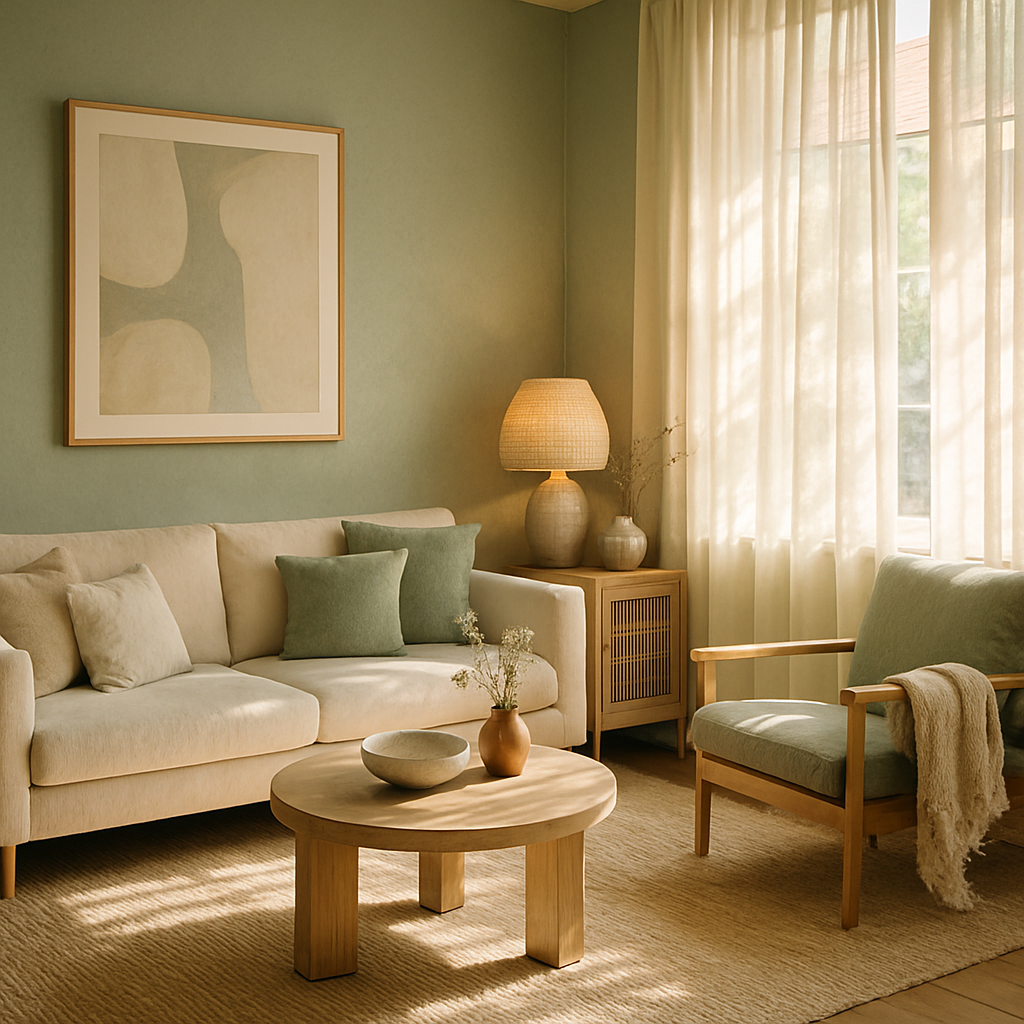
The debate between minimalism and maximalism has shaped residential interior design for decades, influencing everything from furniture selection to wall treatments and spatial planning. While minimalism champions restraint, clean lines, and purposeful emptiness, maximalism celebrates abundance, layered textures, and bold personal expression. According to the American Society of Interior Designers (ASID), nearly 40 percent of homeowners now describe their preferred aesthetic as a blend of both philosophies rather than a strict commitment to either end of the spectrum. This hybrid approach reflects a broader cultural shift toward intentional living spaces that balance visual calm with meaningful personal artifacts.
Professional interior designers typically charge between and per hour to help clients navigate these stylistic decisions, and per-room design projects can range from ,000 to ,000 depending on complexity. Understanding where you fall on the minimalism-maximalism spectrum before hiring a professional can save considerable time and money during the consultation phase. Have you ever walked into a room and felt immediately at home, without being able to articulate exactly why? That instinctive response often reveals your natural design inclination more accurately than any Pinterest board.
The Philosophy Behind Minimalism in Interior Spaces
Minimalism in interior design extends far beyond simply owning fewer things. Rooted in Japanese zen principles and the mid-century Bauhaus movement, minimalist design treats negative space as a deliberate compositional element rather than an absence. Every object in a minimalist room earns its place through function, beauty, or both. The International Interior Design Association (IIDA) has documented how minimalist principles have evolved from stark, cold environments into warm spaces that prioritize quality materials and thoughtful craftsmanship over visual clutter. This evolution has given rise to the Japandi trend, a fusion of Japanese minimalism and Scandinavian warmth that emphasizes natural materials, muted color palettes, and handcrafted furniture with organic silhouettes.
The practical benefits of minimalist design are well documented by both designers and behavioral researchers. Rooms with fewer visual distractions promote better focus, reduced anxiety, and improved sleep quality. A well-executed minimalist bedroom, for example, might feature a platform bed in solid walnut, linen bedding in neutral tones, and a single sculptural lamp on a floating nightstand. The key distinction between successful minimalism and a room that simply feels empty lies in material quality and spatial proportion. Designers certified through the National Council for Interior Design Qualification (NCIDQ) understand how to manipulate scale, light, and texture to create minimalist spaces that feel abundant rather than austere.
One common misconception is that minimalism requires an all-white palette. Contemporary minimalist interiors frequently incorporate earthy tones, warm grays, and deep charcoal alongside natural wood and stone. Biophilic design principles blend naturally with minimalism, as the inclusion of living plants, natural light, and organic textures adds warmth without adding clutter. The emphasis on sustainable materials in current minimalist practice also reflects growing environmental awareness, with designers sourcing reclaimed wood, recycled metals, and low-VOC finishes as standard practice. Does your current space make you feel calm and centered, or does it feel like something essential is missing? Answering that question honestly is the first step toward understanding whether minimalism truly suits your temperament.
Understanding Maximalism as Intentional Abundance
Maximalism is not chaos, and this distinction matters enormously. Skilled maximalist design follows deliberate compositional rules, layering patterns, textures, and colors within a cohesive framework that reflects the inhabitant's personality and history. Houzz trend reports consistently show that maximalist spaces generate the highest engagement on their platform, with gallery walls, bold wallpapers, and mixed-era furniture collections driving the most saves and shares. The difference between a maximalist room and a cluttered room is intention, curation, and an underlying sense of visual rhythm that ties disparate elements together.
Professional maximalist design often costs more per room than minimalist projects, with budgets frequently reaching the upper range of ,000 to ,000 for a single living space. This premium reflects the time required to source unique pieces, coordinate complex color relationships, and layer multiple patterns without creating visual fatigue. AD PRO has profiled several leading maximalist designers who describe their process as similar to composing music, establishing a dominant theme and then introducing counterpoints and harmonies that create depth. A maximalist dining room might combine a Victorian mahogany table with mid-century chairs upholstered in a botanical print, set against walls covered in a geometric paper, with a contemporary brass chandelier overhead tying every era together through metallic warmth.
The psychological appeal of maximalism lies in its capacity for storytelling. Every object can carry personal meaning, from inherited ceramics to textiles collected during travel. This approach aligns with the quiet luxury movement, where the emphasis shifts from minimalist restraint to richness of experience and material quality. Maximalist spaces often feel immediately welcoming because they communicate personality and warmth before a single word is spoken. For homeowners who find minimalist spaces austere or impersonal, maximalism offers a framework for surrounding themselves with beauty and memory without apology. The challenge is maintaining editorial discipline, knowing when to add and when to step back, which is where professional guidance becomes particularly valuable.
Identifying Your Natural Design Temperament
Before committing to either direction, it helps to conduct an honest inventory of your daily habits and emotional responses to different environments. ASID recommends a simple exercise: spend ten minutes in two very different retail environments, a spare, gallery-like boutique and a densely stocked vintage shop, and notice where your body physically relaxes. Your nervous system responds to spatial density before your conscious mind forms an opinion. People who feel energized by visual abundance and find spare rooms lonely or cold are natural maximalists. Those who feel overwhelmed by too many visual inputs and crave open sightlines and clear surfaces are natural minimalists. Neither response is superior; both reflect legitimate neurological differences in how individuals process environmental stimuli.
Your existing wardrobe often provides another reliable clue to your design inclination. People who gravitate toward capsule wardrobes with a limited neutral palette typically prefer minimalist interiors, while those whose closets feature bold prints, statement accessories, and diverse color stories tend to feel most comfortable in maximalist spaces. NCIDQ-certified designers often begin client consultations by reviewing not just inspiration images but also personal artifacts, favorite clothing, and travel photographs to identify authentic patterns of taste. This diagnostic process helps avoid the common pitfall of designing for an aspirational identity rather than your actual lived personality.
Smart home integration adds another dimension to this self-assessment. Minimalists tend to appreciate how smart home technology can eliminate visible hardware, replacing rows of switches with concealed voice-controlled systems and hiding speakers behind architectural panels. Maximalists, conversely, might enjoy integrating smart features into decorative objects, like a vintage radio housing converted to hold a wireless speaker system, or smart bulbs programmed to cycle through warm amber tones that enhance the richness of a layered interior. Your relationship with technology in your home can reveal whether you prefer things hidden or celebrated. Understanding these preferences before meeting with a designer, who may charge to per hour for consultation time, ensures productive sessions from the very first meeting.
The Art of Blending Both Approaches
The most compelling contemporary interiors often refuse to commit entirely to either camp, and this hybrid approach has become the dominant direction in current residential design. The strategy involves establishing a minimalist architectural shell, clean walls, uncluttered floor plans, and restrained built-in millwork, then populating specific zones with maximalist energy. A living room might feature a minimalist base of white plaster walls and a simple linen sofa, then introduce maximalist warmth through an oversized abstract painting, a layered rug arrangement, and a collection of ceramic vessels on a sculptural console. This room-within-a-room technique allows visual rest and visual stimulation to coexist without competing.
IIDA design award winners have increasingly favored this blended approach, recognizing that most people live more comfortably in spaces that offer both calm retreats and stimulating gathering areas. A practical application is to designate private spaces like bedrooms and bathrooms as minimalist sanctuaries, then allow shared spaces like kitchens, dining rooms, and libraries to carry more maximalist character. This zoning strategy accommodates different household members who may fall at different points on the spectrum, a common challenge in multi-person homes that designers navigate regularly. The Japandi influence is particularly useful here, as its emphasis on natural textures and handcrafted objects provides a middle ground that reads as neither starkly minimal nor overwhelmingly maximal.
AR/VR visualization tools have transformed how designers present these blended concepts to clients. Using augmented reality applications, homeowners can now preview how a maximalist gallery wall will look against their existing minimalist architecture before committing to a single nail hole. This technology reduces the anxiety that many people feel about adding bold elements to a restrained space, or conversely, about paring back a room they worry might feel empty. Several Houzz-affiliated design firms now offer virtual staging consultations at a fraction of the cost of traditional in-person visits, making this blended design process accessible to homeowners working within moderate budgets. The ability to experiment digitally before investing in physical changes represents a meaningful shift in how design decisions get made.
Common Mistakes When Committing to a Style
The most frequent error in minimalist design is confusing austerity with elegance. Removing everything from a room does not make it minimalist; it makes it bare. True minimalism requires investing more per piece, not less, because each object must justify its presence through exceptional craftsmanship, proportion, and material quality. A minimalist living room with a cheap flat-pack sofa and blank walls reads as unfinished rather than intentional. Designers who specialize in minimalist interiors typically allocate 60 to 70 percent of the total room budget to three or four anchor pieces, a sofa, a table, a light fixture, and perhaps a single artwork, ensuring each one commands attention on its own terms. Skipping this investment is the fastest path to a space that feels depressing rather than serene.
Maximalist mistakes tend to run in the opposite direction. The most common is accumulating without curating, adding objects because they are individually appealing without considering how they relate to what already exists in the space. Every maximalist room needs what designers call a through-line, a unifying element that connects disparate pieces. This might be a consistent color temperature, a recurring material like brass or velvet, or a thematic connection such as botanical motifs across different media. Without this connective tissue, a maximalist room becomes a storage unit with good lighting. AD PRO editors have noted that the most successful maximalist interiors typically restrict their full palette to five or six colors, even when incorporating dozens of patterns and textures within that range.
Another critical mistake applies to both philosophies: ignoring the room's architectural character. A minimalist approach in a Victorian brownstone with ornate crown molding and carved mantels creates an awkward tension between the architecture and the furnishings. Similarly, forcing maximalist decor into a mid-century modern home with low ceilings and horizontal lines can overwhelm the proportions that make the architecture work. Sustainable materials offer a bridge here, as reclaimed elements often carry enough character to honor historic architecture while supporting a cleaner overall composition. The best designers read the bones of a space before imposing any stylistic direction, allowing the architecture itself to suggest where on the minimalism-maximalism spectrum the interior should land. This architectural sensitivity is often what separates a -per-hour generalist from a -per-hour specialist.
Building a Practical Action Plan for Your Home
Start with one room rather than attempting a whole-house transformation. Choose the space where you spend the most waking hours, typically a living room or home office, and use it as a laboratory for testing your stylistic preferences. Remove everything nonessential from the room for one week and live with the emptiness. Notice your emotional response. Do you feel liberated and peaceful, or do you feel restless and disconnected? Then gradually reintroduce items one at a time, paying attention to the point at which the room begins to feel complete. This analog process is more reliable than any online quiz because it grounds the decision in your actual sensory experience rather than abstract preference.
Document your process with photographs taken from the same angle each day. This visual record reveals patterns you might not notice in real time, like a consistent preference for asymmetrical arrangements or a tendency to cluster objects in groups of three. Share these images with a prospective designer during your initial consultation, as they provide far more useful information than a folder of saved Pinterest images showing other people's homes. Designers working on a project percentage basis, typically 10 to 25 percent of total furnishing costs, will appreciate this diagnostic work because it accelerates the concept development phase and reduces costly mid-project direction changes.
Finally, give yourself permission to evolve. Your position on the minimalism-maximalism spectrum is not a permanent identity but a living preference that shifts with life circumstances, age, and experience. A young professional in a studio apartment might thrive with minimalism, then discover maximalist joy after inheriting family furniture and traveling widely. A parent drowning in children's clutter might crave minimalist discipline, then rediscover maximalist warmth once the household simplifies naturally. The homes that feel most authentic are those that reflect their inhabitants' current chapter rather than a fixed stylistic commitment. What story does your home tell about who you are right now, and does that story feel true?
The choice between minimalism and maximalism is less about picking a side and more about understanding your own relationship with space, objects, and visual stimulation. Whether you land firmly in one camp or discover that a thoughtful blend of both feels most natural, the goal remains the same: creating a home environment that supports your daily life and reflects your authentic personality. Consider scheduling a consultation with an ASID or NCIDQ-certified designer who can help translate your instinctive preferences into a coherent design plan. Start with that one-room experiment this weekend, remove everything, then rebuild intentionally, and let your honest responses guide every decision that follows.
More Articles You May Like



Comments
Post a Comment