Inside the Creative Process: How an Interior Design Studio Brings Dreams to Life
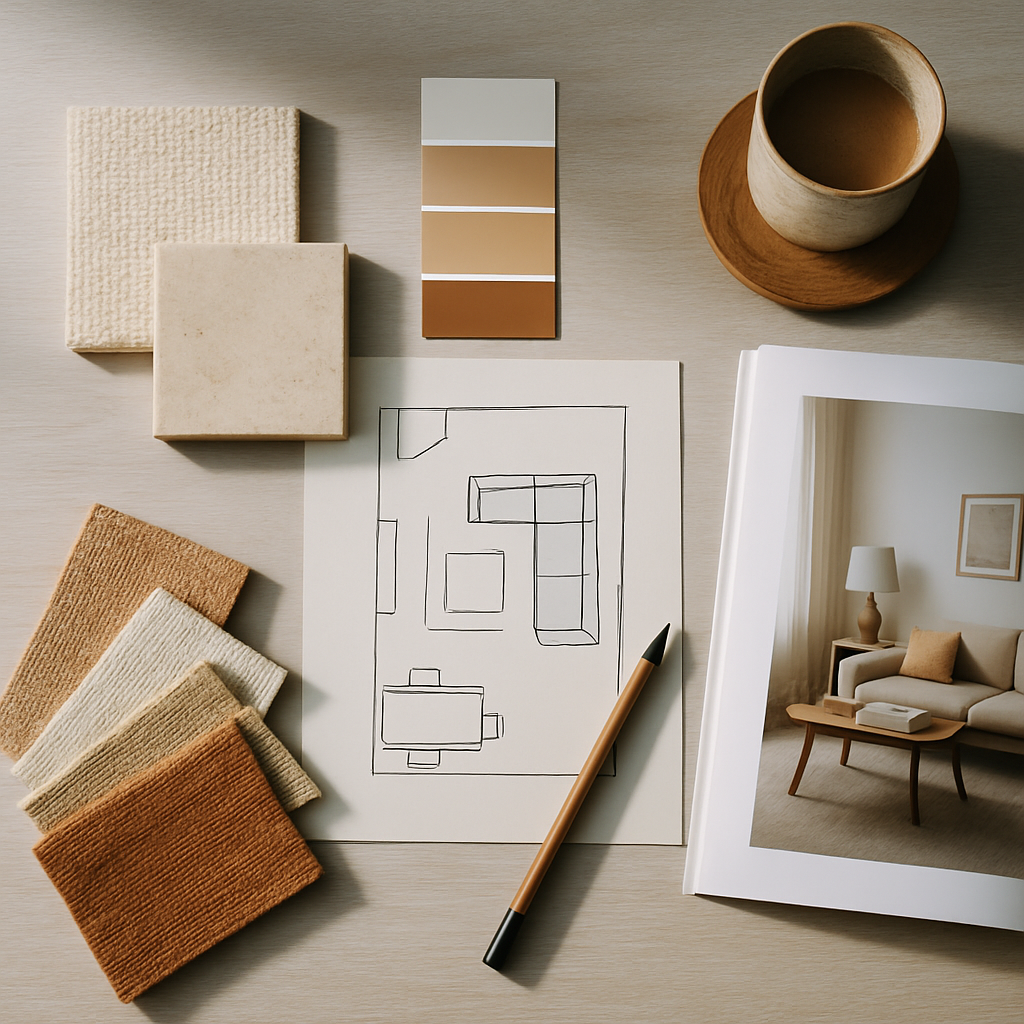
Imagine walking into a room that feels like it was crafted just for you, every detail reflecting your tastes and lifestyle. According to a Houzz survey, homeowners who invest in professional interior design see a 5-15% increase in their home's resale value. This statistic reveals the tangible benefits of skilled design, but how does an interior design studio transform a client's vision into reality? In this article, we delve into the creative process, exploring the foundational concepts, data-driven insights, and expert-level strategies that guide this journey. Whether you're considering a makeover for a single room or an entire home, understanding these processes can help you make informed decisions and achieve stunning results.
Understanding the Foundations of Interior Design
The journey of transforming a vision into a tangible interior begins with understanding the foundational concepts of interior design. At its core, interior design is about creating spaces that are not just aesthetically pleasing but also functional and reflective of the occupants' personality. Certified interior designers, often holding credentials like the NCIDQ (National Council for Interior Design Qualification), bring a wealth of knowledge to the table. They ensure that every element, from color palettes to furniture placement, aligns with the principles of design harmony.
One of the key aspects that experienced professionals often note is the balance between form and function. For example, a design might feature a stunning piece of art that draws the eye, yet the surrounding furniture must harmonize with this focal point to maintain a cohesive look. The American Society of Interior Designers (ASID) plays a crucial role in setting these standards, offering guidelines that help designers create spaces that are as practical as they are beautiful.
Moreover, understanding the client's lifestyle is paramount. Designers typically conduct detailed interviews to ascertain how spaces are used daily. Do you entertain often, or is your home a sanctuary for relaxation? Such questions help designers tailor their approach, ensuring that the resulting space not only meets but exceeds client expectations. This foundational stage sets the tone for the entire project, establishing a clear vision that guides subsequent phases.
The Role of Data and Research in Design
In the world of interior design, data and research play a critical role in ensuring that the creative process aligns with contemporary trends and client needs. According to a recent survey conducted by Houzz, the average homeowner spends between $5,000 and $15,000 on a single room redesign. This statistic underscores the importance of making informed choices that maximize both aesthetic appeal and budget efficiency.
Design studios often rely on industry research to keep abreast of emerging trends and technologies. For instance, the integration of smart home features-such as automated lighting and climate control-is rapidly becoming a staple in modern design projects. By staying informed, designers can offer clients the latest innovations, enhancing both the functionality and appeal of their spaces.
Furthermore, research is instrumental in understanding material longevity and sustainability. With a growing emphasis on eco-friendly design practices, studios are increasingly recommending sustainable materials like reclaimed wood and recycled metals. According to the International Interior Design Association (IIDA), sustainable design not only benefits the environment but also contributes to healthier living spaces, a factor that is becoming a priority for many homeowners. By leveraging data and research, designers can make recommendations that align with both client preferences and industry standards.
Strategies for Bringing Design Concepts to Life
Once the foundational concepts are established and data has informed the design direction, the next step involves developing actionable strategies to bring the design concepts to life. One of the most effective strategies is the use of AR/VR room visualization tools. These technologies allow clients to virtually walk through their redesigned space before any physical changes are made, providing a clear picture of the final outcome.
Another strategy involves phased project management, where the design and implementation are broken down into stages: concept development, design presentation, procurement, installation, and styling. This approach not only helps in managing project timelines but also ensures that each phase is executed with precision and attention to detail. It allows for adjustments and refinements along the way, ensuring the final design aligns with the initial vision.
Moreover, communication is key throughout the design process. Regular updates and meetings with clients ensure that their feedback is incorporated, making them an integral part of the creative journey. Have you considered how you might communicate your vision to a design team effectively? Open and ongoing dialogue is crucial to a successful partnership, ensuring that both parties are aligned and satisfied with the progress at every stage.
Expert-Level Insights from the Design Industry
For those seeking a deeper understanding of how interior design studios operate, expert insights reveal the nuanced complexities of the industry. One notable aspect is the fee structure, which can vary significantly depending on the project's scope. Designers may charge a flat fee, an hourly rate (typically ranging from $150 to $500 per hour), or a percentage of the total project cost, which usually falls between 10-25%. Understanding these options can help clients budget effectively and choose the best financial arrangement for their needs.
Additionally, the importance of professional credentials cannot be overstated. Designers with qualifications like the NCIDQ or membership with organizations such as the ASID and IIDA bring a level of professionalism and expertise that ensures high-quality outcomes. These credentials are a testament to a designer's commitment to maintaining industry standards and continuously improving their craft.
Experienced professionals also emphasize the significance of a well-curated portfolio. Reviewing a designer's past work can provide invaluable insights into their style and capabilities. Platforms like Houzz and Architectural Digest's AD PRO offer extensive galleries of designer portfolios, helping clients find a match that resonates with their aesthetic preferences. By leveraging these resources, clients can make informed decisions about which studio to partner with for their project.
Additional Depth: Tailoring Design to Client Lifestyles
While the technical aspects of interior design are critical, tailoring designs to accommodate the unique lifestyles of clients is where the magic truly happens. This requires designers to delve deeply into the daily routines and personal preferences of their clients. For instance, a family with young children might prioritize durable materials and ample storage, while a single professional might focus on creating an ideal space for entertaining.
Designers often conduct lifestyle assessments to gather this information, asking questions about daily activities, favorite colors, and even travel experiences. Such insights allow them to weave personal elements into the design, creating spaces that are deeply personalized and meaningful. Have you thought about which personal stories or experiences you might want to see reflected in your home's design?
The integration of personal artifacts and heirlooms is another way to tailor spaces to clients' lives. Designers might suggest incorporating a client's travel souvenirs or family photos into the decor, adding layers of story and sentiment to the design. This personalized approach not only enhances the aesthetic appeal but also fosters a strong emotional connection to the space, making it truly feel like home.
Final Perspectives on the Design Process
The journey of interior design is as much about creativity as it is about collaboration and communication. An effective partnership between clients and designers can transform a simple idea into a breathtaking reality. As you embark on your own design journey, consider how open communication and a clear vision can shape the success of your project.
It is also essential to remain flexible and open to new ideas throughout the process. Design is an evolving art form, and sometimes the most unexpected choices yield the most stunning results. Are you ready to embrace the creative process and see where it leads your design vision?
In conclusion, by understanding the intricacies of how an interior design studio operates-from foundational concepts to advanced strategies-you can better appreciate the value they bring to transforming your space. With the right team, your dream interior is within reach.
Conclusion: Your Next Steps in Interior Design
In summary, the creative process in interior design involves a delicate balance of art and science, underpinned by thorough research, strategic planning, and a deep understanding of client needs. As you contemplate your next interior project, remember the importance of choosing a studio that aligns with your vision and values. Start by browsing designer portfolios on platforms like Houzz and Architectural Digest's AD PRO. Even just 20 minutes of research can sharpen your eye for what you want and help you find a designer whose style resonates with yours.
Ready to take the first step? Reach out to a certified interior designer today and discuss your ideas. Their expertise can transform your aspirations into a beautifully realized space that enhances your daily life. Don't wait-begin your design journey now and see your dreams come to life.



Comments
Post a Comment