5 Key Elements of Organic Modern Interior Design You Need to Know
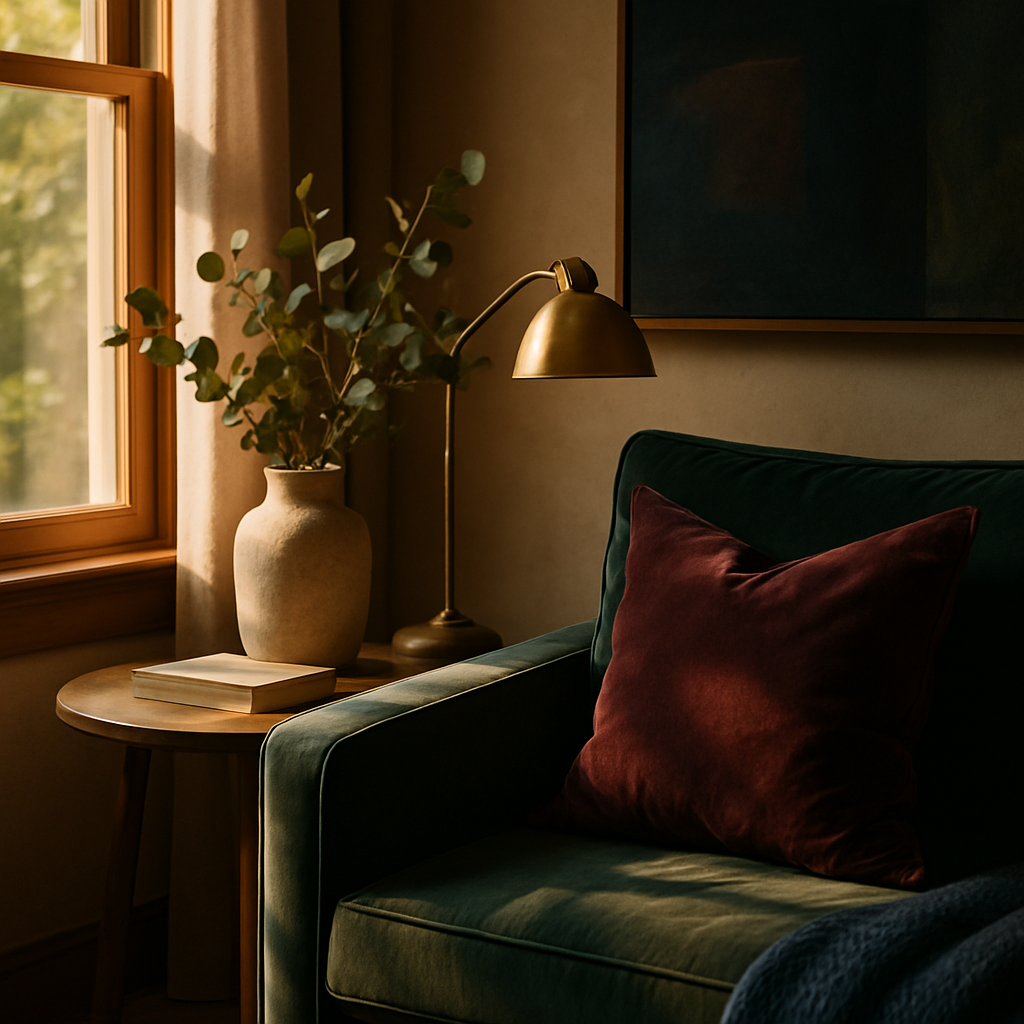
Did you know that homes with well-designed interiors can yield a 5-15% higher resale value? This statistic, often cited in industry circles, underscores the importance of not just any design, but thoughtful, impactful design that stands the test of time. One such enduring style is organic modern interior design, which marries the warmth of natural materials with the sleek lines of modern aesthetics. This article will explore the foundational concepts of organic modern design, delve into its core elements, and offer actionable strategies for incorporating this style into your home. By the end, you'll have a comprehensive understanding of how to transform your spaces into serene yet sophisticated environments.
The Core of Organic Modern Design: Balance and Harmony
At the heart of organic modern interior design lies a delicate balance between nature and modernity. This style emphasizes the use of natural materials such as wood, stone, and metal, which bring warmth and texture into a space. These elements are paired with modern design principles like clean lines and minimalistic décor to create environments that feel both sophisticated and welcoming. This juxtaposition not only fosters visual interest but also promotes a sense of tranquility.
To achieve this harmony, experienced professionals often recommend starting with a neutral color palette. Shades of white, beige, and gray serve as a backdrop that enhances the natural beauty of organic materials. According to the American Society of Interior Designers (ASID), neutral tones allow for greater flexibility in layering textures and incorporating statement pieces without overwhelming the space. This approach ensures that each element, from a reclaimed wood coffee table to a sleek metal floor lamp, contributes to the overall aesthetic.
Beyond aesthetics, the philosophy of organic modern design is rooted in creating spaces that encourage a connection to the natural world. This means integrating organic shapes and forms that mimic nature's imperfections. Whether it's a curved sofa or an irregularly shaped stone sculpture, these pieces introduce a softness that contrasts with the rigidity often found in modern design. As you consider your own space, how might you incorporate these elements to create a sanctuary that feels both grounded and contemporary?
Understanding these foundational principles sets the stage for a deeper dive into the specific elements that define organic modern style.
Natural Materials: The Backbone of Organic Modernity
Natural materials are the cornerstone of organic modern design, providing texture and depth that synthetic materials often lack. According to Houzz, a leading platform for home renovation and design, incorporating materials like reclaimed wood, stone, and metal not only enhances aesthetic appeal but also supports sustainability. In a 2023 survey by Houzz, 67% of homeowners expressed a preference for eco-friendly materials, highlighting a growing trend towards sustainable design.
Consider using reclaimed wood for flooring or accent walls. Its weathered texture and unique grain patterns can add a rustic charm that complements modern furnishings. Similarly, stone can be used in countertops or as a statement wall to impart a sense of permanence and stability. Metal elements, such as brushed steel or blackened iron, can be introduced through fixtures and hardware to add a sleek, modern edge.
However, it's not just about selecting these materials; it's about how they are deployed within a space. The key is to ensure that each material is showcased naturally, allowing its inherent qualities to shine. For instance, a live-edge wooden dining table can become the focal point of a room, drawing attention to its organic form. As you evaluate your current space, where can you integrate natural materials to enhance both form and function?
With natural materials firmly in place, the next step is to explore how these elements can be layered to create complexity and interest.
Layering Textures: Creating Depth and Interest
Layering textures is a critical component of organic modern design, adding depth and visual complexity to a space. This technique involves combining different materials, fabrics, and finishes to create a rich, tactile experience. According to the International Interior Design Association (IIDA), successful texture layering can transform a flat, uninspired room into a dynamic environment that invites interaction and exploration.
Begin by introducing textiles such as wool, linen, and cotton in the form of area rugs, throws, and cushions. These materials not only provide comfort but also contribute to the warmth of the space. Consider using rugs with subtle patterns or natural fibers to add interest without overpowering the room. Additionally, incorporating various finishes, such as matte, glossy, or distressed, can further enhance the interplay of textures.
An often-overlooked aspect of texture layering is the role of light. Natural and artificial lighting can dramatically affect how textures are perceived. For instance, a strategically placed lamp can highlight the weave of a linen curtain or the grain of a wooden table. As you refine the textures in your space, how might different lighting choices enhance your design?
Having mastered texture, we now shift our focus to the subtle yet profound impact of color within the organic modern palette.
The Subtle Power of Color in Organic Modern Spaces
Color in organic modern design serves as a subtle yet powerful tool to evoke emotion and set the tone of a space. While the style predominantly relies on a neutral palette, pops of color can be used strategically to create focal points and draw attention to specific elements. According to Architectural Digest, the judicious use of color in design can influence not only the aesthetics but also the mood and energy of a room.
Incorporate accent colors through artworks, decorative objects, or even plant life. For instance, a vibrant piece of abstract art can serve as a conversation starter, while a lush green plant can introduce a touch of nature indoors. The key is to maintain balance, ensuring that no single color overwhelms the space. This approach aligns with the principles of biophilic design, which emphasizes a connection to nature through color and form.
Moreover, consider the psychological effects of color. Soft blues and greens can evoke tranquility, while earthy tones like terracotta or ochre can add warmth. Experienced professionals often note that even small accents, like a set of colored vases or cushions, can transform the ambiance of a room. In your own design journey, how do you envision color playing a role in shaping your space's atmosphere?
With a clear understanding of color's role, we turn to the innovative tools that are revolutionizing the way designers visualize and plan organic modern interiors.
Embracing Technology: Design Visualization and Planning Tools
In the realm of organic modern interior design, technology has become an invaluable ally, offering tools that help bring design concepts to life with precision and clarity. Augmented reality (AR) and virtual reality (VR) technologies, for instance, allow homeowners and designers to visualize spaces in three dimensions before a single nail is hammered. According to the National Council for Interior Design Qualification (NCIDQ), these tools provide significant advantages in the planning phase, reducing errors and enhancing client satisfaction.
Platforms such as SketchUp and AutoCAD have long been staples in the design industry, enabling detailed floor plans and 3D renderings. However, newer tools like RoomSketcher and Homestyler are democratizing access to these capabilities, offering user-friendly interfaces that cater to both professionals and DIY enthusiasts. By leveraging these technologies, you can experiment with different layouts, materials, and color schemes to find the perfect balance for your organic modern space.
Furthermore, smart home integration, including automated lighting and climate control, is becoming increasingly essential in modern designs. These systems not only enhance convenience but also contribute to the overall aesthetic by decluttering spaces and allowing for seamless, hidden technology. As you explore these tools, how might they assist in planning and refining your design vision?
With technology as a guide, we conclude with a reflection on the transformative potential of organic modern design.
Transformative Potential: Enhancing Well-Being through Design
At its core, organic modern interior design is about more than aesthetics; it's about creating spaces that enhance well-being and foster a sense of peace. The integration of natural elements, thoughtful textures, and strategic color use can transform a home into a sanctuary that supports not only physical comfort but also mental clarity and emotional balance.
Research from the American Institute of Architects (AIA) suggests that well-designed environments can improve mood, increase productivity, and even boost creativity. By incorporating elements of nature, such as indoor plants or natural light, you can create spaces that promote relaxation and rejuvenation. This holistic approach to design aligns with the principles of biophilic design, which seeks to reconnect individuals with the natural world.
As you consider the transformative potential of your own living spaces, what steps can you take to align your environment with these principles? Whether it's through small adjustments or a complete redesign, the journey towards a harmonious, organic modern home offers both challenges and rewards that extend beyond the visual to the experiential.
With these insights in mind, let's bring our discussion to a close with actionable steps to implement these ideas.
Conclusion: Embark on Your Organic Modern Design Journey
In conclusion, organic modern interior design offers a compelling blend of natural beauty and modern sophistication, creating spaces that are as functional as they are aesthetically pleasing. By understanding and applying the key elements-balance and harmony, natural materials, texture layering, color use, and technology-you can transform your home into a sanctuary that reflects your personal style and enhances your quality of life.
Now is the time to take these insights and apply them to your own spaces. Start by browsing designer portfolios on platforms like Houzz or Instagram to gather inspiration and identify elements that resonate with you. Even dedicating just 20 minutes to research this week can sharpen your eye for what you want in your home.
Ultimately, the journey of incorporating organic modern design into your life is a deeply personal one, filled with opportunities to create spaces that nurture and inspire. How will you begin this transformative process?



Comments
Post a Comment