Minimalism vs. Maximalism: Finding the Perfect Balance in Modern Interior Design
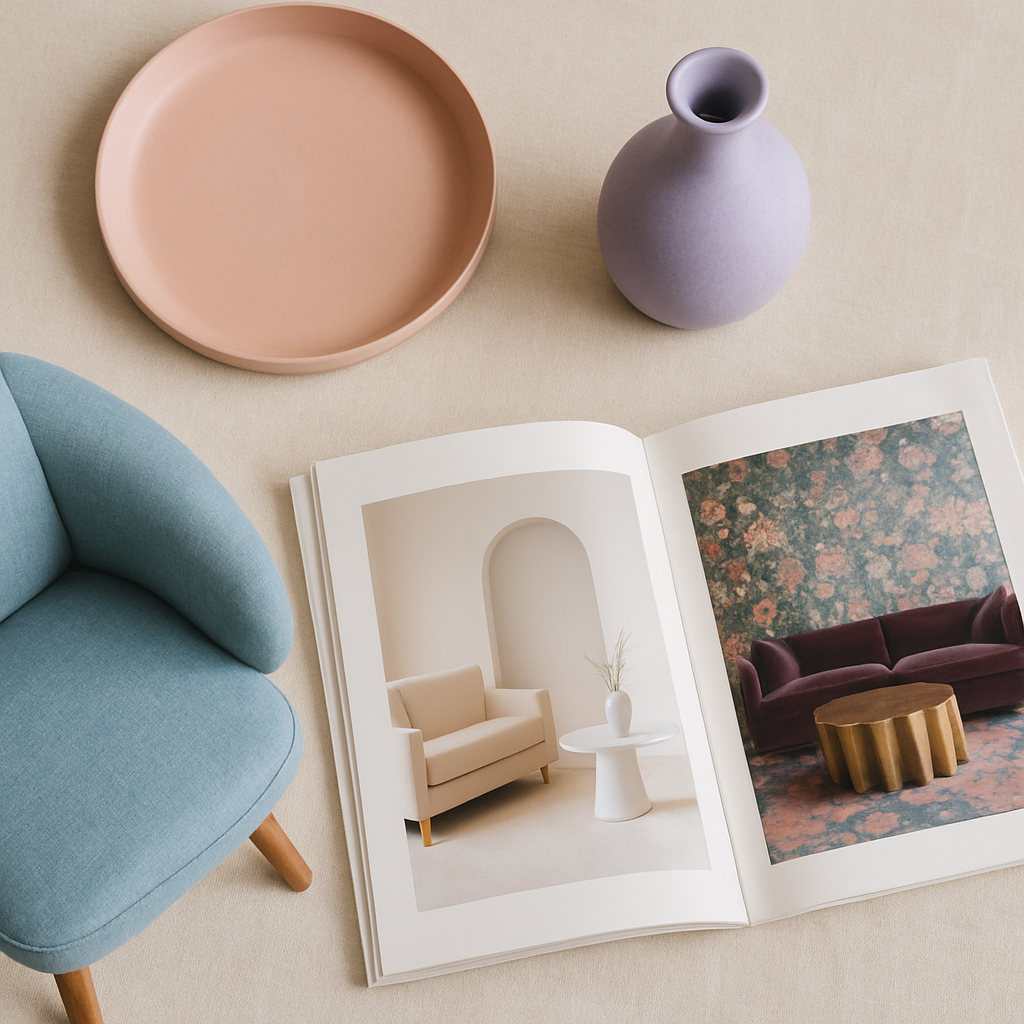
Imagine walking into a room where every object has a purpose, yet the space feels vibrant and full of personality. This is the magic of balancing minimalism and maximalism in interior design. While minimalism focuses on simplicity and functionality, maximalism embraces boldness and detail. According to a recent Houzz survey, homeowners are increasingly interested in combining these styles, reflecting a broader trend in modern interior design. This article will explore the foundational concepts of both design philosophies, provide data-driven insights, offer actionable strategies, delve into expert-level details, and conclude with final perspectives on how to achieve harmony in your living space.
Understanding Minimalism and Maximalism
Minimalism in interior design emphasizes simplicity, functionality, and the use of limited color palettes. It is characterized by clean lines, uncluttered spaces, and the principle of 'less is more.' Minimalism focuses on creating a serene environment where each element serves a purpose. This style often appeals to those who prefer a calming atmosphere and a distraction-free living space. Its roots can be traced back to the modernist movement of the early 20th century, which rejected ornamentation in favor of practicality.
In contrast, maximalism celebrates abundance, color, and detail. This design approach encourages the layering of textures, patterns, and eclectic pieces to create a vibrant and dynamic space. Maximalism draws inspiration from the Baroque and Rococo periods, where opulence and exuberance were celebrated. It's a style that allows personal expression through bold choices and curated collections. For those who thrive in visually stimulating environments, maximalism offers a playground of creativity.
Both styles have their merits, and understanding the fundamental principles of each can help you decide which elements to incorporate into your own home. Whether you lean towards minimalism's serene spaces or maximalism's lively aesthetics, the key is to understand how these styles impact the functionality and feel of your space. As we delve deeper, consider which aspects resonate most with your personal taste and lifestyle.
Data-Driven Insights into Design Preferences
Industry surveys suggest that the preference for mixing minimalism and maximalism is growing. According to the ASID (American Society of Interior Designers), more than 60% of their members reported that clients are seeking to combine elements of both styles to create unique and personalized spaces. This trend is driven by a desire for interiors that are not only aesthetically pleasing but also reflective of individual personalities and lifestyles.
The financial aspect is another critical factor influencing design choices. The Houzz annual survey data reveals that the average spending on home renovations can range from $5,000 to $15,000 for a single room redesign. A well-executed design, whether minimalist or maximalist, can increase a property's resale value by 5-15%. This potential return on investment encourages homeowners to be strategic in their design decisions, balancing style with financial prudence.
Furthermore, sustainability is increasingly important in modern design. According to the IIDA (International Interior Design Association), there is a growing demand for sustainable materials and eco-friendly designs. Whether opting for minimalist natural materials or maximalist reclaimed treasures, sustainability remains a priority. As we move into actionable strategies, consider how these data points can inform your decisions and align with your values.
Actionable Strategies for Balancing Both Styles
Finding the perfect balance between minimalism and maximalism requires thoughtful planning and execution. Start by identifying the primary function of each room. Consider the activities that take place there and the mood you want to create. For example, a minimalist approach might be suitable for a study area to promote focus, while a maximalist approach could work well in a living room designed for socializing.
Next, focus on a color palette that supports your design goals. Minimalist spaces often use neutral tones to create a sense of calm, while maximalist spaces can incorporate bold colors and patterns. However, a balanced design might use a neutral base with pops of color provided by accessories or artwork. This approach allows flexibility and can be easily adjusted over time.
Finally, curate your furnishings and décor with intention. Experienced professionals often note the importance of choosing quality over quantity. In a balanced space, each piece should contribute to the overall design without overwhelming it. Layering textures and materials can add depth to a minimalist space, while editing collections can bring clarity to a maximalist environment. Transitioning into expert-level details, let's explore how industry professionals achieve this balance.
Expert-Level Insights on Integration
Professionals in the interior design field, such as those with NCIDQ (National Council for Interior Design Qualification) credentials, often emphasize the importance of conceptual development in achieving a balanced design. This phase involves working closely with clients to understand their preferences and translating these into a cohesive plan. Designers may use mood boards and digital renderings to visualize the integration of minimalist and maximalist elements.
Another critical aspect is the procurement of furnishings and materials. Experts suggest focusing on timeless pieces that can anchor a room while allowing for the interchange of more expressive elements. This strategy not only ensures longevity but also provides flexibility in design updates. Procurement markups on furniture can range from 10-25%, making it essential to budget accordingly and prioritize key investments.
Installation and styling are where the vision comes to life. Designers often use strategic placement and lighting to highlight specific aspects of both design styles. For example, a statement light fixture in a minimalist setting can become a focal point, while in a maximalist room, it might complement a gallery wall. As we move towards additional depth, consider how these expert practices can be adapted for personal projects.
Additional Depth: Tools and Technologies
The integration of technology in interior design has revolutionized how spaces are conceptualized and executed. AR/VR room visualization tools allow designers and clients to explore different configurations and styles before making any physical changes. This technology is especially useful for balancing minimalism and maximalism, as it provides a clear visual of how these elements interact in a space.
Platforms like Houzz and Pinterest offer extensive resources for inspiration and planning. Homeowners can browse thousands of images and save ideas that resonate with their vision. These platforms also provide access to designer portfolios, which can be invaluable in selecting the right professional to assist with your project.
Moreover, smart home integration is becoming a staple in modern design, allowing for seamless control of lighting, climate, and automated window treatments. These technologies can enhance both minimalist and maximalist spaces by adding a layer of convenience and efficiency. As we conclude, consider how these tools can support your journey towards a balanced design.
Final Perspectives on Design Balance
Balancing minimalism and maximalism in interior design is both an art and a science. It requires a deep understanding of each style's principles, a strategic approach to design execution, and the willingness to adapt and evolve. As design trends continue to shift, the ability to blend these styles offers a dynamic way to create spaces that are both functional and uniquely personal.
Ultimately, the goal is to create a home that reflects your personality while meeting your practical needs. Whether you lean towards the calm simplicity of minimalism or the vibrant expressiveness of maximalism, the choice is yours. As you embark on your design journey, remember that the perfect balance is one that feels right for you and your lifestyle.
Conclusion: Your Next Steps in Design
In summary, achieving the perfect balance between minimalism and maximalism involves understanding the core tenets of each style, leveraging data-driven insights, employing actionable strategies, and utilizing expert techniques and modern technologies. This approach not only enhances the aesthetic value of your space but also supports its functionality and potential resale value.
So, what's your next step? Start by browsing designer portfolios on platforms like Houzz or Pinterest this week. Even 20 minutes of research will sharpen your eye for what you want. Then, consider reaching out to a professional designer who can help translate your vision into reality. The journey toward a balanced interior is an exciting one, and with the right guidance, your dream space is within reach.



Comments
Post a Comment