Maximize Small Spaces: Innovative Interior Design Ideas for Every Room
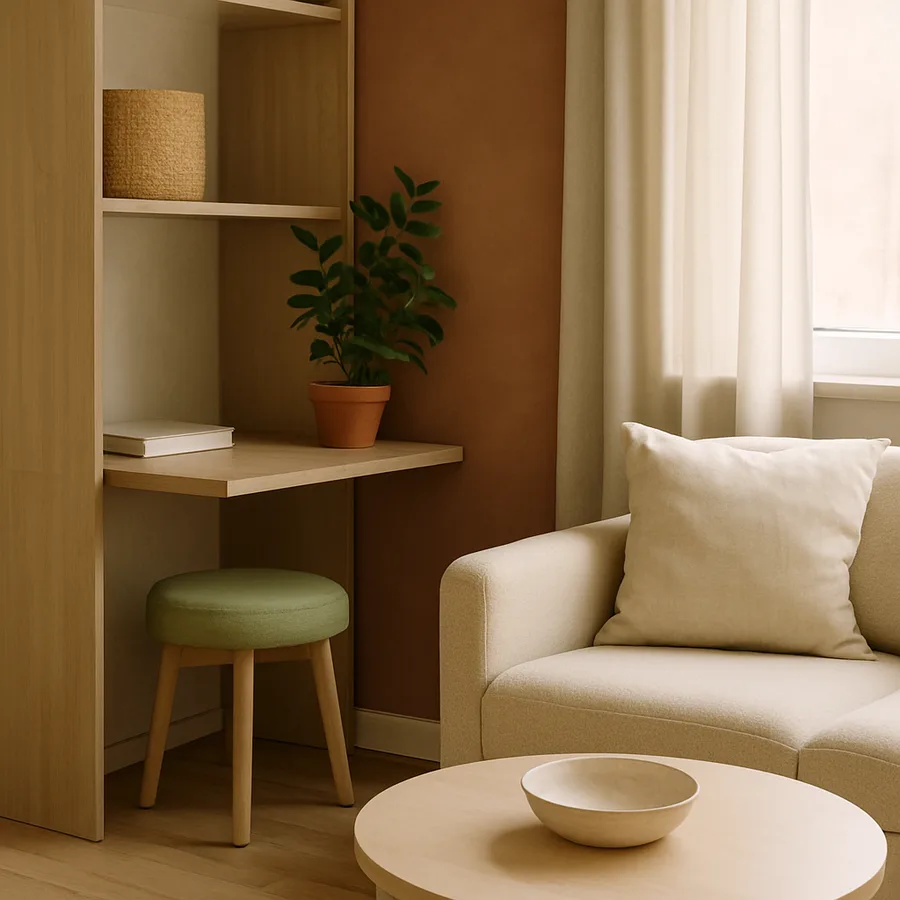
Living in a small space does not mean sacrificing style, comfort, or functionality. In fact, some of the most creative and inspiring interiors emerge precisely from the challenge of working within limited square footage. The constraints of a compact home force designers and homeowners to think more inventively about every decision, from furniture placement to storage solutions, from color choices to lighting strategies. According to the American Society of Interior Designers (ASID), demand for small-space design consultations has increased by over 40% in recent years, driven by urbanization, rising housing costs, and a growing appreciation for the benefits of more intentional, less cluttered living. Small spaces, when designed thoughtfully, can feel surprisingly spacious, endlessly functional, and deeply personal.
The principles of small-space design are rooted in efficiency, multi-functionality, and visual trickery, but they need not result in cold, utilitarian environments. The International Interior Design Association (IIDA) emphasizes that successful compact design balances practicality with warmth, ensuring that spaces optimized for function also deliver on comfort and aesthetic appeal. This means choosing furniture that works harder, storage solutions that disappear into the architecture, and design strategies that create the illusion of more room than actually exists. The best small-space interiors feel curated and intentional rather than cramped and compromised.
Whether you live in a studio apartment, a compact urban townhouse, or a modest suburban home where certain rooms feel too tight for their intended purpose, the ideas in this guide will help you rethink your relationship with space. Have you ever wondered why some small rooms feel airy and inviting while others of identical size feel claustrophobic and cluttered? The answer lies not in the dimensions of the room but in the design decisions made within it. Let us explore room-by-room strategies for making every square foot count.
Strategic Furniture Selection and Placement
The furniture you choose and where you place it has the single greatest impact on how spacious a small room feels. Oversized pieces that dominate a compact room create visual congestion and limit movement, while furniture scaled appropriately to the space maintains breathing room and flow. Designers certified by the National Council for Interior Design Qualification (NCIDQ) recommend measuring rooms precisely and creating floor plans before purchasing any furniture, a step that prevents costly mistakes and ensures every piece fits harmoniously within the space. Furniture with exposed legs, rather than pieces that sit directly on the floor, allows the eye to travel beneath them, creating a sense of openness and lightness. Glass, acrylic, and slim metal-framed pieces serve the same purpose, providing function without visual bulk.
Multi-functional furniture is the cornerstone of effective small-space design. A dining table that doubles as a desk, a storage ottoman that serves as extra seating, a daybed that transitions from sofa to guest bed, and a coffee table with built-in drawers or shelves all represent smart investments for compact living. Wall-mounted options, including floating desks, fold-down tables, and wall-hung nightstands, free up valuable floor space while providing essential surfaces when needed. According to Houzz, 68% of homeowners in small-space environments ranked multi-functional furniture as their most valuable design investment, citing both space savings and reduced need for additional pieces.
Placement is equally critical. Resist the instinct to push all furniture against the walls, a common mistake that paradoxically makes small rooms feel smaller by creating a dead zone in the center. Instead, float furniture slightly away from walls where possible, create intimate conversational groupings, and allow for clear pathways that promote easy movement through the space. In a small living room, a sofa placed perpendicular to the wall can define a seating area while maintaining visual flow to other zones. A round dining table navigates tight spaces more efficiently than a rectangular one, eliminating sharp corners that impede traffic. Every furniture decision in a small space should be deliberate, purposeful, and tested against the question: does this piece earn its place in this room?
Vertical Storage and Hidden Organization
When floor space is at a premium, the most underutilized resource in most homes is vertical wall space. Thinking vertically transforms walls from passive boundaries into active storage and display surfaces, dramatically increasing a room's capacity without consuming a single additional square foot of floor area. Floor-to-ceiling shelving, wall-mounted cabinets, pegboards, hooks, and hanging organizers all exploit this vertical dimension effectively. The ASID notes that vertical storage solutions can increase a small room's functional storage capacity by up to 30% compared to traditional furniture-based storage approaches. The key is to install these solutions with aesthetic consideration, ensuring they contribute to the room's visual appeal rather than creating a cluttered, warehouse-like feeling.
Hidden storage represents the other half of the small-space organization equation. The most serene and spacious-feeling small interiors are those where clutter has been eliminated not by discarding possessions but by concealing them within the architecture and furnishings of the room. Beds with built-in drawers beneath the mattress platform, benches with lift-up seats, staircases with integrated cupboards, and custom cabinetry designed to fill awkward niches and alcoves all serve this purpose. In kitchens, ceiling-mounted pot racks, magnetic knife strips, and door-mounted spice organizers free up counter and cabinet space for everyday essentials. In bathrooms, recessed medicine cabinets, over-door organizers, and tiered shower caddies maximize storage in the smallest rooms of the house.
What organizational strategies work best for maintaining order in a small space over time? The answer combines smart infrastructure with disciplined habits. Assign every item in your home a specific, designated storage location, and commit to returning items to their places after use. Adopt a one-in, one-out policy for new acquisitions, ensuring your possessions do not gradually exceed your storage capacity. Invest in uniform storage containers, matching baskets, or coordinated boxes for shelves and closets, which create visual order even when they contain miscellaneous items. A well-organized small space feels calm and intentional, while the same space without organizational systems quickly devolves into chaos that makes the room feel even smaller than it is.
Light, Color, and the Illusion of Space
Color and light are the most powerful tools available for manipulating the perceived size of a room. Light colors, particularly white, cream, and soft pastels, reflect more light than darker hues, making walls appear to recede and rooms feel more open and airy. This principle, well established in design theory and confirmed by research from the International Interior Design Association (IIDA), does not mean every small room must be painted stark white. Warm whites, soft grays, pale sage greens, and dusty blues all expand the visual sense of space while providing more character and warmth than clinical white. The ceiling should generally be painted the lightest color in the room, as a bright ceiling draws the eye upward and creates a sense of height.
Natural light is the single most effective space-expanding element, and maximizing it should be a priority in every small room. Keep window treatments minimal and sheer to allow maximum light penetration, or mount curtain rods well above and beyond the window frame to create the illusion of larger windows and higher ceilings. Mirrors strategically placed opposite windows or light sources effectively double the perceived depth of a room by reflecting both light and the view back into the space. A large mirror on a wall can transform a cramped corridor into a seemingly spacious gallery, or make a tiny dining area feel twice its actual size. The NCIDQ curriculum includes extensive training on light manipulation techniques, underscoring their importance in professional design practice.
Artificial lighting plays a supporting role in maintaining the illusion of space after dark. Recessed ceiling lights, wall-mounted sconces, and LED strip lighting all provide illumination without the physical bulk of table and floor lamps, which consume valuable surface and floor area. Under-cabinet lighting in kitchens and bathrooms brightens work surfaces while making the room feel larger and more polished. Avoid harsh, centrally located overhead fixtures that cast unflattering shadows and flatten the room's depth. Instead, distribute light sources around the room's perimeter and at varying heights to create a sense of dimension and openness that persists even after sunset.
Kitchen Innovations for Compact Cooking Spaces
The kitchen presents unique challenges in small-space design because it must accommodate fixed elements, appliances, plumbing, ventilation, and significant storage requirements within what is often the most compact room in the home. Yet small kitchens can be extraordinarily efficient and even enjoyable to work in when designed with ingenuity and attention to workflow. The classic kitchen work triangle, the relationship between refrigerator, sink, and stove, becomes even more critical in compact spaces, where minimizing unnecessary movement between these stations directly impacts cooking efficiency and comfort. Houzz data shows that small-kitchen renovations deliver some of the highest satisfaction rates among homeowners, precisely because the improvements are so immediately and tangibly felt in daily use.
Maximizing counter space in a small kitchen requires creative solutions that go beyond the standard cabinetry layout. A butcher block on wheels can serve as both prep surface and island, then roll out of the way when not in use. Fold-down wall-mounted tables provide additional workspace that disappears when cooking is complete. Over-the-sink cutting boards and stove-top covers create temporary surfaces from otherwise single-purpose fixtures. Vertical storage, including wall-mounted magnetic strips for knives, pegboards for utensils, ceiling-hung pot racks, and tiered shelf inserts for cabinets, keeps essentials accessible without consuming counter real estate. Every surface in a small kitchen should serve at least one purpose, and ideally two.
Appliance selection also plays a critical role in small kitchen design. Counter-depth refrigerators, slim dishwashers, combination microwave-convection ovens, and compact range hoods are all designed specifically for tight spaces without sacrificing essential functionality. Consider which appliances you genuinely use and eliminate those that merely occupy space: a bulky stand mixer used twice a year may not justify its permanent counter presence, while a frequently used coffee maker certainly does. The principle of editing, keeping only what you truly need and use, applies with particular force in the kitchen, where every square inch of counter and cabinet space is precious.
Bathroom Solutions That Feel Spa-Like
Small bathrooms are among the most challenging spaces to design well, yet they also offer some of the most rewarding opportunities for creative problem-solving. A cramped, poorly organized bathroom can start every day on a frustrating note, while a well-designed compact bathroom can deliver a surprisingly luxurious experience. The ASID reports that bathroom renovations consistently rank among the top three home improvement projects in terms of homeowner satisfaction and return on investment. In small bathrooms, the guiding principle is simplicity: clean lines, minimal clutter, continuous surfaces, and a restrained material palette create an environment that feels calm, clean, and much larger than its actual dimensions.
Fixture selection is paramount in a small bathroom. Wall-mounted toilets and floating vanities free up floor space and make the room easier to clean, both of which contribute to a more spacious feel. Corner sinks and compact vessel sinks serve their function without dominating the room. Walk-in showers with frameless glass enclosures, or even open wet-room designs without any enclosure at all, eliminate the visual barrier of a shower curtain or framed door, allowing the eye to travel uninterrupted across the full extent of the room. If a bathtub is essential, Japanese soaking tubs provide a deep, luxurious bathing experience in a fraction of the footprint required by a standard tub.
How can you make a small bathroom feel like a spa retreat rather than a cramped utility room? Focus on sensory details: heated towel racks, rainfall showerheads, quality bath linens in coordinating colors, and subtle scents from essential oil diffusers or high-quality soap. Use large-format tiles on walls and floors to reduce the number of grout lines, which visually fragments space and makes rooms feel smaller. Extend the same tile from floor to ceiling or from the shower into the main bathroom area to create a seamless, unified surface. Recessed niches built into shower walls and above vanities provide storage without protruding into the room. These details, individually small, collectively transform a modest bathroom into a genuinely pleasant and restorative space.
Bedroom Strategies for Rest and Rejuvenation
The bedroom in a small home must fulfill its primary function, restful sleep, while often also serving as a dressing room, reading retreat, and sometimes even a workspace. Achieving this multi-functional brief without making the room feel overcrowded requires ruthless prioritization and clever design solutions. The bed, as the largest piece of furniture, defines the room and must be chosen with both comfort and spatial efficiency in mind. Platform beds with integrated storage drawers eliminate the need for a separate dresser, while loft beds in rooms with sufficient ceiling height create an entirely separate living zone beneath the sleeping platform. Murphy beds remain an excellent option for studio apartments or multi-purpose guest rooms, folding away completely to reveal usable living space during the day.
Storage in a small bedroom demands creativity beyond a standard closet. Closet organizer systems with customized shelving, drawers, and hanging rods can double or triple the capacity of a modest reach-in closet compared to a single rod and shelf. Over-door organizers, under-bed storage containers, and headboard units with built-in shelving and lighting all exploit spaces that would otherwise go unused. When it comes to nightstands, consider wall-mounted shelves or small floating drawers that provide a surface for essentials without consuming floor space. The IIDA recommends that small bedrooms maintain clear pathways of at least 24 inches around the bed to prevent the room from feeling cramped and to ensure comfortable daily movement.
The visual design of a small bedroom should prioritize serenity and simplicity. A limited color palette, ideally drawn from soft, warm neutrals, creates a cocoon-like atmosphere conducive to sleep. Keep decorative elements minimal but meaningful: a single piece of art above the bed, a carefully chosen plant on the windowsill, and quality bedding in natural fibers deliver more impact than a profusion of decorative pillows and accessories. Window treatments should filter light effectively for sleep while maintaining an airy daytime feel, a combination best achieved with layered sheer and blackout curtains. The most restful small bedrooms are those that feel deliberate and uncluttered, spaces where every element contributes to a sense of calm rather than competing for attention in an already limited area.
Conclusion
Maximizing a small space is not about making do with less but about designing more intelligently with what you have. The strategies explored in this guide, from multi-functional furniture and vertical storage to light manipulation and room-specific innovations, demonstrate that compact living can be every bit as comfortable, stylish, and functional as life in a larger home. The research and expertise from organizations like ASID, IIDA, NCIDQ, and Houzz consistently show that thoughtful small-space design delivers outsized returns in daily satisfaction, efficiency, and aesthetic pleasure.
The constraints of a small space are, in many ways, a gift. They force you to clarify your priorities, edit your possessions, and make every design decision with intention and purpose. The result is a home that contains only what you truly need and love, arranged with care and efficiency, in an environment that reflects thoughtful choices rather than unconscious accumulation. This is, arguably, a more fulfilling way to live than filling a vast space with items and furniture you never fully use or appreciate.
Begin your small-space transformation by choosing the room that frustrates you most and applying the principles from the relevant section of this guide. Measure the space, sketch a layout, identify the multi-functional pieces and storage solutions that could make the biggest difference, and take action. Even one well-considered change, a floating shelf, a strategically placed mirror, a piece of furniture that replaces two, can shift your entire perception of a room you thought was hopeless. Your small space has enormous potential waiting to be unlocked.
More Articles You May Like



Comments
Post a Comment