Maximize Small Spaces: Creative Interior Design Ideas for Every Room
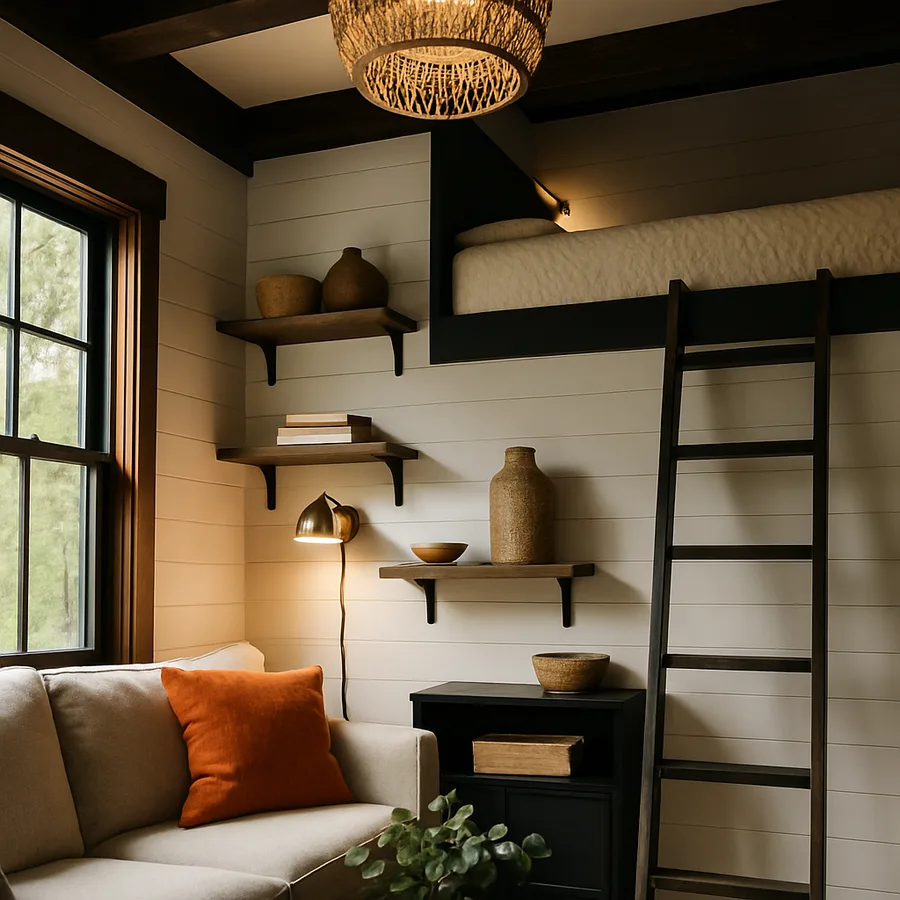
Living in a small space does not mean living with limitations. Some of the most beautiful, functional, and inspiring homes in the world occupy fewer than 800 square feet. The secret is not more space; it is smarter design. Every square inch of a compact home can be optimized to serve multiple purposes, and the result is often a more intentional and comfortable living environment than a sprawling house where rooms sit empty and unused.
The American Society of Interior Designers (ASID) reports that urban dwelling sizes have decreased by an average of 12 percent over the past decade, making small-space design one of the fastest-growing specializations in the field. Whether you live in a studio apartment, a small townhouse, or simply have a few rooms that feel cramped and chaotic, these creative design strategies will help you reclaim your space and love every corner of your home.
Multifunctional Furniture That Works Harder
In a small home, every piece of furniture must earn its place. The days of single-purpose pieces are over when square footage is at a premium. A dining table that doubles as a desk, a sofa with built-in storage, a bed frame with drawers underneath, or a coffee table that lifts to become a workspace are not compromises. They are design solutions that reflect thoughtful living.
The International Interior Design Association (IIDA) highlights multifunctional furniture as one of the most impactful innovations in contemporary residential design. Modern manufacturers have responded to the demand with pieces that are not only versatile but genuinely attractive. Wall-mounted desks that fold flat when not in use, modular seating systems that reconfigure for different occasions, and expandable dining tables that accommodate two for breakfast and eight for dinner are now widely available at every price point.
When shopping for multifunctional furniture, prioritize quality over quantity. One excellent piece that serves three purposes is far better than three mediocre pieces that each serve one. Look for solid construction, durable materials, and mechanisms that operate smoothly. A murphy bed that is difficult to fold or a storage ottoman with a flimsy lid will frustrate you daily. Invest in pieces that make your life easier, not more complicated, and your small space will function like one twice its size.
Consider the flow of your daily routines when selecting multifunctional pieces. If you work from home, a dining table that transitions seamlessly to a workspace should have a surface large enough for a laptop and comfortable seating height for extended periods. If you entertain frequently, a sectional sofa with a pull-out bed and hidden storage for extra linens solves multiple problems at once. Have you ever mapped out how you actually use each piece of furniture throughout the day? That exercise often reveals surprising opportunities for consolidation.
Vertical Space Is Your Greatest Asset
When floor space is limited, the most underused resource in any room is the vertical plane. Walls, the backs of doors, and the space above cabinets all represent untapped storage and design potential. Going vertical is not just about adding shelves; it is about rethinking how you relate to the full three-dimensional volume of your rooms.
Floor-to-ceiling bookshelves make a small room feel taller and grander while providing enormous storage capacity. Floating shelves eliminate the visual weight of brackets and support structures, creating a lighter, more airy appearance. Pegboards and rail systems in kitchens, offices, and entryways keep everyday items organized and accessible without consuming any floor space at all. The National Council for Interior Design Qualification (NCIDQ) includes space planning as a core competency in its certification, and vertical optimization is a key component of that discipline.
Beyond storage, vertical space offers opportunities for dramatic visual impact. A floor-to-ceiling curtain makes a window appear larger and a ceiling higher. Tall, narrow artwork or a vertically oriented gallery wall draws the eye upward and creates a sense of grandeur. Even lighting choices can emphasize verticality: a pendant lamp that drops from a high ceiling or wall sconces that cast light both up and down make a room feel taller than its dimensions suggest.
Light Colors and Strategic Mirrors
Color and light are the most powerful tools for manipulating the perceived size of a room. Light colors reflect more light, making walls appear to recede and spaces feel more open. White, cream, pale gray, and soft pastels are the foundation of small-space palettes for good reason. They create a continuous, unbroken visual field that tricks the eye into perceiving more space than physically exists.
According to Houzz's small-space design guide, rooms painted in light, consistent colors appear up to 33 percent larger than identically sized rooms painted in dark or contrasting colors. This does not mean every small room must be stark white. Soft warm whites, pale sage greens, and light lavenders all deliver the space-expanding effect while adding personality and warmth. The key is consistency: using the same color or closely related tones on walls, trim, and ceiling creates seamless visual flow.
Mirrors amplify this effect dramatically. A large mirror on one wall effectively doubles the visual depth of a room. Placed opposite a window, it multiplies natural light and creates the illusion of a second window. Mirrored furniture, glass-topped tables, and reflective accessories all contribute to a sense of openness and luminosity. Designers at the IIDA frequently use mirrors as their first intervention in small spaces because the impact is immediate and transformative, requiring no structural changes whatsoever.
Do your rooms feel darker or more confined than they should? Before making any other changes, try hanging a mirror on the wall opposite your primary light source. The difference is often startling and costs far less than any renovation.
Open Shelving and Transparent Storage
Closed cabinetry can make a small room feel boxy and heavy, especially when it runs along multiple walls. Open shelving offers an alternative that is both functional and visually lighter. By displaying your most attractive items, dishes, books, plants, decorative objects, and concealing everything else, you create storage that doubles as decor. The visual openness of shelves versus solid cabinet fronts can make a kitchen, bathroom, or living room feel significantly more spacious.
Transparent storage solutions extend this principle further. Glass-front cabinets, clear acrylic containers, and wire baskets allow you to see their contents without adding visual clutter. In a small kitchen, glass jars for dry goods on open shelves serve a practical purpose while creating an attractive, organized display. In a bathroom, clear containers for cotton balls, soaps, and toiletries keep surfaces tidy without the visual weight of opaque bins.
The ASID cautions that open shelving requires discipline. Unlike closed cabinets that hide disorganization, open shelves put everything on display. The solution is to curate what you keep visible. Follow the rule of thirds: one-third books or practical items, one-third decorative objects, and one-third empty space. That negative space is critical in small rooms, giving the eye a place to rest and preventing the shelves from feeling overloaded.
Smart Layout and Traffic Flow
The arrangement of furniture in a small space matters as much as the furniture itself. A poorly planned layout can make even a reasonably sized room feel cramped and dysfunctional, while a thoughtful arrangement can make a tiny room feel spacious and comfortable. The fundamental principle is maintaining clear pathways through the room. Every major traffic route should be at least 30 inches wide, allowing easy movement without brushing against furniture.
Floating furniture away from walls is a counterintuitive but highly effective strategy in small spaces. A sofa pulled even six inches from the wall creates an air gap that makes both the sofa and the wall behind it feel less crowded. Similarly, a dining table centered in a dining area rather than pushed against a wall allows circulation on all sides and makes the room feel more generous. These small adjustments cost nothing but can dramatically change how a space feels.
Zoning an open-plan small space is essential to prevent it from feeling like one undifferentiated box. Use area rugs to define distinct living, dining, and working zones. Position furniture to create natural boundaries between zones without blocking sightlines. A low bookshelf perpendicular to a wall can separate a sleeping area from a living area while providing storage and maintaining visual openness. The goal is to create the sense of multiple rooms within a single space, giving each activity its own territory.
Professional space planners recommend sketching your room to scale on graph paper or using a free online tool before moving any furniture. What looks right in your imagination often does not work in reality, and measuring twice saves the frustration of pushing heavy furniture back and forth. How many times have you rearranged a room only to end up back where you started? A plan on paper eliminates that cycle entirely.
Editing and Restraint as Design Principles
The single most important skill in small-space design is the ability to edit. Every item you bring into a compact home must justify its presence through function, beauty, or both. Designers who specialize in small spaces through Houzz and the NCIDQ certified network consistently identify over-furnishing as the number one mistake homeowners make. It is tempting to fill every corner, but restraint is what separates a cramped room from a cozy one.
Apply the one-in-one-out rule rigorously. For every new item that enters your home, an existing item must leave. This prevents the gradual accumulation of objects that slowly erodes the openness of a small space. Seasonal editing, reviewing your possessions at least twice a year, helps you identify items that have outlived their usefulness or no longer bring you satisfaction. Be honest with yourself about what you actually use versus what you keep out of habit or guilt.
Restraint also applies to decorating. In a small space, a single large piece of artwork has more impact than a dozen small frames scattered across walls. One statement plant in a beautiful pot outperforms a collection of tiny succulents on every surface. Fewer, larger, and higher-quality items create a sense of luxury and intention that clutter cannot achieve. The minimalist principle of doing more with less is not deprivation in a small home. It is liberation, freeing your space and your mind from the burden of excess.
Take the first step today. Choose one room, measure it carefully, and reimagine it with these principles in mind. Consult the ASID or IIDA designer directories for professionals who specialize in small-space solutions, and discover how much potential is hiding in your compact home.
More Articles You May Like



Comments
Post a Comment