Maximize Small Spaces: Innovative Home Interior Design Ideas for Every Room
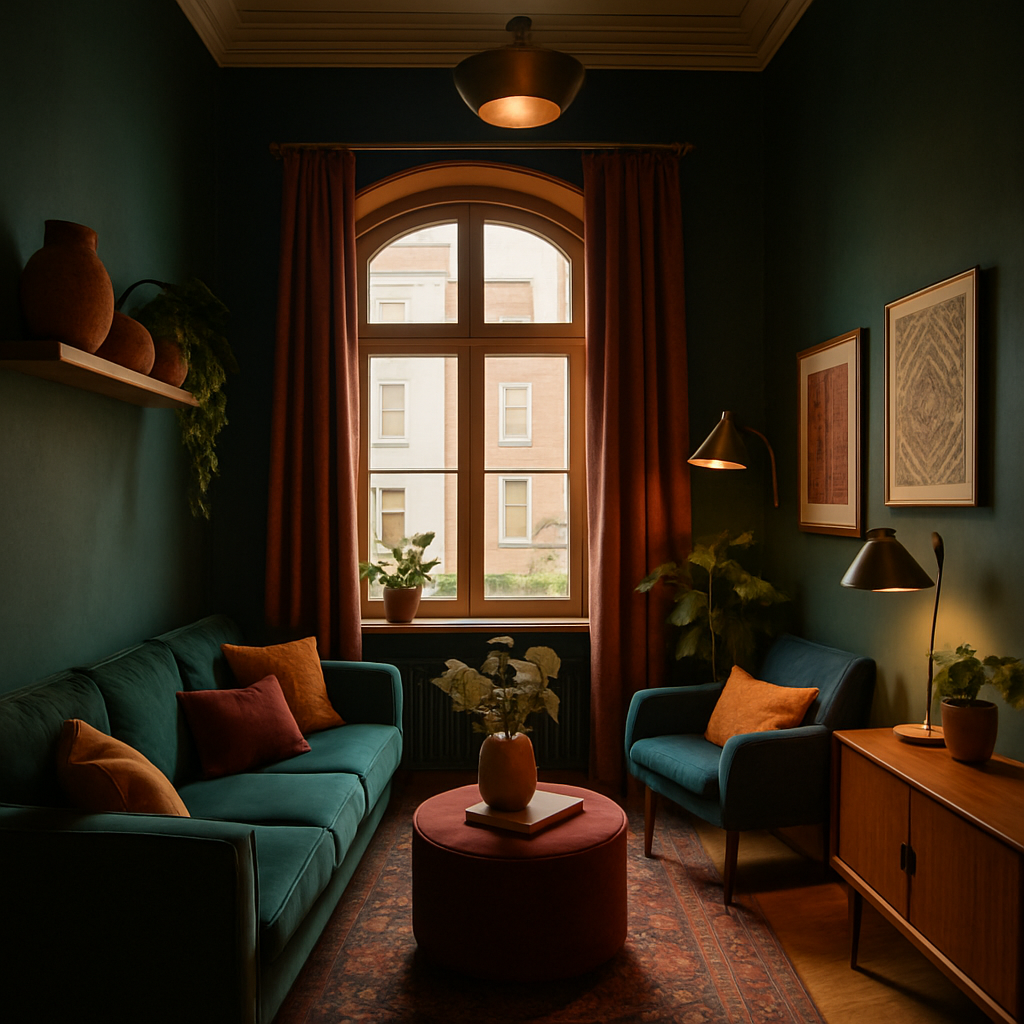
Have you ever felt like your home is closing in on you? With urban living spaces shrinking, many homeowners are struggling to make the most of their square footage. According to a recent Houzz survey, nearly 60% of homeowners are opting for creative solutions to maximize small spaces. This article offers innovative interior design ideas tailored specifically to enhance every room - from the living area to the kitchen and even the often-overlooked hallway. By the end, you'll have a roadmap to transform your home into a functional and aesthetically pleasing sanctuary.
Understanding the Foundations of Small Space Design
Maximizing a small space begins with understanding the foundational principles of interior design. It's essential to focus on the balance between aesthetics and functionality. Experienced professionals often note that small spaces require a keen eye for detail and a strategic approach to furniture placement. One effective strategy is to incorporate multi-functional furniture. For instance, a sofa bed or an ottoman with storage can serve dual purposes, providing both comfort and utility.
Color palette plays a crucial role in creating the illusion of space. Light colors such as soft whites, pastels, and light grays can make a room appear larger by reflecting light. According to the American Society of Interior Designers (ASID), using a monochromatic color scheme can create a seamless flow from one area to the next, reducing visual clutter. Additionally, incorporating mirrors strategically can amplify natural light and give the illusion of depth, further enhancing the spatial perception.
Moreover, it's important to consider vertical space when designing small areas. Wall-mounted shelves or cabinets can free up valuable floor space while providing storage. The National Council for Interior Design Qualification (NCIDQ) suggests utilizing ceiling height to its full potential by installing tall bookcases or hanging artwork higher on the walls. This draws the eye upwards, making the room feel more expansive. As we delve into deeper analysis, these foundational concepts will serve as the base upon which more complex ideas are built.
Analyzing Small Space Challenges with Data
When it comes to small space design, data-driven insights can guide you toward effective solutions. According to Houzz's annual survey, 70% of homeowners prioritize functionality over aesthetics in small spaces, highlighting a trend towards practical design choices. This is where the concept of "quiet luxury," a 2026 design trend that emphasizes understated elegance, becomes relevant. By integrating high-quality materials and subtle design elements, you can achieve an upscale look without overwhelming the limited space.
Data also shows that incorporating natural elements, a principle of biophilic design, can significantly enhance small spaces. Plants not only improve air quality but also add color and texture. According to research by the International Interior Design Association (IIDA), homes with natural elements report higher satisfaction rates, with an uptick of 15% in perceived space quality. This trend aligns with the growing preference for sustainable and reclaimed materials, which offer both aesthetic appeal and environmental benefits.
Furthermore, smart home integration can play a significant role in maximizing small spaces. Automated lighting, climate control, and even window treatments can be managed through smart technology, reducing the need for bulky controls and enhancing the room's sleekness. Homeowners who adopt these technologies often find that they save both space and energy, making this an attractive option for modern living. Next, we'll explore actionable strategies that incorporate these insights into practical applications.
Actionable Strategies for Small Space Maximization
To truly maximize small spaces, actionable strategies are essential. Begin by decluttering - a fundamental step in creating a spacious environment. Consider donating or selling items you no longer need. Not only does this free up space, but it also allows you to invest in pieces that matter. Next, focus on creating zones within your room. Use rugs or furniture placement to define areas, such as a reading nook or a mini home office, without the need for walls.
Storage solutions are critical in small spaces. Think outside the box: under-bed storage, built-in shelves, and furniture with hidden compartments can provide ample storage without sacrificing style. The use of vertical storage solutions, such as wall-mounted bike racks or magnetic strips for kitchen utensils, can dramatically increase space efficiency. Additionally, consider open shelving in the kitchen to display dishes and glassware, adding both functionality and decorative appeal.
Lighting is another key component. Layered lighting, which involves a combination of ambient, task, and accent lighting, can create depth and dimension. Use pendant lights or wall sconces to free up floor space typically occupied by lamps. By integrating these strategies, you can transform small areas into functional and inviting spaces. In the following section, we'll delve into expert-level details that will fine-tune your design efforts.
Expert-Level Details for Enhanced Design
For those seeking to push the boundaries of small space design, expert-level details can make all the difference. Certified interior designers (holding NCIDQ credentials) often recommend customizing furniture to fit the unique dimensions of your space. Custom-built pieces, while initially costly, can maximize utility and aesthetics in the long run. These tailored solutions ensure every inch of space is utilized effectively, from built-in banquettes in dining areas to bespoke cabinetry in kitchens.
Another advanced technique involves the use of AR/VR room visualization tools. These technologies, increasingly used by design professionals, allow you to experience a virtual layout of your redesigned space before committing to changes. This can prevent costly mistakes and ensure the final result aligns with your vision. According to Architectural Digest's AD PRO network, clients using VR tools report higher satisfaction with their completed projects, as they provide a realistic preview of the outcome.
Expert designers also emphasize the importance of maintaining a cohesive aesthetic throughout the home. This creates a sense of unity and flow, critical in small spaces where each room is often visible from the next. By selecting a consistent color palette, materials, and design style, you can ensure that transitions between spaces are seamless. As we look to additional depth in the next section, these expert insights will serve as the cornerstone for further innovation.
Additional Depth: Incorporating Advanced Trends
Incorporating advanced trends can elevate your small space design to new heights. The Japandi style, a fusion of Japanese minimalism and Scandinavian warmth, is gaining popularity for its simplicity and functionality. This trend focuses on clean lines, natural materials, and neutral colors, creating a serene and uncluttered environment. By integrating elements of Japandi, you can achieve a harmonious and balanced aesthetic that complements small spaces.
Another trend to consider is the use of sustainable materials. Reclaimed wood, recycled glass, and environmentally friendly textiles not only reduce your carbon footprint but also add a unique character to your home. According to industry surveys, homes with sustainable features are viewed more favorably in the real estate market, often commanding higher resale values. This is an essential consideration for those looking to invest in their home's future.
Finally, consider the benefits of flexible furniture. Pieces that can adapt to different uses, such as foldable desks or extendable dining tables, provide versatility and adaptability. This flexibility is crucial in small spaces, where the function of a room may need to change throughout the day. By incorporating these advanced trends, you can create a home that is not only stylish but also highly functional. Our final section will offer concluding perspectives to tie these concepts together.
Final Perspectives on Small Space Design
Designing small spaces presents unique challenges, but with the right approach, it can be a rewarding experience. By understanding foundational principles, leveraging data-driven insights, and applying expert strategies, you can transform even the most compact areas into functional and inviting environments. Remember, the key is to balance aesthetics with practicality, ensuring that every design choice enhances both form and function.
It's essential to stay informed about emerging trends and technologies that can further optimize your space. Whether it's through smart home integration or the use of sustainable materials, these innovations can significantly impact your design's success. As you refine your approach, consider how each element contributes to the overall look and feel of your home. This holistic perspective will guide you in creating a cohesive and efficient living space.
Ultimately, the goal is to create a home that reflects your personal style while meeting your practical needs. In the conclusion, we'll summarize the key takeaways and offer a specific call to action to help you embark on your design journey.
Conclusion: Transform Your Space Today
In conclusion, maximizing small spaces requires a thoughtful blend of innovative design ideas and practical strategies. By applying the insights shared in this article, you can create a home that not only meets your needs but also enhances your lifestyle. From understanding foundational principles to incorporating advanced trends, the path to a well-designed space is clear.
Now is the time to take action. Start by assessing your current space and identifying areas for improvement. Consider browsing designer portfolios on platforms like Houzz or Instagram to gather inspiration and refine your vision. Even dedicating 20 minutes a week to research can significantly sharpen your eye for what you want. With each step, you'll be closer to achieving a beautifully designed, functional home. Are you ready to transform your space? The journey begins today.



Comments
Post a Comment