Transform Your Space: Best AI Solutions for Stunning Interior Design Ideas
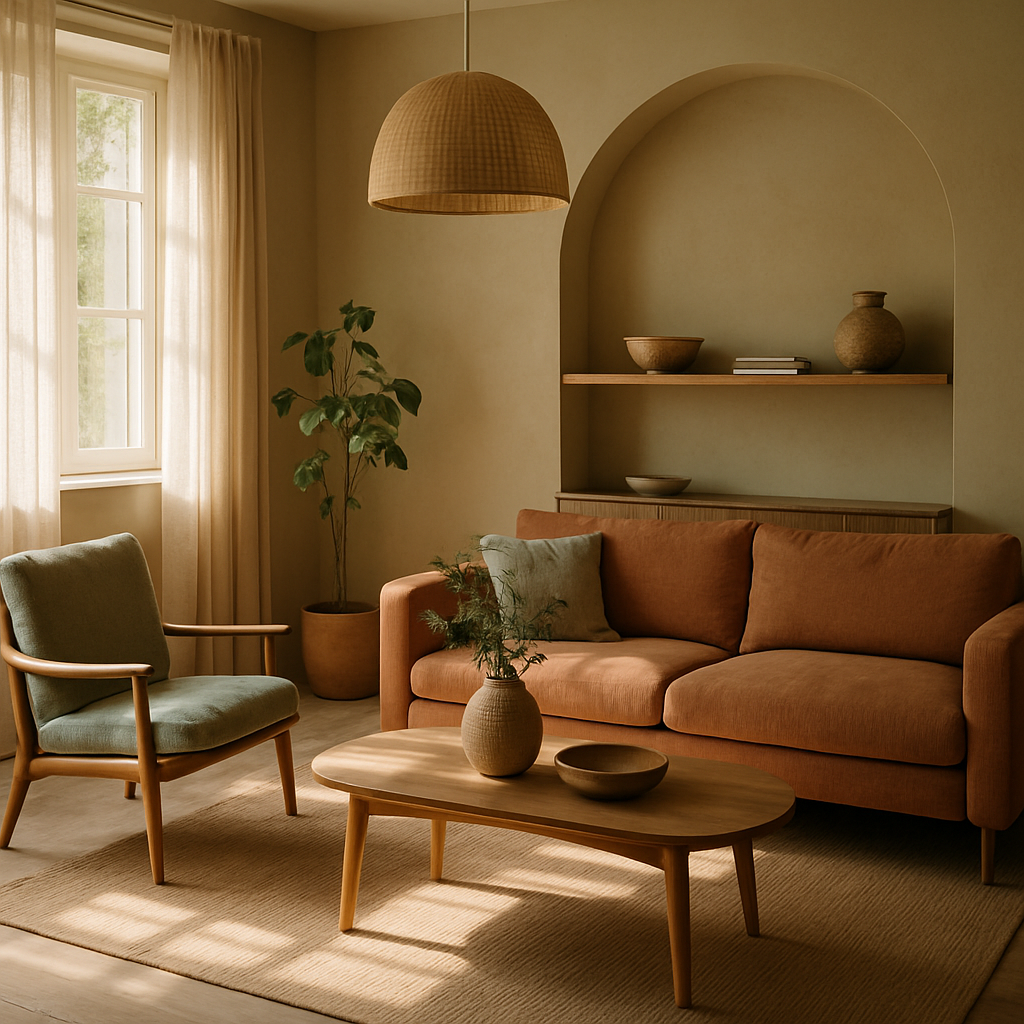
Have you ever imagined revamping your living space without the hassle of trial and error? A recent survey by Houzz reveals that 67% of homeowners feel overwhelmed by the design process. Fortunately, artificial intelligence (AI) is revolutionizing the interior design industry, offering solutions that simplify and enhance the creative process. From visualizing ideas to automating design choices, AI tools are becoming indispensable for both amateur decorators and seasoned professionals. In this article, we will explore foundational concepts, delve into the data behind AI-driven design, provide actionable strategies, and offer expert-level insights into how AI can transform your space into a stunning haven. Whether you're planning a single-room refresh or a whole-home makeover, read on to discover the AI solutions that can elevate your interior design game.
Understanding AI in Interior Design
The integration of AI into interior design is not just a trend; it's a transformative shift in how we approach creating beautiful spaces. At its core, AI in interior design involves using algorithms and machine learning to generate design ideas, layouts, and even color schemes tailored to the user's preferences. Imagine being able to upload photos of your current living room into an app that suggests optimal furniture arrangements and decor elements to enhance your space's functionality and aesthetic. AI tools like Modsy and Planner 5D are leading the charge, offering platforms where users can visualize design changes before making a single purchase.
These innovative tools harness vast databases of design styles and trends to provide personalized suggestions. For instance, Modsy's algorithm analyzes your space and preferences to create 3D renderings of potential redesigns. This allows you to experiment with different styles-be it modern minimalism or rustic charm-without the risk of costly mistakes. The convenience and efficiency of such technology make it an attractive option for anyone looking to refresh their home environment.
Moreover, AI's role in interior design extends beyond just visualization. It also assists in resource optimization by suggesting sustainable materials and energy-efficient designs. This aligns with the growing industry trend towards environmentally conscious living spaces. By incorporating biophilic design elements and sustainable materials, AI can help homeowners create interiors that not only look good but also feel good to inhabit. As we transition to the next section, we'll explore the data supporting AI's impact on interior design transformation.
The Data Behind AI-Driven Design
AI's impact on interior design is backed by compelling data that highlights its effectiveness in enhancing design processes and outcomes. According to a study conducted by the American Institute of Architects (AIA), projects utilizing AI tools reported a 30% reduction in design time and a 20% increase in client satisfaction. These figures underscore AI's potential to streamline the design process, making it more efficient and client-friendly. With AI, designers can focus more on creative aspects rather than getting bogged down by logistical challenges.
Furthermore, industry surveys suggest that AI-driven design solutions can lead to a significant increase in property value. Well-designed interiors are known to boost resale value by 5-15%, and AI tools can help achieve such enhancements by ensuring that every design element contributes to the overall aesthetic and functionality of the space. This data is particularly relevant for homeowners looking to invest in their properties with an eye towards future sale potential.
AI also plays a role in predicting design trends, thanks to its ability to analyze vast amounts of data and identify emerging patterns. Platforms like Pinterest and Instagram are rich sources of inspiration, and AI can sift through millions of images to suggest trends like Japandi-a fusion of Japanese minimalism and Scandinavian warmth-or the integration of smart home features. These insights not only keep designers ahead of the curve but also ensure that spaces remain stylish and relevant. Transitioning from data to practical application, let's explore actionable strategies for leveraging AI in your design projects.
Actionable Strategies for Using AI in Design
Implementing AI in your interior design projects can be as straightforward as selecting the right tools and knowing how to use them effectively. Start by identifying your design goals and the specific areas of your home that need transformation. Are you looking to create a calming retreat in your bedroom or a vibrant gathering space in your living room? AI tools like Roomstyler and HomeByMe allow you to input room dimensions and experiment with different layouts and styles, providing a clear visualization of potential changes.
Once you've chosen an AI platform, take advantage of its features to customize your design. For instance, use color palette generators to explore combinations that resonate with your style. Many AI tools offer augmented reality (AR) features that let you virtually "place" furniture and decor items in your space to see how they fit before purchasing. This can save you time and money by preventing ill-fitting or mismatched items from entering your home.
Experienced professionals often note that AI can also assist in budget management. By setting a budget within the tool, you can receive recommendations that align with your financial constraints, ensuring that your design project remains cost-effective. Moreover, AI tools can suggest alternate materials and products that achieve the same look for less, providing flexibility and control over your design choices. As we delve into expert insights, consider how these strategies can be tailored to your specific needs and preferences.
Expert Insights into AI-Enhanced Design
Industry experts agree that the integration of AI in interior design is reshaping the landscape by offering unprecedented levels of personalization and efficiency. Certified interior designers, particularly those with NCIDQ (National Council for Interior Design Qualification) credentials, are increasingly using AI to enhance their services. By leveraging AI, designers can provide clients with more options and faster results, leading to higher satisfaction rates.
AI is also facilitating a deeper understanding of client preferences through data-driven analysis. Tools that track user interactions and preferences can offer insights into what clients truly desire, even when they might not articulate it. This ability to anticipate client needs positions AI as a valuable asset in the designer's toolkit. Furthermore, AI's capacity for simulating real-world environments allows designers to test out ideas and make adjustments in a virtual space, ensuring that the final design is both functional and aesthetically pleasing.
The use of AI in design is not limited to professionals. Homeowners can also benefit from AI-driven insights by accessing online resources such as Houzz and Architectural Digest's AD PRO network. These platforms offer a wealth of information on current trends, design advice, and case studies that can inspire and inform your projects. As we move into discussing additional depth, consider how these expert insights can be applied to enhance your own design endeavors.
Additional Depth and Considerations
Diving deeper into the practical applications of AI in interior design, it's essential to consider the ethical and privacy implications. AI tools often require access to personal data, such as photos and room dimensions, to provide tailored recommendations. It's crucial to choose platforms with robust privacy policies to protect your personal information. Additionally, understanding the limitations of AI-such as its inability to fully replicate human intuition-is vital for balancing technology with personal creativity.
Another consideration is the learning curve associated with using AI tools. While many platforms are user-friendly, they still require some level of technical proficiency. Take the time to explore tutorials and guides offered by platforms like Houzz and IIDA (International Interior Design Association) to maximize the benefits of AI. Engaging with online communities can also provide support and inspiration as you navigate the AI-enhanced design process.
Finally, it's important to remember that AI is a tool to aid your creativity, not replace it. Use AI to augment your design instincts and bring your vision to life in ways that were previously unimaginable. As we conclude with final perspectives, reflect on how AI can assist you in achieving a harmonious balance between technology and personal expression in your interior design projects.
Final Perspectives on AI in Interior Design
The future of interior design is intertwined with the capabilities of AI, offering both opportunities and challenges. As technology continues to evolve, so too will the possibilities for creating personalized, functional, and aesthetically pleasing spaces. For homeowners and designers alike, AI provides a valuable tool for exploring new ideas and pushing the boundaries of traditional design.
However, it's essential to approach AI with a critical eye, understanding its potential and limitations. While AI can suggest trends and optimize layouts, the human element remains irreplaceable. Your personal taste and unique vision are what truly make a space your own. By integrating AI thoughtfully into your design process, you can achieve a space that reflects both innovation and individuality.
In conclusion, AI is not just a passing fad in interior design; it is a powerful ally that, when used effectively, can transform your space in remarkable ways. Ready to see what AI can do for you? Start by browsing portfolios on Houzz this week-even 20 minutes of research will sharpen your eye for what you want. Embrace the future of design and let AI help you create the home of your dreams.



Comments
Post a Comment