Integrating Technology: How Smart Home Features Enhance Interior Design Aesthetics
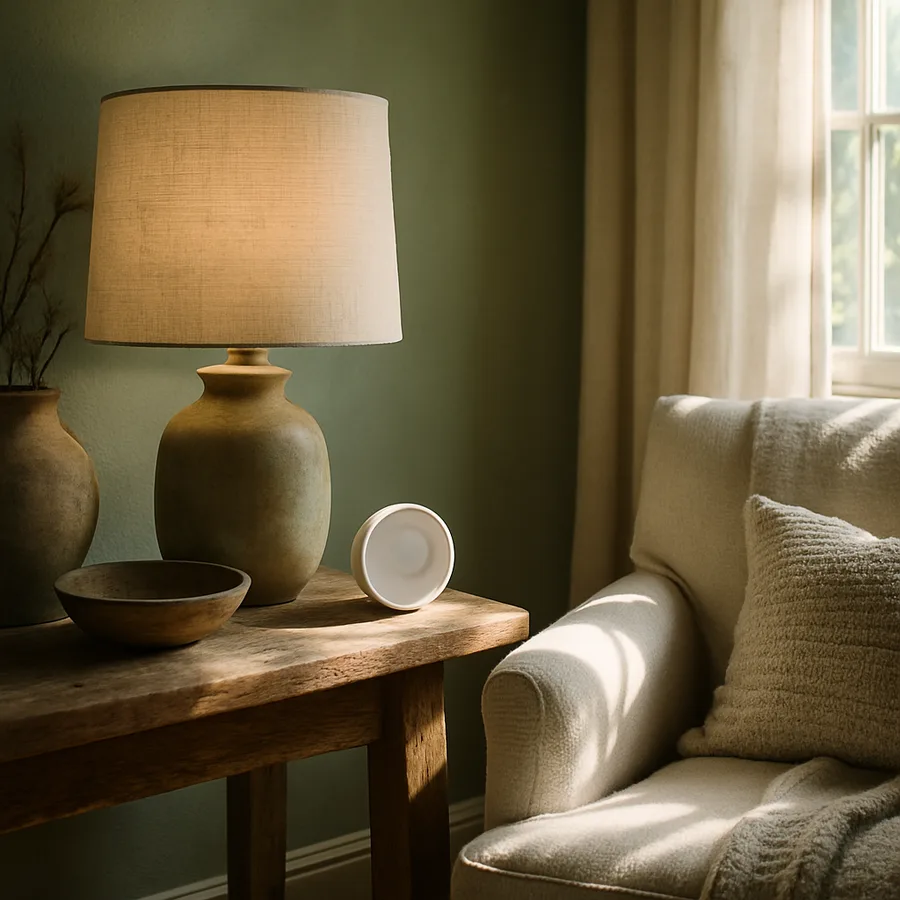
The relationship between technology and beauty in the home has undergone a profound transformation. For decades, these two aspirations seemed fundamentally at odds. Technology meant visible wires, blinking lights, bulky devices, and the general visual noise of machines demanding attention. Beauty meant clean lines, curated surfaces, and the absence of anything that disrupted the designed harmony of a space. Today, that tension has dissolved. The most advanced smart home technologies are designed from the ground up to be invisible, and the result is a new category of interior design where beauty and intelligence are not merely compatible but mutually reinforcing.
The International Interior Design Association (IIDA) has documented this shift extensively, noting that smart home integration has moved from a niche specialty to a mainstream expectation in residential design practice. A survey of IIDA members found that 83 percent now include technology planning as a standard phase in their residential design process, up from just 31 percent five years ago. This dramatic increase reflects both the maturation of smart home products and a growing recognition that technology, when thoughtfully implemented, can genuinely enhance the aesthetic quality of interior spaces.
This article examines the specific ways in which smart home features enhance rather than compromise interior design aesthetics. The focus is not on technology for its own sake but on the design outcomes that technology enables: cleaner surfaces, more responsive environments, richer sensory experiences, and spaces that adapt to human needs with effortless grace.
The Aesthetic Liberation of Wireless Infrastructure
The single most significant technological development for interior design aesthetics has been the maturation of wireless communication protocols. Wi-Fi, Bluetooth, Zigbee, Z-Wave, Thread, and Matter have collectively eliminated the need for most of the wired infrastructure that previously cluttered homes. When devices communicate wirelessly, they can be placed anywhere, powered by batteries or concealed wiring, without running visible cables across walls and floors.
This wireless freedom has liberated interior designers from constraints that have shaped residential design for over a century. Light switches no longer need to be wired to specific locations; wireless switches can be mounted on any surface, including glass, or eliminated entirely in favor of voice and app control. Audio speakers no longer require speaker wire runs to a central amplifier; wireless speakers can be placed based on acoustic and aesthetic criteria rather than wiring logistics. Even security cameras and sensors, once dependent on hardwired power and data connections, now operate on battery power with wireless data transmission.
The ASID has highlighted wireless infrastructure as a key enabler of what they call surface-first design, an approach that prioritizes the visual quality of walls, ceilings, and floors by eliminating or concealing the functional elements that traditionally interrupt these surfaces. In a surface-first approach, the designer begins with the ideal aesthetic composition and then works backward to integrate technology invisibly. This represents a fundamental reversal of the traditional approach, where technology requirements were determined first and the design worked around them. Have you ever wished you could rearrange a room without worrying about where the outlets and switches are? Wireless smart home technology makes that wish a reality.
Responsive Environments That Anticipate Needs
One of the most aesthetically impactful capabilities of smart home technology is environmental responsiveness: the ability of a space to adjust its conditions automatically based on occupancy, activity, time, and external factors. When a room adjusts its own lighting, temperature, and audio without human intervention, it eliminates the need for the manual controls, visible interfaces, and physical adjustments that create visual and behavioral clutter.
Consider the aesthetic difference between two versions of the same room. In the first, a conventional room, the resident walks in and flips a wall switch, adjusts a floor lamp, opens blinds manually, turns on a speaker, and adjusts a thermostat. Each of these actions involves interacting with a visible device mounted on a wall, standing on a floor, or hanging from a window. In the second, a smart room, the resident simply walks in. Occupancy sensors trigger the lighting scene appropriate for the time of day. Motorized blinds adjust to the current sun angle. The audio system begins playing the resident's preferred background music. The climate system adjusts to the resident's learned temperature preference. The room responds to the person rather than the person operating the room.
The Houzz annual design survey found that 61 percent of homeowners who installed automated environmental controls reported that their homes felt more luxurious after the installation, not because the technology itself was luxurious but because the absence of manual interaction created a sense of effortless comfort that is traditionally associated with high-end hospitality environments. The NCIDQ has incorporated environmental responsiveness into their design criteria, recognizing that the sensory experience of a space, including how it responds to its occupants, is a legitimate dimension of interior design quality.
Material Innovation Driven by Technology Integration
The demand for invisible technology has stimulated innovation in interior materials and finishes that serve double duty as both design surfaces and technology carriers. Backlit stone and concrete panels that contain embedded LED arrays provide both a beautiful material surface and adjustable ambient lighting. Acoustic plaster systems from companies like Fellert create walls and ceilings that absorb sound while appearing to be simple smooth surfaces, eliminating the need for visible acoustic treatment panels.
Smart glass, also known as switchable glass or electrochromic glass, represents perhaps the most dramatic example of technology-driven material innovation for interiors. Products from View, Sage, and Gauzy allow glass panels to transition from transparent to opaque or tinted at the touch of a button or on an automated schedule. In interior applications, smart glass can replace conventional window treatments entirely, providing privacy control without any fabric, hardware, or mechanical components. The result is windows of crystalline simplicity that never need curtains, blinds, or shades.
The IIDA has featured smart materials extensively in their annual design forecasts, predicting that the next decade will see a proliferation of surfaces that integrate sensing, lighting, heating, and display capabilities invisibly. Countertops that display recipes, mirrors that show weather and calendar information, and walls that change color on command are all in various stages of development and early commercial availability. These innovations promise a future in which the boundary between technology and material dissolves completely, and every surface in a home is simultaneously beautiful and intelligent.
The Disappearing Television and the Reclaimed Living Room
No single device has been more disruptive to living room aesthetics than the television. For decades, interior designers have struggled with the reality that the dominant visual element in most living rooms is a large black rectangle that contributes nothing to the room's design when turned off. Smart home technology has finally provided compelling solutions to this longstanding problem.
Samsung's Frame TV, which displays digital art when not in use, has been a commercial breakthrough with sales increasing by over 40 percent annually since its introduction. But it is only one approach among many. Motorized TV lifts that lower screens into furniture or raise them from cabinets provide complete concealment. Short-throw laser projectors from Sony, LG, and Samsung create large screen images from a compact unit that sits against the wall like a piece of furniture, with the image projected onto what appears to be a simple white wall or a pull-down screen that retracts when not in use.
The ASID has described the concealed television movement as one of the most significant developments in residential design aesthetics of the past decade. When the television disappears, the living room's visual hierarchy resets. Suddenly, the fireplace, the artwork, the view through the window, or the architectural details of the room itself can reclaim their natural roles as focal points. The room stops being organized around a screen and starts being organized around human experience. What would your living room look like if the television simply were not there? Smart concealment technology lets you have both the screen and the answer to that question.
Integrated Control Surfaces That Blend with Architecture
The interfaces through which we control smart home features are themselves design elements that either enhance or diminish a space. The evolution from conventional toggle switches and rotary dimmers to sleek, minimal smart controls has been significant. Products from Lutron, Crestron, and Basalte offer control panels that are designed as architectural elements, with finishes, materials, and proportions that complement rather than interrupt wall surfaces.
Basalte, a Belgian company, has pioneered what they call architectural electronics, producing smart home interfaces in materials like brushed brass, bronze, stone, and leather that match the material palettes used by high-end interior designers. Their Sentido switch, for example, is a flat panel available in dozens of finishes that responds to touch gestures rather than mechanical button presses. The result is a control surface that reads as a piece of architectural hardware rather than an electronic device.
At the other end of the spectrum, some designers advocate for eliminating visible control surfaces entirely. The IIDA has documented a growing preference for control-free environments where automation handles routine adjustments and voice commands handle exceptions. In these spaces, walls are uninterrupted surfaces of plaster, stone, or wood, and the only visible technology is a discreet speaker for voice interaction. According to IIDA research, rooms with fewer than three visible control interfaces receive consistently higher aesthetic ratings from both designers and homeowners, supporting the principle that less visible technology produces more beautiful spaces.
Sustainable Design Enhanced by Smart Optimization
Smart home technology contributes to sustainable design in ways that also enhance aesthetic outcomes. Automated systems that optimize energy use, reduce waste, and extend the life of materials contribute to a design ethos where beauty and responsibility align. Smart irrigation systems maintain landscapes with minimal water waste. Automated lighting reduces energy consumption by ensuring lights are never left on in unoccupied spaces. Smart climate systems reduce the energy needed to maintain comfort by learning and anticipating patterns.
The U.S. Green Building Council reports that smart home automation can reduce residential energy consumption by 20 to 30 percent compared to conventional homes. This reduction is achieved not through sacrifice but through intelligence: the home simply stops wasting energy on unneeded heating, cooling, and lighting. The aesthetic dimension of this efficiency is significant. Efficient homes require smaller mechanical systems, fewer vents, and less visible infrastructure, all of which contribute to cleaner, more beautiful interior spaces.
The ASID and IIDA have both incorporated sustainability criteria into their design excellence awards, and smart home technology is frequently cited as an enabler of sustainable design outcomes. The connection between smart and sustainable adds an ethical dimension to the aesthetic conversation: a beautiful home that is also an intelligent, efficient home carries a deeper sense of rightness. This alignment of beauty, intelligence, and responsibility represents the highest aspiration of smart home interior design.
Creating Your Technology-Enhanced Aesthetic Vision
The path to integrating smart home features into your interior design begins with a clear aesthetic vision. Before selecting any technology, define the visual and experiential qualities you want your space to embody. Do you want minimalist serenity? Warm, layered comfort? Dramatic, gallery-like spaces? Your aesthetic goals should drive your technology choices, not the other way around. The best smart homes are designed first and engineered second.
Work with professionals who speak both languages. Designers certified through the NCIDQ are increasingly trained in technology integration, and smart home installers affiliated with organizations like CEDIA (Custom Electronic Design and Installation Association) are increasingly design-conscious. The best outcomes emerge from early collaboration between these disciplines. When the designer and the technologist begin the conversation together, the result is a space where technology and beauty are indistinguishable.
Begin with one room and one technology category. Perhaps smart lighting in your bedroom. Perhaps motorized shades in your living room. Perhaps invisible audio in your kitchen. Experience the aesthetic impact of that single integration, and then expand from there as your vision clarifies and your confidence grows. Explore technology-forward interior design projects on Houzz and connect with IIDA chapter events in your area where designers showcase the latest in integrated residential design. The future of interior design is intelligent, invisible, and more beautiful than ever. Your home deserves to be part of that future.
More Articles You May Like



Comments
Post a Comment