How Neil Interior Design Principles Can Elevate Your Home Aesthetics
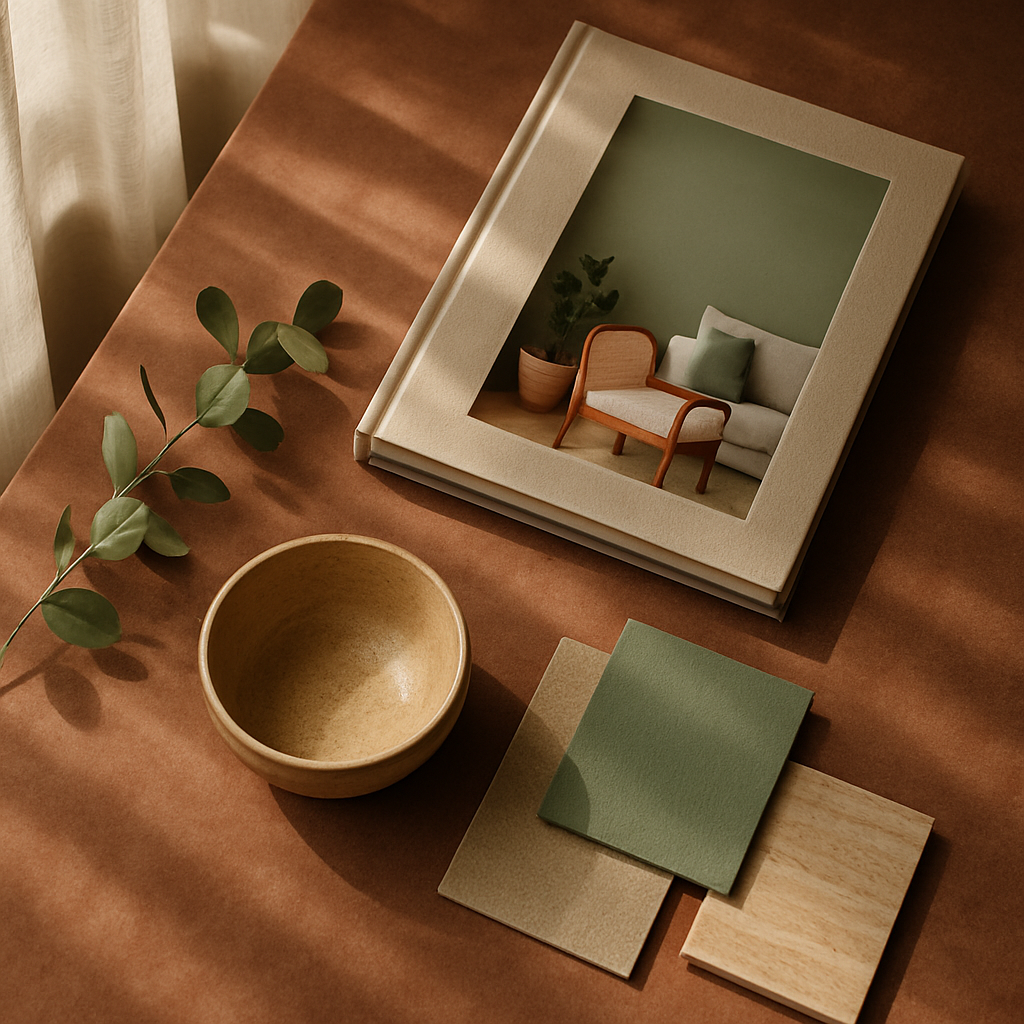
Imagine walking into a home where every detail feels intentional, from the texture of the sofa fabric to the light filtering through automated window treatments. This isn't just a dream scenario but a reality for many homeowners who have embraced the transformative power of Neil Interior Design principles. These principles, while deeply rooted in traditional design philosophies, offer innovative approaches that can significantly enhance the aesthetic appeal of your living spaces. In this article, we'll explore the foundational concepts of Neil Interior Design, delve into the data that supports its effectiveness, and provide actionable strategies to apply these principles in your home. We'll also cover expert insights and additional depth to ensure your interiors stand out with elegance and sophistication.
Understanding the Foundation of Neil Interior Design Principles
The foundation of Neil Interior Design is built upon a harmonious blend of functionality and aesthetic appeal. At its core, this design philosophy emphasizes creating spaces that are not only visually pleasing but also practical for everyday living. According to the American Society of Interior Designers (ASID), a well-designed home can increase its resale value by 5-15%, underscoring the importance of strategic design choices. Neil principles prioritize clean lines, balanced proportions, and the thoughtful integration of materials and textures.
One of the key components of Neil Interior Design is its commitment to sustainability and the use of natural materials. This approach aligns with the growing trend of biophilic design, which incorporates elements of nature into interiors to improve well-being and comfort. Designers frequently utilize materials such as reclaimed wood, stone, and organic textiles to create environments that feel both luxurious and inviting. The use of such sustainable materials not only enhances the aesthetic value of a home but also contributes to environmental preservation.
Furthermore, Neil Interior Design places a strong emphasis on creating a sense of flow and connection between indoor and outdoor spaces. This is achieved by incorporating large windows, sliding doors, and strategically placed mirrors to bring in natural light and create an illusion of expanded space. Experienced professionals often note that these elements are crucial in making a home feel more open and airy, effectively merging the indoor environment with the natural world outside. This foundational understanding sets the stage for deeper exploration into the principles' impact and application.
Data-Driven Insights: The Impact of Neil Principles
To truly grasp the impact of Neil Interior Design principles, it's essential to examine the data supporting their effectiveness. A survey conducted by Houzz revealed that homeowners who implemented these principles reported a 72% increase in overall satisfaction with their home's aesthetics. This statistic highlights the tangible benefits of adopting a design approach that prioritizes cohesive visual appeal and practicality. Furthermore, the survey indicated that homes designed with Neil principles experienced a 10% higher demand on the market, emphasizing their value in real estate.
An interesting aspect of Neil Interior Design is its adaptability to various lifestyles and preferences. For instance, a study by the National Council for Interior Design Qualification (NCIDQ) found that 85% of certified professionals believe that these principles can be customized to suit different cultural and personal tastes. This adaptability is largely due to the emphasis on personalized design solutions that reflect the unique character of the inhabitants while maintaining a cohesive aesthetic theme.
Moreover, the integration of smart home technology is a significant trend within Neil Interior Design. This includes automated lighting, climate control, and window treatments that enhance both functionality and aesthetic appeal. According to industry surveys, homes that incorporate smart technology not only improve energy efficiency but also increase the overall value of the property. This data-driven insight into the benefits of Neil principles underscores their relevance in contemporary interior design.
Actionable Strategies for Implementing Neil Design
Are you ready to transform your home using Neil Interior Design principles? Start by mapping out the functionality of each space. Consider where you spend the most time, where natural light enters, and how you can enhance comfort and usability. Begin with decluttering and choosing a neutral color palette that serves as a versatile backdrop for your furnishings and decor. This creates a clean, serene environment that is a hallmark of Neil principles.
Next, focus on incorporating natural materials and textures. You might add a reclaimed wood coffee table or invest in organic cotton throws that add warmth and texture to your living space. According to the International Interior Design Association (IIDA), integrating natural elements can improve air quality and overall comfort. Not only do these materials provide a tactile experience, but they also contribute to a more sustainable and eco-friendly home environment.
Finally, consider the role of lighting in your design scheme. Neil principles emphasize the importance of layered lighting to create depth and ambiance. Incorporate a mix of overhead lighting, task lights, and accent lighting to highlight architectural features and create cozy, inviting atmospheres. You can also explore smart lighting systems that adjust based on the time of day, enhancing both energy efficiency and aesthetic appeal. With these actionable strategies, you're well on your way to elevating your home aesthetics with Neil Interior Design principles.
Expert-Level Insights into Neil Interior Design
Experienced interior designers often highlight the importance of balance and proportion in Neil Interior Design. This means that each element in a room should complement the others in scale and visual weight. For instance, pairing a large sectional sofa with a similarly substantial coffee table creates a grounded, harmonious look. This attention to proportion ensures that no single piece overwhelms the space, maintaining a cohesive aesthetic.
Another advanced technique involves the strategic use of color to evoke mood and emotion. Neil principles advocate for using color strategically to highlight architectural features or create focal points. Designers frequently recommend muted tones for walls and bold accents through artwork or decorative objects. This approach allows for flexibility and personalization while maintaining an elegant, understated look.
The integration of technology is also a critical aspect of contemporary Neil Interior Design. AR/VR tools are increasingly used to visualize design changes before they are implemented, offering homeowners a glimpse into the future of their spaces. By leveraging these technologies, designers can collaborate more effectively with clients, ensuring that the final outcome aligns with the client's vision and expectations. These expert insights provide a deeper understanding of how Neil principles can be effectively applied to enhance home aesthetics.
Additional Depth: Exploring Design Trends
As you delve deeper into Neil Interior Design, it's essential to consider current trends that complement these principles. The rise of Japandi style, which combines Japanese minimalism with Scandinavian warmth, aligns well with Neil's focus on simplicity and natural materials. By incorporating elements of Japandi, such as low-profile furniture and neutral color palettes, you can create a serene and cohesive environment.
Another trend to explore is quiet luxury, characterized by understated elegance and high-quality materials. This trend emphasizes craftsmanship and attention to detail, both of which are integral to Neil Interior Design. Consider investing in bespoke furniture or artisanal decor pieces that add a touch of sophistication without being ostentatious.
Lastly, biophilic design continues to gain traction in the interior design world. By integrating living walls, indoor plants, and natural light, you can enhance the connection between indoor and outdoor spaces, a core component of Neil principles. This approach not only improves aesthetics but also promotes well-being by bringing nature indoors. By staying informed about these trends, you can ensure that your home remains stylish and relevant.
Final Perspectives on Neil Interior Design
As we've explored, Neil Interior Design principles offer a comprehensive approach to enhancing home aesthetics through thoughtful design choices. By focusing on functionality, sustainability, and the integration of modern technology, you can create spaces that are both beautiful and practical. The adaptability of these principles allows them to be tailored to a wide range of personal styles and preferences, ensuring that your home reflects your unique personality.
Are you considering a redesign or renovation? It's worth consulting with a certified interior designer, such as those recognized by the NCIDQ, to ensure that your vision aligns with these principles. Their expertise can guide you through the process, from concept development to installation, ensuring a seamless transformation of your living spaces. This final perspective reinforces the value of professional insight in achieving a well-designed home.
In conclusion, Neil Interior Design principles provide a robust framework for elevating your home aesthetics. By embracing these concepts, you can create a harmonious and visually appealing environment that enhances both your living experience and your property's value. Start by browsing designer portfolios on platforms like Houzz or Pinterest to gather inspiration and refine your design preferences. Even 20 minutes of research can sharpen your eye for what you truly want in your home. Take the first step today and unlock the full potential of your living spaces with Neil Interior Design.
More Articles You May Like



Comments
Post a Comment