Revolutionizing Spaces: How Interior Design AI is Changing Home Aesthetics
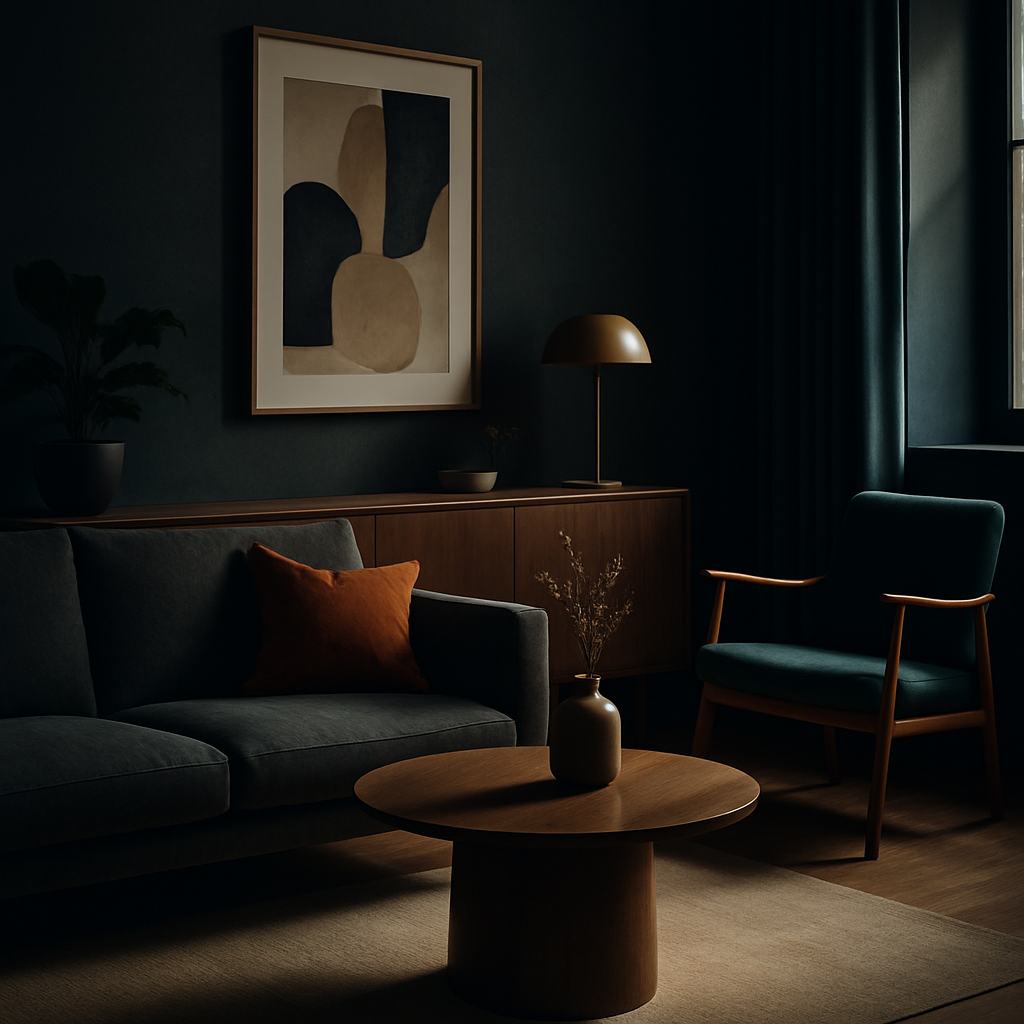
Imagine transforming your living room in minutes, selecting the perfect palette and layout with the click of a button. This is not a futuristic dream; it's the reality of interior design AI, a powerful tool reshaping how we approach aesthetics in our homes. According to a survey by Houzz, nearly 75% of homeowners are open to using technology in their design process, signaling a significant shift in how interiors are conceptualized and executed. This article explores how AI is revolutionizing interior design, detailing foundational concepts, analyzing data, providing actionable strategies, and offering expert insights. By the end, you'll understand how to leverage AI in your home projects.
Understanding the Basics of Interior Design AI
At its core, interior design AI involves algorithms and machine learning to assist designers and homeowners in visualizing and executing design ideas. These technologies can analyze vast amounts of data, predict trends, and suggest designs tailored to individual preferences. For instance, platforms like Homestyler and Planner 5D allow users to create detailed 3D models of their spaces, providing a virtual playground for design experimentation.
AI's ability to process and learn from data makes it a powerful tool for predicting design trends. For example, by analyzing social media posts, AI can identify emerging styles such as Japandi-a blend of Japanese minimalism and Scandinavian warmth-before they become mainstream. This predictive capability enables designers to stay ahead of the curve, providing clients with cutting-edge designs that reflect the latest trends.
Moreover, AI tools facilitate the design process by offering realistic visualizations. Programs like SketchUp and Autodesk's Revit use AI to render lifelike images of proposed designs, allowing designers and clients to explore different aesthetics without the cost or commitment of physical changes. This fundamental shift in design methodology makes AI an indispensable tool in modern interior design.
With these foundational concepts in mind, let's delve deeper into how AI's analytical capabilities are influencing design decisions.
The Analytical Power of AI in Interior Design
AI's ability to analyze data extends beyond predicting trends; it can also optimize design decisions based on user preferences and constraints. According to a study by ASID (American Society of Interior Designers), AI tools can reduce project costs by up to 15% by streamlining the decision-making process and minimizing errors. This efficiency is particularly beneficial in large-scale projects where budget management is crucial.
One of the profound impacts of AI in design is its ability to offer tailored recommendations. By analyzing data from platforms like Houzz and Pinterest, AI can suggest color schemes, furniture arrangements, and decor elements that align with a user's personal style and existing home elements. This personalized approach not only enhances aesthetic appeal but also increases user satisfaction, as noted in Houzz's annual survey.
Furthermore, AI tools support sustainable design practices by recommending eco-friendly materials and energy-efficient systems. With increased access to data on sustainable products, designers can make informed choices that reduce environmental impact while meeting client demands for green living spaces. How often do you consider sustainability in your design choices?
As we examine the strategic application of AI in design, consider how these analytical advantages can be harnessed in your own projects.
Implementing AI-Driven Strategies in Your Home Design
To effectively incorporate AI into your home design process, start by exploring tools that offer virtual room visualization. Applications like Roomstyler and Foyr offer intuitive interfaces where you can manipulate room layouts, experiment with color palettes, and visualize the impact of different design elements. These tools democratize design, enabling even novices to create professional-quality spaces.
Another strategy is to use AI-powered platforms for furniture and decor selection. Websites like Modsy leverage AI to recommend products that fit your space dimensions, style preferences, and budget. By integrating AI into the shopping process, you can avoid costly mistakes and ensure that each piece complements your overall design.
AI can also enhance smart home integration, a growing trend in interior design. Systems like Google's Nest and Amazon's Alexa provide intelligent control over lighting, climate, and security, adaptable through AI learning. By incorporating these technologies, you can create a home environment that is both aesthetically pleasing and highly functional. How do you envision integrating AI into your home to improve not just aesthetics, but also daily living?
With these strategies, you can begin to see how AI can transform your home design process. Let's explore how experts are utilizing AI for even more nuanced applications.
Expert Insights on AI in Interior Design
Experienced professionals often note that AI's most significant contribution to interior design is its ability to enhance creativity by removing logistical constraints. As designers no longer have to spend excessive time on trial-and-error, they can focus on refining aesthetic elements that align with client vision. This shift allows for a deeper exploration of design possibilities, fostering innovation.
According to the IIDA (International Interior Design Association), AI is also pivotal in fostering collaboration between designers and clients. Tools like Morpholio Board allow for seamless idea sharing and feedback, facilitating a more collaborative and participatory design process. This interaction ensures that the final design is a true reflection of the client's desires and lifestyle.
Moreover, AI is being utilized in the procurement phase of design projects. By predicting consumer demand and optimizing supply chains, AI helps designers manage procurement efficiently, ensuring timely delivery and installation of design elements. This capability is especially critical in large projects where delays can lead to significant cost overruns.
As we delve into additional layers of AI's impact, consider how expert insights can inform your approach to integrating AI in your design process.
Diving Deeper into AI-Driven Design Processes
The integration of AI in interior design is not limited to visualization and procurement; it extends to the entire lifecycle of a project. From concept development to styling, AI-driven tools offer support at every stage. During the design presentation phase, tools like AR/VR allow clients to immerse themselves in a fully realized version of their future space, enhancing decision-making confidence.
AI's role in installation and final styling is equally transformative. Smart tools can guide the placement of furniture and decor with precision, ensuring that the design vision is executed flawlessly. This precision is particularly valuable in achieving the quiet luxury and understated elegance that are trending in contemporary design.
Furthermore, the use of AI in post-project analysis offers valuable insights into design effectiveness and client satisfaction. By evaluating feedback and usage patterns, designers can continuously refine their methodologies, delivering superior outcomes in future projects. What aspects of your current design process could benefit from such AI-driven enhancements?
As we wrap up this exploration of AI's transformative impact, let's consider the broader implications for the future of interior design.
Final Thoughts on the Future of Interior Design AI
As AI continues to evolve, its potential to revolutionize interior design becomes increasingly apparent. The ability to harness data for personalized, efficient, and sustainable designs is reshaping expectations and outcomes in the field. For designers and homeowners alike, embracing AI offers a path to more creative and informed design decisions.
Looking forward, the integration of AI with emerging technologies like augmented reality promises even more immersive and interactive design experiences. As these tools become more accessible, the gap between professional and DIY design will continue to narrow, empowering individuals to curate their own aesthetic environments with confidence.
Are you ready to start incorporating AI into your design projects? By doing so, you can stay ahead of trends and create spaces that are not only stylish but also smart and sustainable. The future of interior design is here, and AI is at the forefront.
Conclusion
The advent of interior design AI is transforming the way spaces are conceived and created, offering tools that enhance creativity, efficiency, and personalization. From foundational concepts to expert insights, AI is reshaping the design landscape in profound ways. As you consider your next design project, why not start by exploring AI-driven platforms like Homestyler or Modsy? By dedicating even just 20 minutes to researching these tools, you can gain a clearer vision of how AI can enhance your home aesthetics.
Take the first step today-browse portfolios on platforms like Houzz or consult with AI-equipped design professionals. The world of interior design is evolving, and with AI, you can ensure that your spaces are not just beautiful, but also intelligently designed to meet the needs of tomorrow.
More Articles You May Like



Comments
Post a Comment