How to Choose the Perfect Interior Designer for Your Next Project
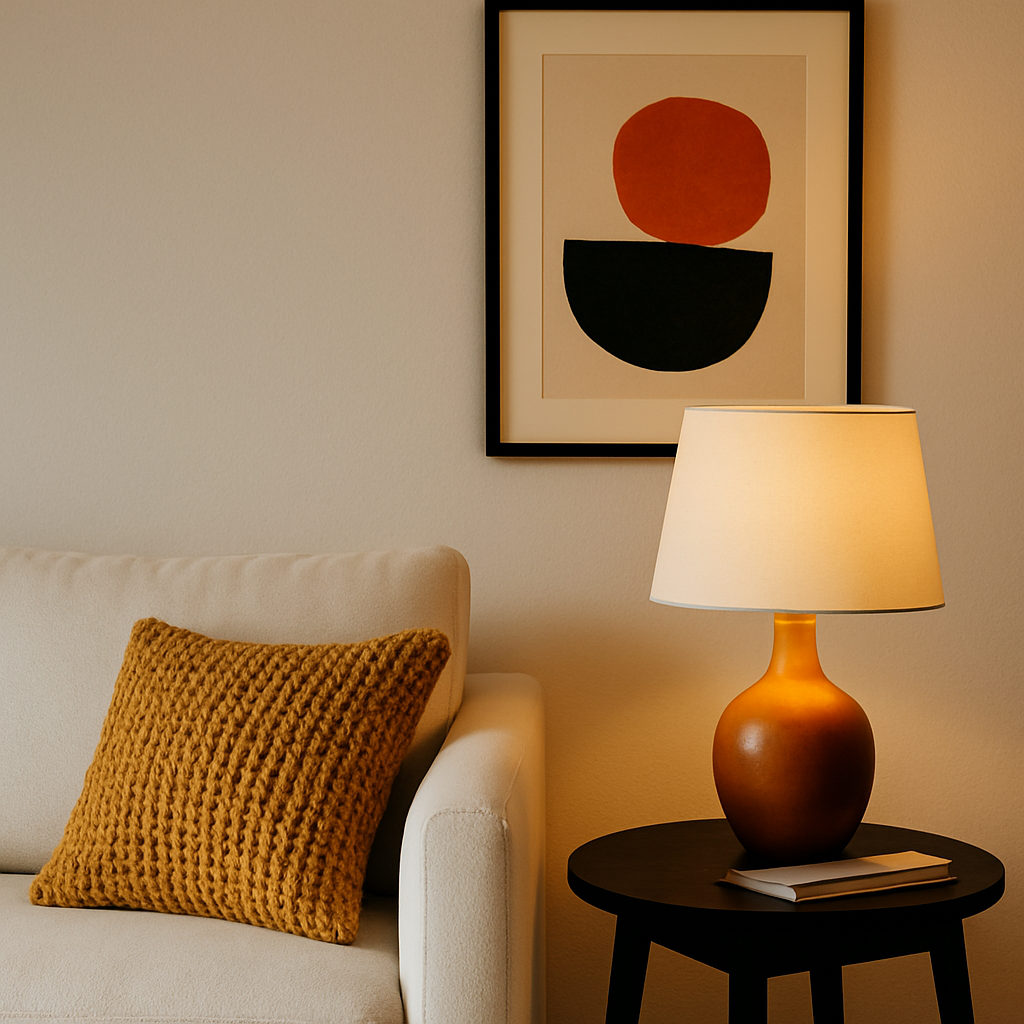
Choosing the perfect interior designer can transform your home into a space that not only reflects your personality but also boosts its market value. Did you know that well-designed interiors can increase a property's resale value by 5-15%? This statistic, frequently cited by real estate experts, underscores the importance of selecting a designer who aligns with your vision and budget. This article will guide you through foundational concepts, provide deeper analysis with data, explore actionable strategies, and offer expert-level detail on hiring the right interior designer for your needs.
Understanding the Role of an Interior Designer
Before embarking on your search, it's crucial to understand what an interior designer does. Unlike decorators, certified interior designers possess credentials such as the NCIDQ (National Council for Interior Design Qualification) that affirm their expertise in creating functional and aesthetically pleasing environments. They are trained to consider architecture, furniture, and decor elements cohesively, ensuring a harmonious outcome.
The design process typically involves several phases, including concept development, design presentation, procurement, installation, and styling. Each phase requires meticulous planning and coordination. A professional designer will guide you through these stages, ensuring that your project stays on track and within budget. Are you prepared to navigate these phases with an expert?
Furthermore, interior designers often collaborate with architects, contractors, and craftsmen to bring your vision to life. This collaboration is vital, as it ensures that the structural integrity of your space is maintained while achieving the desired aesthetic. By understanding the full scope of an interior designer's role, you can better appreciate the value they bring to your project.
The Value of Professional Credentials
When searching for an interior designer, credentials matter. Organizations such as ASID (American Society of Interior Designers) and IIDA (International Interior Design Association) provide directories of certified professionals. These credentials signify a designer's commitment to excellence and adherence to industry standards. According to Houzz's annual survey, homeowners who hired certified designers reported higher satisfaction levels.
Certification also impacts pricing. On average, certified interior designers charge between $150 to $500 per hour, reflecting their expertise and the value they provide. While this might seem steep, it's a worthwhile investment considering the potential resale value increase of 5-15%. How do you balance cost with quality in your selection process?
Moreover, professional credentials often indicate a designer's ability to work with advanced tools such as AR/VR room visualization software. These tools allow clients to preview design concepts in a virtual space, ensuring alignment before any physical changes are made. This capability can significantly enhance your project's outcome by reducing guesswork and enhancing communication.
Crafting a Detailed Project Brief
To ensure a successful collaboration, crafting a detailed project brief is essential. This document should outline your goals, budget, timeline, and any specific design preferences. A well-structured brief provides clarity and direction, helping your designer understand your vision from the outset. Consider mapping out how you use each room, noting where practical improvements are needed.
Your project brief should also include any specific styles or themes you're drawn to. Are you interested in the sleek elegance of Japandi design or the natural warmth of biophilic elements? Providing visual examples from platforms like Pinterest or Instagram can be immensely helpful. These platforms are treasure troves of inspiration, showcasing diverse styles and innovative ideas.
Additionally, be transparent about your budget. Whether you're planning a single-room redesign costing $5,000-$15,000 or a full-home project upwards of $50,000, knowing your financial parameters helps your designer make informed decisions about materials and furnishings. This transparency can prevent misunderstandings and ensure your project stays within financial limits.
Interviewing Potential Designers
Once your project brief is ready, it's time to interview potential designers. Start by reviewing portfolios on platforms like Houzz, where you can view past projects and read client reviews. Look for designers whose previous work resonates with your aesthetic preferences and project scope. During interviews, inquire about their design process, fee structure, and experience with similar projects.
It's also wise to ask about their approach to collaboration. How do they incorporate client feedback into their designs? Experienced professionals often note that effective communication is key to a successful project. Ensure the designer is open to regular meetings and updates, providing you with peace of mind throughout the process.
Furthermore, discuss timelines and availability. Designers with packed schedules may not be able to devote the necessary time to your project. Confirming their availability aligns with your timeline is crucial to avoid delays. Transitioning into the next step, once you've narrowed down your choices, it's time to delve deeper into their proposals.
Evaluating Design Proposals
After selecting a few candidates, request detailed design proposals from each. These proposals should include conceptual drawings, mood boards, and preliminary budgets. Reviewing these documents allows you to assess their understanding of your project and the creativity of their solutions. Do their ideas align with your vision?
Pay attention to how each designer incorporates sustainable and smart home elements. The 2026 design trends emphasize eco-friendly materials and technology integration. A designer who prioritizes these elements can future-proof your space, making it both stylish and sustainable.
Additionally, evaluate their procurement strategies. Designers often mark up furniture and decor purchases, but transparency in markup rates and sourcing practices can prevent unexpected costs. By comparing proposals, you can make an informed decision that balances creativity, practicality, and budget considerations.
Finalizing Your Decision
With proposals in hand, it's time to finalize your decision. Trust your instincts and choose a designer who not only meets your practical needs but also resonates with you personally. A successful designer-client relationship is built on trust and mutual respect, which is often reflected in the quality of the outcome.
Before signing any contracts, thoroughly review the terms, including payment schedules and project timelines. Clear agreements prevent misunderstandings and ensure both parties are on the same page. Are you ready to embark on this exciting transformation journey with your chosen designer?
Consider starting with a smaller project to test the waters. This approach allows you to assess the designer's compatibility with your style and expectations. If the collaboration goes well, you can confidently proceed with larger, more complex projects.
Conclusion
Choosing the perfect interior designer is a crucial step in transforming your space into a reflection of your style and needs. By understanding their role, valuing professional credentials, crafting a detailed brief, and thoroughly evaluating proposals, you can ensure a successful collaboration. Remember, a well-designed space not only enhances your quality of life but also increases your home's value.
Begin your search by exploring designer portfolios on Houzz or reaching out to local ASID chapters for recommendations. Even dedicating just 20 minutes this week to research can provide valuable insights into the design possibilities for your home. Ready to take the first step? Your perfect interior designer is just a few clicks away.



Comments
Post a Comment