How to Incorporate Sustainable Materials in Your House Interior Design
Sustainable materials have moved decisively from the margins of interior design into the mainstream, driven by consumer demand, professional advocacy, and genuine improvements in the quality and availability of eco-responsible products. The American Society of Interior Designers (ASID) reports that material sustainability is now among the top five criteria clients cite when briefing design professionals, ranking alongside aesthetic preference, durability, and budget. This shift is not merely aspirational; it reflects a practical recognition that the materials inside our homes affect indoor air quality, environmental impact, and long-term maintenance costs in measurable ways. Choosing sustainable materials is no longer a sacrifice made for ideological reasons but a strategic decision that delivers superior outcomes across multiple dimensions.
Working with a designer who understands sustainable material sourcing can prevent costly mistakes and connect you with suppliers that general consumers rarely access. Professional fees of to per hour are justified when the designer's expertise steers you away from greenwashed products toward genuinely responsible alternatives. Full-room sustainable renovations typically fall within the standard ,000 to ,000 range per room, with some materials costing more than conventional alternatives and others costing less. Are you confident that the materials in your current home are contributing to your health rather than undermining it? For many homeowners, investigating that question marks the beginning of a more intentional relationship with their living environment.
Reclaimed Wood: Character, History, and Environmental Responsibility
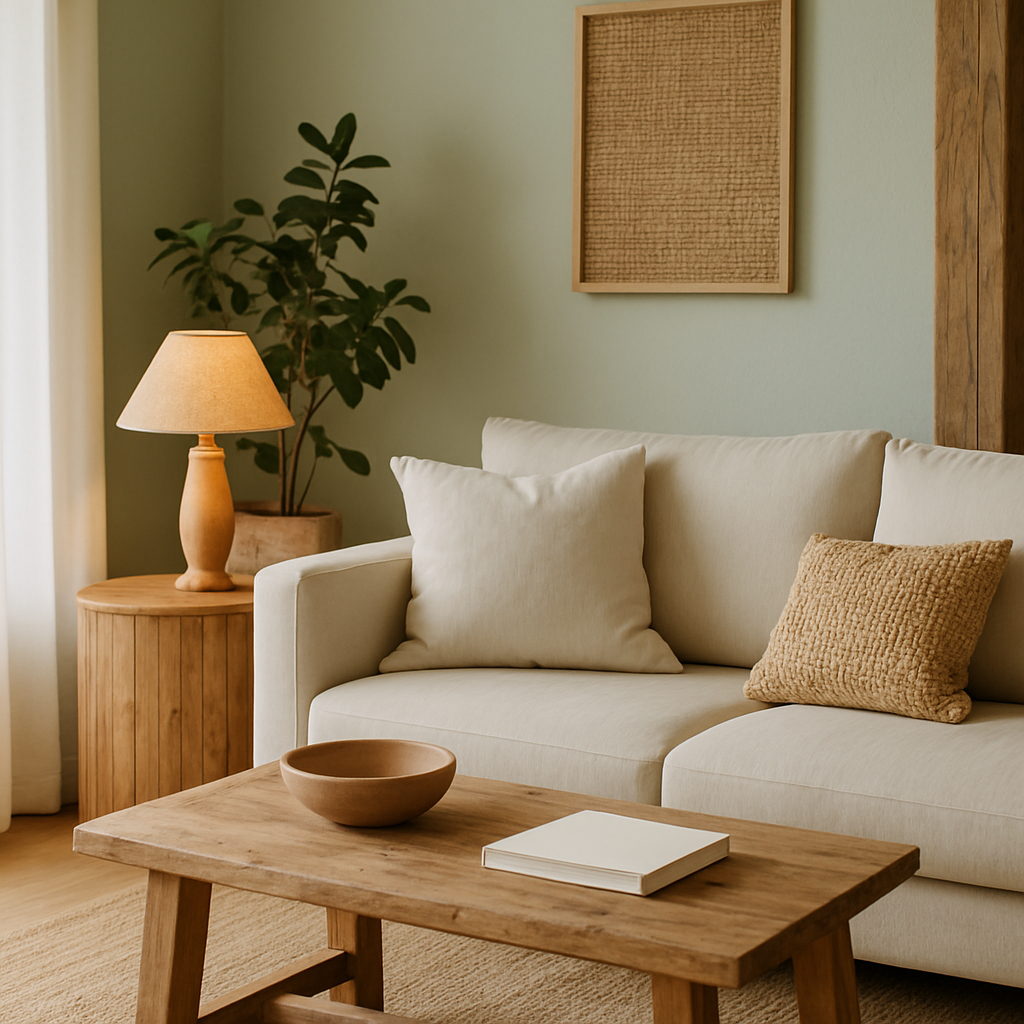
Reclaimed wood stands at the intersection of sustainability and aesthetic distinction, offering visual and textural qualities that newly harvested lumber simply cannot replicate. Sourced from dismantled barns, decommissioned factories, old ships, and demolished buildings, reclaimed timber carries the patina of decades or centuries of natural aging: weathered grain patterns, honest nail holes, saw marks, and color variations that tell a material story no finish can imitate. The environmental argument for reclaimed wood is straightforward: every board reused from an existing structure is a board that did not require a living tree to be felled, transported, milled, and kiln-dried. The National Council for Interior Design Qualification (NCIDQ) includes material lifecycle assessment in its professional competency framework, recognizing that understanding the environmental provenance of materials is fundamental to responsible design practice.
Applications for reclaimed wood in residential interiors span virtually every surface and function. Accent walls clad in reclaimed barn board create immediate warmth and visual depth. Dining tables built from salvaged industrial timbers become the anchoring centerpiece of a family's daily life. Open shelving fabricated from reclaimed planks provides both storage and visual interest, particularly when the wood retains its original surface texture and coloration. Flooring in reclaimed heart pine or oak offers hardness and stability that rival or exceed new-growth alternatives, as the old-growth timber from which most reclaimed wood originates grew more slowly and densely than modern plantation wood. Houzz project galleries consistently show reclaimed wood features generating the highest levels of client engagement and design award recognition.
Sourcing reclaimed wood responsibly requires due diligence. Reputable reclaimed wood dealers provide documentation of their material's origin, confirm that it has been inspected for structural integrity, and verify that it has been treated for insects and moisture without toxic chemicals. Lead paint is a particular concern with wood reclaimed from pre-1978 structures, and any dealer who cannot confirm lead-free status should be avoided. Pricing for certified reclaimed wood varies by species, condition, and regional availability, typically running 20 to 50 percent above equivalent new lumber. The Japandi aesthetic is particularly well served by reclaimed wood, as its visible history aligns with the wabi-sabi appreciation for imperfection and the passage of time. Properly sourced and installed, reclaimed wood is among the most environmentally responsible and visually compelling materials available for residential design, setting a standard of material integrity that extends naturally to every other surface in the home.
Bamboo, Cork, and Other Rapidly Renewable Materials
Rapidly renewable materials, defined as those harvested from sources that regenerate within a ten-year cycle, offer a compelling alternative to traditional hardwoods and other slow-growing resources. Bamboo leads this category with a growth rate that allows harvest within three to five years of planting, compared to the twenty to eighty years required for most commercial hardwood species. Modern bamboo processing has overcome the material's early reputation for inconsistency, producing flooring, cabinetry, countertops, and decorative panels with hardness, stability, and visual refinement that rival premium hardwoods. The International Interior Design Association (IIDA) has recognized bamboo as a material of significant design potential, featuring it prominently in award-winning residential and commercial projects.
Cork represents another rapidly renewable material with exceptional interior design applications. Harvested from the bark of cork oak trees without harming the tree, which regenerates its bark every nine to twelve years, cork is inherently sustainable at the material source level. Its cellular structure provides natural thermal insulation, acoustic dampening, and cushioned resilience underfoot, making it an excellent choice for flooring in kitchens, playrooms, and home offices where standing comfort matters. Cork wall panels add warmth and sound absorption to media rooms and bedrooms, while cork tiles in bathrooms provide a naturally water-resistant, warm-to-the-touch alternative to ceramic tile on floors. AD PRO has featured several luxury residential projects where cork surfaces play a prominent design role, demonstrating that this material has moved well beyond its utilitarian bulletin-board associations.
Other rapidly renewable materials gaining traction in residential design include wool (annual shearing cycle), linen derived from flax (annual crop), hemp (annual crop with minimal water requirements), and jute (annual harvest). These natural fibers serve as upholstery, rugs, curtains, and wall coverings, providing both sustainable credentials and the organic texture that biophilic design principles call for. Wool rugs in particular offer extraordinary durability, natural stain resistance, and fire retardancy without chemical treatments, making them a practical and environmental choice for high-traffic residential areas. The common thread among all rapidly renewable materials is that their harvest cycle aligns with a human timescale, ensuring that consumption does not outpace regeneration. Designers working on project percentages of 10 to 25 percent find that specifying these materials satisfies both environmental standards and aesthetic ambitions. Beyond renewability, the way materials are manufactured and finished determines their true environmental and health impact.
Low-VOC Finishes and Non-Toxic Manufacturing
The sustainability of a material depends not only on its raw source but on every process it undergoes between harvest and installation. Adhesives, sealants, stains, and finishes can introduce volatile organic compounds (VOCs) that off-gas into indoor air for months or years, compromising the health benefits that sustainable raw materials would otherwise provide. ASID guidelines now explicitly recommend specifying GREENGUARD Gold-certified products for all interior finishes, a standard that limits total VOC emissions to levels considered safe for sensitive populations including children and the elderly. This certification matters particularly in bedrooms and nurseries, where occupants spend prolonged periods in close contact with treated surfaces.
Low-VOC and zero-VOC paints have reached full parity with conventional paints in terms of coverage, durability, and color range, eliminating any performance argument for choosing their toxic alternatives. Major paint manufacturers now offer extensive low-VOC lines at price points comparable to their conventional products, making this one of the easiest sustainable switches available. Beyond paint, low-VOC options exist for wood stains, polyurethane sealants, tile adhesives, carpet backing, and composite wood binders. The formaldehyde-free MDF and plywood products that have entered the market in recent years address one of the most significant sources of indoor air pollution in conventional cabinetry and built-in millwork. Specifying these products during a kitchen or bathroom renovation adds minimal cost while substantially improving indoor air quality for the life of the installation.
Natural finish alternatives deserve particular attention for homeowners committed to comprehensive non-toxicity. Hardwax oils derived from plant-based waxes and natural oils provide durable, water-resistant protection for wood surfaces without any synthetic chemical content. Tung oil, linseed oil, and beeswax have protected wood surfaces for centuries and continue to perform exceptionally in residential applications, developing a living patina that improves with age rather than degrading. Natural lime plaster and clay plaster wall finishes offer breathable, self-regulating surfaces that moderate humidity and provide subtle texture without any synthetic binders or off-gassing concerns. These traditional finishes align beautifully with the quiet luxury trend, where material authenticity and tactile richness take precedence over high-gloss uniformity. Smart home integration enhances the benefits of non-toxic finishes through air quality monitoring systems that track VOC levels in real time, giving homeowners verifiable data about their indoor environment.
Recycled and Upcycled Materials in Modern Interiors
Recycled materials represent a second life for resources that would otherwise burden landfills or incinerators, and the design applications have expanded dramatically beyond the utilitarian aesthetics that characterized early recycled products. Recycled glass countertops, manufactured by embedding glass chips from post-consumer bottles and windshields in a resin or cement matrix, produce surfaces with jewel-like depth and luminosity that have no equivalent in natural stone. Recycled metal fixtures, hardware, and light fittings crafted from reclaimed copper, brass, and steel offer the warmth and character of aged metals without the environmental cost of new mining and smelting. Even recycled paper, compressed and treated with natural resins, has entered the countertop market as a surprisingly durable and visually distinctive surface material.
Upcycling, the creative transformation of discarded objects into higher-value design elements, has been embraced by designers at every level of the market. A set of vintage industrial pulleys becomes a distinctive chandelier. Salvaged architectural ironwork transforms into a striking room divider. Decommissioned laboratory beakers and chemistry flasks find new purpose as vases and terrariums. The creative possibilities are limited only by imagination, and the resulting pieces carry a narrative authenticity that mass-produced decor cannot replicate. NCIDQ-certified designers with upcycling expertise can identify potential in materials that most people would discard, sourcing from architectural salvage yards, industrial surplus dealers, and demolition sites to create custom pieces that serve as focal points in residential interiors.
The economic argument for recycled and upcycled materials is compelling at every budget level. Recycled glass countertops price comparably to mid-range natural stone, while recycled metal hardware often costs less than new artisan alternatives of equivalent visual quality. Upcycled furniture pieces, whether sourced from a skilled fabricator or undertaken as a personal DIY project, routinely cost a fraction of comparable new custom work while delivering far more character and conversation value. AR/VR visualization tools help homeowners envision how unconventional recycled and upcycled materials will look in their specific spaces before committing to purchases, reducing the hesitation that sometimes accompanies non-traditional material choices. The growing market for these materials reflects a broader cultural recognition that waste is a design failure rather than an inevitable byproduct of consumption. What discarded materials in your own home or community could find a second life as a distinctive design element?
Certification Systems and How to Verify Sustainability Claims
Navigating the landscape of sustainability certifications can feel overwhelming, but a handful of key standards provide reliable guidance for homeowners and designers. The Forest Stewardship Council (FSC) certification remains the gold standard for wood products, verifying that timber was harvested from responsibly managed forests with protections for biodiversity, worker rights, and indigenous community interests. GREENGUARD and GREENGUARD Gold certifications verify that finished products meet strict limits on chemical emissions, with the Gold standard applying the more stringent thresholds appropriate for sensitive environments. Cradle to Cradle certification evaluates products across five categories, material health, material reutilization, renewable energy use, water stewardship, and social fairness, providing the most comprehensive single assessment of a product's sustainability profile.
For textiles, the OEKO-TEX Standard 100 certification tests for over one hundred harmful substances, including pesticide residues, heavy metals, and formaldehyde, providing assurance that certified fabrics are safe for direct skin contact. The Global Organic Textile Standard (GOTS) goes further, certifying the organic status of raw fibers and imposing environmental and social criteria throughout the entire processing chain from farm to finished product. Houzz has begun incorporating sustainability certification data into its product listings, allowing homeowners to filter searches by environmental credentials alongside conventional criteria like style, material, and price. This integration of sustainability data into mainstream design platforms represents a significant step toward making certified products the default choice rather than a niche specialty.
Skepticism remains appropriate even with certified products, and homeowners should understand the distinction between rigorous third-party certification and less meaningful self-declarations. A manufacturer claiming their product is "eco-friendly" or "natural" without citing a specific third-party certification standard is making an unverified marketing claim. Similarly, a product certified under one standard may still fall short in areas that standard does not address; FSC-certified wood, for example, may still be finished with high-VOC sealants unless separately certified under GREENGUARD. IIDA-affiliated designers are trained to evaluate the complete material picture rather than accepting a single certification as comprehensive proof of sustainability. This holistic evaluation is one of the most valuable services a professional designer provides, ensuring that the to hourly consultation fee delivers genuine environmental protection rather than expensive greenwashing. Understanding certifications empowers you to ask the right questions, but implementing sustainable materials requires a practical plan tailored to your specific home and budget.
Building Your Sustainable Material Action Plan
A practical sustainable material plan begins with an audit of your current home, identifying the highest-priority replacement opportunities based on health impact, environmental footprint, and renovation timeline. Start with the surfaces you touch and breathe closest to: mattresses, bedding, and bedroom flooring deserve first attention because of the prolonged intimate contact they involve. Kitchen and bathroom surfaces follow, as these rooms combine moisture, heat, and heavy daily use in ways that accelerate off-gassing from conventional materials. Living areas and shared spaces come next, with flooring, paint, and soft furnishings as the primary targets. This phased approach allows you to spread costs over months or years while making the most health-impactful changes first.
Budgeting for sustainable materials requires adjusting expectations in some categories while recognizing savings in others. Sustainable materials that typically cost more than conventional alternatives include FSC-certified hardwood (10 to 30 percent premium), organic textiles (15 to 40 percent premium), and artisan-crafted reclaimed wood furniture (variable but often significant premium). Sustainable materials that cost comparable to or less than conventional alternatives include low-VOC paint (equivalent pricing), bamboo flooring (often less than equivalent hardwood), secondhand and vintage furniture (typically 40 to 70 percent below new retail), and DIY upcycled elements (material cost only). Designers working within the standard per-room range of ,000 to ,000 can accommodate a substantially sustainable material palette by strategically allocating budget to the categories where premiums exist and capturing savings where sustainable options are price-competitive.
Documentation of your sustainable choices adds value beyond personal satisfaction. Maintaining a home materials portfolio that records the certification, source, and environmental credentials of every major material in your home creates an asset that enhances resale value and differentiates your property in an increasingly eco-conscious real estate market. This portfolio also simplifies future maintenance and replacement decisions by providing a reference standard against which new purchases can be evaluated. How would it feel to walk through your home knowing that every surface, every textile, and every finish was chosen with both beauty and responsibility in mind? That comprehensive intentionality is achievable, and it starts with your next material decision. Schedule a consultation with an ASID or NCIDQ-certified designer who specializes in sustainable sourcing, bring your prioritized audit list, and begin building a home that reflects your commitment to both exceptional design and environmental stewardship.
More Articles You May Like



Comments
Post a Comment