The Future of Interior Design Jobs: Trends Shaping the Industry Today
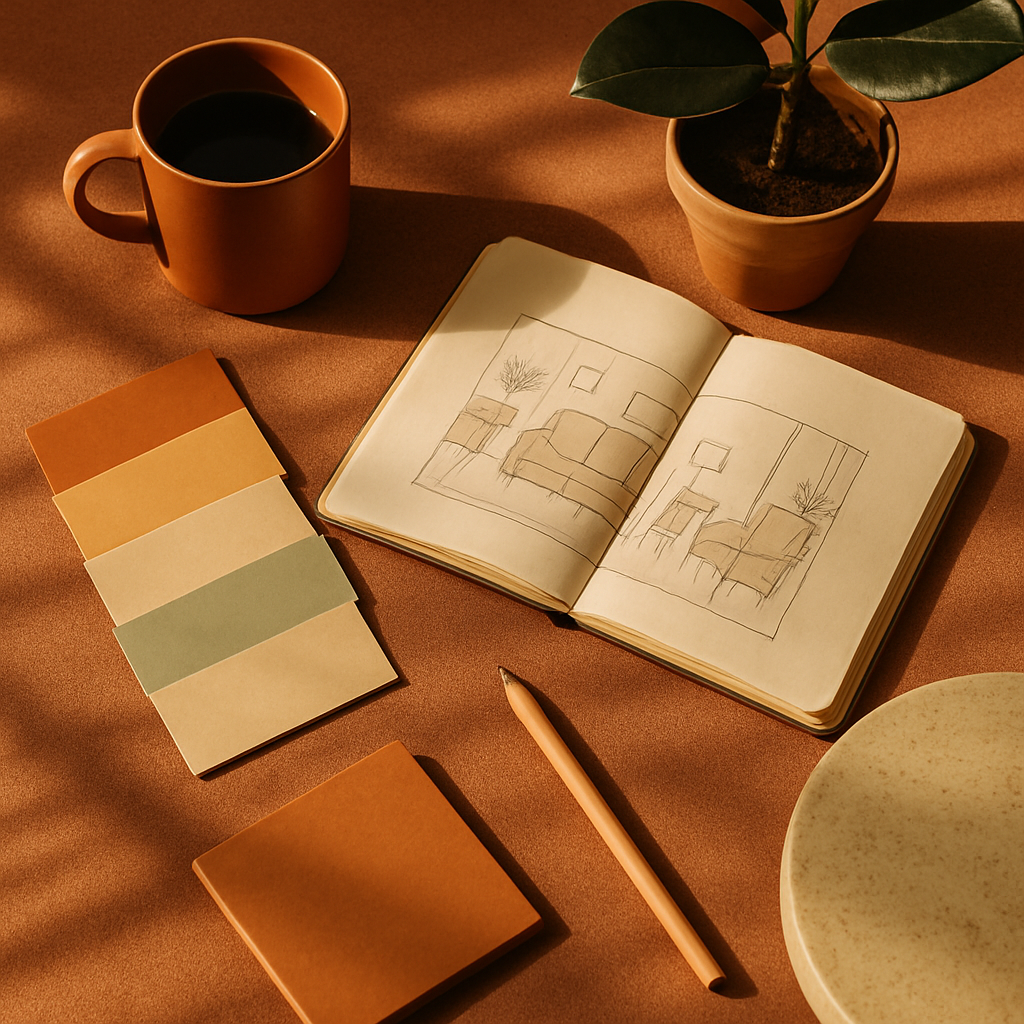
Imagine a home where your lights adjust automatically to mimic natural sunlight, or where your living room can transform with a swipe on your phone. Such innovations are not just futuristic fantasies but are shaping the present landscape of the interior design industry. The future of interior design jobs is evolving rapidly, driven by technological advancements and changing consumer preferences. In this article, we'll explore the trends redefining these roles, examine the data supporting these changes, and provide actionable strategies for professionals to thrive in this exciting field. From understanding new design paradigms to leveraging cutting-edge tools, we'll delve into everything you need to know to stay ahead.
Understanding Foundational Concepts in Interior Design
To appreciate the changes in the interior design industry, it's essential to grasp the foundational concepts that have traditionally governed the profession. Interior design is not merely about aesthetics; it's a complex interplay of art and science aimed at enhancing the quality of life and culture of the occupants. Certified interior designers, recognized by credentials such as the NCIDQ (National Council for Interior Design Qualification) and affiliations with organizations like ASID (American Society of Interior Designers), merge creativity with functionality to create spaces that are both beautiful and practical.
Historically, interior design focused on the aesthetic enhancement of spaces. However, the role has expanded to include considerations such as sustainability, accessibility, and smart technology integration. This shift means that professionals must now balance traditional design skills with new competencies. For example, the rise of biophilic design, which emphasizes a connection with nature, is influencing how spaces are conceptualized. Designers are now tasked with creating environments that promote well-being through natural materials and textures.
The financial aspect of interior design also plays a critical role. Well-designed spaces can increase a property's resale value by 5-15%, according to industry surveys. This statistic underscores the importance of strategic design choices that marry form and function. As we look to the future, these foundational concepts will continue to evolve, demanding that designers stay informed about industry developments.
Deeper Analysis: Data and Trends Shaping the Industry
The interior design industry is undergoing a transformation fueled by data-driven insights and emerging trends. According to the Houzz annual survey, homeowner spending on renovations has seen a significant increase, reflecting a growing emphasis on personalized and functional living spaces. This trend suggests that as consumers invest more in their homes, they expect designs that cater to their specific needs and lifestyles.
Technological integration is another pivotal trend reshaping the landscape. Smart home devices, ranging from automated window treatments to climate control systems, are becoming standard in modern designs. The demand for these features is supported by a report from the International Interior Design Association (IIDA), which indicates that 70% of clients are interested in incorporating smart technology into their homes. This data highlights the necessity for designers to stay abreast of tech developments to meet client expectations.
Moreover, sustainability is no longer an optional consideration but a critical component of design practice. The use of sustainable and reclaimed materials is gaining traction, aligning with consumer preferences for environmentally friendly options. A study published by the American Institute of Architects (AIA) found that 60% of architects and designers are prioritizing sustainable design practices. As these trends continue to shape the industry, professionals must adapt and innovate to remain competitive.
Actionable Strategies for Interior Designers
As an interior designer, how can you adapt to these industry changes and ensure your skills remain relevant? One effective strategy is to invest in continuous education and professional development. Organizations like ASID and IIDA offer workshops and certifications that can enhance your knowledge and expertise. By staying informed about the latest design trends and technologies, you position yourself as a leader in the field.
Networking with other professionals and joining industry groups can also provide valuable insights and opportunities. Platforms such as Houzz offer forums for designers to share experiences and discuss challenges. Engaging with these communities allows you to learn from peers, gain exposure to diverse design philosophies, and even find potential collaborators for projects.
Finally, leveraging digital tools can significantly enhance your design process. AR/VR room visualization tools, for instance, allow clients to virtually experience a space before any physical changes are made. This technology not only improves client satisfaction but also streamlines the design process by minimizing revisions. By integrating such tools into your practice, you can offer clients a more immersive and informed design experience.
Expert-Level Detail in Design Projects
Experienced professionals often note that the success of an interior design project hinges on meticulous attention to detail. This includes the initial concept development phase, where the designer collaborates closely with the client to understand their vision and requirements. During this phase, the designer's role is to balance creative ideas with practical solutions, ensuring the project aligns with the client's budget and timeline.
The design presentation is another critical stage, where detailed plans and visualizations are shared with the client. Utilizing tools like 3D renderings and mood boards can help convey complex ideas effectively. This step is crucial for securing client buy-in and setting clear expectations for the project's execution.
Finally, the procurement and installation phases require careful planning and coordination. Designers must manage relationships with suppliers, oversee the acquisition of materials, and ensure that installations are executed flawlessly. By paying close attention to these details, designers can deliver projects that not only meet but exceed client expectations, reinforcing their reputation for quality and excellence.
Additional Depth: Navigating Industry Challenges
Navigating the challenges of the interior design industry requires resilience and adaptability. Economic fluctuations can impact client budgets and project scopes, demanding that designers remain flexible and resourceful. By offering a range of service options, such as flat fees or hourly rates, you can accommodate different client needs and foster long-term relationships.
Another challenge is the evolving landscape of client expectations. Today's clients are more informed and have higher expectations, often driven by exposure to design inspiration on platforms like Instagram and Pinterest. As a designer, how do you ensure you're meeting these high standards? Regularly updating your portfolio and showcasing a diverse range of styles and projects can demonstrate your versatility and skill.
Finally, staying ahead in the industry involves embracing new technologies and methodologies. The rise of Japandi, a design trend that blends Japanese minimalism with Scandinavian warmth, is a testament to the ever-changing nature of design aesthetics. By staying open to new influences and continuously refining your style, you ensure your relevance in an increasingly competitive field.
Final Perspectives on the Future of Interior Design Jobs
As the interior design industry continues to evolve, professionals must be proactive in adapting to new trends and technologies. The integration of smart home features and sustainable practices is not just a trend but a necessity that will define the future of design. Embracing these changes can open new avenues for creativity and innovation.
Additionally, the role of the interior designer is expanding beyond aesthetics to include aspects like environmental impact and technology integration. This evolution presents an opportunity for designers to redefine their roles and offer comprehensive solutions that enhance both the function and form of spaces. By staying informed and adaptable, you can confidently navigate the future of interior design.
Are you ready to take the next step in your interior design career? Start by browsing portfolios on platforms like Houzz this week - even 20 minutes of research will sharpen your eye for what you want. The future of interior design jobs is bright for those who are prepared to innovate and grow.



Comments
Post a Comment