10 Must-Know Tips for Creating a Cozy Room Interior Design
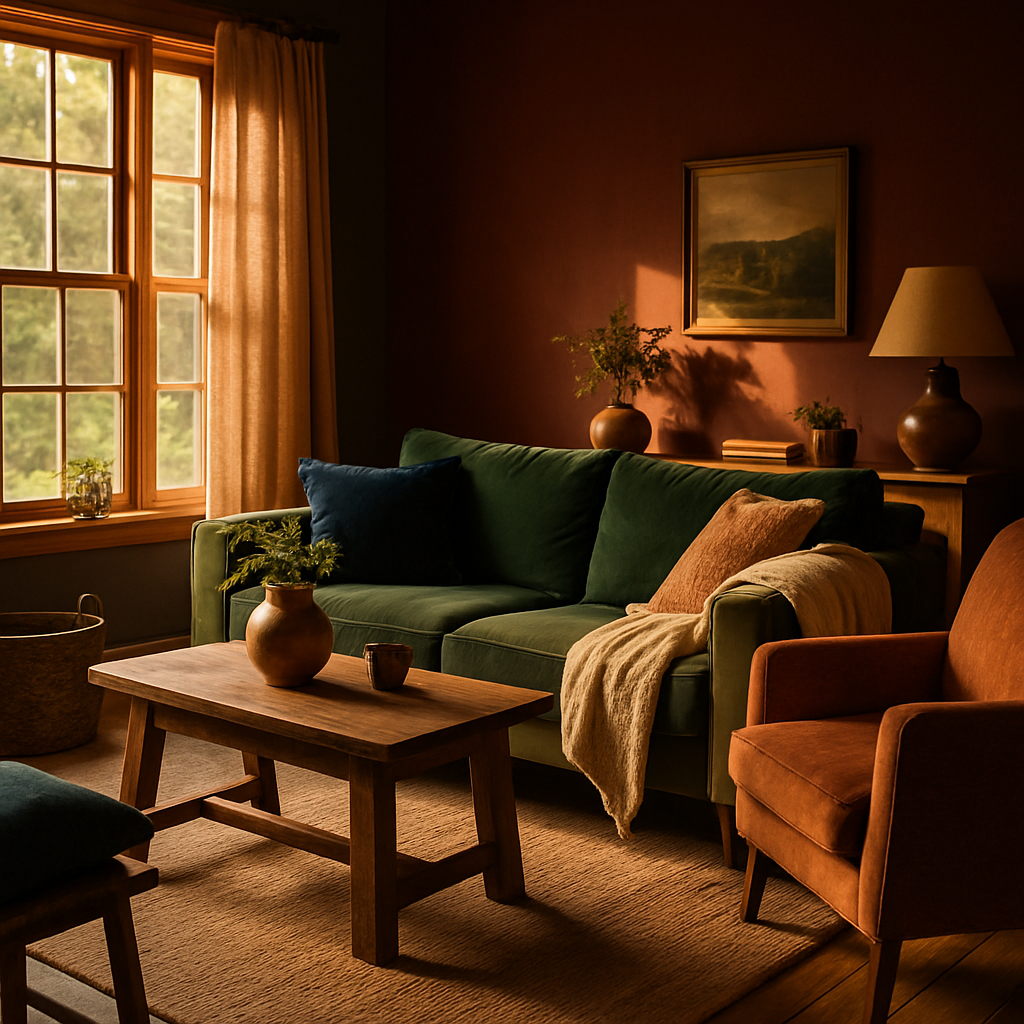
There is something deeply restorative about walking into a room that wraps around you like a favorite blanket. In a world dominated by fast-paced routines and digital overload, the spaces we inhabit have become sanctuaries of comfort and calm. Creating a cozy room interior design is not merely about piling up cushions or dimming the lights; it is about orchestrating an environment that nurtures well-being, sparks joy, and reflects the people who live within it. The American Society of Interior Designers (ASID) reports that 90 percent of homeowners who invest in professional interior design say it significantly improves their quality of life. Whether you live in a sprawling suburban home or a compact urban apartment, these ten essential tips will guide you toward crafting a space that feels warm, inviting, and unmistakably yours. From layered textiles to biophilic accents, every detail matters when the goal is genuine comfort.
Embrace Layered Textures for Tactile Warmth
The foundation of any cozy room begins with texture. Smooth surfaces and uniform materials may look polished in a showroom, but they rarely evoke the sense of warmth that a well-layered space can achieve. Start by combining materials with different tactile qualities: a chunky knit throw over a velvet armchair, a jute rug anchoring a seating area over hardwood floors, or linen curtains softening the edges of a window frame. Each layer adds visual depth and physical comfort, inviting residents and guests to reach out and touch.
Professional designers affiliated with the International Interior Design Association (IIDA) often recommend the rule of three textures per seating zone. This principle ensures that the eye moves naturally across a space without feeling either sparse or chaotic. A leather ottoman paired with a wool blanket and a cotton-covered cushion, for example, creates a dynamic trio that balances sophistication with approachability. The interplay of matte and sheen, rough and smooth, thick and thin generates a sensory richness that no single fabric can deliver on its own.
Do you notice how certain hotel lobbies or boutique cafes feel instantly welcoming? That sensation is almost always the result of deliberate texture layering. Consider adding woven baskets for storage, ceramic vases with organic glazes, or even a reclaimed wood accent wall. These elements contribute to the Japandi aesthetic that merges Japanese minimalism with Scandinavian coziness, and they prove that comfort does not require clutter. Every texture you introduce should serve both a functional and an emotional purpose, reinforcing the idea that this room was designed to be lived in, not merely looked at.
Optimize Lighting to Set the Right Mood
Lighting is the single most transformative tool in an interior designer's repertoire, yet it remains one of the most overlooked elements in residential spaces. Harsh overhead fluorescents can drain a room of warmth faster than any paint color or furniture choice. Instead, aim for a layered lighting scheme that combines ambient, task, and accent sources. A central pendant or chandelier provides general illumination, table lamps offer focused reading light, and candles or LED strip lighting introduce a soft glow that makes evenings feel special.
Smart home lighting systems have made mood control remarkably accessible. Programmable bulbs allow homeowners to shift color temperature from cool daylight tones during productive morning hours to warm amber hues as the sun sets. According to a study published by the Lighting Research Center, warm-toned lighting below 3000 Kelvin promotes relaxation and reduces cortisol levels. Installing dimmer switches throughout the home is a relatively inexpensive upgrade, typically costing between fifty and one hundred dollars per room, that delivers outsized impact on the overall atmosphere.
Have you ever considered how the placement of a single lamp can change the entire character of a room? Positioning a floor lamp behind a reading chair creates a halo effect that defines the space as a personal retreat. Wall sconces flanking a fireplace draw the eye toward a natural focal point. Even the flicker of a beeswax candle on a side table introduces movement and life. The goal is to eliminate flat, even lighting in favor of pools and pockets of light that guide the way people move through and settle into a space, making every corner feel intentional and intimate.
Choose a Warm and Grounding Color Palette
Color psychology plays a critical role in how a room feels the moment you step inside. Cool grays and stark whites can feel clinical and distant, while overly saturated tones may generate visual fatigue. The sweet spot for coziness lies in earthy, muted hues: terracotta, warm taupe, sage green, soft clay, and creamy off-whites. These colors echo the natural world, grounding the space and creating a backdrop that feels both calming and sophisticated. The quiet luxury movement in interior design has elevated these understated palettes, proving that restraint can be the ultimate form of elegance.
When selecting paint colors, designers certified by the National Council for Interior Design Qualification (NCIDQ) advise testing samples on multiple walls and observing them at different times of day. A color that looks perfect under morning light may shift dramatically under incandescent bulbs at night. Paint companies now offer large peel-and-stick samples specifically for this purpose. Beyond walls, carry your chosen palette into upholstery, throw pillows, artwork frames, and even book spines displayed on shelves. Consistency across these touchpoints creates a cohesive visual narrative that makes the room feel thoughtfully composed.
Accent colors should complement rather than compete with the base palette. A deep burgundy cushion against a warm beige sofa adds richness without disruption. A burnt orange ceramic bowl on a walnut shelf introduces a subtle pop that feels organic rather than forced. The key is to maintain a tonal harmony where every element belongs to the same color family, even if individual pieces vary in saturation or value. This approach ensures that the room reads as a unified whole, a space where nothing jars the eye and everything contributes to an overarching sense of warmth and welcome.
Incorporate Biophilic Design Elements
Biophilic design, the practice of integrating natural elements into built environments, has moved from niche concept to mainstream essential. Research from the International WELL Building Institute shows that exposure to natural materials, daylight, and vegetation reduces stress and boosts cognitive function by up to fifteen percent. In a cozy room context, biophilic elements serve double duty: they connect occupants to the rhythms of nature while adding layers of visual and textural interest that manufactured products alone cannot replicate.
Start with plants. A trailing pothos on a bookshelf, a fiddle-leaf fig in a woven basket planter, or a cluster of succulents on a windowsill instantly breathes life into any room. Beyond greenery, consider incorporating natural materials such as stone, untreated wood, cork, and rattan. A live-edge coffee table, a stone coaster set, or bamboo window blinds all reinforce the connection to the outdoors without requiring a complete renovation. Water features, even a small tabletop fountain, introduce the soothing sound of flowing water that masks urban noise and deepens the sense of tranquility.
What would it feel like to wake up in a bedroom where the first thing you see is sunlight filtering through sheer curtains onto a cluster of fresh herbs on the sill? That image captures the essence of biophilic coziness. Dried floral arrangements, pressed botanical prints in simple frames, and natural fiber rugs made from sisal or wool extend the theme throughout the home. Designers on Houzz consistently rank biophilic elements among the top three features that clients request for bedrooms and living rooms. The message is clear: our interiors feel most like home when they remind us of the natural world we evolved to inhabit.
Select Furniture That Prioritizes Comfort Without Sacrificing Style
Furniture is the backbone of any room, and in a cozy interior, comfort must lead the conversation. That does not mean choosing oversized recliners that dominate the space. Instead, seek out pieces that invite you to sit down and stay awhile: deep-seated sofas with generous cushions, armchairs with supportive lumbar curves, and ottomans that double as footrests and extra seating. The Japandi influence has introduced clean-lined furniture with organic curves that feel both minimal and welcoming, proving that comfort and style are not opposing forces.
When shopping for upholstered pieces, pay attention to fill material and seat depth. High-resilience foam wrapped in down provides the ideal balance of support and softness, maintaining its shape over time while still feeling plush on first contact. Interior designers charging between one hundred fifty and five hundred dollars per hour often begin projects with a thorough seating audit, testing existing furniture for ergonomic performance before recommending replacements. This process ensures that every dollar spent on new furniture translates directly into improved daily comfort.
Scale matters enormously in creating coziness. A room stuffed with oversized pieces feels cramped rather than comfortable, while furniture that is too small for the space creates an awkward, uninviting emptiness. Measure your room carefully and choose pieces that leave clear pathways for movement while still defining intimate conversation zones. A pair of swivel chairs angled toward a fireplace, a loveseat tucked into a bay window, or a round dining table that encourages face-to-face interaction all contribute to the feeling that this room was designed for people, not for show.
Add Personal Touches That Tell Your Story
The most beautifully designed room in the world will feel hollow if it lacks personal character. Coziness is ultimately about belonging, and nothing creates that sense more effectively than objects that carry personal meaning. Family photographs in mismatched vintage frames, travel souvenirs displayed on a dedicated shelf, a grandmother's quilt draped over a reading chair, or a collection of well-loved books arranged by color or subject all transform a generic space into a home that tells a story.
AD PRO features regularly highlight the trend of curated personal collections as design anchors. A wall of framed concert posters, a cabinet of handmade pottery, or a gallery of children's artwork can serve as a room's focal point while revealing the personalities of its inhabitants. The key is intentional display rather than random accumulation. Group related objects in odd numbers, vary heights and scales within each grouping, and ensure that every item earns its place by sparking a genuine emotional response.
Consider dedicating a corner or nook to a specific activity that brings you joy. A reading nook with a comfortable chair, good lighting, a small side table for tea, and a curated stack of current reads creates a micro-retreat within the larger room. A music corner with an instrument, headphones, and a comfortable stool invites creative expression. These personalized zones communicate that the room is not a static display but an active, evolving space that supports the real lives of the people who use it. When guests enter, they should immediately sense that this room belongs to someone specific, not to a catalog.
Use Scent and Sound to Complete the Sensory Experience
Interior design engages the eyes and the hands, but a truly cozy room also speaks to the nose and the ears. Scent is one of the most powerful triggers of memory and emotion, and a carefully chosen fragrance can anchor a room's identity as firmly as any paint color. Natural soy candles in warm scents like vanilla, sandalwood, cedarwood, or fresh linen create an olfactory layer that reinforces the visual warmth of the space. Reed diffusers offer a flame-free alternative that maintains a consistent background fragrance throughout the day.
Sound design is equally important but often neglected in residential interiors. Hard surfaces like tile, glass, and exposed concrete amplify noise and create a cold, echoey atmosphere that undermines coziness. Soft furnishings, area rugs, heavy curtains, and upholstered wall panels all absorb sound, reducing reverberation and creating a quieter, more intimate environment. A room with good acoustics feels noticeably more relaxing, even if the occupant cannot pinpoint exactly why.
Background music or ambient sounds can further enhance the mood. A small Bluetooth speaker tucked into a bookshelf playing soft jazz, acoustic guitar, or nature sounds adds a living quality to the room that silence alone cannot achieve. Smart home systems allow automation: gentle morning playlists that fade in with the sunrise, evening soundscapes that wind down with the day. When all five senses are engaged harmoniously, the result is a room that does not just look cozy but genuinely feels cozy, a space where every element works in concert to promote rest, connection, and well-being.
Conclusion
Creating a cozy room interior design is a journey that goes far beyond selecting attractive furniture and painting the walls a warm color. It is an act of intentional living, a decision to prioritize comfort, personal expression, and sensory richness in the spaces where you spend the most meaningful moments of your life. From layered textures and biophilic elements to warm lighting and personal storytelling, each of the ten tips explored in this guide contributes to an environment that nurtures both body and spirit. The best interiors are not those that impress on first glance but those that feel better with every visit, revealing new details and deepening the sense of belonging over time.
Whether you are starting from scratch or refreshing a room that has lost its spark, begin with the elements that resonate most strongly with your lifestyle. Light a candle, drape a throw, bring in a plant, and notice how even small changes can shift the energy of a space. If you feel ready for a more comprehensive transformation, consider consulting a certified interior designer who can help translate your vision into a cohesive plan. Your home deserves to be a place that restores you, and the path to that cozy sanctuary begins with a single intentional step. Start today, and let your space become the retreat you have always wanted.
More Articles You May Like



Comments
Post a Comment