The Evolution of Interior Design: Trends That Shaped Modern Spaces
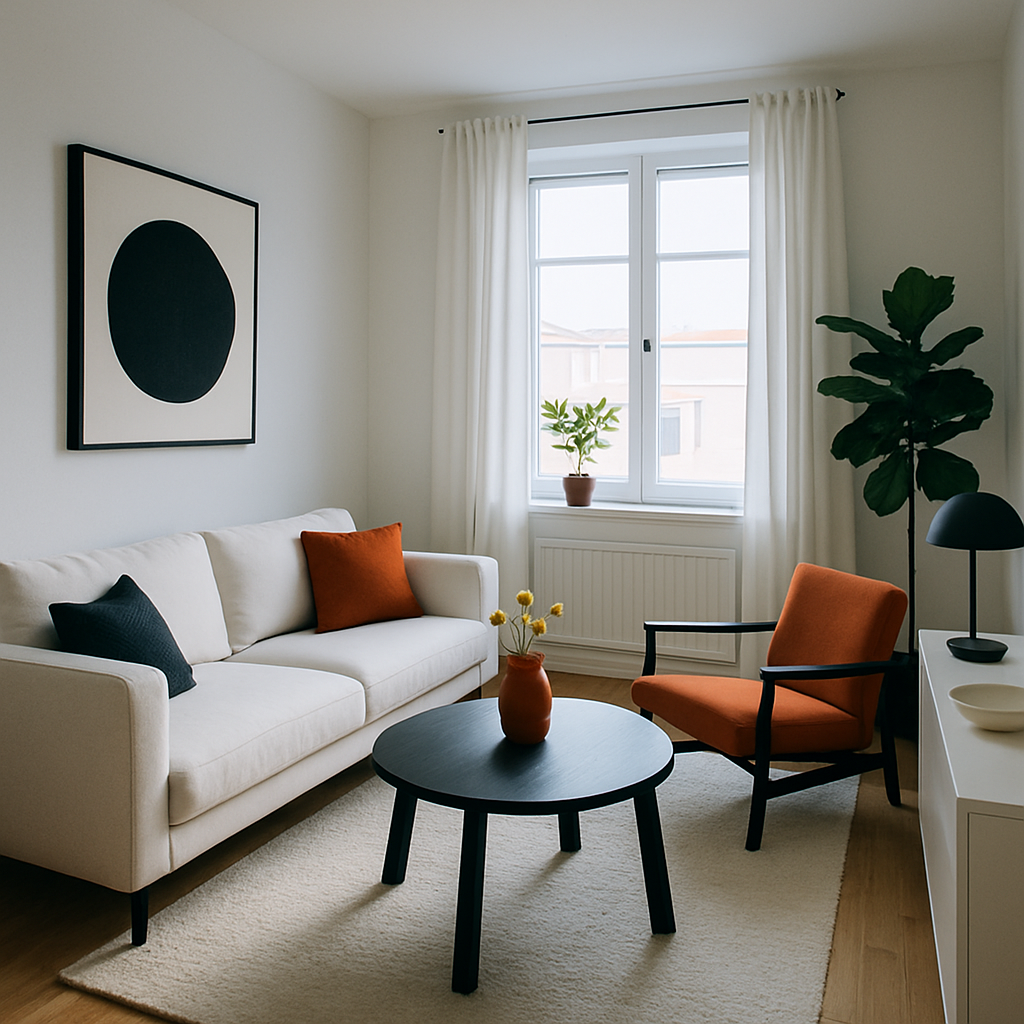
Have you ever walked into a room and felt an immediate sense of peace, as if the space itself was designed to cater precisely to your needs? This feeling is no accident but the result of thoughtful interior design that has evolved significantly over the years. The evolution of interior design has been influenced by cultural shifts, technological advancements, and changing lifestyles. Today, we explore how these trends have shaped modern spaces and the actionable strategies you can use to transform your own home.
The Foundations of Modern Interior Design
The roots of modern interior design can be traced back to the early 20th century when the movement began to take shape. Prior to this, interiors were heavily ornamented and cluttered, a stark contrast to the clean lines and simplicity that define modern spaces today. Influential figures such as Le Corbusier and the Bauhaus school advocated for functionality and minimalism, setting the stage for contemporary design principles. Their emphasis on form following function paved the way for the sleek, efficient interiors we see now.
The mid-century modern movement further solidified these concepts, emphasizing organic forms and the use of new materials like plastics and plywood. Designers like Charles and Ray Eames popularized furniture that was not only functional but also aesthetically pleasing. This era highlighted the importance of integrating design with everyday life, making modern interiors more accessible to the average person. What aspects of your current space could benefit from this blend of form and function?
As technology advanced, so too did the materials and techniques available to designers. The late 20th century saw an influx of high-tech elements and open floor plans, reflecting a desire for more flexible and adaptable living spaces. The integration of technology into interior design not only improved functionality but also allowed for greater personalization. These foundational concepts continue to influence modern interiors, emphasizing simplicity, efficiency, and adaptability. The next section will delve deeper into how these elements have been quantified and their impact measured.
Analyzing Trends with Data and Surveys
Understanding the evolution of interior design requires acknowledging the data-driven insights that guide industry professionals. According to an annual survey conducted by Houzz, homeowners increasingly prioritize functionality and comfort, with 58% seeking to improve their living spaces' layout. This demand for practical interiors aligns with the design principles established by early modernists. The survey highlights how the desire for efficiency and comfort has become a cornerstone of modern design.
Furthermore, the American Society of Interior Designers (ASID) reports that well-designed interiors can enhance a property's resale value by 5-15%. This data underscores the financial benefits of investing in quality design, which not only improves daily living but also serves as a long-term investment. How might this knowledge influence your approach to home improvement projects? By understanding these trends, you can make informed decisions that balance aesthetics with value.
Another significant trend is the rise of sustainable and eco-friendly design. ASID surveys indicate that more than 70% of designers incorporate sustainable practices into their projects. This shift is driven by increased consumer awareness and demand for environmentally responsible products. By prioritizing sustainable materials and energy-efficient solutions, you can create a healthier living environment while contributing to global sustainability efforts. The following section will provide actionable strategies to help you implement these trends in your own home.
Implementing Modern Design Strategies in Your Home
Embracing modern interior design trends doesn't require a complete overhaul of your existing space. Instead, focus on incremental changes that align with your lifestyle and budget. Start by assessing the functionality of each room: Are there areas that feel cramped or underutilized? Consider reconfiguring your furniture layout or incorporating multi-functional pieces that maximize space without sacrificing style.
Incorporating technology can also elevate your home's design. Smart home integration, such as automated lighting and climate control, enhances convenience while adding a touch of modern sophistication. Platforms like AD PRO offer insights into the latest tech innovations in interior design, helping you stay ahead of the curve. What smart technologies could improve your daily life?
Additionally, focus on sustainable design elements such as reclaimed materials and energy-efficient appliances. Not only do these choices reduce your environmental footprint, but they also offer a unique aesthetic appeal. For instance, using reclaimed wood for furniture or flooring adds character and history to your space. By making thoughtful design choices, you can create a modern home that reflects both your personal style and commitment to sustainability. The next section will delve into expert insights and industry practices that further enhance your design approach.
Expert Insights into Modern Design Practices
Experienced professionals often note that successful interior design hinges on a deep understanding of the client's needs and preferences. The NCIDQ (National Council for Interior Design Qualification) certification ensures that designers possess the knowledge and skills necessary to create safe, functional, and aesthetically pleasing spaces. This credential is a hallmark of expertise, distinguishing certified interior designers from decorators without formal training.
Moreover, platforms like Houzz and Instagram provide a wealth of inspiration through designer portfolios and project photos. These resources allow you to explore a variety of styles and identify what resonates with you. By curating a vision board or collection of images, you can communicate your preferences more effectively to a designer, ensuring that your space aligns with your vision.
Industry experts also emphasize the importance of staying informed about emerging trends and technologies. Attending design expos and seminars, such as those hosted by the International Interior Design Association (IIDA), can provide valuable insights and networking opportunities. By engaging with the design community, you can gain a deeper understanding of the industry's direction and how to apply these trends to your own projects. The next section will offer additional depth on how these practices translate into tangible results.
Achieving Tangible Results Through Interior Design
Interior design is not just about aesthetics; it's about enhancing the overall experience of a space. By implementing the strategies discussed, you can create an environment that is both visually appealing and functional. A well-designed home can improve your quality of life, increase productivity, and provide a sanctuary from the stresses of the outside world. Have you considered how your current space affects your daily mood and efficiency?
The financial benefits of interior design also cannot be overlooked. As mentioned earlier, a thoughtfully designed interior can increase your home's resale value significantly. This return on investment makes professional design services a wise choice for homeowners looking to maximize their property's potential. Understanding fee structures, such as flat fees or hourly rates, can help you budget effectively and make informed decisions about design services.
Additionally, the incorporation of current trends, like biophilic design and Japandi (a fusion of Japanese minimalism and Scandinavian warmth), can add a contemporary touch to your home. These styles not only offer aesthetic appeal but also promote wellness and relaxation. By staying attuned to industry trends and applying them thoughtfully, you can achieve a harmonious balance between style and substance. The final section will provide a comprehensive perspective on the evolution of interior design and its future trajectory.
Final Perspectives on the Evolution of Interior Design
The journey of interior design is one of continuous evolution, driven by the interplay of tradition and innovation. As we move forward, the industry will likely continue to prioritize sustainable practices, technological integration, and personalized design solutions. These elements are not passing fads but enduring components that reflect the values and aspirations of modern society. How can you incorporate these principles into your ongoing design projects?
Designers and homeowners alike are embracing tools like AR/VR room visualization to experiment with layouts and styles before making permanent changes. This technology allows for greater creativity and precision in the design process, ensuring that the final result aligns with the client's vision. As these tools become more accessible, they will play an increasingly important role in shaping the future of interior design.
Ultimately, the evolution of interior design is a testament to humanity's desire to create spaces that enhance our way of life. By understanding the trends that have shaped modern spaces, you can make informed choices that reflect your personal style and values, ensuring that your home is not just a place to live, but a reflection of who you are.
Conclusion: Transforming Your Space with Modern Design
The evolution of interior design is a dynamic process that continues to shape the spaces we inhabit. By embracing the principles of modern design, you can transform your home into a space that is both functional and beautiful. From understanding foundational concepts to implementing cutting-edge strategies, the journey to a well-designed home is within reach. Now is the time to start your transformation.
Begin by exploring designer portfolios on platforms like Houzz this week - even 20 minutes of research will sharpen your eye for what you want. Consider how integrating trends like sustainable materials, smart technology, and biophilic design can enhance your living environment. With the right approach, you can create a home that not only meets your needs but also inspires and uplifts every day.



Comments
Post a Comment