Sustainable Style: Eco-Friendly Room Interior Design Tips You Need to Know
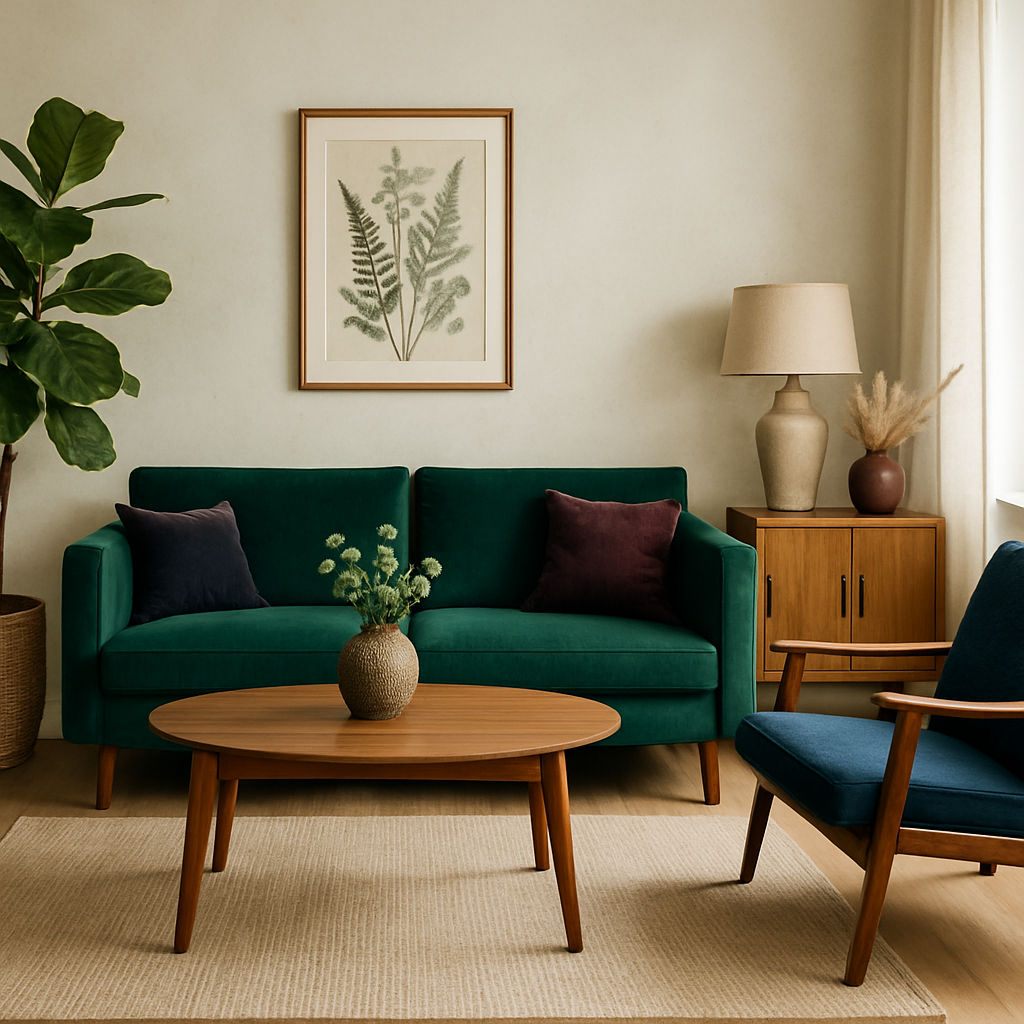
What if the most beautiful room in your home could also be the most responsible? Sustainable interior design has moved far beyond recycled paper and hemp curtains. Today, eco-friendly design represents a sophisticated movement where environmental consciousness meets refined aesthetics, creating spaces that feel as good as they look. The American Society of Interior Designers (ASID) reports that over 70% of design professionals now incorporate sustainable materials into their projects as a standard practice. Whether you are redesigning a single room or reimagining your entire living space, the principles of sustainable style can guide every decision you make. This guide walks you through actionable, expert-backed strategies for building rooms that reduce your environmental footprint without sacrificing an ounce of visual appeal. From biophilic design elements to reclaimed material sourcing, you will find everything you need to transform your space into an eco-conscious sanctuary that reflects your values and your taste.
Understanding the Foundations of Sustainable Interior Design
Sustainable interior design begins with a fundamental shift in how we think about the materials and products that fill our living spaces. Rather than defaulting to mass-produced furniture and synthetic finishes, eco-friendly design prioritizes longevity, ethical sourcing, and minimal environmental impact across the entire lifecycle of each item. The International Interior Design Association (IIDA) defines sustainable design as a practice that seeks to reduce negative impacts on the environment while improving the health and comfort of building occupants. This dual focus on planet and people creates rooms that are genuinely nurturing rather than merely decorative. Understanding these foundations means recognizing that every paint color, textile choice, and furniture purchase carries environmental consequences that thoughtful designers can minimize.
The concept of embodied energy plays a central role in sustainable design decisions. Embodied energy refers to the total energy consumed during the extraction, manufacturing, transportation, and installation of a material or product. A solid oak dining table sourced from a local mill, for instance, carries dramatically lower embodied energy than an imported particleboard alternative shipped across oceans and coated in synthetic laminates. Designers who understand embodied energy can make informed choices that reduce carbon emissions without limiting their creative palette. The National Council for Interior Design Qualification (NCIDQ) has increasingly integrated sustainability competencies into its credentialing requirements, reflecting the industry's recognition that environmental literacy is no longer optional for professional designers.
Beyond material selection, sustainable design also addresses the operational efficiency of a space. How a room uses natural light, manages temperature fluctuations, and circulates air all contribute to its environmental performance over time. A well-designed sustainable room might feature strategically placed windows that reduce artificial lighting needs, thermal mass materials that moderate indoor temperatures, and low-VOC finishes that maintain healthy indoor air quality. Have you considered how the orientation of your furniture affects your reliance on electric lighting throughout the day? These operational considerations often deliver the most significant long-term environmental and financial benefits, making sustainability a smart investment as well as an ethical choice.
Choosing Eco-Friendly Materials That Elevate Your Space
The material palette available to eco-conscious designers has expanded dramatically, offering options that rival and often surpass conventional alternatives in both beauty and durability. Reclaimed wood, for example, brings a depth of character and patina that new lumber simply cannot replicate, with each plank carrying its own history of grain patterns and weathering. Bamboo has emerged as another powerhouse material, growing to harvest maturity in just three to five years compared to the decades required for traditional hardwoods. Cork flooring offers natural warmth, sound insulation, and antimicrobial properties while being harvested from the bark of living trees that continue to grow and sequester carbon. Recycled glass countertops transform post-consumer waste into stunning, durable surfaces that sparkle with embedded fragments of color and light.
Textiles represent another area where sustainable choices can make a profound difference. Organic cotton, linen, and hemp fabrics are grown without the pesticides and synthetic fertilizers that conventional cotton production demands, and they biodegrade naturally at the end of their useful life. According to a study referenced by Architectural Digest (AD PRO), the textile industry accounts for approximately 10% of global carbon emissions, making fabric choices a surprisingly impactful area for eco-conscious improvement. Wool from ethically managed flocks provides natural flame resistance, moisture regulation, and exceptional longevity, often outlasting synthetic alternatives by decades. When selecting upholstery, curtains, or bedding, look for certifications such as GOTS (Global Organic Textile Standard) or OEKO-TEX, which verify that fabrics meet rigorous environmental and health standards throughout their production chain.
Paint and finish selections deserve careful attention in any sustainable design project. Traditional paints can release volatile organic compounds (VOCs) for months or even years after application, degrading indoor air quality and contributing to respiratory issues. Low-VOC and zero-VOC paints have improved significantly in recent years, now offering the same color range, coverage, and durability as their conventional counterparts. Natural paint alternatives made from clay, lime, or milk protein provide distinctive textures and breathability that synthetic paints cannot match. What finishes are currently on your walls, and could they be contributing to poor air quality in your home? Professional designers charging between $150 and $500 per hour routinely specify these healthier alternatives, recognizing that material safety is inseparable from good design practice.
Biophilic Design: Bringing Nature Indoors Responsibly
Biophilic design represents one of the most compelling intersections of sustainability and aesthetics in contemporary interior design. Rooted in the human instinct to connect with natural systems, biophilic design incorporates living plants, natural materials, water features, and organic forms to create environments that support psychological well-being and physical health. Research consistently demonstrates that spaces with biophilic elements reduce stress hormones, improve cognitive function, and boost overall mood among occupants. The ASID has championed biophilic design principles as a core component of evidence-based design practice, encouraging designers to move beyond superficial nature references toward genuinely integrated natural systems within interior environments.
Living walls and indoor gardens offer dramatic visual impact while actively improving air quality through natural filtration processes. A vertical garden installed on a feature wall can transform an ordinary room into a lush, breathing ecosystem that filters airborne toxins and regulates humidity levels. Selecting native and adaptive plant species reduces maintenance requirements and water consumption while supporting local biodiversity. Pothos, snake plants, and peace lilies are popular choices for their air-purifying capabilities and tolerance of indoor conditions, but exploring less common species such as ferns, calathea, and string-of-pearls can add unique textural variety to your botanical displays. The key is creating arrangements that feel organic and layered rather than regimented, mimicking the casual abundance of natural plant communities.
Beyond living plants, biophilic design encompasses the use of natural patterns, textures, and sensory experiences throughout a space. Stone surfaces, wooden ceiling beams, woven rattan accessories, and flowing water features all contribute to a multisensory connection with the natural world. The Japandi aesthetic, which blends Japanese minimalism with Scandinavian warmth, exemplifies how biophilic principles can be expressed through restrained, elegant design rather than overwhelming greenery. Natural light remains perhaps the most important biophilic element, and maximizing its penetration through thoughtful window treatments and reflective surfaces dramatically enhances the vitality and warmth of any room. Consider how the changing quality of daylight throughout the seasons could become a dynamic design element in your home, shifting colors and shadows in ways no artificial lighting can replicate.
Furniture Selection: Quality Over Quantity for Lasting Impact
The most sustainable piece of furniture is one that never needs to be replaced. This principle of longevity sits at the heart of eco-friendly furniture selection, challenging the fast-furniture mentality that fills landfills with particle board dressers and disposable sofas every few years. Investing in well-constructed pieces made from solid hardwoods, quality metals, and durable natural upholstery creates a foundation that can serve a household for generations. The quiet luxury movement in interior design aligns perfectly with this philosophy, valuing understated craftsmanship and timeless proportions over trend-driven novelty. A single beautifully made walnut dining table delivers more aesthetic satisfaction and environmental value than a succession of cheaper replacements ever could.
Vintage and secondhand furniture represents another powerful strategy for sustainable interiors. Every piece of pre-owned furniture that finds a new home is one fewer item manufactured from raw materials and shipped across supply chains. Houzz reports that searches for vintage and antique furniture on their platform have increased substantially, reflecting growing consumer interest in unique, storied pieces with established environmental credentials. Estate sales, architectural salvage yards, and curated resale platforms offer access to furniture of a quality and character that contemporary mass production rarely achieves. Reupholstering a vintage armchair with sustainable fabric gives it another lifetime of service while preserving the embodied energy already invested in its frame, springs, and joinery.
When purchasing new furniture, prioritize manufacturers who demonstrate transparent commitments to sustainable practices throughout their supply chains. Look for certifications such as FSC (Forest Stewardship Council) for wood products, Greenguard for low emissions, and B Corp for overall corporate responsibility. Many independent furniture makers now offer pieces crafted from locally sourced timber using traditional joinery techniques that eliminate the need for toxic adhesives. Modular and adaptable furniture systems deserve special consideration, as they can be reconfigured, expanded, or repurposed as needs change, extending their useful life far beyond single-purpose alternatives. How might your furniture needs evolve over the next decade, and could more flexible pieces serve you through those transitions without requiring replacement?
Smart Home Technology for Energy-Efficient Living Spaces
Smart home technology has matured into a genuinely practical tool for reducing the energy consumption and environmental impact of residential interiors. Intelligent thermostats learn occupancy patterns and adjust heating and cooling schedules to eliminate waste without requiring manual intervention, often reducing energy bills by 10-15% according to multiple industry analyses. Smart lighting systems use LED technology combined with motion sensors, daylight harvesting, and programmable scenes to ensure that lights operate only when and where they are actually needed. These technologies integrate seamlessly into contemporary interior design, with sleek interfaces and discreet hardware that enhance rather than clutter the aesthetic experience of a room. The convergence of smart home innovation and sustainable design principles creates opportunities for spaces that are simultaneously more comfortable and more responsible.
Automated window treatments represent an underappreciated opportunity for energy-efficient design. Motorized blinds and shades can be programmed to respond to sun position, outdoor temperature, and time of day, optimizing natural light and thermal performance without any effort from occupants. During summer months, automated shades can close on sun-facing windows during peak heat hours, reducing air conditioning loads significantly. In winter, the same system opens those shades to capture solar warmth, supplementing heating systems with free thermal energy. The IIDA has recognized smart window management as one of the most cost-effective strategies for improving building energy performance, with payback periods often measured in just a few years of reduced utility costs.
Energy monitoring systems provide the data foundation for genuinely informed sustainability decisions within the home. Real-time dashboards that display electricity, gas, and water consumption by room or appliance transform abstract environmental commitments into concrete behavioral changes. When homeowners can see exactly how much energy their entertainment system consumes on standby or how their cooking habits affect monthly gas usage, they make different choices. Smart power strips eliminate phantom loads from devices that draw power even when turned off, and smart plugs allow any appliance to be scheduled or remotely controlled for maximum efficiency. The integration of these technologies into sustainable interior design reflects a holistic approach where aesthetics, comfort, and environmental performance are treated as inseparable dimensions of good design.
Budget-Friendly Strategies for Eco-Conscious Room Design
Sustainable design does not require unlimited budgets or wholesale renovation projects. Some of the most impactful eco-friendly improvements are also among the most affordable, making responsible design accessible to homeowners and renters at every financial level. Rearranging existing furniture to maximize natural light can transform a room's atmosphere and reduce electricity consumption without spending a single dollar. Swapping incandescent bulbs for LED alternatives offers immediate energy savings with a payback period measured in months rather than years. Adding draft excluders to doors and windows reduces heating and cooling waste with minimal investment. These small, cumulative changes demonstrate that sustainability is fundamentally about thoughtful decision-making rather than expensive purchasing.
DIY upcycling projects offer creative opportunities to divert materials from landfills while producing unique design elements that no store can replicate. An old wooden ladder becomes a charming bookshelf or towel rack with nothing more than sanding and a coat of natural beeswax finish. Glass jars transform into pendant light fixtures, candle holders, or herb planters. Fabric remnants from clothing too worn to donate can be woven into rugs, pieced into cushion covers, or used as decorative accents in framed textile art. The NCIDQ encourages designers to develop material creativity as a core professional skill, and homeowners who embrace this mindset discover that constraints often produce more inventive and personal results than unlimited shopping ever could.
Community-based strategies extend the reach of sustainable design beyond individual households. Tool libraries, material exchanges, and neighborhood swap events provide access to resources that would otherwise require new purchases. Collaborative buying groups can negotiate better prices on sustainably produced materials, making premium eco-friendly options affordable for individual members. Local maker communities and craftspeople often produce furniture and accessories from salvaged materials at prices competitive with mass-produced alternatives while delivering superior quality and unique character. Are there local artisans or material reuse organizations in your community that could support your sustainable design goals? Building these connections transforms sustainable design from a solitary consumer activity into a community practice that strengthens local economies and social bonds alongside environmental outcomes.
- Start with an audit of your existing furniture and materials to identify what can be kept, refreshed, or repurposed before purchasing anything new
- Prioritize natural ventilation by arranging furniture to allow airflow from windows and avoiding placement that blocks heating or cooling vents
- Choose multipurpose pieces such as storage ottomans, extendable tables, and modular shelving that adapt to changing needs over time
- Invest in quality lighting with dimmable LED fixtures that provide flexibility while consuming a fraction of the energy required by traditional bulbs
Conclusion
Sustainable interior design is not a passing trend or a niche concern reserved for environmental activists. It represents a fundamental evolution in how we create, inhabit, and care for the spaces where we live our daily lives. Every material choice, furniture purchase, and technology integration offers an opportunity to reduce environmental impact while enhancing the beauty, comfort, and healthfulness of your home. The strategies outlined in this guide, from biophilic design principles and eco-friendly material selection to smart home technology and budget-conscious upcycling, provide a comprehensive toolkit for making your interior spaces both stunning and responsible. The design industry's leading organizations, including ASID and IIDA, have made sustainability a central pillar of professional practice, confirming that environmental consciousness and design excellence are not competing priorities but complementary ones. Begin with the changes that feel most natural and achievable for your situation, whether that means swapping out a few light bulbs or commissioning a living wall. Each step forward matters, and the cumulative effect of thoughtful, sustainable choices creates homes that nurture both the people within them and the planet that sustains us all. What will your first sustainable design decision be?
More Articles You May Like



Comments
Post a Comment