Double Wall Oven Placement for Ergonomic Kitchen Workflow
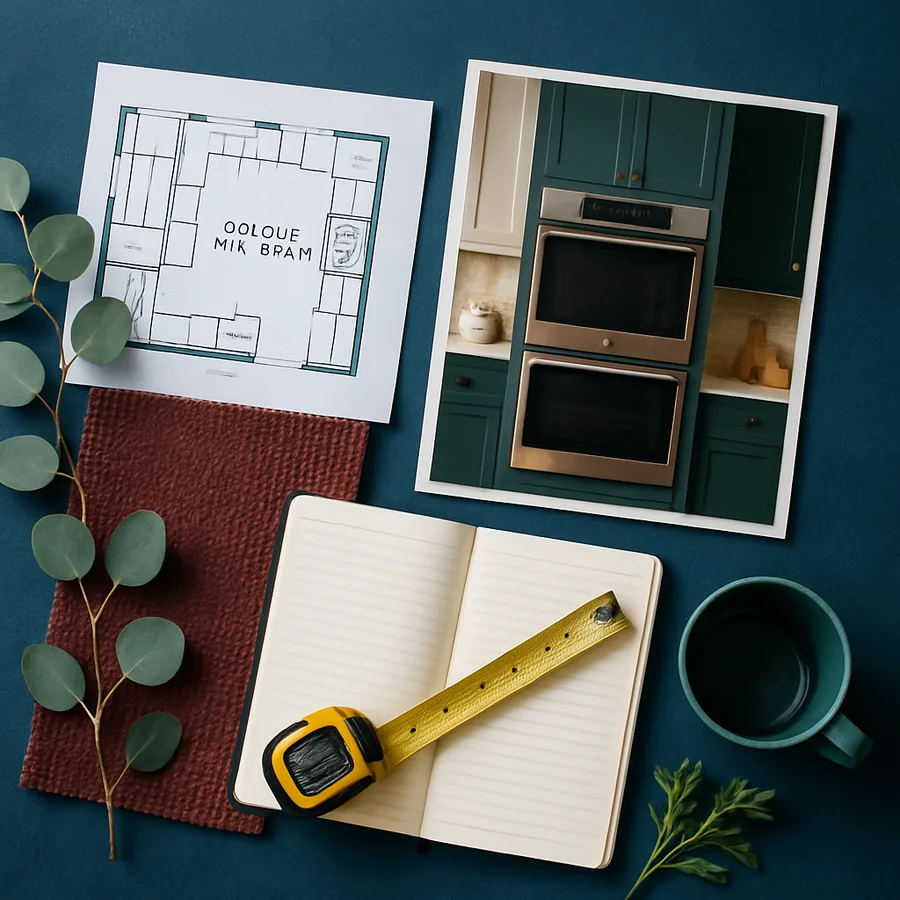
A double wall oven is one of the most powerful appliance upgrades available to serious home cooks, providing two independently controlled oven cavities that can roast a turkey at 325 degrees in one compartment while baking dinner rolls at 400 degrees in the other. But the performance benefits of a double wall oven are realized only when the unit is installed in the right location and at the right height within the kitchen's overall workflow. Poor placement forces the cook into awkward bending, unnecessary walking, and unsafe transfers of heavy, hot dishes across traffic paths. The National Kitchen and Bath Association (NKBA) publishes detailed guidelines for oven placement that emphasize ergonomic height, proximity to landing surfaces, and integration with the kitchen's primary work zones, and following these guidelines transforms a double wall oven from a luxury feature into a genuinely functional tool that improves daily cooking comfort.
Determining the Optimal Installation Height
The single most important ergonomic decision in double wall oven placement is the vertical height at which the unit is installed. Unlike a range oven that is permanently fixed at floor level, a wall oven can be mounted at any height within its cabinet enclosure, and selecting the right elevation dramatically affects how comfortable and safe the oven is to use. The lower oven in a double stack is the cavity used most frequently for heavy items like roasts, casseroles, and sheet pans, because it is positioned where the heaviest lifting occurs. Positioning the lower oven so that its most commonly used rack sits at approximately waist height, between 30 and 36 inches from the floor for an average-height adult, eliminates the deep bending required by a traditional range oven and reduces lower back strain during the sliding and lifting motions of inserting and removing heavy cookware.
The upper oven in the stack is then positioned at roughly chest to shoulder height, which is comfortable for lighter items like baked goods, casseroles in standard-depth dishes, and reheating tasks. Reaching into the upper oven requires extending the arms forward at shoulder height, a motion that is comfortable for most adults but can be challenging for shorter individuals or those with shoulder mobility limitations. For this reason, many kitchen designers recommend that the primary cook stand in front of the proposed oven location and physically simulate the motions of reaching into both cavities at the proposed heights before the cabinetry is finalized. A difference of even two inches in mounting height can mean the difference between comfortable daily use and chronic strain.
The total height of a double wall oven stack, including the upper and lower cavities and the control panels between them, is typically 50 to 54 inches. When mounted so that the lower oven rack sits at waist height, the top of the upper oven reaches approximately 80 to 84 inches from the floor, well within the height of a standard 84-inch or 96-inch tall cabinet. The space below the lower oven, from the floor to approximately 28 to 30 inches, is available for a warming drawer, a storage drawer, or simply a decorative panel. A warming drawer in this position is a popular complement to the double oven because it keeps finished dishes at serving temperature while the remaining courses continue cooking above, and its low position is ergonomically appropriate because warming drawers are accessed infrequently and hold lightweight items.
Have you considered which oven cavity you will use most frequently and for the heaviest items? Most households use the lower oven for everyday cooking and the upper oven for secondary or simultaneous tasks. If your cooking pattern is different, perhaps you bake bread daily in the upper oven while using the lower for storage, your optimal mounting height should reflect your actual usage rather than the default assumption. Documenting your typical weekly cooking routines before meeting with your kitchen designer provides the specific usage data needed to customize the oven height to your personal ergonomics.
Proximity to Landing Surfaces and the Cooking Zone
The second critical factor in double wall oven placement is the proximity of the oven to a heat-resistant landing surface where hot dishes can be set down immediately after removal from the cavity. The NKBA guideline specifies that at least 15 inches of counter surface should be available within 48 inches of the oven opening, measured from the near edge of the counter to the near edge of the oven when the door is open. In practice, having the landing surface immediately adjacent to the oven, with zero steps between the oven and the counter, is vastly preferable to one that is 48 inches away, because every additional inch of travel with a 12-pound hot roasting pan increases the risk of spills, burns, and dropped dishes.
The ideal landing configuration places the double wall oven at one end of a continuous run of countertop, so the cook can pivot 90 degrees from the open oven door and set the hot dish on the adjacent counter in a single smooth motion. This arrangement works naturally when the oven is installed in a tall cabinet at the end of a base cabinet run, with the counter extending away from the oven along the wall. The counter section nearest the oven should be a heat-resistant material, granite, quartz, or solid surface, that can tolerate direct contact with a hot pan without scorching. If the countertop material is not heat-resistant, a permanently placed triveted area or a built-in trivet strip at the oven landing zone protects the surface.
Placing the double wall oven in a stand-alone tall cabinet that is flanked by other tall cabinets, such as a pantry on one side and a broom closet on the other, creates an ergonomic problem because there is no counter-height landing surface within arm's reach of the oven. The cook must carry the hot dish several steps to the nearest counter, navigating around the open oven door and potentially crossing a traffic path in the process. According to the Consumer Product Safety Commission, burns from transporting hot cookware from the oven to a distant counter are among the most common kitchen injuries, and the risk increases proportionally with the distance traveled. If the only available position for the oven tall cabinet is between other tall cabinets, consider installing a pull-out shelf at counter height immediately beside or within the oven cabinet to serve as a temporary landing surface.
The oven's position relative to the cooktop matters as well, because many recipes require transferring dishes between the oven and the stovetop, and this transfer should involve minimal walking and no crossing of the kitchen's primary traffic path. Placing the oven and cooktop on the same wall or on adjacent walls, within six to eight feet of each other, keeps the cooking zone compact and reduces the time that hot dishes spend in transit. The National Kitchen and Bath Association designates the cooktop and oven as part of the same functional zone and recommends that all cooking appliances be reachable within two steps of each other.
Integrating the Oven with Kitchen Traffic Patterns
A double wall oven with both doors open simultaneously, which happens frequently during holiday cooking when both cavities are in use, projects approximately 40 inches into the kitchen from the face of the tall cabinet. In a kitchen with a 42-inch aisle between the oven wall and an opposing island or cabinet run, both open doors would block the aisle almost entirely, preventing anyone from passing through while the cook is transferring dishes. This scenario is not hypothetical; it occurs in virtually every kitchen during Thanksgiving preparation and at any time when both ovens are running for a dinner party or batch cooking session.
The minimum recommended aisle width in front of a double wall oven is 48 inches from the face of the closed oven to the nearest opposing surface. This provides enough clearance for the lower oven door to open fully while still allowing a person to pass behind the cook, though passage will be tight. For kitchens where two people cook simultaneously or where the kitchen serves as a primary traffic route between rooms, 54 to 60 inches of clearance is preferable. These wider aisle dimensions are consistent with universal design principles that accommodate wheelchair users, who need a minimum 60-inch turning radius in the kitchen.
Placing the double wall oven at the end of a wall run rather than in the center reduces the traffic disruption of open oven doors because the doors swing into a less trafficked zone. End-of-run placement also creates a natural nook or alcove effect that visually separates the oven from the rest of the kitchen, giving it the feel of a dedicated baking station. This placement works particularly well when paired with counter space on the adjacent wall that wraps around the corner, creating an L-shaped cooking and baking zone where the cook can work without interfering with movement through the kitchen's central corridor.
Consider how your household moves through the kitchen during meal preparation. If the kitchen serves as a thoroughfare between the garage and the family room, or between the dining room and the backyard, any oven placement that puts open doors across this traffic path creates a safety hazard and a daily annoyance. Mapping your household's typical traffic patterns, including the paths children and pets take through the kitchen, before selecting the oven's location prevents placement decisions that look logical on a floor plan but prove problematic in daily life.
Cabinetry and Structural Considerations
A double wall oven is a heavy appliance, typically weighing between 200 and 250 pounds when both cavities are empty, and the tall cabinet that houses it must be engineered to support this weight securely at the elevated mounting position. Standard kitchen cabinet boxes are constructed from 3/4-inch plywood or particleboard and are designed to support shelf loads of 50 to 75 pounds per shelf, which is far less than the concentrated load of a double wall oven. The oven cabinet must incorporate a reinforced platform, typically a doubled or tripled layer of 3/4-inch plywood, at the mounting height, secured to the cabinet sides and to the wall studs behind the cabinet.
The cabinet opening dimensions must match the oven's rough-in specifications precisely. Double wall oven cutouts are not standardized across manufacturers; a 30-inch oven from one brand may require a different cutout height, width, and depth than a 30-inch oven from another brand. Ordering the cabinetry before selecting the specific oven model, or vice versa, risks a dimensional mismatch that can delay the installation by weeks while a modified cabinet or a different oven is sourced. The correct sequence is to select and purchase the oven first, then provide the oven's installation specifications to the cabinet maker or designer so the tall cabinet is built to the exact required dimensions.
Electrical requirements for a double wall oven are substantial. Most double wall ovens require a dedicated 240-volt, 40- or 50-amp circuit with appropriately rated wiring run from the main electrical panel to the oven location. The junction box or outlet must be positioned behind the oven cabinet at a height that allows the oven's power cable to reach without tension or kinking. If the kitchen's current electrical panel does not have capacity for this circuit, a panel upgrade may be necessary, an expense that should be budgeted and scheduled early in the renovation timeline. An Electrical Safety Foundation International survey found that 23 percent of kitchen renovation projects require a panel upgrade to accommodate new high-draw appliances, including double wall ovens and induction cooktops.
Ventilation around the oven cabinet is often overlooked but matters for both performance and longevity. Double wall ovens generate significant heat during operation, and the cabinetry surrounding the oven must allow adequate airflow to dissipate this heat. Most manufacturers specify minimum clearances between the oven and the surrounding cabinet surfaces, typically 1/4 inch on the sides and 1 inch above the upper oven. These clearances should not be filled with insulation or packing material, as they are designed to function as convective air channels that prevent the cabinetry from overheating. Exceeding the oven manufacturer's maximum ambient temperature specifications voids the warranty and can damage the oven's electronic controls over time.
Layout Variations for Different Kitchen Shapes
In an L-shaped kitchen, the double wall oven fits most naturally at the far end of the longer leg, where it anchors the cooking zone without interrupting the work triangle between sink, cooktop, and refrigerator. This position places the oven within easy reach of the counter that runs along the same wall, satisfying the landing surface requirement, and keeps the oven doors out of the primary traffic path that runs through the crook of the L. If the longer leg terminates at an exterior wall, the oven tall cabinet can be flanked by a full-height pantry on the interior side, creating a built-in column of tall cabinetry that visually grounds that end of the kitchen.
In a galley kitchen, double wall oven placement is more constrained because the two parallel walls define a narrow corridor where any protruding element affects traffic flow. The best position is typically at one end of the galley, where the oven doors open toward the kitchen's entry or exit rather than into the working aisle. This end-of-galley placement keeps the oven accessible without blocking the cook's movement between the sink and cooktop, which are usually positioned along the two parallel walls. The minimum 48-inch aisle recommendation becomes especially important in galley kitchens because there is no alternative path around an open oven door.
In a kitchen with a large center island, the double wall oven is typically positioned on the perimeter wall opposite the island, facing the cook who stands at the island cooktop or prep area. This facing arrangement allows the cook to monitor items in the oven through the glass door while working at the island, and the transfer distance between the island counter and the oven is the width of the aisle, typically four to five feet. The oven's heat-resistant landing surface in this configuration can be either the adjacent perimeter counter or a section of the island closest to the oven, depending on which is more convenient for the cook's typical workflow.
For open-concept kitchens where the kitchen is visible from the living and dining areas, the aesthetic integration of the double wall oven becomes a design consideration beyond pure function. A tall oven cabinet in a prominent location serves as a visual anchor that should coordinate with the kitchen's overall design language. Panel-ready oven models that accept custom cabinet panels to match the surrounding cabinetry create a seamless look where the oven blends into the cabinetry wall. Alternatively, a stainless steel oven in a stained or painted cabinet column can serve as an intentional contrast element, similar to how a stainless steel refrigerator provides visual punctuation in an otherwise uniform cabinet run. The key is that the choice looks deliberate rather than arbitrary.
Planning for Accessibility and Aging in Place
Double wall oven placement decisions made during a kitchen renovation will affect the kitchen's usability for decades, and incorporating universal design principles into the placement ensures that the oven remains accessible as the cook's physical capabilities change over time. The ergonomic height guidelines discussed earlier, positioning the lower oven rack at waist height, align with universal design recommendations because they reduce the bending and lifting that become increasingly difficult with age, arthritis, and reduced core strength. A kitchen designed for a 40-year-old who can easily bend to floor level may not serve that same person well at 70, when a floor-level oven becomes a genuine obstacle to independent cooking.
Clearance in front of the oven is another universal design consideration. A wheelchair user needs a minimum of 30 inches of clear width and 48 inches of clear depth in front of the oven to approach it, open the door, and transfer items to and from the oven rack. The Americans with Disabilities Act (ADA) guidelines for accessible kitchens specify that oven controls should be operable from a seated position, which wall oven controls typically satisfy because they are mounted on the front face of the oven at a height accessible from a wheelchair. Range ovens with controls on the rear backguard do not meet this requirement, which is one of the accessibility advantages of wall oven configurations over traditional ranges.
Side-opening oven doors, available on select wall oven models, provide a significant accessibility advantage over the conventional drop-down door. A side-hinged door swings to the side like a refrigerator door, eliminating the barrier that a drop-down door creates between the user and the oven cavity. With a side-opening door, a wheelchair user or a person with limited mobility can approach the oven from the front without reaching over a hot, open door, and the transfer of dishes from oven to counter is a simple lateral slide rather than a lift-and-clear motion over the door. The AARP HomeFit Guide recommends side-opening wall ovens as one of the most impactful kitchen accessibility features for aging-in-place renovations.
Is your kitchen renovation intended to serve you for the next five years or the next twenty-five? If long-term livability is a goal, designing the oven placement for your future self as well as your present self avoids a costly second renovation when accessibility needs change. The incremental cost of specifying universal design clearances and mounting heights during the initial renovation is negligible compared to the expense of relocating an oven and modifying cabinetry after the kitchen is completed. Ask your kitchen designer about universal design options that ensure your double wall oven remains comfortable and safe to use throughout every stage of life.
Conclusion
Placing a double wall oven for ergonomic kitchen workflow requires balancing multiple factors: the vertical mounting height that eliminates bending, the proximity to a heat-resistant landing surface, the clearance for open doors in relation to traffic patterns, the structural capacity of the cabinetry, and the integration with the kitchen's overall work zone layout. Each of these factors interacts with the others, and optimizing one in isolation can compromise another. The goal is a placement that simultaneously satisfies ergonomic comfort, safe dish transfer, unobstructed traffic flow, and visual harmony with the kitchen design.
The most common placement error is defaulting to a position that is convenient for the cabinet installer rather than optimal for the cook. A double wall oven shoved into a corner, placed at an arbitrary height determined by standard cabinet modules, or positioned far from any landing surface will deliver the same cooking performance as a perfectly placed unit, but it will deliver that performance with daily inconvenience, unnecessary physical strain, and elevated injury risk. The difference between adequate placement and optimal placement is measured in inches, but its impact on daily cooking satisfaction is measured in years of comfort.
Professional kitchen design input is particularly valuable for double wall oven placement because designers have experience with the spatial interactions that are difficult to anticipate from a floor plan. They can identify door-swing conflicts, suggest height adjustments based on the primary cook's anthropometrics, recommend landing surface configurations, and integrate the oven placement with the broader kitchen workflow in ways that produce a genuinely ergonomic result. The cost of professional design is a small fraction of the total kitchen renovation budget and consistently delivers returns in the form of a kitchen that works better, feels better, and remains functional longer.
Whether your kitchen is a spacious open-concept showpiece or a compact galley where every square inch matters, the principles of ergonomic oven placement apply with equal force. Height, proximity, clearance, and zone integration are universal requirements that scale with the kitchen's dimensions but never become optional. Investing the time and professional guidance to get these details right ensures that your double wall oven fulfills its promise as a genuinely transformative cooking tool rather than an expensive appliance that happens to be mounted on the wall.
More Articles You May Like



Comments
Post a Comment