10 Must-Have Elements for a Stunning Modern Interior Design
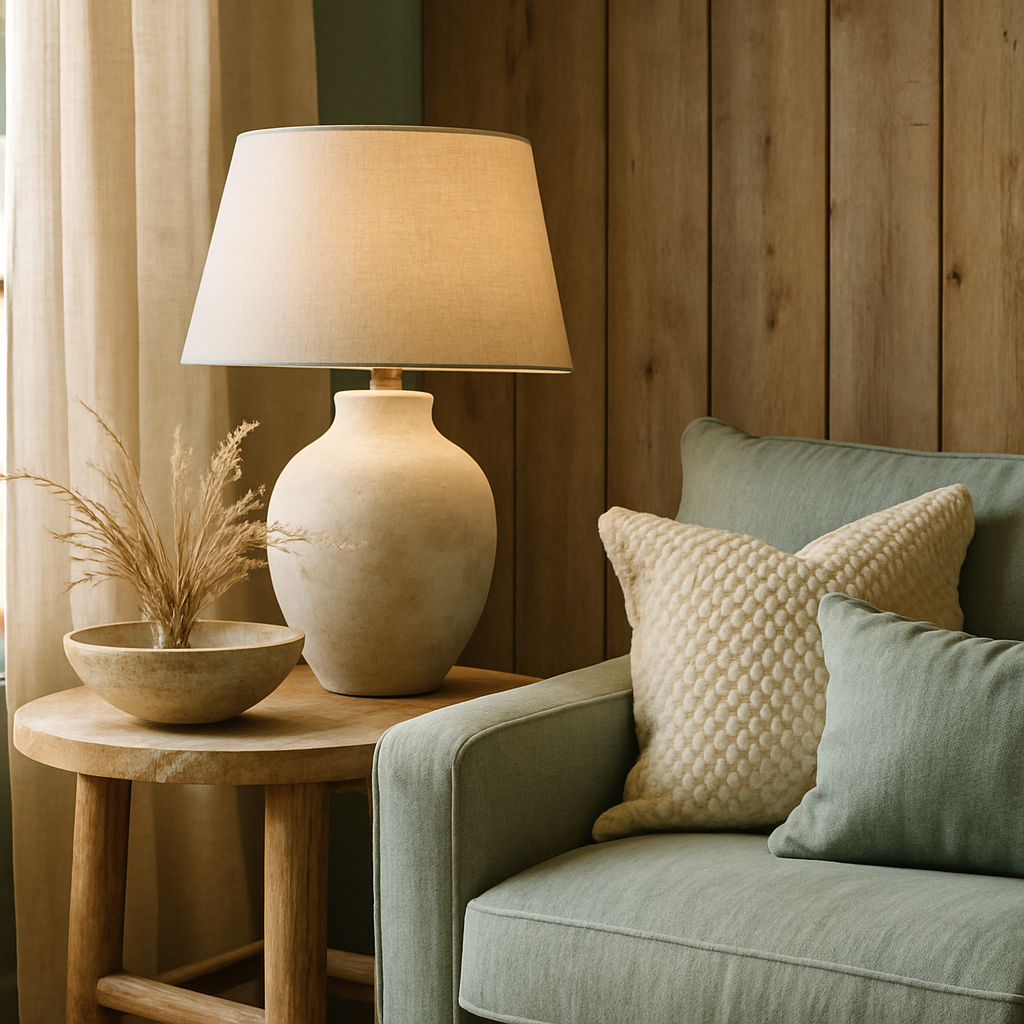
What truly defines a stunning modern interior design? Is it the sleek lines, the harmonious blend of materials, or the seamless incorporation of technology? According to Houzz's annual survey, homeowners are increasingly prioritizing modern aesthetics, with 60% focusing on updates that combine style with functionality. This trend towards modern interiors is not just a passing fad but a reflection of our evolving lifestyles. In this article, we'll explore the ten essential elements that create a stunning modern interior design. From foundational concepts to expert-level insights, you'll gain a comprehensive understanding of how to transform any space into a modern masterpiece.
Foundational Concepts in Modern Interior Design
At the heart of modern interior design lies the principle of simplicity. This design philosophy emphasizes clean lines and uncluttered spaces, creating an environment that feels both inviting and functional. The use of neutral color palettes further enhances this simplicity, allowing the architecture and furniture to take center stage. Experienced professionals often note that the absence of excess decoration helps focus attention on the quality and craftsmanship of each piece within the space.
Another fundamental concept is the integration of open floor plans. This approach breaks down barriers between rooms, fostering a sense of continuity and flow. Open layouts not only enhance the perception of space but also encourage social interaction and connectivity. According to the American Institute of Architects, open floor plans have been a defining feature of contemporary homes, reflecting a shift towards more informal and flexible living arrangements.
Minimalism is also a key component of modern design. This doesn't mean stark or cold; rather, it's about choosing quality over quantity. By selecting fewer, more impactful pieces, you can create a cohesive and elegant space. Minimalism encourages intentionality, urging you to consider what truly adds value to your living environment. As we transition to the next section, keep in mind the importance of these foundational elements as we delve deeper into modern design strategies.
Data-Driven Insights into Modern Design Trends
Modern interior design is not just about aesthetics; it's also informed by data and trends that shape industry practices. According to the International Interior Design Association (IIDA), there has been a significant rise in the incorporation of sustainable materials, with over 70% of designers prioritizing eco-friendly options. This shift is driven by both consumer demand and a growing awareness of environmental responsibility.
Biophilic design is another trend gaining traction. This approach involves integrating natural elements into interior spaces to enhance well-being. Research suggests that environments that mimic nature can reduce stress and increase productivity. The use of natural materials like wood, stone, and plants is becoming more prevalent in modern interiors, offering both aesthetic and psychological benefits.
Technological integration is also transforming modern design. Smart home technology, such as automated lighting and climate control, is becoming a staple in contemporary spaces. According to a study by ASID (American Society of Interior Designers), nearly 40% of modern renovations now include smart technology features. These advancements not only enhance convenience but also improve energy efficiency. As we move forward, consider how these data-driven insights can inform your design decisions.
Actionable Strategies for Implementing Modern Design
Are you ready to transform your space into a modern haven? Start by evaluating your current layout. Consider how each room functions and whether it supports an open floor plan. Removing unnecessary walls or barriers can create a more fluid and spacious environment. Remember, the goal is to enhance both form and function.
Next, focus on your color palette. Opt for neutral tones as a base, such as whites, grays, and beiges. These colors create a timeless backdrop that can be accented with bold, contemporary hues in your accessories or artwork. Incorporating color strategically can add depth and visual interest without overwhelming the senses.
Lighting is another crucial element. Modern design often features a mix of natural and artificial lighting. Consider installing large windows or glass doors to maximize natural light. For artificial lighting, choose fixtures with clean lines and a minimalist aesthetic. LED lights are a popular choice for their energy efficiency and versatility. With these strategies in mind, let's explore how expert insights can further refine your design approach.
Expert-Level Insights into Modern Interior Design
Certified interior designers, such as those holding NCIDQ (National Council for Interior Design Qualification) credentials, emphasize the importance of texture in modern interiors. While minimalism and simplicity are key, texture adds warmth and interest. Consider incorporating a variety of materials like wool, leather, and metal to create a layered, tactile experience.
Another expert tip is the use of statement pieces. These are bold elements that draw attention and set the tone for the entire space. It could be an oversized piece of art, a unique light fixture, or a striking piece of furniture. Statement pieces should reflect your personal style while adhering to the overall design theme.
Finally, don't underestimate the power of personalization. Modern design doesn't mean impersonal. Incorporate elements that reflect your personality and interests, whether it's through curated art collections or bespoke furniture. As we continue, consider how these expert insights can help you achieve a truly personalized modern design.
Additional Depth: The Role of Technology and Sustainability
Incorporating technology into modern interior design is more than just a trend; it's a necessity. Smart home systems can control lighting, temperature, and security with the touch of a button. Platforms like Architectural Digest's AD PRO offer insights into the latest technological advancements in design, ensuring your space is both cutting-edge and user-friendly.
Sustainability is equally crucial. The demand for eco-friendly interiors has led to innovative uses of recycled and reclaimed materials. Designers are sourcing sustainable wood, recycled metals, and low-VOC (volatile organic compounds) paints. These choices not only reduce environmental impact but also contribute to healthier indoor air quality.
Moreover, the concept of quiet luxury is gaining momentum. This trend focuses on understated elegance, where quality materials and craftsmanship speak for themselves without the need for ostentation. As we wrap up, reflect on how these elements can seamlessly integrate into your modern design plans.
Final Perspectives on Modern Interior Design
As you embark on your journey to create a stunning modern interior, remember that the process should be as enjoyable as the outcome. Modern design is about creating a space that is both beautiful and functional, reflecting your lifestyle and personal tastes. It's important to approach each design decision with intention and clarity.
Are you considering hiring a professional to bring your vision to life? Certified interior designers with credentials from organizations like ASID or NCIDQ can provide valuable expertise and ensure your design is executed flawlessly. They can also help navigate the complexities of procurement and installation, ensuring your project stays on time and budget.
In conclusion, a stunning modern interior is within reach with the right blend of foundational concepts, design trends, and expert insights. Remember, the goal is to create a space that feels uniquely yours while embracing the principles of modern design.
Conclusion
In summary, the ten must-have elements of stunning modern interior design encompass simplicity, open layouts, and technological integration, all while prioritizing sustainability and personalization. By incorporating these elements, you can create a space that is not only visually appealing but also functional and reflective of your personality.
Ready to take the next step? Start by browsing designer portfolios on platforms like Houzz and Instagram. Even 20 minutes of research can sharpen your eye for what you want. Don't hesitate to reach out to certified professionals who can turn your modern design aspirations into reality. Your stunning modern interior awaits!



Comments
Post a Comment