Budget-Friendly Office Interior Design: Create a Stunning Workspace Without Breaking the Bank
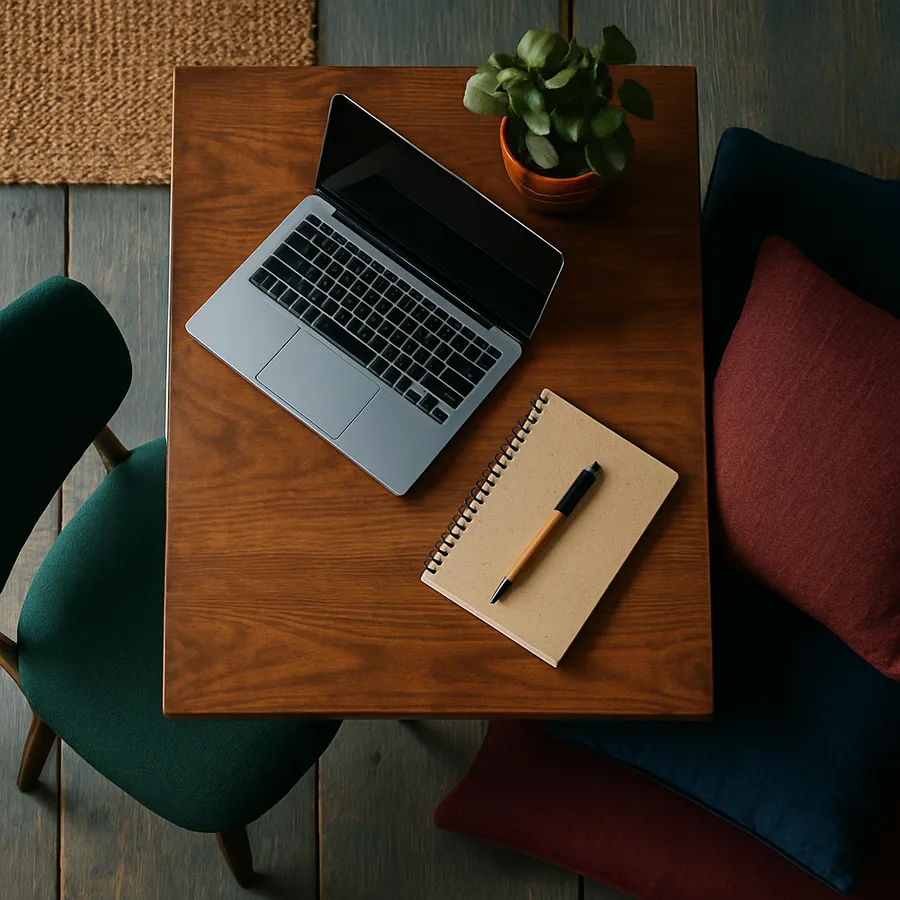
Designing an office that inspires productivity and reflects professional credibility does not have to drain your finances. According to the American Society of Interior Designers (ASID), well-designed workspaces can boost employee productivity by up to 20%, making office interior design one of the smartest investments a business or remote worker can make. The challenge, of course, is achieving that polished, purposeful look while keeping expenses manageable. Many professionals assume that a beautiful office requires a designer-level budget, but the truth is that strategic choices, creative sourcing, and a clear design plan can deliver remarkable results at a fraction of the expected cost.
The modern office landscape has shifted dramatically, with more people than ever working from home or in hybrid arrangements. A Houzz survey found that 58% of homeowners who renovated a home office spent less than $5,000, yet reported significant improvements in their daily work experience. This means that budget-friendly design is not only possible but increasingly common among savvy professionals. Whether you are outfitting a corporate space, a shared coworking area, or a dedicated room in your home, the principles of cost-effective design remain the same: prioritize function, invest selectively, and let creativity fill the gaps where dollars cannot.
This guide walks you through practical, affordable strategies for transforming any office into a space that looks expensive, feels comfortable, and supports your best work. From choosing the right color palette to sourcing furniture wisely, every section is packed with actionable advice backed by design professionals and industry organizations like the International Interior Design Association (IIDA). You will learn how to allocate your budget where it matters most, avoid common pitfalls, and create an office you are genuinely proud to work in every day.
Strategic Space Planning on a Shoestring
The foundation of any successful office design is a thoughtful floor plan, and this step costs nothing but your time. Before purchasing a single item, measure your space carefully and sketch out a layout that prioritizes workflow. The National Council for Interior Design Qualification (NCIDQ) emphasizes that spatial planning is the most critical phase of any design project, regardless of budget. Consider how you move through your day: where you sit, where you store materials, where you take calls, and where you need clear thinking space. Arranging your office around these natural patterns prevents costly mistakes like buying furniture that does not fit or creating a layout that interrupts your concentration.
One of the most budget-friendly techniques in space planning is the concept of zones. Divide your office into distinct functional areas, even if the room is small. A primary work zone centered on your desk, a reference zone for books and files, and a decompression zone with a comfortable chair or small sofa can transform a single room into a multi-purpose workspace. This approach eliminates the need for separate rooms or expensive built-in solutions. Many designers recommend using area rugs or changes in lighting to visually define each zone, creating the illusion of a larger, more organized space without structural changes.
Have you considered how the orientation of your desk affects your energy and focus throughout the day? Positioning your desk to face natural light, rather than a wall, can reduce eye strain and improve mood, according to research published by the IIDA. This simple, free adjustment often has a bigger impact on daily work satisfaction than any piece of furniture you could buy. If your office has a window, make it the anchor of your layout, and build the rest of the room around that natural asset. The goal is to let the architecture of your space do the heavy lifting, saving your budget for the elements that truly need purchasing.
Choosing Affordable Furniture That Looks and Feels Premium
Furniture typically represents the largest single expense in office design, but smart shopping can dramatically reduce costs without sacrificing quality or appearance. The key is knowing where to splurge and where to save. Ergonomics experts and organizations like ASID consistently recommend investing in a high-quality office chair above all other furniture, since you will spend the majority of your working hours seated. A good ergonomic chair protects your health and productivity, and models from brands like HON, Autonomous, or refurbished Herman Miller units can deliver excellent support at a fraction of retail price.
For desks, surfaces, and storage units, the budget-conscious designer has more flexibility. Second-hand furniture stores, online marketplaces, and office liquidation sales are goldmines for solid, professional-grade furniture at 50-80% off original prices. A Houzz research report indicates that 43% of professionals designing offices on a budget source at least one major piece from a second-hand or liquidation outlet. Solid wood tables, metal filing cabinets, and modular shelving systems are all items that hold up beautifully when purchased used, and a fresh coat of paint or new hardware can make them look completely custom. Do not overlook flat-pack furniture either; modern offerings from companies specializing in minimalist design can look surprisingly upscale when assembled thoughtfully and paired with the right accessories.
When selecting furniture, consider longevity and versatility above trend appeal. A simple, well-built desk in a neutral finish will serve you for a decade and adapt to changing tastes with nothing more than new desk accessories. Avoid overly trendy shapes or finishes that may feel dated within a few seasons, forcing you to replace them sooner. The most budget-friendly furniture is the piece you never have to replace because it was chosen for lasting quality and timeless style from the start. Stick to clean lines, sturdy construction, and neutral tones, and your office will look polished regardless of whether it cost $500 or $5,000 to furnish.
Color Palettes and Wall Treatments That Elevate Without Expense
Color is one of the most powerful and affordable tools in office interior design, capable of transforming a space for the cost of a gallon of paint. Research from the IIDA has shown that color in the workplace directly influences cognitive performance, with cool blues and greens promoting focus and warm neutrals creating a sense of calm professionalism. Choosing the right palette for your office sets the entire tone of the space and can make inexpensive furniture and accessories look far more cohesive and intentional. Start by selecting one dominant neutral, such as a warm white, soft gray, or light beige, and pair it with one or two accent colors drawn from your brand or personal taste.
Painting is the single highest-impact, lowest-cost update you can make to any office. A feature wall in a deeper shade, such as navy, forest green, or charcoal, creates an instant focal point and adds visual depth to the room. The remaining walls in a lighter coordinating shade keep the space feeling open and airy. If painting is not an option, removable wallpaper or large-format art prints can achieve a similar effect without permanent alteration. ASID design guidelines suggest that offices with intentional color schemes are perceived as more professional by clients and visitors, giving budget-minded professionals a competitive edge in first impressions.
Beyond paint, consider the color and texture of your existing surfaces. Swapping out dated cabinet handles for matte black or brushed brass hardware can shift the entire color story of a room for under $50. Coordinating your desk accessories, file organizers, and even your monitor stand in complementary tones creates a visual harmony that reads as expensive and deliberate. The discipline of working within a defined color palette actually saves money, because it prevents impulse purchases of items that do not fit the scheme. Every element earns its place in the room, and the result is a space that looks designed rather than accumulated.
Lighting Solutions That Transform Mood and Productivity
Lighting is frequently underestimated in budget office design, yet it has an outsized impact on both the aesthetics and the functionality of a workspace. The NCIDQ body of knowledge identifies three layers of lighting essential to every interior: ambient, task, and accent. Ambient lighting provides overall illumination, task lighting supports focused work at the desk, and accent lighting highlights design features and adds warmth. Many offices rely solely on harsh overhead fluorescents, which create unflattering shadows, contribute to eye strain, and make even beautiful furniture look washed out. Replacing or supplementing this single source with layered lighting is a game-changer that costs remarkably little.
A high-quality LED desk lamp is one of the best investments under $50 that you can make for your office. Look for models with adjustable color temperature, allowing you to shift from cool, energizing light during focused work to warmer tones during creative or relaxed tasks. Floor lamps with fabric shades add ambient warmth to corners, and LED strip lights behind monitors or under shelves create a sophisticated glow for just a few dollars per strip. According to a study referenced by IIDA, proper task lighting can reduce eye fatigue by up to 30%, directly supporting sustained concentration and comfort throughout long working hours.
Natural light remains the most valuable and completely free lighting asset in any office. If your space has windows, maximize their contribution by keeping window treatments light, sheer, or fully retractable. Avoid placing tall furniture or stacks of materials between your work area and the windows, as blocking natural light forces greater reliance on artificial sources and increases energy costs. For offices without windows, full-spectrum daylight bulbs in overhead fixtures can approximate the benefits of natural light at a modest investment. How do you feel when your workspace is bathed in warm, balanced light versus when it is dim and shadowy? That emotional difference translates directly into motivation, creativity, and the quality of your output.
Accessorizing and Styling on a Minimal Budget
Accessories and styling details are where budget-friendly office design truly shines, because small, inexpensive items can have an enormous visual impact when chosen carefully. The principle here is curation over accumulation: select a few meaningful objects rather than filling every surface with random decor. A single large plant, a framed print, and a well-chosen desk organizer can make a space feel polished and personal. ASID research consistently finds that personalized workspaces increase employee satisfaction and well-being, and this does not require expensive art or designer objects. A trip to a thrift store, a local plant nursery, or even your own bookshelf can yield accessories that inject character into your office at minimal cost.
Plants deserve special mention as perhaps the ultimate budget accessory for any office. Beyond their aesthetic value, indoor plants have been shown to improve air quality and reduce stress, with studies cited by the IIDA confirming measurable productivity gains in green offices. Hardy, low-maintenance varieties such as pothos, snake plants, and ZZ plants thrive in office conditions and require almost no attention. A grouping of three plants in simple ceramic or terracotta pots creates a lush, professional look that would cost a fraction of an equivalent piece of art or sculpture. For those without a green thumb, high-quality faux plants have improved dramatically and can be virtually indistinguishable from live options.
Textiles and soft furnishings are another affordable lever for upgrading office aesthetics. A textured throw on the back of a desk chair, a woven basket for corralling cables and supplies, or a set of coordinating cushions on a window seat add layers of warmth and sophistication. These items are widely available at budget retailers and change the sensory experience of a room without any structural modifications. The visual weight and tactile variety that textiles introduce can make a sparse, clinical-feeling office feel inviting and comfortable, encouraging longer, more focused work sessions. Remember that every accessory should serve at least one practical or emotional purpose; decorating for the sake of filling space leads to clutter, which undermines the clarity and focus that good design is meant to support.
Organizational Systems That Keep Costs and Clutter Down
Organization is the unsung hero of budget office design, because a cluttered workspace never looks expensive, no matter how much you spend on furniture and decor. Investing in smart storage and organizational systems from the outset saves money in the long run by protecting your materials, reducing wasted time searching for items, and maintaining the visual order that makes a space feel intentional. The NCIDQ standards emphasize that storage planning should be integrated into the initial design phase, not treated as an afterthought. Start by auditing what you actually need at your desk daily, what can be stored within arm's reach, and what can be archived elsewhere.
Wall-mounted shelving, pegboards, and magnetic strips are cost-effective storage solutions that keep your desk surface clear while making frequently used items accessible and visible. These options are particularly valuable in small offices where floor space is limited. Modular systems that can be reconfigured as your needs change are preferable to fixed built-ins, which are expensive and inflexible. Houzz designers frequently recommend open shelving in offices because it encourages regular tidying, since everything on display needs to look presentable, and doubles as a design feature when styled with a mix of books, plants, and personal objects.
Digital organization is the budget designer's secret weapon. Every physical document, folder, or reference book that can be digitized is one less item requiring physical storage space and furniture. Reducing your paper footprint shrinks the amount of filing cabinets, shelves, and desk trays you need, freeing both your budget and your floor plan. A document scanner, cloud storage subscription, and a commitment to going paperless wherever possible can eliminate hundreds of dollars in furniture costs while creating a cleaner, more modern-looking office. What would your workspace look like if you removed half the physical items currently sitting on and around your desk? For most people, the answer is dramatically better.
Conclusion
Creating a stunning office on a budget is not about compromise; it is about clarity, creativity, and intentional decision-making at every step. The strategies outlined in this guide, from space planning and furniture sourcing to lighting, color, accessories, and organization, prove that thoughtful design consistently outperforms expensive design. Organizations like ASID, IIDA, and NCIDQ all emphasize that the principles of great interior design are rooted in understanding human needs and spatial relationships, not in the price tags of individual items. When you start with a clear plan and a defined palette, even the most modest budget can produce a workspace that rivals those featured in design magazines.
The most important step is the first one: committing to treating your office as a space worthy of design attention, regardless of what you can spend. Every improvement, no matter how small, compounds over time. A painted wall this month, a new desk lamp next month, and a set of plants the month after that gradually transform a forgettable room into a workspace that energizes and motivates you. Budget-friendly design is not a single event but an ongoing process of refinement and curation.
Take one actionable step today: measure your office, sketch a quick layout, and identify the single change that would have the biggest impact on your daily work experience. Whether that is repositioning your desk toward the window, adding a task lamp, or simply decluttering your desktop, that first move will build momentum for everything that follows. Your workspace shapes your work, and you deserve an office that supports your ambitions without straining your finances. Start designing with intention, and the results will speak for themselves.
More Articles You May Like



Comments
Post a Comment