10 Transformative House Interior Design Trends to Elevate Your Space
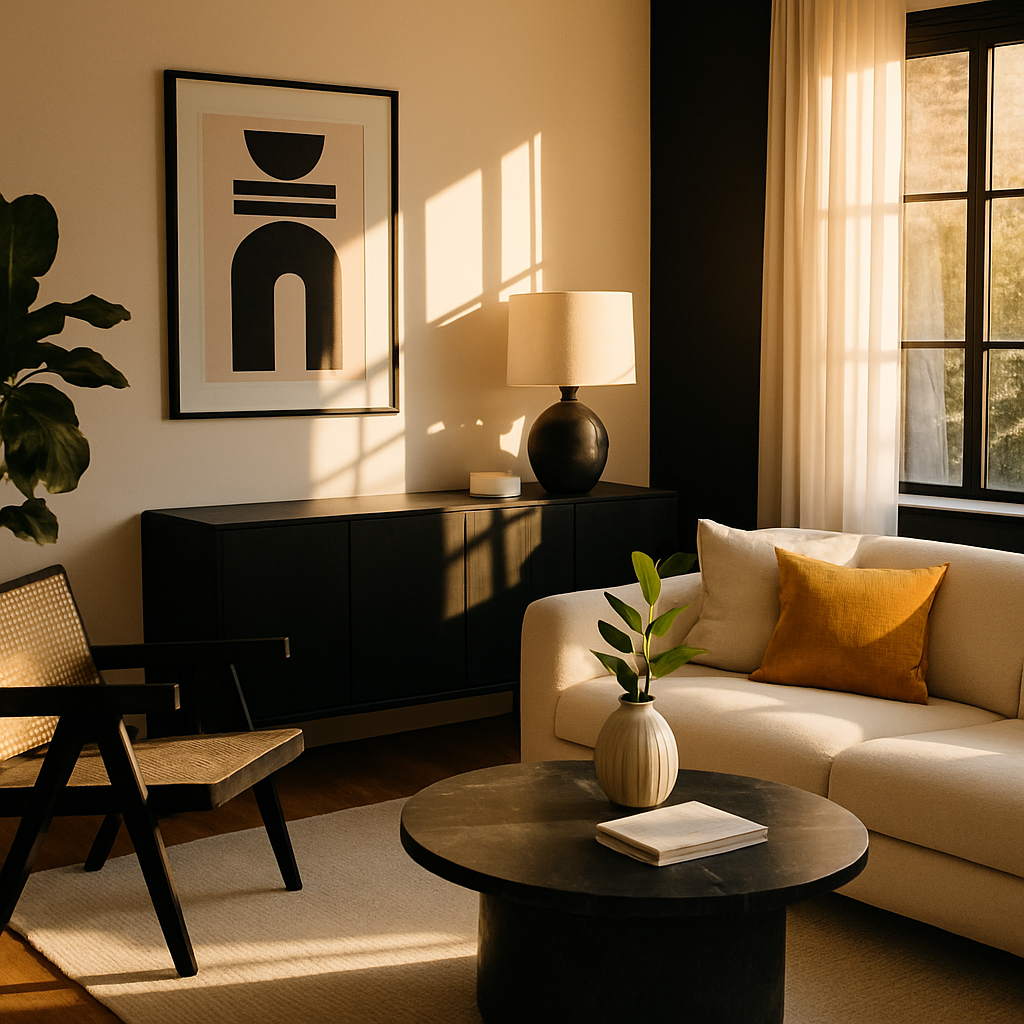
Interior design trends reflect broader cultural shifts in how people relate to their homes, their communities, and the natural world. The past several years have produced a cluster of design movements that go far beyond surface aesthetics, fundamentally rethinking how residential spaces support health, productivity, and emotional well-being. According to the American Society of Interior Designers (ASID), homeowners are increasingly seeking design solutions that address multiple needs simultaneously, combining visual appeal with functional performance, environmental responsibility, and technological convenience. These are not fleeting fads destined for irrelevance; they represent durable shifts in residential design philosophy that will continue shaping homes for years to come.
Professional designers certified through the National Council for Interior Design Qualification (NCIDQ) bring specialized knowledge to implementing these trends within specific architectural contexts and budgets. Consultation fees typically range from to per hour, with full-room projects spanning ,000 to ,000 depending on scope and materials. Understanding which trends align with your lifestyle and budget before engaging a professional ensures that every dollar of that investment produces meaningful results. Which of your rooms feels most outdated, and what would it take to transform it into a space that genuinely supports how you live today?
Biophilic Design and the Return to Natural Materials
Biophilic design has matured from an emerging concept into one of the most consequential movements in residential interiors. Rooted in the biological principle that humans possess an innate need to connect with natural environments, biophilic design incorporates living plants, natural materials, organic shapes, and maximized daylight into interior spaces. The International Interior Design Association (IIDA) has documented significant increases in client requests for biophilic elements across all project types, from urban apartments to suburban family homes. The approach extends well beyond scattering potted plants around a room; it involves rethinking spatial layouts to prioritize natural light paths, specifying materials that carry the visual and tactile signatures of the natural world, and creating sight lines to exterior landscapes wherever possible.
The material palette of biophilic design favors raw and lightly processed surfaces: live-edge wood slabs, hand-chipped stone, woven rattan, unsealed concrete, and unglazed ceramic. These materials age gracefully, developing patina and character over time rather than degrading, which aligns with sustainability principles and reduces the replacement cycles that generate waste. Flooring in wide-plank oak or walnut, walls clad in natural clay plaster, and countertops in honed marble or quartzite create environments where every surface invites touch and communicates organic warmth. Houzz data indicates that project listings featuring biophilic elements receive substantially more client inquiries than comparable conventional designs.
The health benefits of biophilic design are measurable and well-documented. Studies cited by ASID show that spaces incorporating natural elements reduce cortisol levels, lower blood pressure, and improve self-reported mood and concentration. For home offices, which have become permanent fixtures in many households, biophilic design offers particularly compelling advantages: workers in naturally lit, plant-filled environments report higher productivity and lower fatigue than those in conventional settings. Even small interventions like replacing a solid interior door with a glass panel that admits hallway light, or installing a living herb wall in a kitchen, can shift the sensory character of a space meaningfully. This trend demonstrates that design choices have tangible biological consequences, making aesthetics and wellness inseparable.
Japandi Fusion and Warm Minimalism
The Japandi aesthetic merges Japanese wabi-sabi philosophy, which finds beauty in imperfection and impermanence, with Scandinavian hygge, the pursuit of cozy contentment through simple pleasures. The resulting design language emphasizes clean lines, natural materials, muted earth tones, and handcrafted objects that carry visible marks of their making. Unlike strict minimalism, which can feel austere, Japandi spaces radiate warmth through textural richness: a linen curtain with an uneven weave, a ceramic bowl with an irregular rim, a wooden stool with hand-planed surfaces that reveal the tool's movement. AD PRO has identified Japandi as one of the most commercially successful design trends of the current period, appealing to clients who want calm interiors without coldness.
Implementing Japandi style requires restraint in quantity but generosity in quality. Each piece of furniture and each decorative object should earn its place through craftsmanship and material integrity rather than novelty or trendiness. A Japandi living room might contain only a low-profile sofa in undyed linen, a solid ash coffee table with exposed joinery, a single oversized ceramic vessel, and a woven wool rug in natural tones. The room's power comes from what is absent as much as what is present: blank wall space, visible floor area, and breathing room between objects create a meditative quality that many homeowners find deeply restorative after the sensory overload of daily life. Designers working on this aesthetic typically charge within the standard range but may allocate a higher percentage of the budget to fewer, more exceptional pieces.
The color palette in Japandi interiors draws directly from natural landscapes: warm clay, soft sage, weathered charcoal, undyed cream, and the golden tones of raw timber. These colors photograph beautifully in natural light and create rooms that feel grounded regardless of the season. The sustainable materials emphasis in Japandi practice resonates with environmentally conscious homeowners, as the style inherently discourages disposable furnishings and fast-fashion decor cycles. When every piece is chosen for its lasting beauty and material honesty, the impulse to redecorate every few years simply dissolves. This permanence represents both an environmental and financial advantage that makes Japandi one of the most practical trends to adopt, particularly for homeowners who want their design investment to remain relevant for a decade or more.
Smart Home Integration Beyond Basic Automation
Smart home technology has evolved from a novelty for early adopters into an integrated design layer that reshapes how interiors function on a daily basis. Current systems go far beyond programmable thermostats and voice-controlled speakers, encompassing whole-house lighting scenes that shift color temperature throughout the day to support circadian health, automated window treatments that respond to sun angle and weather conditions, and sensor-driven ventilation that maintains optimal air quality without manual intervention. NCIDQ-certified designers increasingly collaborate with home technology integrators during the planning phase, ensuring that smart systems are architecturally concealed and intuitively controlled rather than visually intrusive or frustratingly complex.
The design challenge with smart home technology lies in maintaining the warmth and character of a human-centered space while incorporating sophisticated digital systems. The most elegant solutions hide technology behind conventional surfaces: motorized shades that disappear into recessed ceiling pockets, speakers built into ceiling cavities or disguised within decorative objects, and touch panels integrated into wall surfaces that match surrounding finishes. Lighting design has been particularly transformed, with tunable LED systems that can shift from warm amber in the evening to cool daylight in the morning, all automated to follow the household's daily rhythm. These systems cost significantly more to install than conventional alternatives but deliver ongoing benefits in comfort, energy efficiency, and daily convenience.
Security, health monitoring, and accessibility represent the next frontier of smart home integration in interior design. Motion-sensing lighting that guides nighttime movement through hallways and bathrooms prevents falls, particularly for aging residents. Air quality monitors linked to ventilation and purification systems respond automatically to elevated pollutant levels. Motorized cabinetry, adjustable-height countertops, and voice-controlled appliances make kitchens accessible to users with mobility limitations without compromising aesthetic standards. The IIDA has recognized several residential projects where smart technology enables aging-in-place designs that look indistinguishable from luxury interiors, removing the institutional associations that previously stigmatized accessible design. As these systems become more affordable and more refined, they will become as standard as central heating, a baseline expectation rather than a premium upgrade.
Quiet Luxury and the End of Logo Culture
Quiet luxury in interior design mirrors the fashion industry's shift away from conspicuous branding toward understated quality that communicates sophistication through material excellence rather than recognizable labels. This trend values cashmere over polyester, hand-stitched leather over stamped synthetic, and bespoke joinery over mass-produced knockoffs, but it refuses to announce these choices through visible branding or ostentatious display. The resulting interiors feel expensive without feeling showy, a balance that requires considerable skill and knowledge to achieve. AD PRO editors have noted that quiet luxury has become the dominant aesthetic direction among high-net-worth clients, displacing the maximalist opulence that characterized luxury interiors in previous decades.
The practical hallmarks of quiet luxury include monochromatic or tonal color schemes in rich neutrals, fabrics with extraordinary hand-feel like heavyweight linen and brushed cashmere, furniture with perfect proportions and invisible joinery, and lighting that creates warm pools of illumination rather than dramatic theatrical effects. Hardware details, often the giveaway in budget distinctions, receive particular attention: solid brass pulls with a living finish, hand-forged iron hinges, and custom-milled door handles replace the plated or extruded alternatives found in conventional interiors. These details add cost incrementally but create a cumulative impression of quality that defines the quiet luxury experience. Designers implementing this aesthetic often work on project percentages of 10 to 25 percent, as the approach naturally gravitates toward premium furnishings and finishes.
What makes quiet luxury particularly relevant for current homeowners is its longevity. Trends built on novelty, whether a specific color, a pattern, or a material finish, inevitably cycle out of fashion and require updating. Quiet luxury, by contrast, is essentially timeless because it relies on enduring principles of material quality, proportion, and craftsmanship rather than seasonal style. A quiet luxury living room designed today will look equally appropriate and appealing in fifteen years, requiring only textile refreshes to maintain its currency. This durability makes the higher upfront investment economically rational over a longer time horizon, particularly for homeowners who view their interiors as long-term investments rather than short-term expressions. The question to ask yourself: would you rather invest in a room that impresses visitors this year, or one that still feels exactly right a decade from now?
Curved Forms and Organic Architecture
Straight lines and sharp angles are giving way to curves, arches, and organic silhouettes throughout residential design, from furniture profiles to architectural details. This shift reflects both aesthetic preference and psychological research suggesting that curved forms are perceived as more welcoming, safer, and more natural than angular geometries. Arched doorways, rounded furniture edges, sculptural lighting, and undulating wall treatments are appearing in homes across every budget level, from custom architectural interventions to affordable curved sofas and kidney-shaped coffee tables available through mainstream retailers. Houzz trend reports show that searches for arched mirrors, curved sofas, and round dining tables have increased dramatically in recent seasons.
Implementing curves effectively requires understanding how they interact with a room's existing geometry. A single arched doorway or a curved sofa can soften an otherwise rectilinear space without requiring wholesale architectural changes. Designers often use curved elements as focal points that draw the eye and create visual flow through open floor plans, replacing the hard stops that perpendicular walls and sharp-cornered furniture create. Materials that lend themselves to curves include bent plywood, cast concrete, molded plaster, and upholstered frames with rounded profiles. The fluted and ribbed surface treatments popular in current cabinetry and millwork add a soft rhythmic quality that complements curved forms, creating interiors where every surface has a sense of movement and breath.
The cost implications of curved design elements vary enormously. A curved sofa from a quality manufacturer might cost 20 to 40 percent more than a comparable straight-backed model due to the more complex frame engineering and upholstery work required. Custom arched doorways involve skilled plaster or carpentry work that represents a genuine construction upgrade. However, many curved accessories, such as round mirrors, organic-shaped vases, and kidney-shaped trays, are available at every price point, allowing homeowners to introduce the trend gradually without major investment. The enduring appeal of curved forms in design history, from Art Nouveau through mid-century modernism to the current moment, suggests that this trend has deep roots rather than shallow novelty, making it a relatively safe investment for homeowners concerned about longevity. Curves lead naturally into the next trend, as the spaces they create feel inherently more intimate and socially oriented.
Multifunctional Spaces and Adaptive Design
The rigid room designations of traditional floor plans, where each space served exactly one function, have given way to fluid, multifunctional environments that adapt to the varied demands of contemporary life. A dining room that transforms into a workspace during the day, a guest bedroom that serves as a yoga studio between visits, and a living room that accommodates both boisterous family gatherings and quiet solo reading are now standard design briefs. ASID research indicates that the average room in a well-designed contemporary home serves at least two distinct functions, a reality that demands more sophisticated spatial planning and furniture selection than single-purpose rooms require.
Furniture designed for multifunctional spaces prioritizes adaptability without compromising aesthetics. Extendable dining tables, modular sofas that reconfigure for different group sizes, and storage-integrated seating that conceals blankets, toys, or office supplies enable rooms to shift personality within minutes. Murphy beds and fold-down desks have shed their associations with cramped studio apartments and now appear in architecturally refined forms that complement high-end interiors. The key to successful multifunctional design is ensuring that each function feels fully realized rather than compromised. A home office nook in a guest bedroom should have proper task lighting, adequate outlet access, and a comfortable chair, not just a laptop perched on a dresser. Similarly, a living room configured for movie viewing should offer genuinely comfortable seating angles and controlled lighting, not a makeshift arrangement that satisfies neither purpose well.
Zoning techniques help multifunctional spaces feel organized rather than chaotic. Area rugs define activity zones within open floor plans, pendant lights signal dining areas, and changes in wall color or material mark transitions between functions. Sliding panels, curtain room dividers, and open shelving units create flexible boundaries that can be deployed or retracted as needs change throughout the day. AR/VR visualization tools have proven particularly valuable for planning multifunctional spaces, allowing homeowners to see how a room's various configurations will look and feel before committing to specific furniture purchases or built-in installations. Designers who charge to per hour increasingly consider multifunctional planning a core competency, as few contemporary projects involve rooms with only a single purpose.
These ten trends share a common thread: they prioritize human experience over superficial style, treating the home as an active participant in its inhabitants' well-being rather than a passive backdrop. From biophilic design's measurable health benefits to smart home technology's daily conveniences, from Japandi's meditative calm to quiet luxury's enduring quality, each trend offers tangible improvements in how a home supports the people who live in it. You do not need to adopt all ten simultaneously. Start with the two or three that resonate most strongly with your current frustrations or aspirations, consult with an NCIDQ-certified or ASID-affiliated designer who specializes in those areas, and begin transforming your house into a space that works as intentionally as it looks. The most rewarding design projects start with a single clear priority and build outward from there.
More Articles You May Like



Comments
Post a Comment