Affordable Interior Design Services: Creating Stunning Spaces Without Breaking the Bank
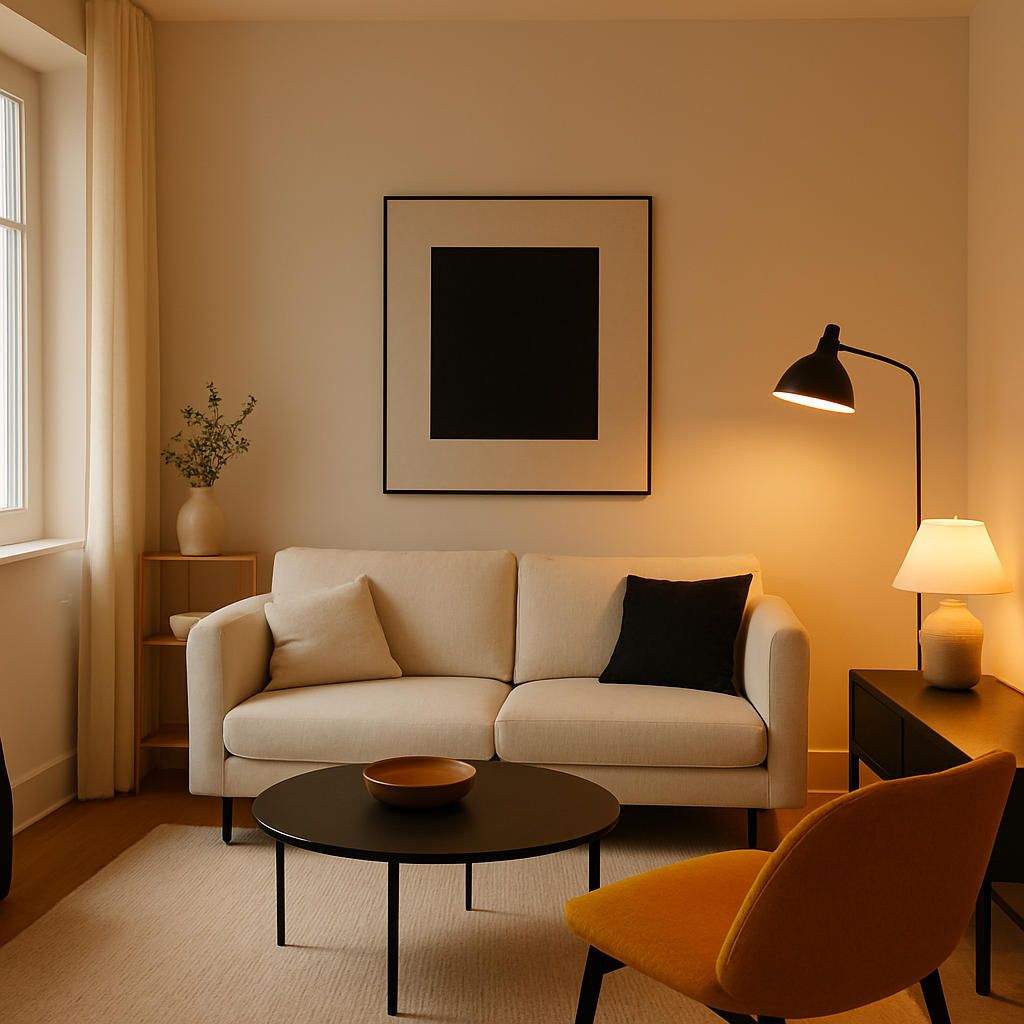
Can you imagine transforming your entire living room for less than the cost of your last vacation? Many homeowners believe that only a hefty budget can achieve beautiful interiors, but the reality is much different. According to the Houzz 2023 survey, 45% of homeowners reported being satisfied with projects completed on a modest budget. This figure underscores a growing trend: stunning spaces can be created without exorbitant spending. In this article, we'll explore how you can achieve affordable interior design, providing you with foundational concepts, actionable strategies, and expert insights to transform your home.
Understanding Affordable Interior Design
Affordable interior design doesn't mean compromising on style or quality. Instead, it involves making strategic choices that maximize impact while minimizing cost. The key is to focus on elements that offer the most visual bang for your buck. For example, a fresh coat of paint can dramatically change a room's appearance without the high costs associated with new furniture or structural changes. Furthermore, rearranging existing furniture to improve flow and functionality can make your space feel new.
Another foundational concept is the use of statement pieces. These are typically larger or more striking items that draw the eye and anchor a room's design. They could be anything from an oversized piece of art to a unique light fixture. The idea is to spend more on these items while economizing on smaller, less noticeable pieces. According to the American Society of Interior Designers (ASID), this approach helps maintain a luxurious feel without a luxurious price tag.
Finally, understanding the basics of interior design principles-such as balance, contrast, and harmony-can empower you to make impactful choices on your own. Many resources are available online to help you grasp these concepts, including free courses and design forums. By mastering these principles, you can create a cohesive look that feels both thoughtful and professionally curated.
Analyzing the Cost of Interior Design
To budget effectively for your interior design project, it's important to understand where the costs typically lie. According to the International Interior Design Association (IIDA), the cost of hiring a professional designer can vary widely, with hourly rates ranging from $150 to $500. However, many designers also offer flat-fee packages or charge a percentage of the total project cost, generally between 10% and 25%.
Besides professional fees, furniture and decor often represent the largest expenses. Houzz's annual survey indicates that the average homeowner spends between $5,000 and $15,000 on a single-room redesign. However, there are ways to reduce these costs significantly. For instance, sourcing items from thrift stores, online marketplaces, or clearance sections can yield high-quality finds at a fraction of the price. Additionally, considering refurbished or upcycled furniture can provide unique pieces that add character to your space while supporting sustainability.
Another cost to consider is the potential increase in your home's resale value. Well-designed interiors can increase a home's value by 5-15%, according to industry surveys. This means that strategic spending on interior design can be an investment in your property's future value, offsetting initial expenses with potential gains when it comes time to sell.
Actionable Strategies for Budget-Friendly Design
One effective strategy for achieving affordable interior design is to start with a clear plan. Map out the spaces you use most frequently and consider what changes would have the greatest impact on your daily life. Do you need a more functional kitchen? A more relaxing bedroom? Prioritizing needs can help focus your budget on areas that will enhance your quality of life.
Next, consider DIY projects. Many design elements, such as painting, installing shelving, or creating artwork, can be done yourself with minimal investment. Websites like Pinterest and YouTube offer countless tutorials that can guide you through these projects. By handling some tasks on your own, you can allocate more of your budget to areas where professional expertise is truly necessary.
Finally, experienced professionals often note the importance of timing. Scheduling purchases during sales events or working with designers during their less busy seasons can lead to significant savings. Are there upcoming sales or design expos in your area? These can be excellent opportunities to acquire high-quality items at reduced prices. By planning ahead and being flexible with timelines, you can take advantage of the best deals available.
Expert Insights for Maximum Impact
Experts in the field of interior design suggest that mixing high and low-end items can achieve a balanced aesthetic without overspending. For example, pairing a luxurious sofa with budget-friendly side tables can create an elegant living space that feels cohesive. This approach allows you to invest in key pieces that offer comfort and durability while economizing on less critical items.
Another insider tip involves leveraging technology. Many designers now use AR/VR room visualization tools to help clients see potential changes before making any purchases. These tools can prevent costly mistakes by ensuring that you are satisfied with a design choice before committing financially. Platforms like Houzz and Architectural Digest's AD PRO offer access to these cutting-edge tools, providing a virtual glimpse into your redesigned space.
Additionally, staying informed about current trends can guide your design decisions. Trends such as biophilic design, which incorporates natural materials and greenery, or the Japandi style, a blend of Japanese minimalism and Scandinavian warmth, are both popular and enduring. These styles not only create a modern aesthetic but also use materials that are often accessible and affordable, making them perfect for budget-conscious projects.
Additional Tips to Enhance Your Design
Lighting plays a crucial role in interior design, and it's an area where you can make a significant impact with minimal expense. Consider updating fixtures or adding dimmers to create different moods in a room. Smart home integration, such as automated lighting systems, can also enhance functionality and add a modern touch, often proving to be a worthwhile investment.
Sustainability is another area gaining traction in interior design. Using reclaimed or sustainable materials can be both eco-friendly and cost-effective. Many designers advocate for incorporating vintage or second-hand items, which can add a unique flair to your home. This practice not only saves money but also reduces environmental impact, aligning with the values of a growing demographic of environmentally conscious consumers.
Finally, don't underestimate the power of textiles. Simple updates like new curtains, throw pillows, or rugs can refresh a room's look without a major overhaul. These items can often be found on sale or at discounted prices, offering a budget-friendly way to incorporate seasonal trends or add pops of color and texture to your space.
Final Perspectives on Affordable Design
Creating a stunning space without breaking the bank is entirely achievable with the right mindset and strategies. By focusing on impactful changes, leveraging technology, and being resourceful with purchases, you can transform your home into a space that reflects your style and meets your needs. Consider what elements are most important to you and how you can creatively incorporate them into your design plan.
As you embark on your design journey, keep in mind that affordable doesn't mean sacrificing quality. With careful planning and a willingness to explore different resources, you can achieve a high-end look that fits comfortably within your budget. Are you ready to start your transformation today?
Conclusion
Affordable interior design is not only possible but can be incredibly rewarding. By applying the strategies discussed-such as prioritizing impactful changes, incorporating DIY projects, and utilizing technology-you can create a home that is both beautiful and budget-friendly. Remember, the goal is to make thoughtful, strategic choices that enhance your space without unnecessary spending.
To take the first step towards your affordable design journey, start by browsing designer portfolios on platforms like Houzz or Instagram. Even 20 minutes of research can inspire ideas and help you refine your vision for your home. By immersing yourself in the world of design, you'll become more attuned to what you want and how to achieve it within your budget. Happy designing!



Comments
Post a Comment