Budget-Friendly Interior Design Ideas That Look Luxe Without Breaking the Bank
Imagine transforming your living space into a haven of luxury without emptying your savings. According to a recent Houzz survey, 74% of homeowners believe that effective design enhances their quality of life. However, achieving a high-end look often seems synonymous with high costs. The good news? With a keen eye for detail and some strategic planning, you can achieve a luxe interior on a budget. This article will guide you through foundational concepts, actionable strategies, expert insights, and current trends to help you elevate your home's aesthetic without the hefty price tag.
Understanding the Principles of Luxe Design
To begin, it's crucial to grasp the core principles of luxury design. These principles often revolve around simplicity, quality materials, and cohesive color palettes. Luxury doesn't necessarily mean cluttered or over-the-top; rather, it emphasizes a sense of harmony and balance. For instance, the Japandi style, which combines Japanese minimalism with Scandinavian warmth, is a prime example of understated elegance that emphasizes simplicity and function.
Moreover, quality materials don't have to be expensive. Consider using materials that mimic high-end finishes. Engineered wood, for instance, can provide the appearance of hardwood floors at a fraction of the cost. Similarly, laminate countertops can mimic the look of marble without the hefty price tag. Understanding these principles allows you to make smart choices that reflect luxury without overspending.
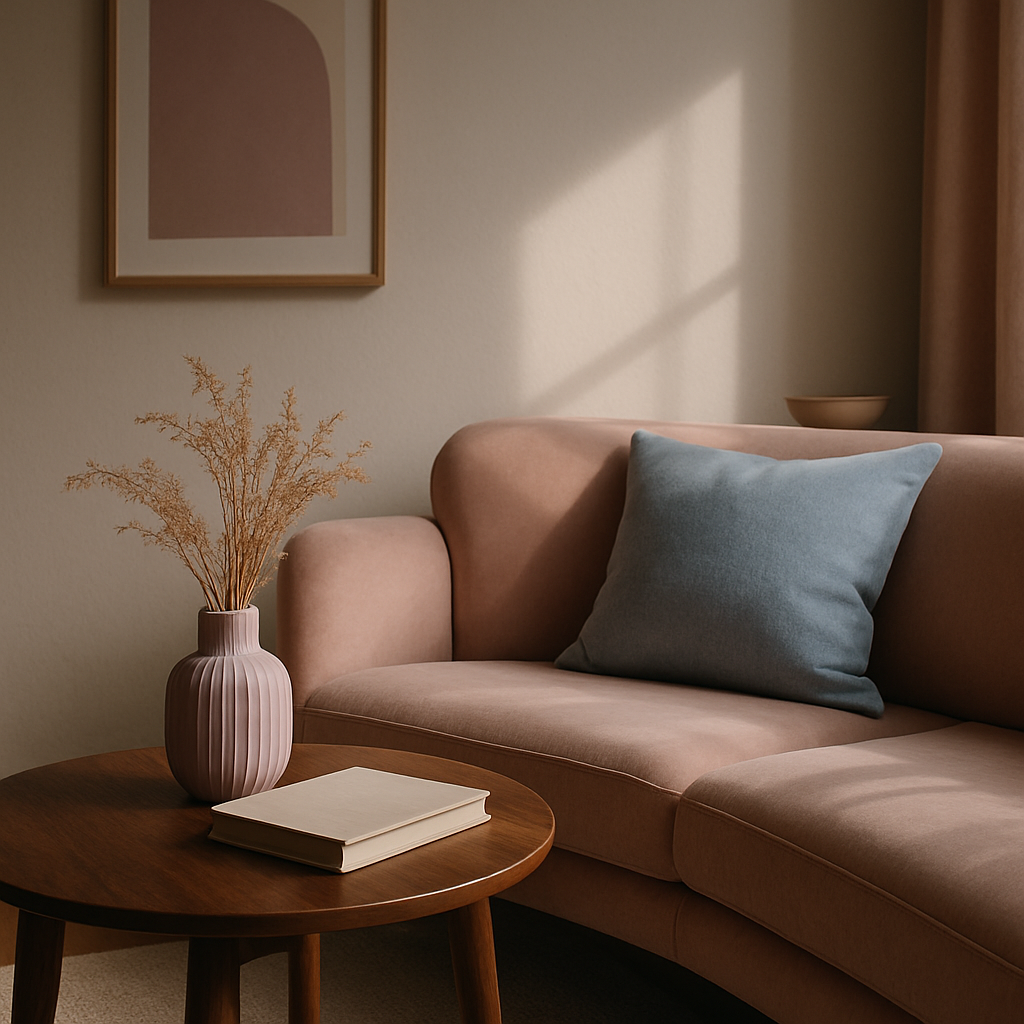
Color is another key element. Stick to neutral tones or monochromatic schemes to create a timeless, sophisticated look. Adding pops of color through accessories like cushions or artwork can also enhance the visual appeal without requiring a major investment. By focusing on these foundational elements, you set the stage for a luxurious appearance that aligns with your budget.
Analyzing the Cost vs. Impact of Design Elements
When designing on a budget, it's important to analyze the cost versus the impact of each design element. Industry surveys suggest that lighting is one of the most cost-effective ways to transform a space. Updating light fixtures or adding strategic lighting layers can dramatically change the ambiance of a room without significant expense. Pendant lights, for example, can add elegance and are available at various price points.
Similarly, investing in statement pieces can have a high impact with relatively low cost. A large mirror or a bold piece of art can serve as a focal point, drawing attention and adding a sense of grandeur. According to the American Society of Interior Designers (ASID), such statement pieces can increase the perceived value of a space without a substantial financial outlay.
It's also worth noting that textiles play a significant role in the perception of luxury. Opt for velvet or silk-like fabrics for curtains, pillows, and throws. These materials can add a touch of opulence and comfort. By carefully choosing where to invest your resources, you can achieve a high-impact design without exceeding your budget.
Actionable Strategies for a Luxe Look on a Budget
Are you ready to roll up your sleeves and make some changes? Start with decluttering. A clean, organized space naturally feels more luxurious. Remove items you no longer need and focus on showcasing fewer, more impactful pieces. This approach not only saves money but also elevates the overall aesthetic.
Next, consider DIY projects that can enhance your space. Painting an accent wall, updating cabinet hardware, or even crafting your own decor can significantly change the look of a room. Websites like Houzz offer tutorials and inspiration for DIY enthusiasts looking to add a personal touch without professional costs.
Lastly, don't underestimate the power of rearranging your existing furniture. Sometimes, simply changing the layout can breathe new life into a room. Place furniture to create conversational groupings and ensure a good flow of movement. These actionable strategies empower you to take control of your design process, maximizing the return on your investment.
Leveraging Expert Insights and Trends
Experienced professionals often note that integrating current design trends can instantly elevate a space. For example, biophilic design, which incorporates natural elements and promotes indoor-outdoor flow, is a popular trend that adds both aesthetic and psychological benefits. You can bring in natural materials like wood and stone or add greenery to achieve this look affordably.
Another trend is smart home integration. Automated lighting and smart thermostats aren't just functional; they add a modern touch that signals luxury. Platforms like Pinterest are great resources for discovering how others have incorporated these technologies in stylish ways.
Additionally, sustainable and reclaimed materials are gaining traction. Not only are they environmentally friendly, but they also add unique character and story to your home. By staying informed about these trends, you can incorporate elements that reflect a high-end look and feel.
Digging Deeper: Fee Structures and Budget Context
Understanding the financial aspects of interior design can help you make informed decisions. If you're considering hiring a designer, be aware of the different fee structures. Designers may charge a flat fee, hourly rate (ranging from $150 to $500 per hour), or a percentage of the total project cost. According to the International Interior Design Association (IIDA), procurement markups on furniture are also common.
For those handling a project themselves, setting a realistic budget is crucial. A single room redesign can range from $5,000 to $15,000, while a full-home project might exceed $50,000. However, with strategic planning and an emphasis on impactful changes, significant savings are achievable.
Consider the commonly cited statistic that well-designed interiors can yield a 5-15% higher resale value. This potential return on investment makes it worthwhile to consider your design choices carefully. By understanding these financial aspects, you can navigate your project with confidence and clarity.
Final Thoughts on Achieving Budget-Friendly Luxury
It's clear that achieving a luxe look doesn't have to mean overspending. By focusing on strategic changes, leveraging current trends, and understanding financial considerations, you can create a space that feels both personal and luxurious. Have you identified the areas in your home that could benefit from a budget-friendly makeover?
Reflect on the principles of luxury design and consider how you can incorporate them into your own space. Whether through simple rearrangements, DIY projects, or strategic investments, the path to a luxurious home is more accessible than you might think.
Conclusion
In summary, transforming your home into a luxurious oasis is entirely possible on a budget. By understanding the principles of luxury design, analyzing cost versus impact, and implementing actionable strategies, you can achieve a high-end look without breaking the bank. Explore platforms like Houzz and Pinterest for inspiration, and consider how current trends can enhance your space. Start by browsing designer portfolios this week-even 20 minutes of research will sharpen your eye for what you want. The journey to a stylish, budget-friendly interior is just a few thoughtful steps away.
More Articles You May Like



Comments
Post a Comment