Budget-Friendly Interior Design: Create a Dream Home Without Breaking the Bank
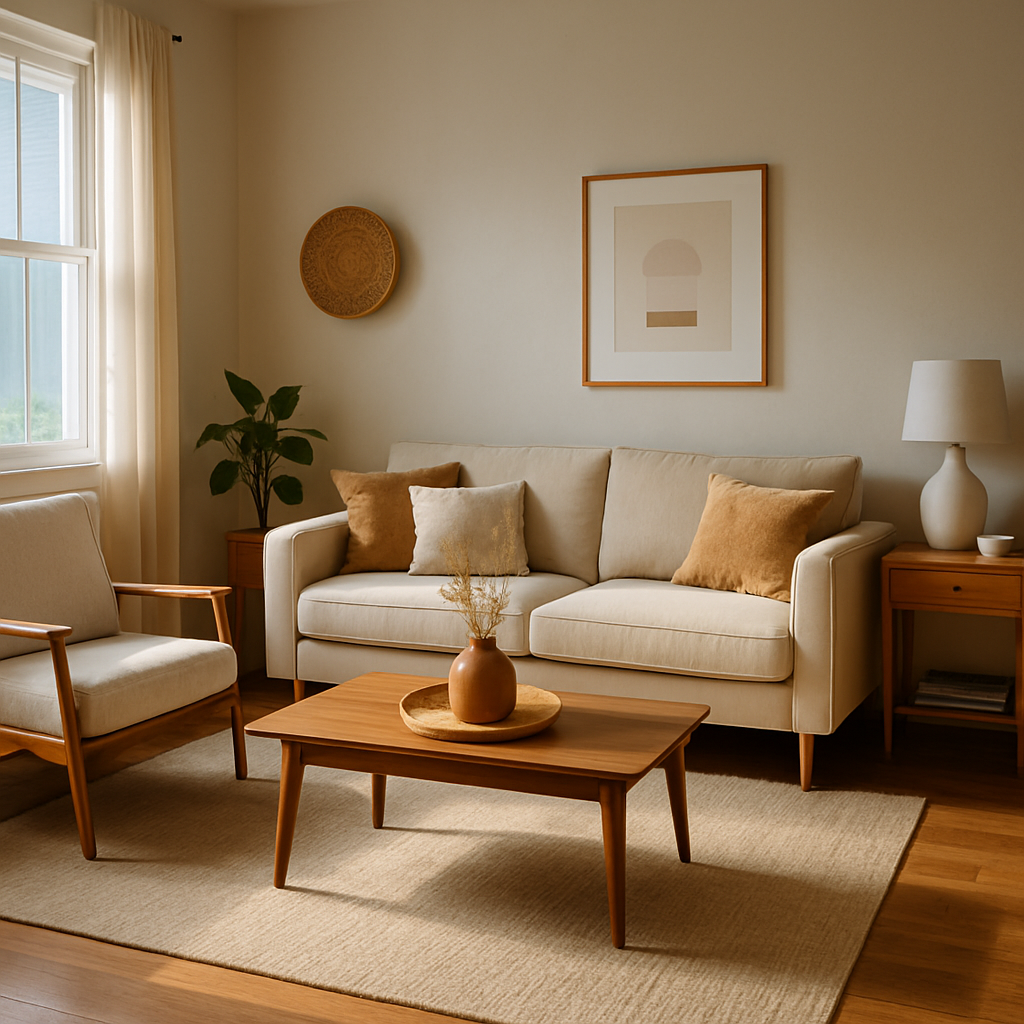
Imagine walking into your home and feeling enveloped by a sense of warmth and style, achieved without draining your savings. According to a survey by Houzz, nearly 50% of homeowners report that interior design projects often exceed their initial budgets. But what if you could achieve a stunning transformation without overspending? In this article, we'll explore how you can create a dream home through budget-friendly interior design. We'll discuss foundational concepts, analyze deeper strategies backed by data, and offer actionable insights and expert-level details. By the end, you'll have a comprehensive understanding of how to balance aesthetics with affordability.
Understanding the Basics of Budget-Friendly Design
Budget-friendly interior design starts with a clear understanding of your financial limits and priorities. Before selecting paint colors or furniture, it's crucial to establish a realistic budget. Consider how much you're willing to spend and allocate funds to areas that matter most. According to the American Society of Interior Designers (ASID), setting a budget can help you avoid overspending by up to 20%, as it forces you to prioritize essentials over luxuries.
Next, assess your space's functionality. How do you use each room? Mapping out the flow and purpose of each area helps you make informed decisions about what changes are necessary. For instance, if your living room doubles as a home office, investing in a dual-purpose desk and sofa can save money and space. This strategic use of furniture is a hallmark of budget-conscious design, as it maximizes utility without compromising style.
Lastly, embrace the power of DIY. Simple projects like painting walls or repurposing furniture can refresh a space at a fraction of the cost of hiring professionals. Websites like Pinterest offer countless ideas for DIY projects that can add a personal touch to your home. As you consider these basics, remember that budget-friendly design isn't about cutting corners; it's about smart, intentional choices.
Analyzing Cost-Effective Choices in Design
To dive deeper into budget-friendly interior design, consider cost-effective materials and finishes. Choosing alternatives to expensive materials can significantly reduce costs. For example, laminate countertops offer the look of granite or quartz at a lower price. According to a study by the National Kitchen & Bath Association, homeowners can save up to 40% by opting for laminate over natural stone.
Another savvy choice is to use paint as a transformative tool. A fresh coat of paint can dramatically alter a room's appearance without the need for costly renovations. Light colors can make small spaces feel larger, while bold hues can add character and depth. Experienced professionals often note that paint is one of the most cost-efficient ways to refresh a space.
Incorporating second-hand or vintage items is another effective strategy. Thrift stores, garage sales, and online marketplaces like Facebook Marketplace are treasure troves of unique, affordable pieces. Not only do these items add character, but they also support sustainable practices by reducing waste. As you explore these options, remember that budget-friendly design thrives on creativity and resourcefulness.
Implementing Actionable Strategies for Budget Design
Implementing budget-friendly design strategies begins with a focus on small, impactful changes. Start by decluttering your space to create a sense of order and openness. Removing excess items can instantly refresh a room, making it feel larger and more inviting. Are there areas in your home that could benefit from a declutter session?
Next, consider the impact of lighting. Adequate lighting not only enhances the ambiance but also highlights your design choices. Swap out harsh overhead lights for softer, layered lighting using lamps and sconces. Smart lighting solutions, such as dimmers and smart bulbs, offer flexibility and energy efficiency, allowing you to control the atmosphere with ease.
Finally, focus on textiles and accessories. These elements can change a room's look and feel without requiring major investments. Incorporate throw pillows, rugs, and curtains in varying textures and colors to add depth and warmth. By strategically selecting these items, you can achieve a cohesive design that reflects your personal style while adhering to your budget.
Expert Insights on Budget-Friendly Design
Experienced professionals often emphasize the importance of planning and research in budget-friendly design. Before making any purchases, spend time researching materials, prices, and styles. Platforms like Houzz and Architectural Digest provide valuable insights into current trends and cost-effective solutions. Are you taking advantage of these resources to inform your design decisions?
Another expert tip is to prioritize investment pieces. Identify which items in your home should be of higher quality, such as a sofa or a dining table, and allocate a larger portion of your budget to these. Quality over quantity ensures longevity and satisfaction with your design choices. According to industry consensus, well-chosen investment pieces can elevate a space, making budget-friendly elements appear more luxurious.
Lastly, consider hiring a certified interior designer for a consultation. While this may seem counterintuitive to saving money, a one-time consultation can provide valuable guidance and prevent costly mistakes. The National Council for Interior Design Qualification (NCIDQ) certification ensures designers have met rigorous standards, offering peace of mind that your project is in capable hands.
Additional Depth: Leveraging Technology in Design
Technology plays a pivotal role in modern interior design, including budget-friendly approaches. Augmented reality (AR) and virtual reality (VR) tools allow you to visualize changes before committing to purchases. Apps like Roomstyler and Planner 5D enable you to experiment with layouts and color schemes, ensuring your choices align with your vision and budget.
Smart home integration is another area where technology and design intersect. Automated window treatments, climate control, and lighting systems not only enhance convenience but also contribute to energy efficiency, reducing long-term costs. Are you exploring how smart technology can enhance both the functionality and aesthetics of your home?
Finally, use social media platforms like Instagram and Pinterest for inspiration and community engagement. These platforms offer endless ideas and connect you with designers and homeowners who share their experiences and tips. By leveraging these technological tools, you can make informed, budget-conscious design decisions that reflect your unique style.
Concluding Perspectives: Achieving Your Dream Home
Creating a budget-friendly dream home is an attainable goal with the right strategies and mindset. By understanding foundational concepts, exploring cost-effective choices, and implementing actionable strategies, you can transform your space without overspending. Expert insights and technological tools further enhance your ability to design a home that feels luxurious and personal.
As you embark on your design journey, remember that the key to success lies in creativity, research, and intentionality. Are you ready to take the next step in creating a space that reflects your vision and budget? With these insights, you're well-equipped to achieve a stunning transformation.
Conclusion
In summary, budget-friendly interior design is about making informed, strategic choices that reflect both your style and financial considerations. By following the expert tips and leveraging technology, you can create a home that feels both luxurious and affordable. Start by browsing designer portfolios on Houzz this week- even 20 minutes of research will sharpen your eye for what you want. With these tools and insights, your dream home is within reach, offering both beauty and functionality without breaking the bank.



Comments
Post a Comment