10 Modern Interior Design Trends Redefining Home Aesthetics
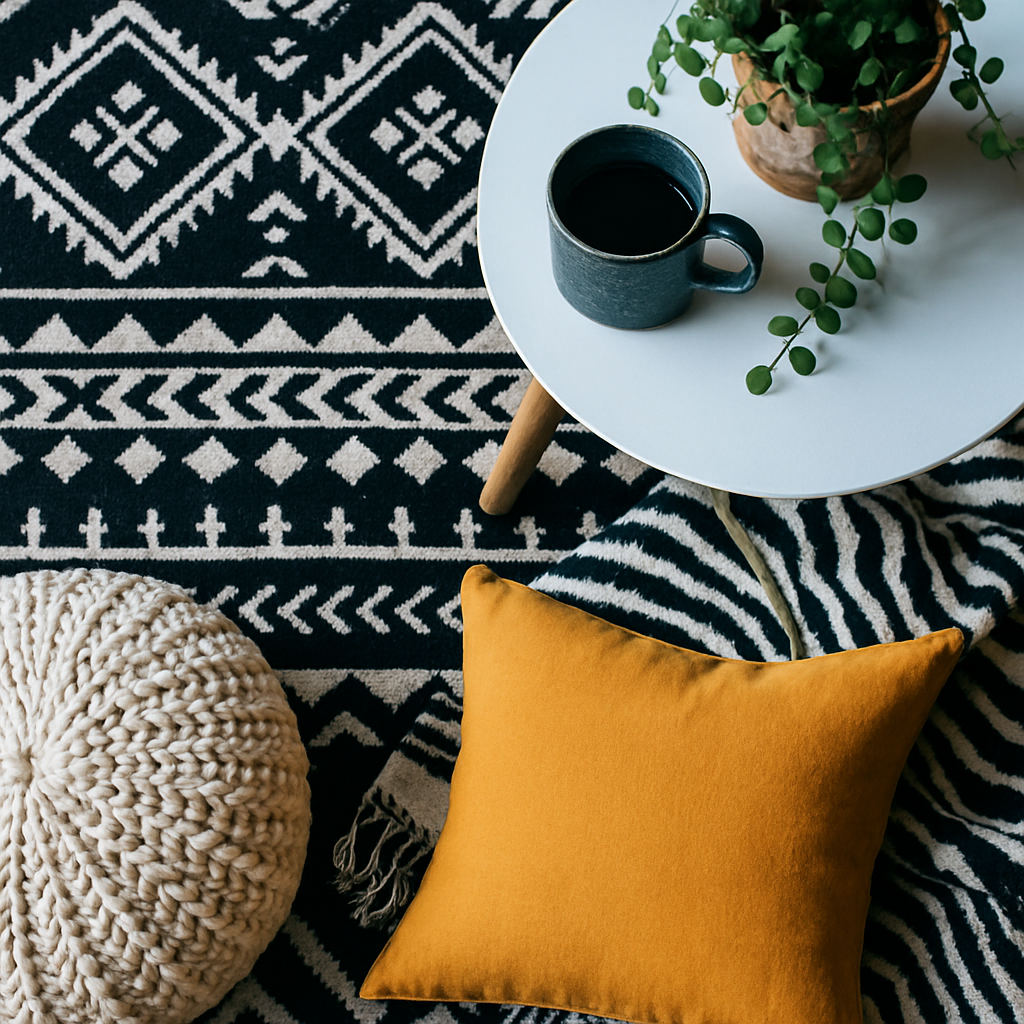
Have you ever walked into a room and felt instantly at peace, as if the space itself whispered tranquility? That's the magic of modern interior design. As we navigate an era where our homes are more than just living spaces, but personal sanctuaries, the way we design them is transforming dramatically. This article delves into the top ten modern interior design trends that are currently reshaping home aesthetics. From the integration of smart technology to the embrace of biophilic design, these trends are not just about style-they're about creating environments that resonate with personal well-being and sustainability. Whether you're considering a full-home redesign or a simple room refresh, understanding these trends will help you make informed, impactful choices.
The Shift Towards Biophilic Design
Biophilic design, which emphasizes the use of natural materials and the creation of an indoor-outdoor flow, is gaining significant traction. Homeowners are increasingly drawn to spaces that bring the outdoors in, using elements like living walls, natural wood finishes, and large windows to maximize natural light. According to Houzz, a prominent platform for home renovation and design, searches for biophilic design elements have increased by 30% over the past year. This trend is not just aesthetic but also linked to wellness, as studies show that exposure to natural elements can reduce stress and enhance mood.
This design philosophy does not just stop at visual elements. It extends to using sustainable materials such as bamboo, reclaimed wood, and stone, which not only add texture and depth to interiors but also contribute to environmental sustainability. The American Society of Interior Designers (ASID) reports that sustainability is a priority for 80% of their members when designing spaces. This shift reflects a broader societal move towards eco-conscious living, prompting designers to innovate with materials and methods that minimize environmental impact.
As you consider biophilic elements for your own home, think about how these natural components can enhance your daily life. Do you feel more at peace when surrounded by greenery? Could the use of natural light transform your living space into a more inviting and calming environment? These are the kinds of questions that can guide your design choices, ensuring they are both personal and purposeful.
The Rise of Quiet Luxury
Quiet luxury, characterized by understated elegance and high-quality materials, is redefining what it means to live in opulence. This trend moves away from overt displays of wealth and instead focuses on subtle sophistication-think plush textiles, muted color palettes, and bespoke craftsmanship. According to Architectural Digest's AD PRO network, this trend is seeing increased adoption among high-end clientele who value quality over quantity.
One of the key aspects of quiet luxury is the emphasis on craftsmanship and artisanal pieces. Handmade items, whether they are custom-built furniture or unique art pieces, are central to this aesthetic. The International Interior Design Association (IIDA) has noted a significant increase in demand for such bespoke items, as they often become focal points that define a room's character. This appreciation for the artisanal reflects a deeper trend towards personalization in interior design.
Are you yearning for a space that speaks to quiet luxury? Consider investing in a few select pieces that bring both beauty and functionality to your home. This approach not only elevates the aesthetic but also creates a timeless environment that can adapt over the years. As we explore more trends, you'll see how this theme of subtle sophistication ties into broader design strategies.
Smart Home Integration
In an age where technology pervades every aspect of our lives, smart home integration has become a pivotal trend in modern interior design. This trend encompasses the use of automated systems for lighting, climate control, and window treatments, providing both convenience and energy efficiency. The National Council for Interior Design Qualification (NCIDQ) emphasizes the importance of integrating technology seamlessly into design plans to enhance both functionality and aesthetic appeal.
Consider how automated lighting systems can transform your living environment. Not only do they provide mood-enhancing illumination, but they also adapt to your daily routines, creating a personalized ambiance. Similarly, smart climate control systems ensure comfort while optimizing energy use, reflecting a growing trend towards sustainable living. According to a recent survey by Houzz, 45% of homeowners have integrated some form of smart technology into their renovation projects.
As you incorporate smart technologies into your home, think about the specific areas where they could make the most impact. Could automated window treatments enhance your morning routine by gradually letting in sunlight? Would a smart thermostat help reduce your energy bills while maintaining comfort? These considerations can help you prioritize your investments in technology, ensuring they align with your lifestyle and sustainability goals.
Embracing Japandi Design
Japandi design, an innovative fusion of Japanese minimalism and Scandinavian warmth, is capturing the attention of design enthusiasts globally. This trend is characterized by clean lines, functional spaces, and a muted color palette, creating environments that are both serene and inviting. The appeal of Japandi lies in its ability to marry two distinct styles into a cohesive, harmonious aesthetic that emphasizes simplicity and functionality.
Experienced professionals often note that the success of Japandi design hinges on balance-balancing the minimalist aspects of Japanese design with the cozy elements of Scandinavian interiors. This trend encourages the use of natural materials, such as light woods and simple textiles, which bring warmth and texture to spaces without overwhelming them. As noted by the American Institute of Architects (AIA), Japandi design also emphasizes sustainable practices, making it an eco-friendly choice.
Are you considering Japandi for your own home? Start by simplifying your spaces and focusing on quality over quantity. Look for furniture pieces that prioritize function, such as a sleek wooden dining table or a plush wool rug. As we explore further, you'll see how this minimalist approach can be adapted to various living environments, offering both style and practicality.
Sustainable and Reclaimed Materials
The use of sustainable and reclaimed materials is more than a trend; it's a movement towards responsible design. As awareness of environmental issues grows, so does the demand for materials that minimize ecological impact. Designers are increasingly turning to options like reclaimed wood, recycled glass, and eco-friendly paints to create beautiful, sustainable interiors.
According to the ASID, over 70% of designers report an increased interest in sustainable materials from their clients. This shift is not only about reducing carbon footprints but also about creating spaces that are healthy for their inhabitants. Low-VOC (volatile organic compound) paints and finishes are becoming common choices, ensuring that indoor air quality is maintained.
As you plan your next home project, consider how sustainable materials can be incorporated into your design. Could reclaimed wood add character to your kitchen cabinets? Would eco-friendly fabrics enhance your living room's comfort and style? These decisions not only contribute to a healthier planet but also offer a unique aesthetic that sets your home apart. As we move to the final perspective, think about how sustainability can be a guiding principle in your design journey.
AR/VR Room Visualization Tools
Augmented Reality (AR) and Virtual Reality (VR) technologies are revolutionizing the way we approach interior design. These tools allow homeowners to visualize potential changes before making any physical alterations, providing a more immersive and informed design experience. The NCIDQ highlights the growing use of AR and VR in design consultations, as they help bridge the gap between concept and reality.
Imagine being able to virtually walk through your redesigned living room or see how a new color scheme would look before committing to it. These technologies provide a level of precision and customization that was previously unattainable. A survey by Houzz found that 60% of homeowners found AR/VR tools helpful in the planning stages of their renovation projects.
As you consider your next home update, explore how AR/VR tools could enhance your design process. Could they help you see the potential in a challenging space? Would a virtual tour help you decide between multiple design options? By leveraging these technologies, you can make more informed choices, reducing the risk of costly design missteps. This final perspective brings us full circle to reconsider how technology and design trends intersect to create truly personalized homes.
Conclusion
Modern interior design trends are not just about aesthetics-they represent a shift towards spaces that are functional, sustainable, and personalized. From the serenity of biophilic design to the precision of smart home technology, these trends offer a roadmap for creating environments that enhance your quality of life. As you embark on your design journey, ask yourself: what elements resonate with your personal style and values? How can you incorporate these trends to create a space that truly feels like home?
Begin by exploring designer portfolios on platforms like Houzz or the ASID directory to gather inspiration and narrow down your style preferences. Even dedicating 20 minutes this week to research can provide clarity and direction for your project. By staying informed and open to new ideas, you can transform your living spaces into reflections of who you are and aspire to be. Start by taking that first step-your future home awaits.
More Articles You May Like



Comments
Post a Comment