Unlocking Career Opportunities: Top Interior Design Jobs to Explore in 2024
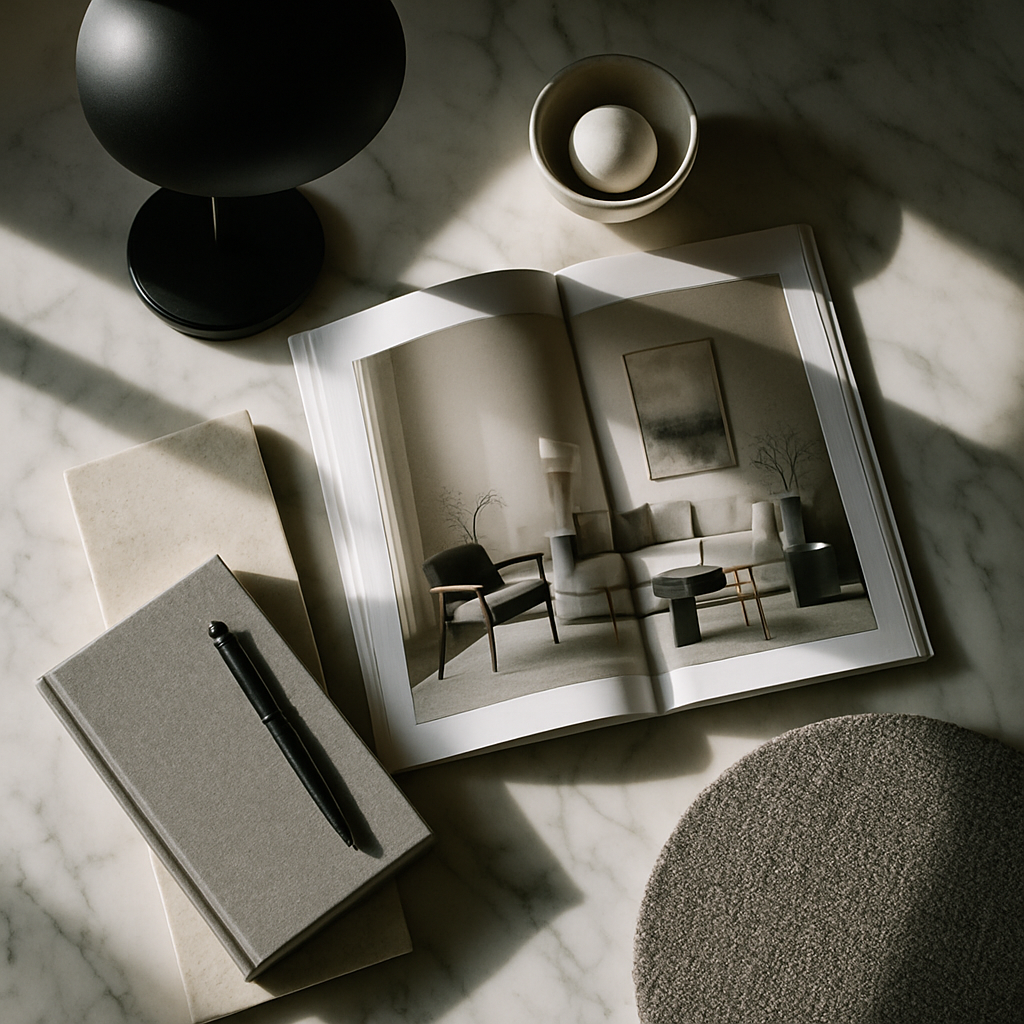
Have you ever wondered why some spaces leave you feeling invigorated, while others fall flat? The magic lies in the meticulous craft of interior design-a field that's booming with opportunities. According to the U.S. Bureau of Labor Statistics, employment for interior designers is projected to grow 4% over the next decade, reflecting a steady demand for design expertise. As 2024 unfolds, it's an opportune moment to explore the diverse career paths within this vibrant industry. In this article, we'll delve into the top interior design jobs you should consider, provide insights into the necessary skills and qualifications, and offer actionable strategies to effectively position yourself in this competitive field.
Understanding the Landscape of Interior Design Careers
Interior design isn't a monolithic field; it encompasses a variety of specialties and roles. At the core, interior designers are tasked with creating aesthetically pleasing and functional spaces that meet client needs. However, beyond this fundamental understanding, the field branches into numerous specialized roles, each with unique demands and opportunities. A certified interior designer, for instance, often holds credentials like the NCIDQ (National Council for Interior Design Qualification), which is a benchmark for professionalism and expertise in the industry.
Many professionals start their careers as design assistants, gaining practical experience by working alongside more seasoned designers. This role is critical for learning the ropes, from understanding client briefs to selecting materials and managing budgets. As you gain experience, you might find yourself drawn to specific niches such as residential, commercial, or sustainable design. Each niche not only requires a distinct skill set but also offers different career trajectories and income potentials.
The field of interior design also extends into areas like lighting design, set design for film and television, and even virtual reality space planning. These roles require a blend of creativity, technical skills, and an understanding of emerging technologies. Whether you're passionate about creating cozy living spaces or high-tech office environments, the landscape of interior design careers is both broad and rich with potential.
Analyzing Industry Trends and Data
Current trends indicate a growing interest in sustainable and biophilic design, which integrates natural elements into built environments. According to a survey by Houzz, over 70% of homeowners expressed interest in incorporating sustainable practices into their renovation projects. This trend is creating new avenues for designers who specialize in eco-friendly materials and energy-efficient layouts.
Moreover, the advancement of smart home technology is reshaping design practices. Designers are increasingly required to integrate smart systems for lighting, climate control, and security into their plans. This tech-savvy approach not only appeals to modern consumers but also positions designers at the forefront of innovation. The integration of AR/VR tools is another burgeoning trend, allowing clients to visualize design concepts in immersive 3D environments, enhancing client satisfaction and decision-making processes.
These trends aren't just reshaping client expectations; they're influencing job roles within the industry. Designers who can adapt to these changes-by acquiring new technological skills or specializing in sustainable design-are likely to find themselves in high demand. As you contemplate a career in interior design, consider how these trends might align with your interests and strengths.
Actionable Strategies for Aspiring Interior Designers
Breaking into the interior design industry requires more than just a love for aesthetics. It demands a strategic approach to education, networking, and skill development. Start by obtaining a degree in interior design or a related field, which provides a solid foundation in design principles, color theory, and CAD software. The American Society of Interior Designers (ASID) offers resources and student memberships that can be invaluable for budding designers.
Networking is another critical component. Attending industry events, joining professional organizations like the IIDA (International Interior Design Association), and connecting with peers on platforms like LinkedIn can open doors to mentorships and job opportunities. Consider seeking out internships at design firms, where you can gain hands-on experience and build a portfolio that showcases your skills and style.
Another effective strategy is to specialize in a niche that interests you, such as commercial design or historical restoration. By developing expertise in a specific area, you can differentiate yourself in the job market and command higher fees. Remember, the interior design industry values both creativity and business acumen, so honing your project management and client communication skills will also enhance your career prospects.
Diving Deeper into Specialized Roles
Within the broad spectrum of interior design, specialized roles offer unique challenges and rewards. Residential designers focus on private homes, creating spaces that reflect the homeowners' tastes and lifestyles. This role often involves working closely with clients to understand their vision and translating it into a cohesive design plan. Residential projects can range from single-room redesigns to comprehensive home renovations, with budgets varying accordingly.
Commercial designers, on the other hand, work on spaces like offices, hotels, and retail environments. These projects require an understanding of brand identity, functionality, and the ability to design spaces that enhance the user experience. The demand for commercial designers is growing, especially as businesses seek to create innovative work environments that boost productivity and employee satisfaction.
Another exciting area is hospitality design, which involves creating inviting and memorable spaces in hotels, resorts, and restaurants. This niche not only requires a keen eye for aesthetics but also an understanding of operational considerations such as workflow and maintenance. If you have a passion for travel and luxury, hospitality design might be the perfect fit for your career ambitions.
Exploring Emerging Opportunities and Tools
The interior design industry is continually evolving, with new tools and opportunities emerging regularly. One such development is the increasing use of virtual and augmented reality in the design process. These technologies allow designers to create lifelike simulations of their projects, providing clients with a virtual walk-through of their future spaces. This immersive experience can significantly enhance client understanding and satisfaction.
Additionally, the rise of online design platforms like Houzz and Pinterest has transformed how designers market their services. By showcasing your work on these platforms, you can reach a broader audience and attract potential clients from around the world. These platforms also serve as valuable sources of inspiration, allowing you to stay abreast of current trends and innovative design solutions.
Professional growth in this dynamic industry often involves continuous learning and adaptation. Whether it's mastering new software, understanding sustainable materials, or exploring global design influences, staying informed is key to maintaining a competitive edge. Are you ready to embrace these emerging opportunities and tools to enhance your interior design career?
Final Thoughts on Navigating Your Interior Design Career
As you embark on or continue your journey in interior design, it's crucial to remain adaptable and open to learning. The industry is rich with possibilities, each offering its own set of challenges and rewards. By focusing on developing a strong foundational knowledge, staying informed about industry trends, and continuously refining your skills, you can build a successful and fulfilling career.
Remember, the path to a thriving career in interior design isn't linear. It may involve exploring different roles and niches before finding the perfect fit. Along the way, you'll have the opportunity to shape environments that enhance people's lives, a truly rewarding aspect of this profession. How will you leverage your unique talents and interests to make your mark in the interior design world?
Ultimately, the key to success lies in your ability to adapt to changes and seize new opportunities as they arise. Whether you're just starting out or looking to elevate your career, the interior design industry offers a multitude of paths to explore and excel in.
Conclusion: Taking the Next Step in Your Interior Design Career
In conclusion, the interior design industry presents a wealth of career opportunities that are as varied as they are rewarding. From residential and commercial design to emerging fields like virtual reality space planning, the possibilities are vast. As you consider your next steps, focus on building a robust portfolio, engaging in continuous learning, and networking within the industry.
To kickstart your career exploration, start by browsing portfolios on platforms like Houzz or Pinterest. Even dedicating just 20 minutes this week to research can significantly sharpen your eye for design trends and inspire your next project. Are you prepared to unlock the potential of your interior design career? Embrace the journey, and make a lasting impact in the spaces you create.



Comments
Post a Comment