Sustainable Office Interiors: Eco-Friendly Design Trends You Need to Know
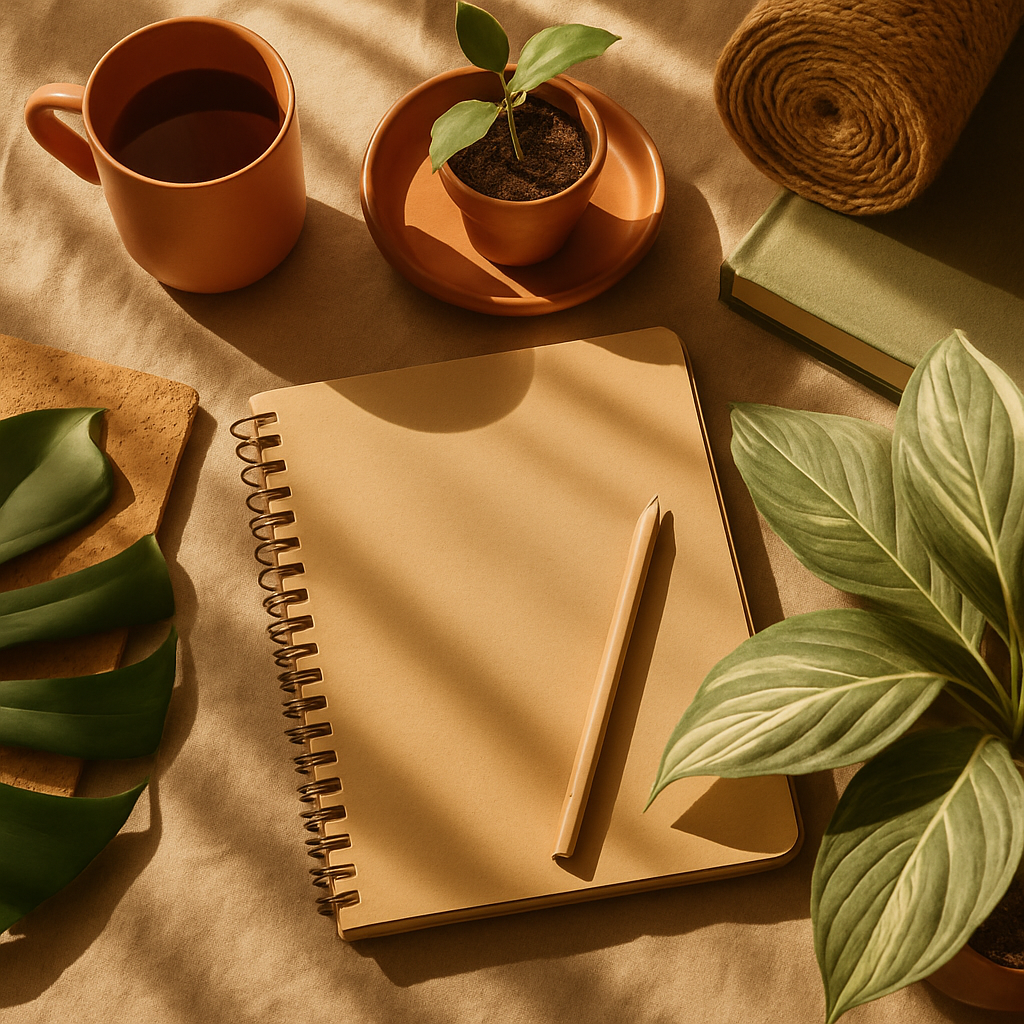
Imagine stepping into an office that not only inspires productivity but also nurtures the planet. As businesses become more environmentally conscious, the demand for sustainable office interiors is on the rise. According to a recent study by the American Society of Interior Designers (ASID), over 60% of companies are now prioritizing eco-friendly practices in their office designs. This article delves into the essential trends transforming office spaces into green sanctuaries, exploring foundational concepts, actionable strategies, and expert insights that can guide you towards a more sustainable workspace. From biophilic design elements to smart energy solutions, let's explore how you can create an office environment that benefits both employees and the Earth.
The Foundation of Sustainable Office Interiors
Sustainable office interiors begin with the choice of materials. Natural and reclaimed materials, such as bamboo, recycled wood, and stone, are at the forefront of eco-friendly design. These materials not only reduce the carbon footprint of the office but also bring an organic aesthetic that enhances employee well-being. The International Interior Design Association (IIDA) emphasizes the importance of selecting materials that are both durable and environmentally responsible. By opting for these sustainable options, you are investing in a workspace that stands the test of time while minimizing environmental impact.
Another cornerstone of sustainable office design is energy efficiency. Integrating smart technology for lighting, climate control, and automated window treatments can significantly reduce energy consumption. For instance, utilizing LED lighting and motion sensors can cut down energy usage by up to 75%, according to the U.S. Department of Energy. These technologies not only lower utility bills but also contribute to a healthier planet by reducing greenhouse gas emissions. Are your current office systems optimized for energy efficiency?
Finally, consider the layout and furniture choices within the office. Open floor plans that maximize natural light not only save energy but also improve employee morale and productivity. Ergonomic furniture made from sustainable materials further enhances comfort and reduces the risk of work-related injuries. Houzz survey data indicates that offices with such thoughtful designs report higher employee satisfaction and retention rates. Transitioning to a sustainable office interior can be both an ethical and a strategic business decision.
Delving Deeper: The Impact of Eco-Friendly Designs
Transitioning to sustainable office interiors goes beyond aesthetic and environmental benefits; it also has a profound impact on employee performance and company culture. A study by Harvard University found that air quality improvements from green office designs can enhance cognitive function performance by 101%. Such findings underscore the importance of integrating eco-friendly elements that go beyond mere design choices and foster a healthier work environment.
Biophilic design, which incorporates natural elements like plants and water features, is gaining traction in sustainable office interiors. This approach not only improves air quality but also reduces stress and enhances creativity. According to the American Institute of Architects (AIA), offices that incorporate biophilic elements report a 15% increase in employee well-being. How can you incorporate more of nature into your workspace to boost employee satisfaction?
Moreover, the shift towards sustainable office interiors aligns with broader corporate social responsibility goals. Companies that prioritize eco-friendly designs often experience enhanced brand reputation and customer loyalty. As consumers become more environmentally conscious, they are more likely to support businesses that reflect their values. By investing in sustainable office interiors, you are not only improving workplace conditions but also strengthening your brand's market position.
Actionable Strategies for Sustainable Office Design
If you're considering a transition to sustainable office interiors, start by conducting an environmental audit of your current space. Identify areas where energy consumption can be reduced, such as outdated lighting systems or inefficient HVAC units. Engaging with certified interior designers, who hold credentials like the NCIDQ (National Council for Interior Design Qualification), can provide professional insights into optimizing your office's sustainability.
Next, implement a waste reduction program. Encourage recycling and composting within the office by setting up clearly labeled bins and educating employees about proper disposal practices. According to the Environmental Protection Agency (EPA), offices can reduce waste by up to 50% through effective recycling programs. Consider partnering with local recycling companies to ensure your efforts are both effective and compliant with regulations.
Finally, embrace flexible workspaces that cater to various tasks while maximizing resource efficiency. Modular furniture that can be easily reconfigured reduces the need for excess furniture and allows for a dynamic office layout. Experienced professionals often note that flexibility in office design not only supports diverse work styles but also future-proofs the space against changing needs. As you plan your sustainable office, think about how flexibility can enhance both productivity and sustainability.
Expert-Level Insights into Eco-Friendly Office Trends
For those seeking to stay ahead in the realm of sustainable office interiors, integrating cutting-edge technology is key. Augmented Reality (AR) and Virtual Reality (VR) tools are now being used by designers to help clients visualize eco-friendly design options before implementation. These technologies allow for precise planning and execution, minimizing waste and maximizing design potential.
Another advanced trend is the use of sustainable textiles and finishes. Opt for fabrics made from organic cotton, hemp, or recycled polyester. These materials are not only environmentally friendly but also durable and stylish. The ASID's annual survey highlights a growing consumer demand for sustainable textiles, as they align with a broader movement towards ethical consumerism.
Additionally, consider the integration of quiet luxury and understated elegance in office designs. This trend focuses on simplicity and quality, using eco-friendly materials to create sophisticated spaces without excess. By prioritizing quality over quantity, you can design an office that is both timeless and sustainable, reflecting a commitment to environmental stewardship.
Exploring Additional Depth in Sustainable Office Design
An essential yet often overlooked aspect of sustainable office interiors is indoor air quality. Investing in air purification systems or plants known for their air-filtering properties, such as snake plants or peace lilies, can significantly improve the work environment. The Environmental Protection Agency (EPA) notes that improving indoor air quality can reduce employee absenteeism, further enhancing productivity.
Lighting is another critical component. Natural lighting should be maximized, but where artificial lighting is necessary, prioritize LED or other energy-efficient options. Consider installing skylights or large windows to bring in natural light, reducing the need for artificial lighting during daytime hours. The benefits are twofold: lowering energy costs and creating a more pleasant work atmosphere.
Finally, focus on long-term sustainability by maintaining a green office culture. Encourage employees to contribute ideas for sustainability initiatives and celebrate achievements in reducing the office's carbon footprint. This collective effort not only supports the environment but also fosters a sense of community and shared purpose within the organization.
Final Perspectives on Sustainable Office Interiors
As we conclude our exploration of sustainable office interiors, it's clear that eco-friendly design is not just a trend but a crucial component of modern office planning. The integration of sustainable materials, energy-efficient technologies, and biophilic elements creates a holistic approach to office design that benefits both the environment and the workforce.
Looking ahead, the emphasis on sustainability will likely continue to grow, driven by both regulatory requirements and consumer expectations. Companies that embrace these changes early are poised to lead the way in innovation and corporate responsibility. Is your office ready to take the leap towards sustainability and reap the benefits?
Ultimately, sustainable office interiors represent a thoughtful investment in the future, one that aligns business practices with environmental stewardship. As organizations strive towards greener practices, the office environment serves as a powerful testament to a company's values and its commitment to a sustainable future.
Conclusion
In summary, sustainable office interiors are an essential element of modern business strategy, offering both environmental benefits and enhanced employee well-being. By incorporating eco-friendly materials, smart technologies, and biophilic design, businesses can create workplaces that are not only efficient but also inspiring. As you consider your next steps, start by browsing portfolios on platforms like Houzz or consulting with certified interior designers who can guide you in transforming your office. Even 20 minutes of research this week can open your eyes to new possibilities and set your business on a path to sustainability. Take the initiative today and be part of the movement towards a greener, more sustainable future.



Comments
Post a Comment