The Art of Interior Design: Key Principles Every Homeowner Should Know
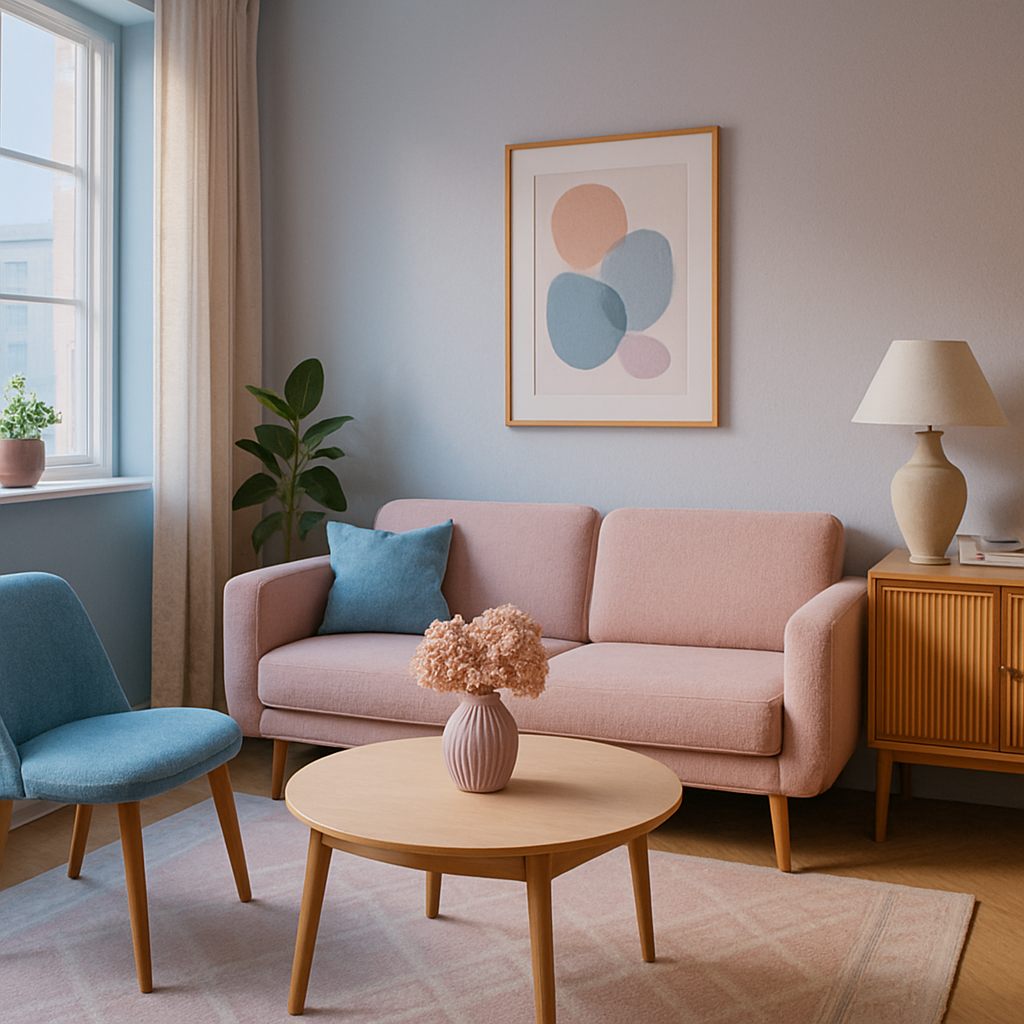
Have you ever walked into a room and felt instantly at ease, as if every element was perfectly orchestrated to create harmony and balance? This is the magic of interior design, where art meets science to transform spaces. According to a survey by Houzz, well-designed interiors can increase a home's resale value by 5-15%, underscoring the importance of getting it right. For homeowners looking to embrace the art of interior design, understanding key principles is crucial. This article will explore foundational concepts, delve into design strategies backed by data, and offer expert-level advice to help you create spaces that are both beautiful and functional.
Understanding the Foundational Concepts of Interior Design
At the core of interior design are principles that dictate how elements in a space interact to achieve a cohesive look and feel. The most fundamental of these principles include balance, proportion, and harmony. Balance involves distributing visual weight evenly in a room, whether through symmetrical, asymmetrical, or radial arrangements. For instance, a symmetrical layout might feature two identical sofas facing each other, while an asymmetrical setup could involve varied furniture pieces that still offer equilibrium.
Proportion and scale are equally critical, ensuring that furnishings and decor fit the dimensions of the room. A large sectional sofa might be ideal for a spacious living room but overwhelming in a small one. Proportionality ensures that each piece relates well to others in size, creating a pleasing aesthetic. Harmony, on the other hand, refers to the blend of colors, textures, and styles that unify a room. When you choose a consistent color palette and complementary materials, you create a harmonious environment.
These principles are not just theoretical; they have practical applications in every design decision. For example, when selecting artwork, consider its scale relative to the wall space and surrounding furniture. Use colors that resonate with the room's theme to enhance harmony. By mastering these foundational concepts, you set the stage for more advanced design strategies discussed in the following sections.
Delving Deeper: Analyzing Design Through Data
Data-driven design decisions are becoming increasingly significant in the interior design landscape. According to ASID (American Society of Interior Designers), homeowners who engage professional designers report higher satisfaction with their spaces and more efficient use of space. These insights highlight the value of leveraging data when planning your design projects. For example, Houzz's annual survey data suggests that open-concept floor plans remain highly desirable, with 56% of homeowners preferring these layouts for their ability to enhance natural light and promote social interaction.
Smart home integration is another area where data plays a crucial role. As more homeowners incorporate smart technologies into their designs, understanding usage patterns can inform decisions about where to place smart lighting, climate control systems, or automated window treatments. Designers are increasingly using AR/VR tools to visualize these technologies in space, allowing homeowners to see the impact of their choices before committing.
These data points not only inform design decisions but also highlight trends that can enhance a home's functionality and appeal. Are you considering an open floor plan or smart home features? Reviewing the latest data can guide you in making informed decisions that align with current trends and personal preferences. This analytical approach ensures your design choices are not only aesthetically pleasing but also practical and forward-thinking.
Actionable Strategies for Homeowners
As you embark on your interior design journey, it's essential to adopt strategies that are both practical and transformative. Start with a clear concept development phase, where you define the purpose of each room and the mood you wish to create. Experienced professionals often note that clarity in this early stage can streamline the entire process. Make use of platforms like Pinterest and Instagram to curate inspiration boards that capture your vision.
Next, focus on procurement - selecting furniture, fixtures, and finishes that align with your concept and budget. Consider using sustainable and reclaimed materials, a trend that's gaining traction for its environmental benefits and unique character. When purchasing, be mindful of fee structures. Interior designers may charge a flat fee, an hourly rate ranging from $150 to $500, or a percentage of the total project cost. Understanding these costs upfront can help you manage your budget effectively.
Finally, the installation and styling phases are where your vision comes to life. Pay attention to the placement of furniture and decor to enhance flow and functionality. Consider hiring a professional stylist who can add the finishing touches that make a space feel complete. These actionable steps, from concept to styling, ensure a cohesive and satisfying design experience.
Expert-Level Insights into Interior Design
To truly master the art of interior design, it's essential to delve into expert-level insights that go beyond basic principles. Certified interior designers, holding credentials like NCIDQ (National Council for Interior Design Qualification) or ASID, bring a level of expertise that can elevate your project. They have access to exclusive resources, networks, and training that ensure your design is both innovative and compliant with industry standards.
One advanced strategy is the use of biophilic design principles, which incorporate natural elements into indoor spaces. This trend not only enhances the aesthetic appeal but also promotes well-being by fostering a connection to nature. Imagine living walls or strategically placed greenery that purifies the air and adds a dynamic visual element. Biophilic design is especially effective in urban environments where access to nature is limited.
Moreover, understanding the interplay of light is a crucial aspect that experts prioritize. From natural light streaming through large windows to carefully selected artificial lighting, the way a space is illuminated can dramatically affect its ambiance. How does your current lighting scheme impact the mood of your rooms? Adjusting light sources and experimenting with different bulbs can make a significant difference, offering both practicality and mood enhancement.
Additional Depth: Exploring Design Trends
Staying current with design trends can inspire your creative process and ensure your interiors feel fresh and contemporary. The 2026 design landscape is marked by several notable trends, including Japandi, which combines Japanese minimalism with Scandinavian warmth. This style emphasizes simplicity, functionality, and natural elements, creating serene and inviting spaces.
Quiet luxury, or understated elegance, is another trend gaining momentum. This approach focuses on high-quality materials and craftsmanship, opting for timeless pieces over fleeting fashion. It's about creating spaces that exude sophistication without ostentation. How can you incorporate elements of quiet luxury into your home? Consider investing in bespoke furniture or artisanal decor that elevates the overall aesthetic.
Finally, sustainable design continues to be a focal point, with an emphasis on eco-friendly materials and practices. From choosing energy-efficient appliances to sourcing locally made products, there are numerous ways to make your space more sustainable. This not only benefits the environment but also adds character and authenticity to your home. As you explore these trends, consider how they might resonate with your personal style and values, integrating them into your design plans.
Final Perspectives on Interior Design
As we conclude our exploration of interior design principles, it's clear that creating a well-designed space requires both creativity and strategic planning. While trends provide inspiration, the foundational principles of balance, proportion, and harmony remain constant anchors in any design project. Whether you're drawn to the modern allure of smart home technology or the timeless elegance of quiet luxury, integrating these elements thoughtfully can transform your living space.
Ultimately, the art of interior design is about creating environments that reflect your personality and enhance your lifestyle. It's about making intentional choices that foster comfort, beauty, and functionality. As you apply these principles and insights, you'll find that your home becomes more than just a place to live - it becomes a sanctuary that enriches your daily life.
Now, armed with this knowledge, how will you approach your next design project? The possibilities are endless, and the only limit is your imagination. Let's embrace the transformative power of interior design and create spaces that truly resonate.
Conclusion
In summary, interior design is a dynamic field that blends creativity and practicality to transform spaces. By understanding foundational principles, leveraging data, and embracing current trends, you can create interiors that are both functional and beautiful. Whether you're planning a single-room makeover or a full-home redesign, the insights shared here provide a roadmap for success.
Ready to start your design journey? Begin by exploring designer portfolios on platforms like Houzz this week. Even dedicating just 20 minutes to research can sharpen your eye for what you truly want in your space. Remember, the art of interior design is a continuous process of discovery and expression - make it uniquely yours.



Comments
Post a Comment