10 Affordable Interior Design Tips to Transform Your Home on a Budget
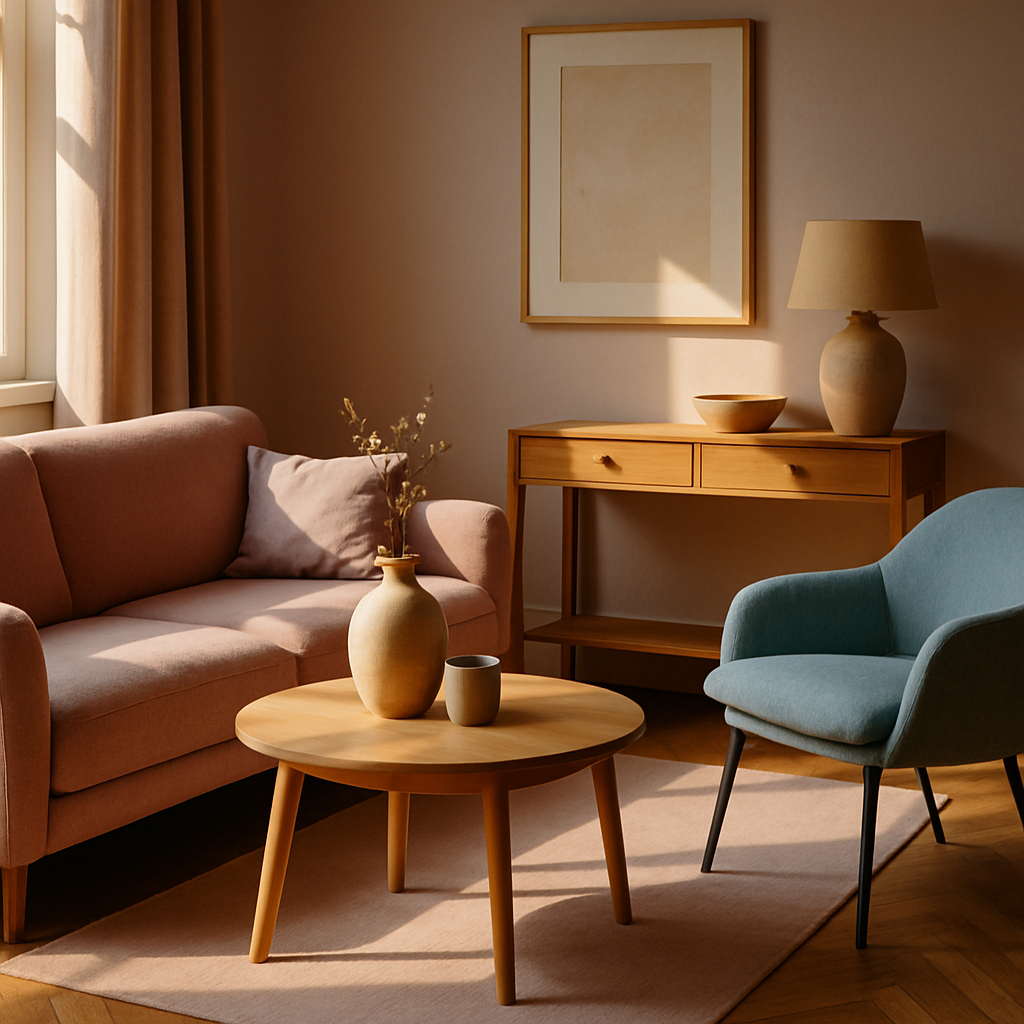
Are you yearning to refresh your living space but worried about the cost? You're not alone. According to a Houzz survey, 36% of homeowners undertake renovation projects to update their interiors while keeping a tight budget. The good news is that transforming your home doesn't have to drain your wallet. In this guide, we'll explore 10 affordable interior design tips that can dramatically enhance your space without breaking the bank. From foundational concepts to expert-level details, these strategies are tailored for those who seek both style and savings.
Understanding the Basics of Affordable Design
To truly transform your home on a budget, it's essential to grasp the foundational concepts of affordable design. Start by assessing your current space. Identify areas that need a refresh and consider how they function daily. Do you need more storage or better lighting? Understanding your actual needs is the first step in making effective changes. This approach ensures that every dollar spent enhances your home's functionality and aesthetics.
Next, prioritize your projects. Not all changes need to happen at once. Begin with high-impact areas like the living room or kitchen, where updates can significantly influence the overall feel of your home. By focusing on one project at a time, you can allocate resources more efficiently and see tangible results faster. This method also allows for gradual enhancements that keep motivation and creativity flowing.
Finally, consider the power of paint. A fresh coat of paint can instantly rejuvenate a room, making it one of the most cost-effective design tools at your disposal. Choose neutral tones for a timeless look or bold colors for a statement-making effect. Paint not only changes the visual appeal but also sets the mood and complements other design elements. Transitioning from foundational concepts, let's delve into how small changes can create a big impact.
Small Changes, Big Impact
In the realm of interior design, small changes can often result in dramatic transformations. One effective strategy is to update lighting fixtures. Swap out outdated lights for modern alternatives to instantly elevate a room's ambiance. According to the American Lighting Association, proper lighting can enhance mood and increase productivity, making it a worthwhile investment. Consider energy-efficient LED options that save on electricity bills while offering a contemporary look.
Another impactful change is updating hardware like cabinet knobs and door handles. This simple switch can refresh kitchens and bathrooms without the need for a complete remodel. Choose hardware that complements your overall design aesthetic, whether it's sleek and modern or classic and ornate. These small details can tie together a room's design, creating a cohesive and polished appearance.
Don't underestimate the power of textiles. Adding new throw pillows, rugs, or curtains can inject color and texture into a room. According to industry surveys, homeowners who regularly update textiles are more satisfied with their interiors. Choose patterns and fabrics that reflect your personality and the mood you wish to create. As we explore actionable strategies next, think about how you can implement these small yet effective changes in your home.
Actionable Strategies for Budget-Friendly Design
Embarking on a design project can be daunting, but with strategic planning, you can transform your home on a budget. Start by decluttering. This simple yet powerful step can instantly make spaces feel larger and more inviting. Experienced professionals often note that decluttering not only improves aesthetics but also enhances mental clarity and reduces stress. Consider donating or selling items you no longer need to free up space and funds for your redesign.
Next, embrace the DIY spirit. Whether it's painting a feature wall, crafting your own decor, or repurposing furniture, doing it yourself can save a significant amount of money. Platforms like Pinterest and Instagram offer endless inspiration and tutorials that cater to all skill levels. By leveraging these resources, you can personalize your space in unique ways that reflect your vision without the hefty price tag.
Finally, consider rearranging your furniture. Sometimes, simply changing the layout of a room can breathe new life into it. Try different configurations to find what maximizes space and enhances flow. This no-cost strategy can make a room feel new and exciting. As we move into expert-level detail, consider how these actionable strategies can be tailored to your specific design goals.
Leveraging Expert Insights for a Professional Touch
To achieve a professional look on a budget, consider tapping into expert insights. One approach is to focus on layering. Experienced designers often use layers to add depth and interest to a space. This can be achieved by combining different textures, patterns, and colors. For example, layer a plush rug over hardwood floors and add a variety of pillows to a sofa. This technique creates a rich, inviting environment.
Another expert tip is to embrace biophilic design, which incorporates natural elements into interiors. This trend is not only aesthetically pleasing but also promotes well-being. Introduce plants, use natural materials like wood and stone, and ensure ample natural light. The International Interior Design Association (IIDA) highlights that biophilic elements can make spaces feel more open and connected to nature, enhancing overall comfort.
Additionally, consider investing in key pieces that anchor a room. This could be a statement piece of furniture or an eye-catching piece of art. While these items may require a higher initial investment, they can elevate the entire design and act as focal points. As we explore additional depth, think about how these expert strategies can harmonize with your budget-friendly design efforts.
Uncovering Additional Depth in Design
Going beyond the basics, let's explore how to incorporate advanced design techniques without overspending. One effective method is to use mirrors strategically. Mirrors can make a room appear larger and brighter by reflecting light. Place them opposite windows or in narrow hallways to maximize their effect. Mirrors are a timeless design tool that adds elegance and depth to any space.
Another advanced approach is to focus on focal points. Identify a key area in each room and enhance it with bold design elements. This could be a fireplace with an intricate mantel, a gallery wall, or an accent wall with a striking wallpaper. By drawing attention to a specific area, you can create a visually compelling space without extensive renovations.
Furthermore, consider the role of color theory in your design. Understanding how different colors influence mood and perception can guide your choices. For instance, blues and greens are calming, making them ideal for bedrooms, while yellows and oranges energize, perfect for social spaces. By applying color theory, you can create a harmonious environment tailored to each room's purpose. As we wrap up with final perspectives, reflect on how these deeper insights can enhance your home's transformation.
Final Perspectives on Budget-Friendly Transformations
Achieving a stunning home transformation on a budget is not only possible but also immensely rewarding. By combining foundational concepts with expert strategies, you can create spaces that reflect both style and personality. Remember, the key lies in thoughtful planning and creative execution. Each small change contributes to the bigger picture, ultimately resulting in a home you love.
Consider your design journey as a continual process. Regular updates and adjustments keep your space fresh and aligned with evolving tastes and needs. As you embark on this journey, ask yourself: How can I make the most of what I have? What resources and inspiration can I tap into to enhance my vision? These questions will guide you in making informed decisions that balance creativity with budget constraints. In conclusion, let's summarize the steps you can take today to start transforming your home.
Conclusion: Take the Next Step
Transforming your home on a budget is a rewarding endeavor that blends creativity, strategy, and resourcefulness. By understanding foundational design principles, leveraging expert insights, and applying actionable strategies, you can achieve a stylish and personalized space. Begin by assessing your current layout, decluttering, and identifying key areas for change. Then, explore DIY projects and small updates like lighting and hardware changes to maximize impact.
Your next step is simple: Start by browsing designer portfolios on platforms like Houzz this week. Even dedicating just 20 minutes can sharpen your eye for what resonates with you. As you gather inspiration, remember that every small change contributes to the overall transformation. Embrace the process and enjoy the journey of creating a home that truly reflects your personality and style.
More Articles You May Like



Comments
Post a Comment