The Ultimate Guide to Choosing Colors for Modern Interior Design Spaces
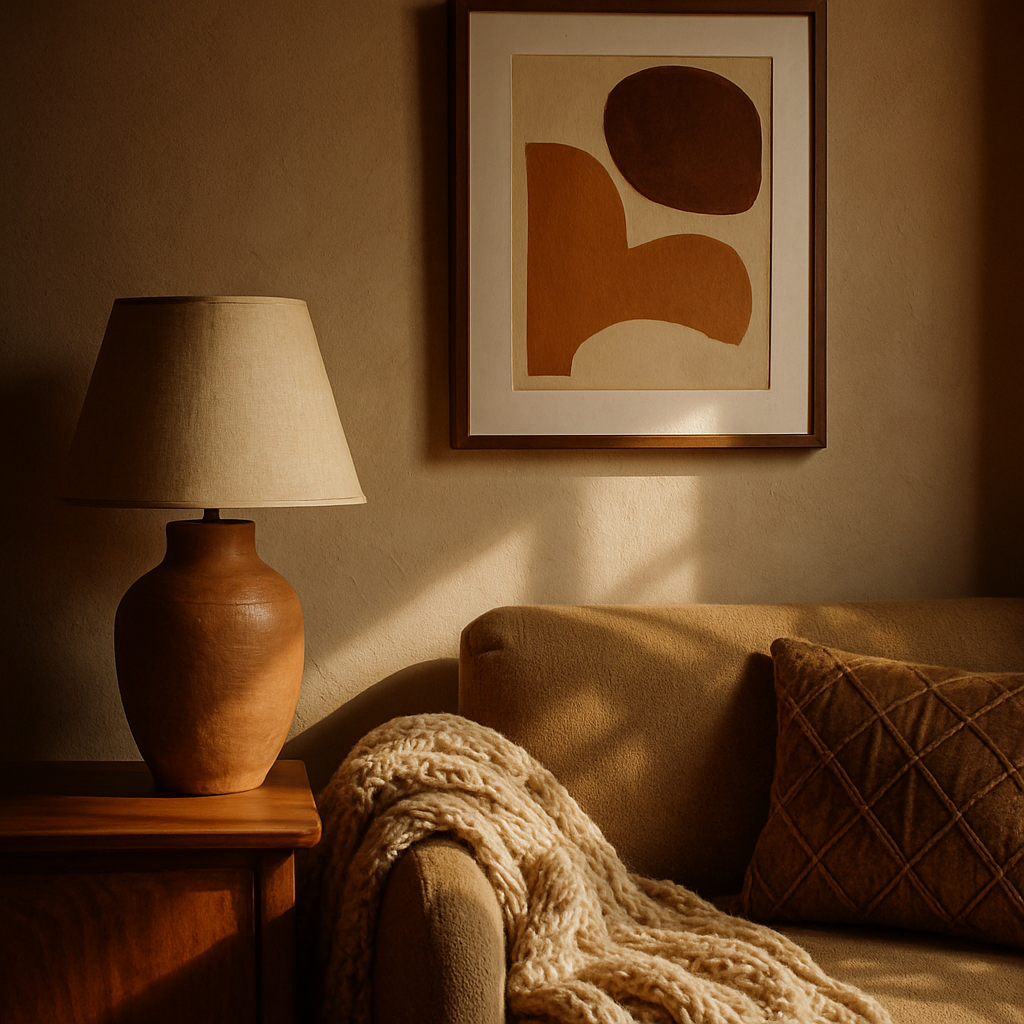
What if the right color palette could increase your home's value by up to 15%? According to industry surveys, well-designed interiors not only enhance your living experience but also significantly boost resale value. In the realm of modern interior design, color choice plays a pivotal role in creating spaces that are both stylish and functional. This guide will walk you through the fundamentals of color selection, provide in-depth data analysis, offer actionable strategies, and delve into expert-level insights, ensuring you make informed decisions for your home.
Understanding the Foundations of Color Theory
Before diving into the specifics of modern interior design, it's crucial to understand the foundational concepts of color theory. Color theory is not just an art but a science that involves the use of colors in a way that is aesthetically pleasing. At its core, it revolves around the color wheel, which consists of primary (red, blue, yellow), secondary (green, orange, purple), and tertiary colors. These colors, when combined, can create harmonious or contrasting effects that influence the mood and perception of a room.
One of the key components of color theory is the concept of color harmony. Color harmony involves the arrangement of colors in a way that is visually appealing and balanced. This can be achieved through various schemes such as complementary, analogous, and triadic. Complementary schemes use colors opposite each other on the color wheel, like blue and orange, to create vibrant looks. In contrast, analogous schemes use colors next to each other, like blue, blue-green, and green, for a more subtle and cohesive appearance.
In modern interior design, understanding the psychological impacts of colors is essential. For instance, blue often evokes feelings of calmness and serenity, making it ideal for bedrooms or bathrooms. Meanwhile, red can stimulate energy and passion, suitable for social spaces like dining rooms. As you plan your design, consider how each color might emotionally affect the inhabitants of the space. This foundational knowledge sets the stage for more advanced color decisions in your home.
Analyzing Color Trends with Real Data
According to the American Society of Interior Designers (ASID), color trends are constantly evolving, influenced by cultural shifts and technological advancements. The 2026 design trends emphasize biophilic design and quiet luxury, both of which incorporate natural hues and understated elegance. Industry surveys suggest that nearly 60% of homeowners are now opting for earthy tones, such as greens and browns, reflecting a growing desire for sustainable and nature-inspired interiors.
Houzz's annual survey data reveals that homeowners who embrace current color trends tend to report higher satisfaction with their home projects. In 2022, projects incorporating popular colors like sage green and terracotta saw a 20% increase in homeowner satisfaction compared to more traditional palettes. These colors not only align with the biophilic trend but also offer versatility across different design styles, from Japandi minimalism to rustic chic.
While following trends can keep your home looking fresh and modern, it's important to balance trendiness with timelessness. Experienced professionals often note that while trends can guide color choices, they should not dictate them entirely. Instead, blend trendy colors with classic hues to ensure your space remains stylish and relevant over time. This strategic approach to color selection ensures your home remains a reflection of both current designs and personal taste.
Implementing Actionable Color Strategies
Are you ready to translate theory into practice and transform your space? Start by selecting a primary color that aligns with the function of your room. For instance, if you're designing a home office, a neutral palette with pops of blue can promote focus and productivity. Once you've chosen a primary color, consider adding secondary and accent colors to create depth and interest. This could involve using a bold accent wall or incorporating colorful accessories like cushions and rugs.
An effective way to test your color choices is by using AR/VR room visualization tools, which many designers now offer. These technologies allow you to see real-time changes in your space, giving you confidence in your selections before committing. Platforms like Pinterest and Instagram also provide a wealth of inspiration and examples from which to draw. By exploring these resources, you can get a sense of what appeals to you and how different colors interact in various settings.
Remember that lighting plays a crucial role in how colors are perceived. Natural light can alter the appearance of colors throughout the day, while artificial lighting can add warmth or coolness. Test your color choices under different lighting conditions to ensure they meet your expectations. These actionable strategies empower you to make informed decisions that align with both modern trends and your personal style.
Expert-Level Insights into Color Application
When it comes to applying colors in modern interior design, consider engaging a certified interior designer. Certified designers, who may hold credentials like NCIDQ (National Council for Interior Design Qualification) or be members of ASID, bring a wealth of knowledge and expertise to the table. These professionals understand the nuances of color application and how to tailor them to specific architectural features and personal preferences.
One advanced technique employed by seasoned designers is color zoning. This technique involves using different colors to define areas within open-plan spaces, creating a visual separation without the need for physical partitions. For example, painting one wall a different color in a living area can subtly delineate it from the dining space. This approach not only adds visual interest but also enhances the functionality of multi-use rooms.
Furthermore, experts often recommend considering the architectural style of your home when selecting colors. For instance, a mid-century modern home might benefit from a palette of muted pastels and bold primary colors, reflecting its historical context. Understanding these intricate details can help ensure that your color choices are cohesive with the overall design of your home. Transitioning into further depths, let's explore additional considerations for your color journey.
Additional Considerations for Color Selection
Are you aware of how color impacts spatial perception? Light colors can make a small room appear larger, while darker shades can create a cozy, intimate atmosphere. This principle is particularly useful in urban settings where space is a premium. By strategically choosing colors, you can manipulate the perception of space to suit your needs and preferences.
Another critical factor is the role of texture and finish in color application. Matte finishes tend to absorb light, providing a soft, understated look, whereas gloss finishes reflect light, creating a vibrant and dynamic effect. Consider the mood you want to evoke in each room and select finishes that complement your color choices. This attention to detail can elevate the sophistication of your interior design project.
Finally, don't overlook the importance of testing color samples in your actual space. Paint small sections of your walls and observe them over several days, noting how they look under different lighting conditions and times of day. This practical step can prevent costly mistakes and ensure the colors you choose truly resonate with your design vision. Transitioning from these additional insights, we'll wrap up with some final perspectives on your color journey.
Final Perspectives on Your Color Journey
As you embark on your color journey, remember that patience and exploration are key. The process of selecting the right colors for modern interior design spaces is both an art and a science, requiring thoughtful consideration and a willingness to experiment. By integrating foundational concepts, embracing current trends, and applying expert strategies, you'll be well-equipped to create spaces that are not only visually stunning but also personally meaningful.
Engage with design communities through platforms like Houzz and Instagram, where you can share your experiences and gather inspiration from others on similar journeys. These communities offer a wealth of knowledge and support, helping you refine your design sensibilities and expand your creative horizons. Consider reaching out to certified professionals if you desire deeper insights or personalized guidance tailored to your unique space.
Ultimately, the goal is to craft interiors that reflect your personal style while resonating with modern design principles. With the right approach, you can transform any space into a harmonious and inviting environment that enhances your daily life and leaves a lasting impression. In our conclusion, let's summarize this guide and offer a clear next step for your design adventure.
Conclusion: Taking the Next Steps in Your Design Journey
In this comprehensive guide, we've explored the intricate process of choosing colors for modern interior design spaces. From understanding foundational color theory to analyzing current trends and implementing expert strategies, you've gained the knowledge needed to make confident, informed decisions. As you move forward, don't be afraid to experiment with bold hues and innovative techniques, always keeping in mind the emotional impact of your choices.
To begin your design journey, start by browsing portfolios on platforms like Houzz or Instagram this week. Even just 20 minutes of research can sharpen your eye for what you want. As you explore, consider creating a mood board to visualize your ideas and refine your color palette. Remember, the key to successful interior design lies in thoughtful planning and a willingness to adapt and evolve.
With these insights and actionable steps, you're ready to embark on a transformative journey that will elevate your living spaces and enhance your home environment. Engage with the process, trust your instincts, and watch as your interior design dreams come to life.



Comments
Post a Comment