Maximalism vs Minimalism: The Hottest Interior Design Trends of 2024
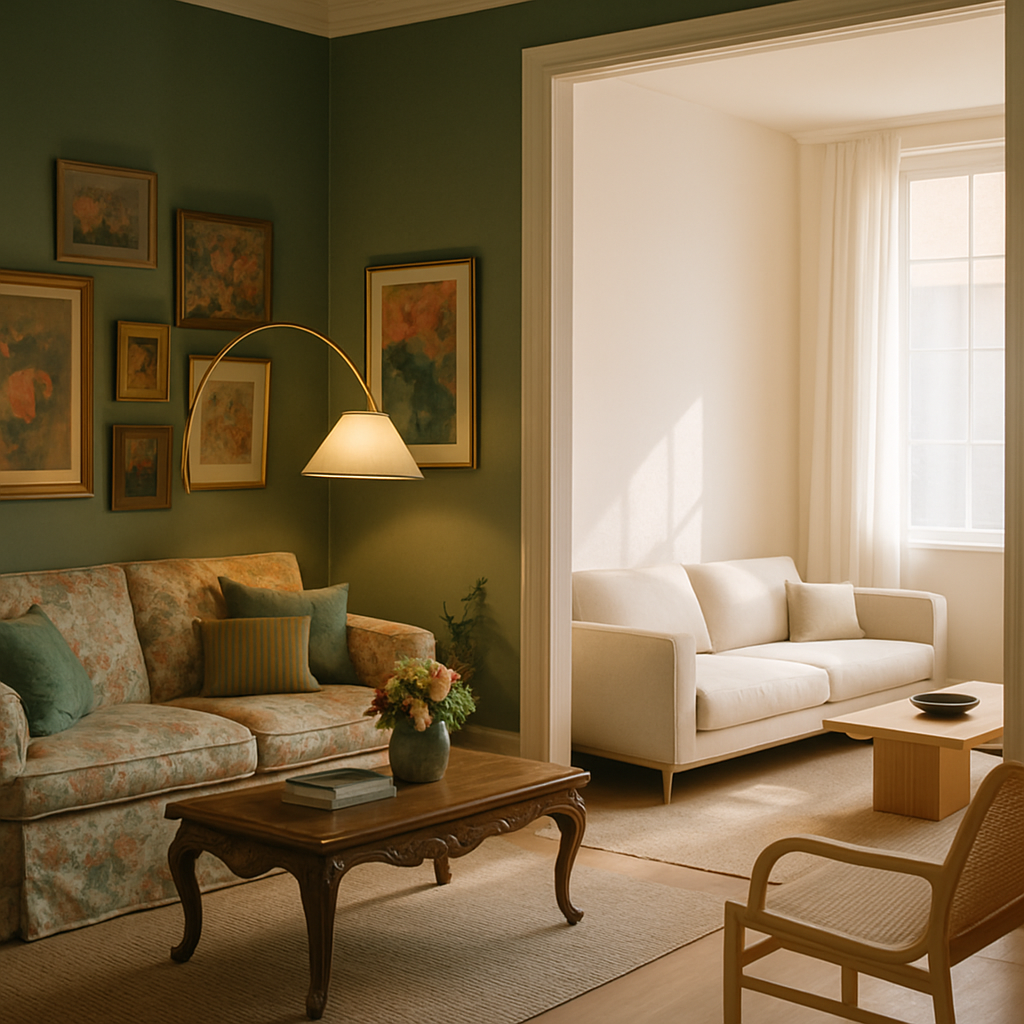
Imagine stepping into a room that reflects either the boldness of maximalism or the serene simplicity of minimalism. In 2024, these two opposing interior design trends are capturing the imagination of homeowners and designers alike. According to an annual survey by Houzz, over 60% of homeowners are considering a design refresh this year, with many torn between these distinct styles. This article will delve into the core principles of maximalism and minimalism, providing you with a comprehensive guide to choosing the right aesthetic for your space. We'll explore foundational concepts, analyze current data, offer actionable strategies, and provide expert insights to help you navigate this design dichotomy.
Foundational Concepts: Maximalism and Minimalism Defined
Maximalism is a style characterized by rich colors, diverse textures, and an abundance of decor. It embraces the philosophy that "more is more," allowing for personal expression through a mix of patterns, artwork, and eclectic pieces. This approach creates vibrant, energetic spaces that reflect the personality of the homeowner. In contrast, minimalism focuses on simplicity and functionality. This style strips down the elements to the essentials, prioritizing clean lines, open spaces, and a limited color palette. The mantra "less is more" guides minimalism, aiming to create tranquil environments that foster relaxation and clarity.
Understanding the roots of these styles can help you determine which aligns with your personal taste and lifestyle. Maximalism draws inspiration from various historical periods, including Baroque and Rococo, where opulence was celebrated. Meanwhile, minimalism is influenced by Japanese and Scandinavian design principles, which emphasize simplicity and natural beauty. Are you drawn to the vibrant, chaotic harmony of a maximalist space, or do you prefer the calm, orderly elegance of minimalism? This fundamental question is essential when deciding between these two approaches.
Both styles have gained traction for their unique ability to transform spaces. Maximalism offers a bold canvas for showcasing art and collectibles, while minimalism enhances architectural features and natural light. These foundational concepts will set the stage for a deeper exploration of how these trends are shaping the design landscape in 2024. Next, we'll look at how data and market trends are influencing the popularity of these styles.
Deeper Analysis: Data and Market Trends
The rise in popularity of maximalism and minimalism can be attributed to shifting cultural and economic factors. According to the American Society of Interior Designers (ASID), there has been a notable increase in consumer interest in personalized and sustainable design solutions. This trend aligns with maximalism's embrace of individuality and minimalism's focus on sustainability. Additionally, a recent report from Architectural Digest's AD PRO network highlights that over 70% of designers have seen an uptick in clients requesting elements from both styles.
Market trends also show a growing demand for biophilic design elements, which integrate natural materials and promote wellness. Maximalism naturally accommodates biophilic touches with its eclectic mix of textures and patterns, while minimalism incorporates them through understated elegance and organic materials. Furthermore, the integration of smart home technology is influencing both styles. In maximalist homes, technology can be seamlessly hidden amidst the decor, while in minimalist spaces, it is discreetly embedded within the architecture.
Understanding these trends is crucial for homeowners considering a style update. The economic landscape and evolving consumer preferences are shaping how maximalism and minimalism are implemented in homes today. As you contemplate these styles, consider how they align with your values and the functional needs of your space. In the next section, we will provide actionable strategies for incorporating these trends into your home.
Actionable Strategies for Your Space
Incorporating maximalism or minimalism into your home requires thoughtful planning and execution. For those drawn to maximalism, start by curating a collection of items that resonate with you personally. Layer these elements thoughtfully to create a cohesive and inviting space. Consider using bold wallpaper or a mix of textiles to add depth and interest. Remember, the key is to create harmony within the abundance, ensuring that every piece contributes to the overall aesthetic.
Conversely, if minimalism appeals to you, focus on decluttering and streamlining your decor. Opt for multifunctional furniture that serves both practical and aesthetic purposes. Neutral color palettes combined with natural materials such as wood and stone can add warmth without overwhelming the senses. Experienced professionals often note that minimalism thrives on the quality of materials and craftsmanship, so invest in pieces that will stand the test of time.
Regardless of your chosen style, consider the role of lighting and spatial arrangement. In maximalist spaces, layered lighting can highlight specific areas and create a dynamic atmosphere. For minimalist interiors, natural light should take center stage, with artificial lighting providing subtle accents. By focusing on these strategies, you can ensure that your home reflects your personality while maintaining functionality. Transitioning into the next section, we'll dive into expert-level insights to further elevate your design approach.
Expert-Level Detail: Elevating Your Design Approach
To truly master maximalism or minimalism, consider seeking guidance from certified interior designers. Professionals holding credentials such as the NCIDQ (National Council for Interior Design Qualification) bring a wealth of knowledge and experience to your project. The NCIDQ is a gold-standard credential that ensures designers have met rigorous standards in design principles and practices.
For maximalism, designers often recommend focusing on a central theme to unify the space. This could be a particular color scheme or a collection of art pieces. An experienced designer can help you balance the elements and prevent the room from becoming chaotic. They may also suggest incorporating vintage or reclaimed items, which not only add character but also align with sustainable design practices.
In minimalist design, experts emphasize the importance of spatial flow and functionality. An NCIDQ-certified designer can assist in creating a layout that maximizes the use of space while maintaining a sense of openness. They can also guide you in selecting high-quality materials and finishes that enhance the minimalist aesthetic. As we move into the additional depth section, we'll explore more nuanced aspects of these styles that can set your design apart.
Additional Depth: Nuanced Aspects of Maximalism and Minimalism
Maximalism and minimalism each offer unique opportunities for personalization and creativity. In maximalism, the use of bold colors and patterns can make a powerful statement. Consider incorporating living walls or large-scale artwork to create focal points. These elements not only draw the eye but also infuse the space with energy and life. Additionally, maximalism thrives on contrasts, so don't shy away from mixing modern furniture with antique pieces.
Minimalism, meanwhile, offers a canvas for exploring subtlety and restraint. Focus on the interplay of light and shadow, which can transform a space without the need for excessive decor. Japandi-a fusion of Japanese minimalism and Scandinavian warmth-is a trending style that exemplifies this balance. It marries simplicity with comfort, using natural elements and muted tones to create a serene environment.
As you consider these nuanced aspects, reflect on how they align with your lifestyle and preferences. Are you energized by vibrant, dynamic spaces, or do you crave the tranquility that minimalism provides? By understanding the subtleties of each style, you can make informed decisions that enhance your living experience. In the final perspectives section, we'll wrap up our exploration with insights on future trends and how they might influence your choices.
Final Perspectives: Future Trends and Considerations
As we look towards the future, it's evident that both maximalism and minimalism will continue to evolve. Designers are increasingly integrating technology and sustainability into their projects, pushing the boundaries of what these styles can achieve. The use of AR/VR tools for room visualization is becoming more common, allowing designers and homeowners to experiment with different aesthetics before making a commitment.
Moreover, the growing emphasis on wellness and biophilic design is influencing both styles. Maximalism may incorporate more natural elements and textures, while minimalism continues to prioritize eco-friendly materials and designs. As you plan your next design project, consider how these emerging trends might enhance your space and support your well-being. The intersection of technology, sustainability, and design offers exciting possibilities that can enrich your home environment.
In conclusion, the choice between maximalism and minimalism is deeply personal, influenced by your tastes and lifestyle needs. By understanding the principles, trends, and expert insights discussed in this article, you can make informed decisions that reflect your unique vision. Ready to start your design journey? Start by browsing portfolios on Houzz this week-even 20 minutes of research will sharpen your eye for what you want.



Comments
Post a Comment