Budget-Friendly Tips for Achieving a High-End Luxury Interior Design Look
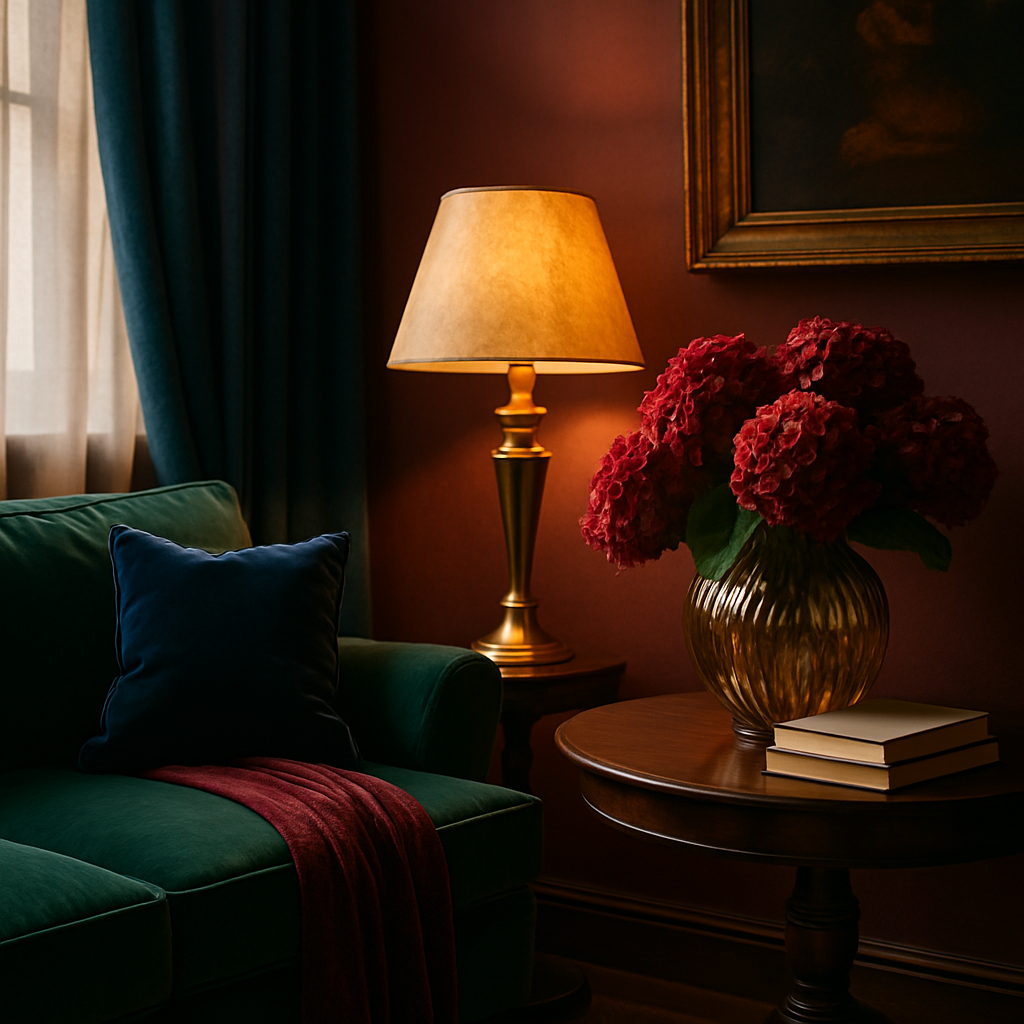
Imagine transforming your home into a luxurious oasis without draining your bank account. While many equate luxury with high expense, achieving a high-end interior design look can be surprisingly affordable with the right strategies. According to Houzz's annual survey, homeowners are increasingly seeking ways to elevate their spaces economically, with 63% prioritizing budget-friendly updates. This article will explore foundational concepts of luxury design, delve into deeper analyses with compelling data, and offer actionable strategies to achieve opulence on a budget. We'll also provide expert-level insights and additional depth for those ready to embrace an affordable yet sophisticated aesthetic.
Understanding Luxury Design: The Foundation
Luxury interior design is not solely about expensive materials or designer furniture. At its core, it's about creating a cohesive and inviting space that reflects sophistication and attention to detail. The first step in achieving this look is understanding the foundational elements that define luxury: balance, symmetry, and scale. These principles guide the placement and selection of furniture, decor, and even color palettes.
Balance in design can be symmetrical or asymmetrical, but it always aims to provide visual stability. For example, if you have a large sofa, balance it with a substantial piece of art or a pair of armchairs. Symmetry can be particularly effective in bedrooms, where matching nightstands and lamps create a sense of order. Meanwhile, scale ensures that your furniture fits the space appropriately-too large, and it overwhelms; too small, and it feels insignificant.
Color is another essential element. Luxury spaces often use a neutral palette with strategic pops of color to create interest. Think about incorporating shades of taupe, gray, or cream for walls and larger pieces, then add color through accessories like pillows or artwork. This approach not only exudes elegance but also provides flexibility for future updates. As we transition to the next section, consider how these foundational concepts can be applied using data-driven insights.
Analyzing Luxury Design Through Data
Recent research by the American Society of Interior Designers (ASID) reveals that well-designed interiors can increase a home's resale value by 5-15%. This statistic underscores the economic benefits of investing in thoughtful design. Moreover, the National Council for Interior Design Qualification (NCIDQ) emphasizes the importance of professional input in creating spaces that maximize both aesthetics and functionality.
When examining spending patterns, Houzz's report indicates that homeowners budget between $5,000 and $15,000 for a single-room redesign. However, savvy individuals can achieve a high-end look for far less by prioritizing impactful elements. For example, investing in quality lighting can dramatically alter a space's ambiance and is often cited by experienced professionals as a key area where budget should not be compromised.
Data further suggests that incorporating sustainable materials not only supports environmental goals but also aligns with current luxury trends. Biophilic design, which integrates nature, is gaining traction, with living walls and natural materials like wood and stone becoming more prevalent. As we move into actionable strategies, consider how these data-backed insights can inform your design decisions.
Actionable Strategies for Affordable Luxury
Now that you understand the fundamentals and data-driven insights, it's time to explore practical strategies to achieve luxury on a budget. Start by focusing on high-impact areas such as the living room or entryway. These spaces often set the tone for the rest of the home and offer the most significant opportunity for transformation.
One effective strategy is to incorporate statement pieces that draw attention, such as an oversized mirror or a unique light fixture. Mirrors not only add elegance but also create the illusion of more space. Lighting, meanwhile, can be both functional and decorative. Consider investing in a chandelier or a set of pendant lights to elevate the room's overall feel.
Another tactic is to mix high and low-end items. Pair a luxurious velvet sofa with more affordable side tables or thrifted decor. This approach not only stretches your budget but also adds character and depth to your design. What elements in your space could benefit from a high-low mix? As we delve into expert-level details, remember that creativity is your most valuable tool in achieving an opulent look.
Expert-Level Details for Refinement
Experienced designers often emphasize the importance of texture and layering in creating a luxury aesthetic. Incorporating different textures-such as a soft throw over a leather couch or a plush rug on hardwood floors-adds depth and interest. Textures can also be layered through materials like linen, silk, and wool, which are synonymous with luxury.
Another expert tip involves customizing elements to fit your space perfectly. Customization doesn't have to be expensive; it can be as simple as repainting furniture or adding new hardware. These small updates can make a significant difference in the perceived value of your decor. Have you considered how minor adjustments could transform your current furniture?
Finally, pay attention to the details. Luxury is often found in the little things: the way a curtain is hung, the alignment of artwork, or the scent of a room. Scent can be an understated yet powerful element; consider using high-quality candles or diffusers to create an inviting ambiance. As we transition to additional depth, think about how these details can contribute to a cohesive and elegant environment.
Additional Depth: Integrating Current Trends
To further enhance your design, consider integrating current trends like Japandi, which combines Japanese minimalism with Scandinavian warmth. This style emphasizes clean lines, functional spaces, and natural elements, aligning well with the principles of affordable luxury. Simple changes, such as incorporating minimalist furniture or adding greenery, can align your space with this calming trend.
Smart home integration is another trend that pairs well with luxury interiors. Automated lighting and climate control systems not only increase convenience but also add a modern touch. Platforms like Houzz offer various smart home ideas that can be tailored to fit any budget. Would the convenience of automated systems improve your daily routine?
Finally, consider the use of AR/VR tools for room visualization. These technologies allow you to experiment with different layouts and styles before making any financial commitments. As we approach the conclusion, reflect on how these trends can be adapted to your personal preferences and budget constraints.
Final Perspectives on Achieving Luxury on a Budget
Achieving a high-end luxury interior design look doesn't require a limitless budget; rather, it demands creativity, strategic planning, and a willingness to embrace innovation. By understanding the foundational principles, leveraging data insights, and employing actionable strategies, you can transform your home into a luxurious haven.
Remember, the essence of luxury lies in attention to detail and the thoughtful selection of elements that reflect personal style while maintaining functionality. Are there areas in your home that, with a few strategic updates, could exude a more luxurious feel?
As you embark on your design journey, keep in mind that luxury is subjective and personal. What feels opulent to one person may differ for another, so tailor your space to what feels right for you. Next, we'll summarize these insights and provide a concrete step to get you started.
Conclusion: Your Path to Affordable Luxury
In summary, achieving a luxury interior design look on a budget is entirely feasible with the right approach. By focusing on balance, quality, and strategic updates, you can create spaces that rival high-end designs. Incorporate trends like Japandi and smart home features to ensure your interiors remain both modern and timeless.
Your next step is to start small. Begin by browsing portfolios on Houzz this week-even 20 minutes of research will sharpen your eye for what you want. Observe how designers mix textures, layer colors, and integrate trends. With these insights, you'll be well on your way to creating a stunning space that reflects luxury without the exorbitant costs. Ready to transform your home?



Comments
Post a Comment