Unlocking Style: Your Essential Interior Design Handbook for Every Home
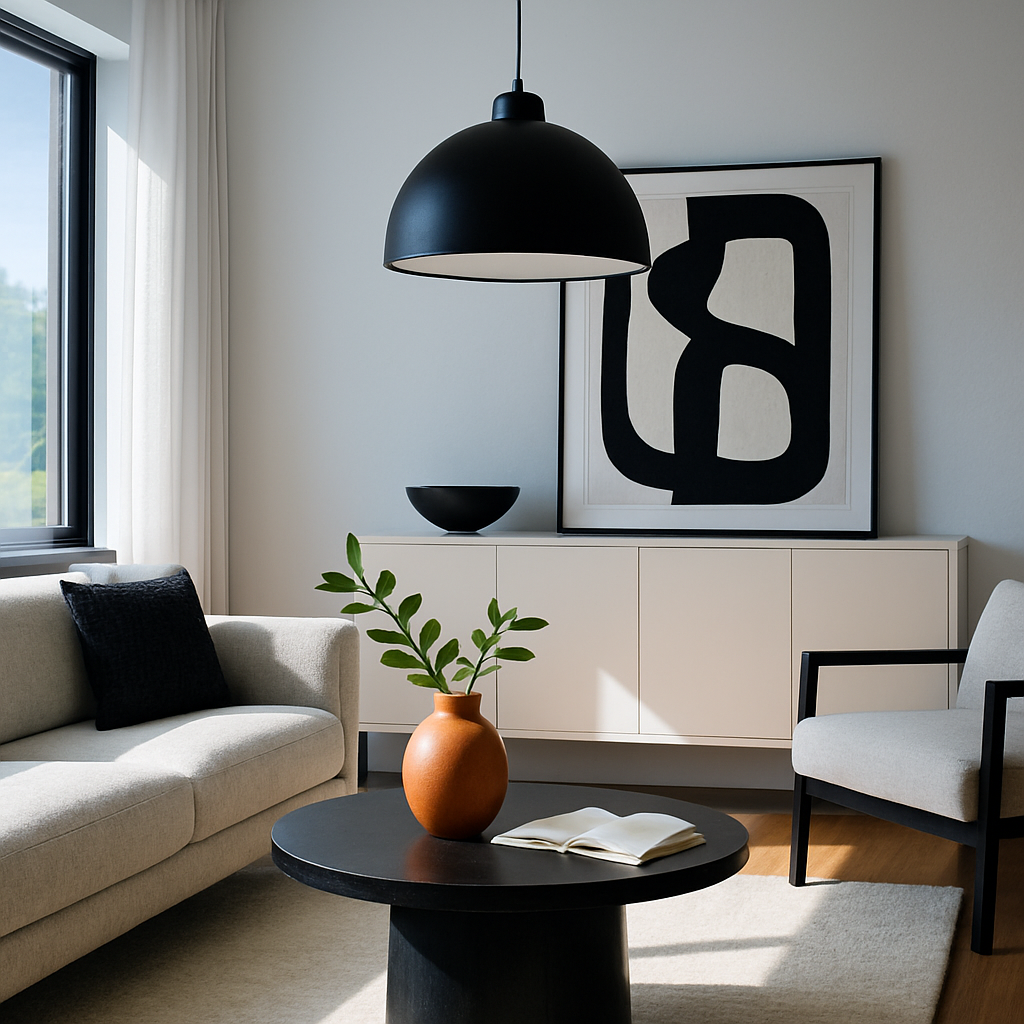
Imagine walking into a room that not only looks stunning but also feels perfectly tailored to your lifestyle. According to a Houzz survey, 75% of homeowners felt more satisfied after redesigning their living spaces. This satisfaction stems from thoughtful interior design that combines style with functionality, enhancing daily life. In this essential interior design handbook, we'll explore foundational concepts, delve into data-backed strategies, and provide actionable advice to transform your home into a space that reflects your personal style and meets your practical needs.
Understanding the Foundations of Interior Design
At the core of successful interior design lies an understanding of spatial planning and aesthetics. Spatial planning involves organizing furniture and decor to maximize functionality and flow within a room. An experienced designer will map out the use of each space, considering where you place everyday items like keys or where your family gathers for meals. This level of detail ensures that every inch of your home is utilized efficiently.
Aesthetics, on the other hand, focus on the visual appeal of a space. This includes color schemes, textures, and lighting - all crucial elements that contribute to the overall ambiance. For instance, a room with a neutral palette can evoke calmness, while bold colors might energize the space. Lighting, both natural and artificial, plays a pivotal role in setting the mood and highlighting design features.
Furthermore, the balance of form and function cannot be overstated. According to the American Society of Interior Designers (ASID), a well-designed space not only looks good but also improves quality of life. Consider how a thoughtfully arranged living room can provide comfort and foster social interaction, while a cluttered one might have the opposite effect. This section sets the stage for exploring more complex design strategies.
Delving into Design Data: Insights and Trends
Recent industry surveys suggest that homeowners are investing more in sustainable and smart home designs. Houzz's annual survey indicates that nearly 50% of homeowners prioritize eco-friendly materials when redesigning their spaces. This trend aligns with the growing demand for sustainability across various industries. Incorporating reclaimed wood or energy-efficient appliances are just a few ways to create an eco-conscious environment.
Another emerging trend is the integration of smart technology in home design. Automated lighting, climate control, and even smart window treatments are becoming standard features in modern homes. These technologies not only enhance convenience but also contribute to energy savings. Imagine walking into a room where the lights adjust to your presence and the temperature is just right - it's no longer a futuristic fantasy.
Understanding these trends is crucial for any homeowner or designer looking to create a space that's not only current but also future-proof. As we transition into discussing actionable strategies, consider how these insights might influence your design choices. Are there elements of smart technology or sustainability that you could incorporate into your next project?
Actionable Strategies for Your Design Projects
For those ready to embark on a redesign, developing a clear plan is essential. Start with concept development, where you map out your vision and objectives. Utilize tools like Pinterest or Houzz to gather inspiration and visualize your ideas. These platforms offer a plethora of design portfolios and project photos to spark creativity and guide planning.
Next, consider the budget and cost structure. A single room redesign can range from $5,000 to $15,000, while a full-home project may exceed $150,000. It's important to decide whether you'll hire a certified interior designer or manage the project yourself. Certified designers, holding credentials such as NCIDQ (National Council for Interior Design Qualification), bring expertise and industry connections that can be invaluable, especially for complex projects.
Finally, focus on selecting materials and furnishings that align with your vision and budget. Experience professionals often note the importance of investing in quality over quantity. Are there key pieces you can splurge on that will anchor the room, or areas where you can save by choosing cost-effective alternatives? Balancing these decisions will ensure a cohesive and satisfying outcome, setting the stage for deeper expert insights.
Expert Insights: Elevating Your Design
To truly elevate your interior design, consider consulting industry experts and leveraging their knowledge. The International Interior Design Association (IIDA) offers a directory of professionals who can provide personalized advice and insights. Engaging with a seasoned designer can help navigate complex design challenges, such as integrating biophilic elements or achieving the quiet luxury trend that emphasizes understated elegance.
Biophilic design, which incorporates natural materials and indoor-outdoor flow, can significantly enhance a space's ambiance. According to Architectural Digest's AD PRO network, incorporating greenery and natural textures has been shown to improve mood and productivity. This approach is especially beneficial in home offices or living areas where relaxation and focus are paramount.
Additionally, consider utilizing advanced visualization tools like AR/VR to preview design changes before implementation. These technologies allow for real-time adjustments and a more immersive experience, providing confidence in your design decisions. As we move to the final perspectives, think about how expert guidance and cutting-edge tools could transform your design project into a resounding success.
Diving Deeper: Industry-Specific Details
The process of interior design involves several phases, each critical to the project's success. Concept development sets the foundation by outlining the design's direction. This is followed by the design presentation, where initial ideas are refined and approved. The procurement phase involves acquiring materials and furnishings, often with the assistance of a designer's trade discounts.
Installation brings the design to life, transforming the conceptual into the tangible. This phase requires precise coordination to ensure that all elements come together seamlessly. Finally, styling adds the finishing touches that personalize the space. This might include arranging decor, adjusting lighting, and ensuring that the room feels cohesive and inviting.
Understanding these phases can help manage expectations and timelines effectively. Experienced designers emphasize the importance of flexibility during these stages, as unforeseen challenges can arise. As you reflect on these insights, consider how this structured approach might influence your next design endeavor. What phases do you feel most confident about, and where might you seek additional support?
Final Perspectives on Interior Design
Interior design is an ever-evolving field, constantly influenced by new trends, technologies, and consumer preferences. As you embark on your design journey, remember that the ultimate goal is to create a space that resonates with your personal style and enhances your daily life. Whether you're drawn to Japandi's minimalist warmth or the innovative features of a smart home, your design choices should reflect your lifestyle and aspirations.
Engaging with design communities and staying informed about industry developments can further enrich your process. Platforms like Instagram and Pinterest provide a wealth of inspiration and allow you to connect with designers and fellow enthusiasts. These interactions can spark new ideas and provide support throughout your project.
As we conclude, consider what aspects of interior design most inspire you. How might you incorporate these elements into your home to create a space that's uniquely yours? Our final call to action will guide you in taking the first steps toward realizing your design vision.
Conclusion: Start Your Design Journey Today
In summary, unlocking style in your home is a multifaceted endeavor that blends foundational concepts with cutting-edge trends and expert insights. As you explore this essential interior design handbook, let it serve as a guide to creating spaces that reflect who you are and how you live. Start by browsing designer portfolios on Houzz this week - even 20 minutes of research will sharpen your eye for what you want.
Are you ready to transform your home into a place of beauty and functionality? Begin by identifying one room you'd like to redesign and gather inspiration from the resources mentioned. With careful planning and a bit of creativity, you can achieve a space that not only meets but exceeds your expectations. The journey to a more stylish home begins with a single step - take yours today.



Comments
Post a Comment