Transform Your Space: Essential Tips from the Interior Design Handbook
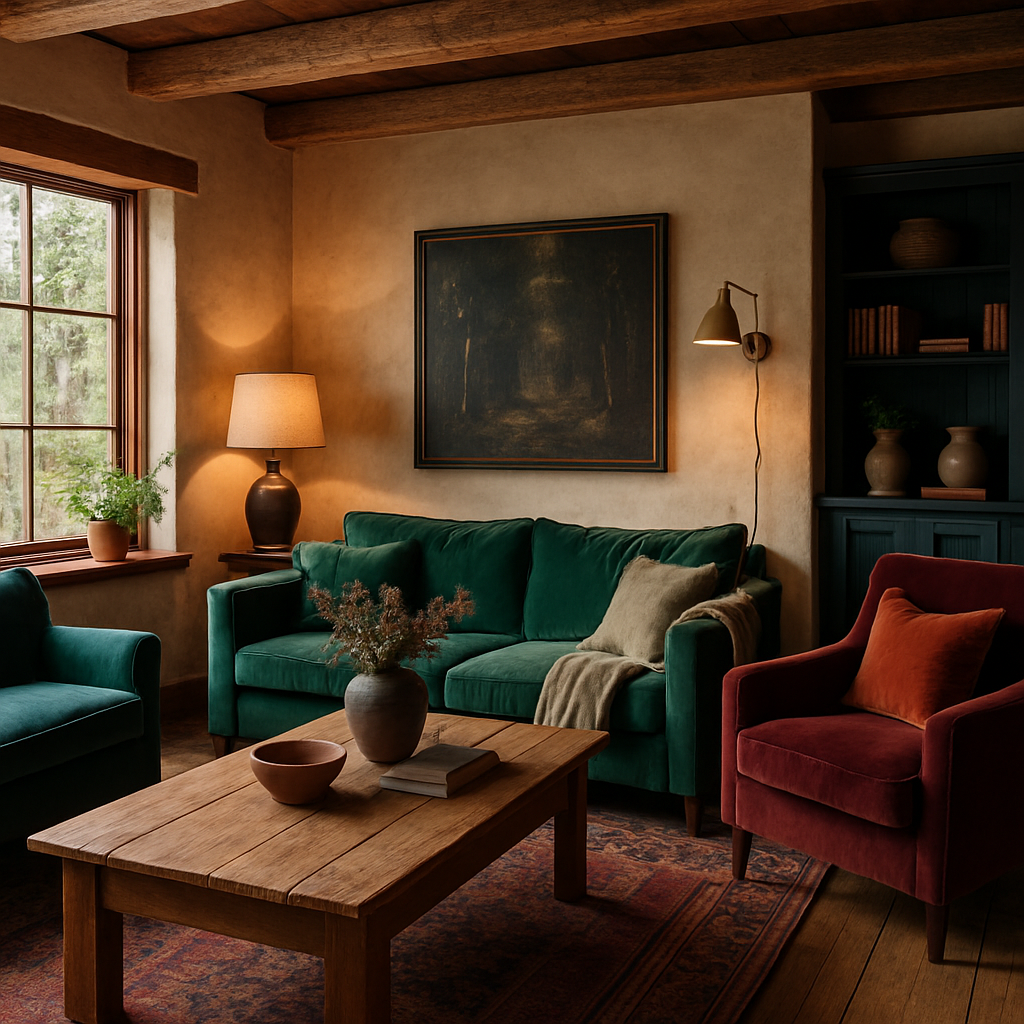
Walking into a room that just feels right is an experience most people recognize immediately but few can articulate. There is an invisible architecture at work in every well-designed space, a system of decisions about proportion, light, material, and color that combine to produce environments where people feel comfortable, productive, and inspired. The difference between a room that functions beautifully and one that merely contains furniture is not a matter of budget or square footage but of understanding the principles that professional designers have refined over decades of practice. This handbook distills those principles into actionable tips that any homeowner can implement, whether you are refreshing a single room or reimagining your entire home. You will discover how professional designers approach every element of interior space, from the initial assessment of a room's architectural character to the final placement of decorative accessories. The strategies presented here draw from established design traditions while incorporating contemporary movements like biophilic design and quiet luxury that define how we live now. Prepare to see your home through entirely new eyes.
Assess Before You Act: The Professional Approach to Room Analysis
The first tip from any experienced interior designer is to resist the temptation to start purchasing before completing a thorough assessment of your existing space. Professional designers, including those certified through the National Council for Interior Design Qualification (NCIDQ), begin every project with a documentation phase that includes measuring the room precisely, photographing it from multiple angles, noting the location and size of every window and door, identifying electrical outlet positions, and recording the direction the room faces relative to the compass. This baseline documentation becomes the reference point against which all subsequent decisions are evaluated. Without it, design choices are made in a vacuum that frequently leads to expensive mistakes.
Assessment also involves identifying a room's inherent strengths and weaknesses. Every space has architectural features worth celebrating and limitations worth mitigating. A room with generous south-facing windows possesses a natural asset that the design should maximize, perhaps by selecting a color palette that glows under warm natural light and positioning the primary seating to benefit from daylight. Conversely, a room with low ceilings, limited natural light, or an awkward shape presents challenges that require specific design strategies to overcome. Acknowledging these characteristics honestly, rather than ignoring them and hoping good furniture will compensate, is what separates professional design outcomes from amateur efforts.
The assessment phase should also include a lifestyle audit that documents how the room is actually used versus how it is theoretically intended to function. A dining room that serves as a homework station three hundred evenings a year should be designed to support that reality, not an idealized vision of formal dinner parties that rarely occur. The American Society of Interior Designers (ASID) emphasizes this evidence-based approach to design, encouraging designers to observe and document actual usage patterns before proposing changes. When your design solutions align with your real life rather than an aspirational fantasy, the result is a space that genuinely works for you day after day. Do you know how each room in your home is actually used on an ordinary weekday evening?
The Power of a Cohesive Color Strategy
Color decisions made in isolation, one room at a time without reference to a whole-home strategy, invariably produce a disjointed experience as you move through your home. Professional designers develop a cohesive color strategy that establishes a palette flowing naturally from room to room, creating visual continuity that makes the entire home feel intentional and harmonious. This does not mean every room must be the same color; it means every room's colors should relate to a central palette in a logical way. A common approach uses a neutral foundation color that appears throughout the home, supplemented by accent colors that shift from room to room while maintaining consistent warmth or coolness.
The quiet luxury movement has elevated the importance of nuanced color work in residential design. Rather than relying on bold statement colors, quiet luxury interiors build visual interest through subtle tonal variations within a restrained palette. A living room designed in this aesthetic might use five different shades of warm gray, differentiated by undertone and texture rather than by hue. This approach requires a sophisticated understanding of how light, surface finish, and adjacent colors interact, which is why professional designers billing $200-400/hr dedicate significant time to color development. The resulting interiors feel serene and expensive without the visual noise that highly saturated palettes can create.
Testing color selections under the specific conditions of your home is a non-negotiable step that professionals never skip. Paint samples on a small swatch card look dramatically different from the same color applied to an entire wall, surrounded by your specific furniture, flooring, and lighting conditions. The International Interior Design Association (IIDA) recommends painting large test patches, at least two feet square, on multiple walls of the room and observing them over several days under all lighting conditions you will experience. Morning sunlight, overcast afternoon light, and evening lamp light each reveal different qualities in a paint color, and a selection that looks perfect under one condition may appear unacceptable under another. This investment of time and a few sample pots prevents the far greater expense of repainting an entire room when a hastily chosen color proves disappointing.
Mastering Scale, Proportion, and Visual Balance
Scale and proportion are the invisible forces that make some rooms feel perfectly composed and others feel vaguely uncomfortable without an obvious explanation. Scale refers to the size of objects relative to the room and to each other, while proportion describes the relationship between different dimensions of a single object or between parts of a composition. A massive sectional sofa in a compact living room violates scale by dominating the space; a delicate coffee table in front of that same sofa violates proportion by creating an imbalance between heavy and light elements. Professional designers develop an intuitive sense of appropriate scale through years of practice, but the underlying principles can be learned and applied by anyone willing to observe carefully.
The golden ratio, approximately 1:1.618, appears throughout nature and has been used in architecture and design for millennia to create compositions that feel inherently pleasing. While you need not calculate mathematical ratios for every design decision, understanding the principle helps explain why certain proportions feel more satisfying than others. A room divided into two equal halves feels static, while one divided roughly into one-third and two-thirds feels dynamic and interesting. This asymmetric balance principle applies to everything from the placement of artwork on a wall to the distribution of visual weight across a furniture grouping. Houzz editorial features consistently highlight this principle in rooms selected for their exemplary design, demonstrating its universal applicability across styles.
Visual weight, the perceptual heaviness of an object based on its color, texture, size, and material, must be distributed thoughtfully throughout a room to achieve balance. Dark-colored, dense, large, and rough-textured objects carry more visual weight than light-colored, transparent, small, and smooth-textured ones. A room where all visually heavy elements cluster on one side feels unbalanced and creates an unconscious tension that undermines comfort. Distributing visual weight evenly does not require symmetry; asymmetric balance, where different elements of comparable visual weight occupy opposing positions, creates more dynamic and interesting compositions. Consider your own living room: if you mentally divided it in half, would each side carry approximately equal visual weight, or does the composition lean heavily in one direction?
Layered Lighting: The Designer's Secret Weapon
If professional designers share one universal frustration with residential spaces, it is the inadequacy of lighting in most homes. The standard builder-grade approach of a single ceiling fixture per room produces flat, shadowless illumination that eliminates the depth and atmosphere that good lighting creates. Transforming your lighting from functional to exceptional requires understanding and implementing the three-layer lighting model: ambient light for general illumination, task light for specific activities, and accent light for visual interest and drama. Each layer uses different fixtures positioned at different heights and directed toward different purposes, creating a composite lighting environment that serves every need.
Task lighting is perhaps the most practically important layer, yet it receives the least attention in many homes. Reading chairs without adequate reading lamps, kitchen counters shadowed by the cook's own body, and bathroom mirrors lit only from above are common failures that professional designers immediately address. The ASID recommends task lighting that positions the light source between the occupant and the work surface, eliminating shadows where visibility matters most. Under-cabinet kitchen lighting, adjustable desk lamps, and vanity sconces flanking bathroom mirrors are examples of task lighting that dramatically improve daily functionality. Research indicates that proper task lighting reduces eye strain by up to 50 percent compared to relying solely on ambient ceiling fixtures, making it a health investment as much as a design improvement.
Accent lighting transforms rooms from merely well-lit to genuinely atmospheric. Picture lights that illuminate artwork, uplights that wash walls with gentle illumination, and concealed LED strips that highlight architectural features all contribute to the dimensional quality that distinguishes professionally designed spaces. The warm glow of accent lighting in the evening, with ambient fixtures dimmed and task lights activated only where needed, creates an enveloping comfort that overhead-only lighting can never achieve. Smart home lighting systems make this layered approach practical for everyday use, allowing preset scenes that adjust all three layers simultaneously with a single command. The investment in proper lighting infrastructure pays continuous dividends in daily enjoyment and can significantly impact the perceived value of your home to future buyers.
Bringing Nature Indoors: Biophilic Design for Every Home
Biophilic design, the practice of incorporating natural elements and patterns into built environments, has moved from a niche interest to a mainstream design strategy supported by substantial scientific evidence. Research in environmental psychology has demonstrated that exposure to natural elements within interior spaces reduces stress hormones, improves cognitive function, and enhances overall well-being. You do not need a conservatory or a tropical climate to implement biophilic design principles effectively. Even modest gestures, such as introducing natural materials, maximizing views of outdoor greenery, and incorporating organic shapes into furniture and decor selections, create meaningful connections to the natural world that positively influence daily experience.
The most direct application of biophilic design is the integration of living plants into interior spaces, but the principle extends far beyond adding potted greenery. Natural materials such as wood, stone, wool, cotton, and clay bring organic textures and colors into your home that synthetic materials cannot replicate. Water features, whether a tabletop fountain or a wall-mounted waterfall, introduce the calming auditory element of moving water. Views of nature through windows should be considered design assets worth protecting and enhancing through careful furniture placement and window treatment selection. AD PRO has featured numerous residential projects where biophilic design principles transformed conventional interiors into spaces that feel fundamentally different to occupy, with homeowners consistently reporting improved mood and relaxation.
Pattern and form inspired by nature offer another avenue for biophilic design implementation. Fractal patterns, the self-repeating geometric structures found throughout nature in branching trees, river networks, and fern fronds, have been shown to reduce physiological stress when incorporated into interior environments. Textiles, wallcoverings, and decorative objects featuring organic patterns and flowing forms connect occupants to natural aesthetics without requiring literal representations of nature. The Japandi aesthetic aligns naturally with biophilic principles through its emphasis on natural materials, muted earth tones, and the celebration of imperfection that the Japanese concept of wabi-sabi embraces. Combining these complementary philosophies creates interiors that are both aesthetically refined and psychologically nourishing, addressing the whole person rather than just the visual appetite.
Sustainable Design: Making Responsible Choices
Sustainability in interior design extends beyond environmental virtue to encompass practical benefits including material longevity, indoor air quality, and long-term cost savings. The most sustainable design decision is often the simplest: choosing well-made pieces that will last decades over trendy items that will reach the landfill within a few seasons. The IIDA has published frameworks for sustainable interior design practice that help both professionals and homeowners evaluate the environmental impact of their choices, from material sourcing through manufacturing processes to end-of-life disposal. This life-cycle thinking transforms purchasing decisions from impulse acquisitions into considered investments that serve both personal and planetary interests.
Indoor air quality is a sustainability concern with immediate health implications that interior design choices directly influence. Many conventional building materials, furniture, and finishes release volatile organic compounds (VOCs) that degrade indoor air quality and can cause headaches, respiratory irritation, and long-term health effects. Low-VOC and zero-VOC paints, formaldehyde-free cabinetry, and naturally finished wood products eliminate these emissions without compromising visual quality. Studies have shown that homes furnished primarily with low-emission materials demonstrate measurably better indoor air quality than conventionally furnished homes, a difference that is particularly significant for households with children, elderly occupants, or anyone with respiratory sensitivities.
The circular economy model offers exciting possibilities for sustainable interior design that align aesthetic ambitions with environmental responsibility. Vintage and antique furniture, when properly restored, provides unique character that mass-produced items cannot match while diverting materials from the waste stream. Reclaimed wood flooring and architectural salvage elements bring historical depth and material quality that new products rarely achieve. Local artisan craftspeople who produce furniture, ceramics, and textiles using traditional methods offer sustainable alternatives to industrially manufactured goods while supporting community economies and preserving cultural heritage. Embracing sustainability does not require sacrificing design quality; it requires expanding your sourcing beyond mainstream retail to discover the exceptional materials and craftsmanship that the sustainable marketplace increasingly offers. What changes could you make in your next design project to reduce environmental impact while improving aesthetic outcomes?
Conclusion
Transforming your space is not about following trends or spending lavishly but about understanding and applying the principles that make interiors genuinely work for the people who inhabit them. The essential tips explored throughout this handbook, from rigorous room assessment and cohesive color strategy to mastering scale, implementing layered lighting, embracing biophilic design, and committing to sustainable practices, constitute the same toolkit that professional designers employ daily. Organizations like ASID, NCIDQ, and IIDA have developed these frameworks through decades of research and professional experience, and their insights are now available to any homeowner motivated to elevate their living environment. The most important step is the first one: pausing to assess your space with fresh eyes before reaching for a paintbrush or a credit card. Armed with these principles, you can approach every design decision with confidence, knowing that your choices are grounded in proven methods rather than guesswork. Choose one room, apply these strategies deliberately, and let the results inspire you to continue transforming every space in your home.
More Articles You May Like



Comments
Post a Comment