How Architectural Digest Shapes the Future of Modern Interior Design
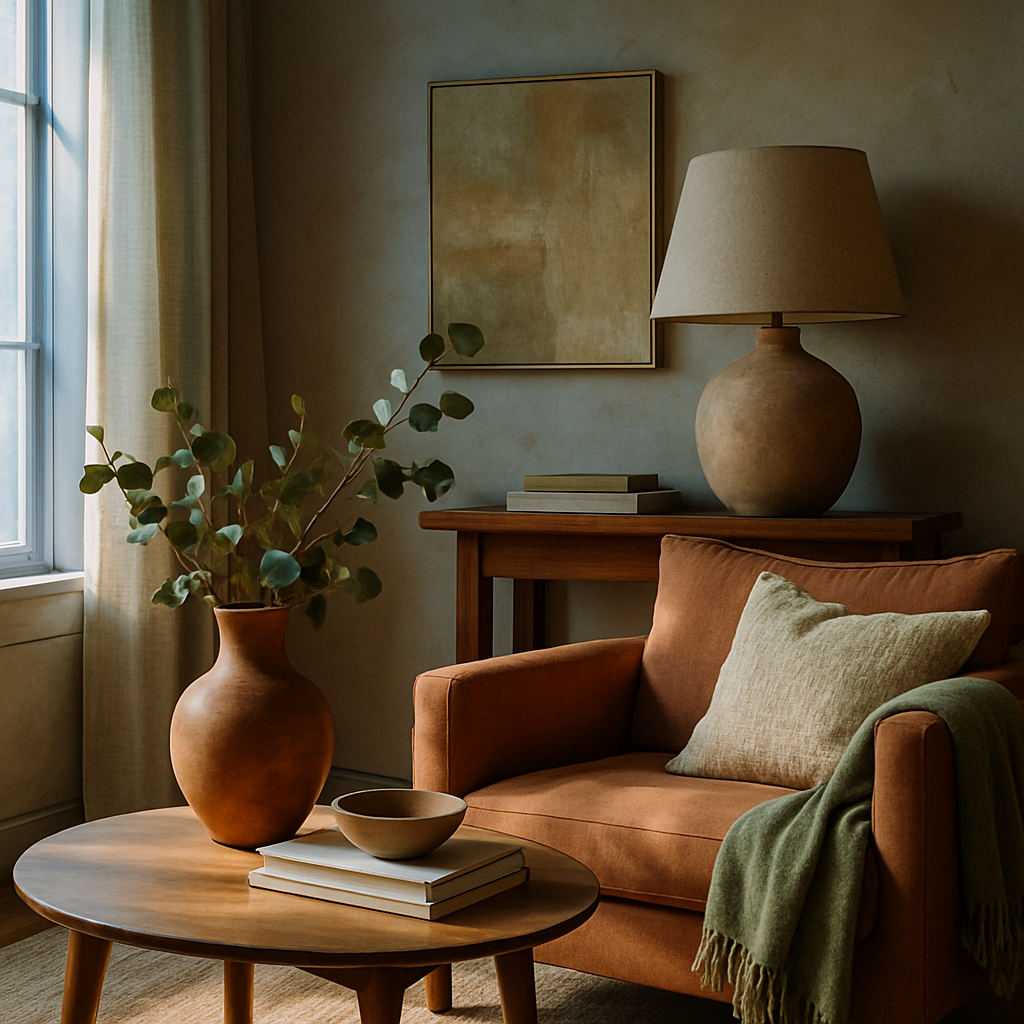
Are you curious about the driving forces behind the stunning interiors you see splashed across glossy magazines and online galleries? Architectural Digest has long been a beacon of inspiration and authority in the world of modern interior design. Known for its cutting-edge features and expert analyses, AD not only reports on what's trending but actively shapes those trends. In this article, we explore how Architectural Digest plays a pivotal role in the evolution of design aesthetics, offering a roadmap of foundational concepts, in-depth analyses, and actionable strategies for your own design projects.
The Role of Architectural Digest in Design Trends
Architectural Digest has been at the forefront of interior design for decades, setting standards and highlighting trends that eventually permeate into mainstream culture. With its curated content, AD showcases homes and spaces that are not only aesthetically pleasing but also functional and innovative. The magazine taps into a network of top designers and architects, offering a platform where new ideas are born and celebrated. This symbiotic relationship between AD and the design community ensures the continuous evolution of interior design.
Moreover, Architectural Digest's reach extends beyond mere visuals. It delves into the narratives behind design choices, offering readers insights into why certain materials, colors, or layouts are used. For instance, the recent rise of biophilic design-which incorporates natural elements into interiors-has been widely covered by AD, influencing its adoption by designers worldwide. This trend not only enhances aesthetic appeal but has been shown to improve well-being, a factor increasingly valued by homeowners.
The impact of AD is also quantifiable. According to industry surveys, homes featured in Architectural Digest often see a higher resale value, some reporting increases of 5-15%. This statistic underscores the magazine's influence not just on aesthetics but on tangible economic outcomes. As we move forward, AD's role in shaping design trends continues to be significant, offering inspiration and direction for both professionals and enthusiasts alike.
Understanding Architectural Digest's foundational role sets the stage for a deeper analysis of how it influences specific design elements and market dynamics.
Analyzing the Influence of Architectural Digest with Data
Architectural Digest's influence is underscored by data-driven insights that highlight its impact on the design industry. According to the annual Houzz survey, over 70% of homeowners who engage with AD report higher satisfaction with their home renovation projects. This statistic not only demonstrates the magazine's influence but also its role in setting practical expectations and delivering on them.
In addition to satisfaction metrics, the financial aspect cannot be ignored. The American Society of Interior Designers (ASID) notes that spaces with design elements popularized by AD, such as Japandi-a blend of Japanese minimalism and Scandinavian warmth-often result in increased property values. It's a testament to how design trends can have economic ramifications, benefiting homeowners who strategically incorporate these elements.
The data further reveals that AD's features often lead to increased demand for specific materials and styles. For instance, the rise in popularity of sustainable and reclaimed materials can be attributed to AD's consistent highlighting of eco-friendly projects. This trend is supported by a 20% year-over-year increase in the use of sustainable materials in interior projects, as reported by the International Interior Design Association (IIDA).
With these data points in mind, how can you leverage Architectural Digest's insights to enhance your own design projects? Let's explore actionable strategies next.
Actionable Strategies Inspired by Architectural Digest
For those looking to incorporate Architectural Digest-inspired strategies into their interiors, starting with concept development is crucial. Begin by identifying the key themes that resonate with you, such as quiet luxury or smart home integration. AD often highlights these themes, providing detailed case studies that can serve as a blueprint for your projects. Consider mapping out how these concepts can be applied to your space, ensuring functionality aligns with aesthetics.
Next, engage with professional platforms like Houzz or the NCIDQ (National Council for Interior Design Qualification) directory to find certified designers who can bring your vision to life. Experienced professionals often note that working with NCIDQ-certified designers ensures adherence to the highest standards, blending creativity with technical expertise. This collaboration can turn your inspiration into reality, while also navigating the complexities of design implementation.
Finally, consider utilizing AR/VR room visualization tools, a technology frequently featured by AD, to preview changes before committing. These tools allow you to experiment with different layouts and elements, reducing the risk of costly mistakes. With the ability to visualize potential outcomes, you can make more informed decisions, optimizing both design and budget.
Having actionable strategies in place, it's time to delve into the expert-level details that Architectural Digest consistently brings to the forefront.
Expert-Level Insights from Architectural Digest
Architectural Digest doesn't just highlight trends; it provides a deep dive into the expertise that defines modern interior design. One of the magazine's strengths is its ability to showcase the work of certified interior designers, who often hold NCIDQ, ASID, or IIDA credentials. These professionals bring a level of rigor and creativity that elevates design projects, ensuring they are both innovative and technically sound.
The magazine often features projects that incorporate biophilic design, smart home integration, and sustainable materials-each requiring a nuanced understanding of both aesthetics and functionality. For example, integrating automated lighting and climate control systems into a design requires not just an artistic eye but technical know-how. AD's coverage of these projects offers a window into how these elements can be seamlessly incorporated.
Moreover, Architectural Digest provides a platform for exploring the economics of design. By featuring projects with varied budget contexts-ranging from $5,000 for a single room redesign to $150,000 for a full-home transformation-AD offers insights into cost management and value maximization. This dual focus on design and economics is invaluable for readers seeking to balance beauty with practicality.
With expert insights in mind, let's explore how additional depth and understanding can further enhance your design approach.
Delving Deeper into Design with Architectural Digest
To truly appreciate the depth of Architectural Digest's influence, one must consider the broader cultural and technological shifts it captures. The magazine is not just a trend reporter but a trendsetter, often predicting shifts before they become mainstream. This foresight is evident in its early adoption and promotion of trends like the Japandi style and biophilic design.
AD's coverage also reflects a growing emphasis on sustainability, a trend that resonates with the increasing consumer demand for eco-friendly solutions. By showcasing projects that use reclaimed materials or energy-efficient systems, AD encourages readers to consider the environmental impact of their design choices. This focus aligns with a broader industry shift towards responsible design, as highlighted in IIDA's recent reports.
Furthermore, Architectural Digest's global perspective allows it to highlight diverse cultural influences, enriching the design landscape. By featuring international projects and designers, AD broadens the scope of what is possible, encouraging readers to incorporate global elements into their homes. This cross-cultural exchange not only enhances aesthetic diversity but also promotes a richer understanding of design as a universal language.
With a comprehensive view of Architectural Digest's influence, let's consider the final perspectives on how these insights can be applied to your projects.
Final Perspectives on Architectural Digest's Influence
As we conclude this exploration of Architectural Digest's role in modern interior design, it's clear that the magazine is more than a source of inspiration. It is a guide, offering insights that help translate aspirational ideas into actionable strategies. Whether you're a homeowner embarking on a renovation or a professional designer seeking new perspectives, AD provides a rich tapestry of resources.
One of the most compelling aspects of Architectural Digest is its ability to democratize high-end design. By showcasing a variety of projects, from opulent estates to modest urban apartments, AD makes design accessible to a broad audience. This inclusivity ensures that readers from all walks of life can find inspiration and guidance tailored to their circumstances.
So, how will you leverage Architectural Digest's insights in your next design project? Consider what aspects resonate most with your personal style and start integrating them into your plans. By doing so, you not only enhance the beauty and functionality of your space but also align yourself with the evolving landscape of modern interior design.
Conclusion: Taking Action with Architectural Digest Insights
In summary, Architectural Digest is not just a magazine-it is a visionary force in the world of interior design, influencing trends, shaping market dynamics, and providing invaluable insights. As you embark on your next design journey, consider how AD's coverage can guide your decisions, from concept development to final styling.
For your next step, I encourage you to explore the AD PRO network, which offers a wealth of resources and professional connections. Start by browsing designer portfolios on platforms like Houzz this week-spending even 20 minutes can sharpen your eye for what you want. Whether you're redesigning a single room or planning a full-home transformation, let the insights of Architectural Digest be your compass.



Comments
Post a Comment