Creating a Productive Environment: Essential Elements of Corporate Office Interior Design
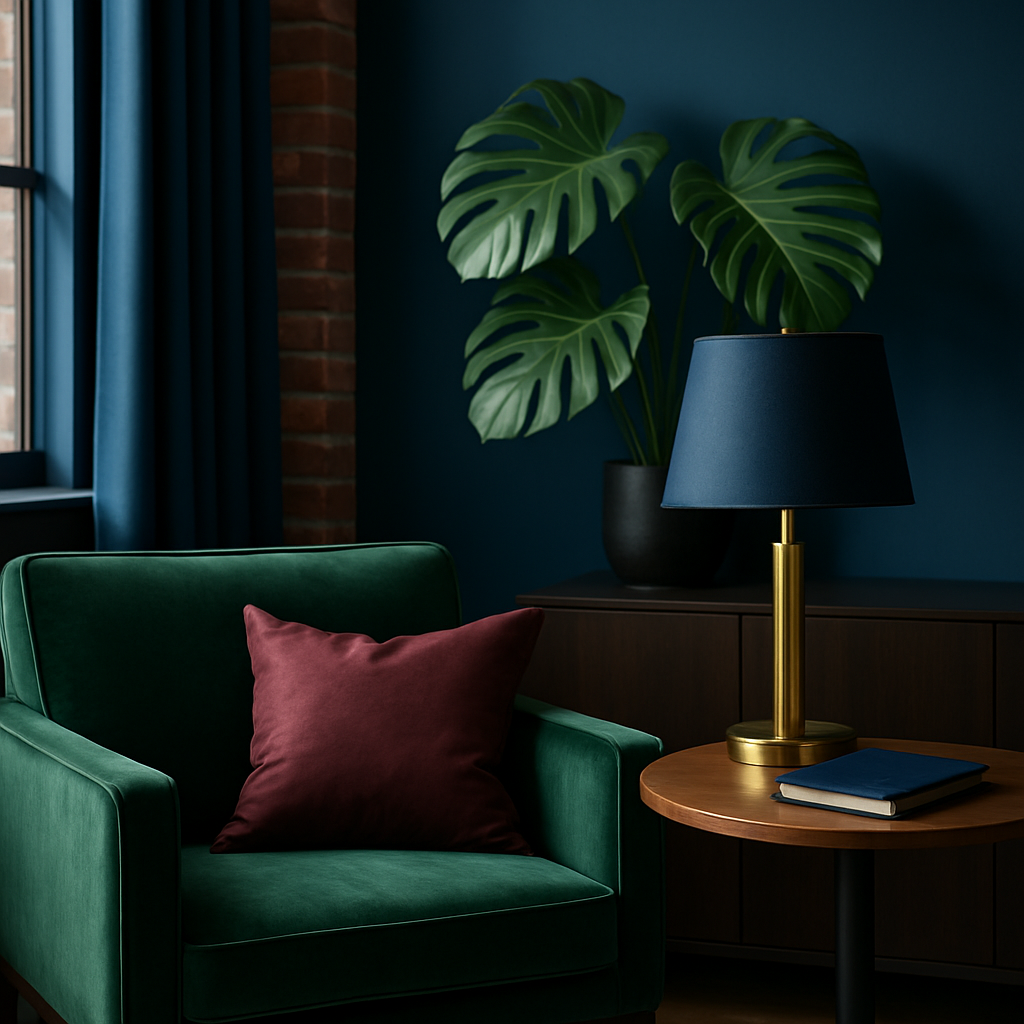
In the fast-paced world of corporate business, where productivity is key, the design of an office space can significantly impact employee performance. According to a study by the American Society of Interior Designers (ASID), a well-designed office can enhance productivity by up to 20%. This statistic underscores the importance of thoughtfully designed workspaces, which not only boost efficiency but also contribute to employee well-being and satisfaction. In this article, we'll explore the essential elements of corporate office interior design, diving into foundational concepts, data-driven insights, actionable strategies, and expert-level detail that can transform any corporate office into a hub of productivity.
The Foundations of Effective Office Design
At the heart of productive office design lies a deep understanding of ergonomics and functionality. Ergonomics, the study of people's efficiency in their working environment, plays a critical role in office design. By incorporating ergonomic furniture, such as adjustable chairs and desks, businesses can reduce physical strain on employees, thereby minimizing health issues and absenteeism. It's not just about comfort; ergonomically designed environments actively contribute to higher productivity levels.
Another foundational element is the use of space. The layout should facilitate natural workflows and communication. Open-plan offices, while popular for encouraging collaboration, must be balanced with quiet zones to accommodate tasks that require concentration. According to the International Interior Design Association (IIDA), companies that integrate flexible spaces within their office layouts see a noticeable improvement in employee satisfaction and productivity.
Finally, incorporating natural elements can significantly enhance the office environment. Biophilic design, which integrates natural materials, light, vegetation, and other elements into the built environment, has been shown to reduce stress and increase creativity. Research suggests that offices designed with biophilic elements experience a 15% increase in employee well-being and productivity. As we transition to discussing deeper analyses, these foundational concepts set the stage for a more detailed exploration of office design.
Analyzing the Impact of Design on Productivity
To truly understand the impact of office interior design on productivity, it's essential to delve into the data. A survey by Houzz found that 75% of employees believe their productivity is directly affected by their work environment. This statistic highlights the tangible effects of interior design decisions on workforce output. But what specific design elements are most influential?
Lighting is one critical aspect. Poor lighting can lead to eye strain, fatigue, and headaches, significantly affecting an employee's ability to focus. Conversely, natural light is linked to improved mood and energy levels. The American Institute of Architects (AIA) emphasizes the use of daylighting strategies in office design, which not only enhance aesthetic appeal but also support sustainable energy use.
Beyond lighting, acoustics play a significant role in productivity. Noise is often cited as a major distraction in open office plans. Effective acoustic design can include sound-absorbing materials, strategic furniture placement, and the use of sound-masking systems. According to industry professionals, addressing acoustics can lead to a 10% increase in productivity. Understanding these elements allows us to explore actionable strategies that can be implemented in corporate settings.
Actionable Strategies for Enhancing Office Design
Implementing changes to office design doesn't have to be an overwhelming task. To start, focus on improving lighting conditions. Consider installing dimmable LED lights and maximizing the use of natural light by arranging workstations near windows. This simple adjustment can yield significant improvements in mood and productivity.
Next, address the layout of the office. If your current setup is primarily an open plan, consider incorporating partitions or flexible furniture arrangements to create semi-private spaces. This approach can reduce noise and distractions, catering to varied work styles and tasks. Experienced professionals often note that providing a variety of work environments within an office can cater to different needs and enhance overall productivity.
Finally, consider the integration of technology. Smart office solutions, such as automated lighting and climate control systems, can optimize comfort and efficiency. Tools like AR/VR room visualization can also aid in planning and executing office redesigns. As we move into expert-level details, these strategies provide a practical starting point for enhancing your office space.
Expert-Level Insights on Office Design
Diving deeper into the nuances of office design, understanding industry standards and certifications can be invaluable. Certified interior designers, holding credentials such as NCIDQ (National Council for Interior Design Qualification), bring a level of expertise that ensures compliance with safety and accessibility standards. Engaging with professionals who hold these certifications can elevate the design process and outcome.
Budgeting is another critical component. For a single-room redesign, expect to invest between $5,000 and $15,000, while full-office renovations can range from $50,000 to $150,000 or more. Understanding these figures helps in setting realistic expectations and ensuring that every dollar spent enhances the office environment.
Experienced designers often recommend incorporating sustainable materials and practices. Using reclaimed wood, recycled metals, and energy-efficient systems not only reduces environmental impact but also aligns with modern corporate responsibility initiatives. This approach not only boosts company image but also appeals to eco-conscious employees and clients. As we transition to additional insights, these expert-level details highlight the complexity and potential of office design.
Additional Considerations for Office Design
Beyond the obvious design elements, consider the role of color psychology in office interiors. Colors can significantly impact mood and behavior. For instance, blues and greens are known to have calming effects, ideal for high-stress environments, while yellows can stimulate creativity. Understanding these dynamics can help in choosing the right color palette for your office.
Employee involvement in the design process can also be beneficial. Gathering feedback through surveys or focus groups can provide valuable insights into employee preferences and needs. This approach not only ensures that the design accommodates varied work styles but also fosters a sense of ownership and satisfaction among staff.
Finally, don't overlook the importance of branding within the office space. Incorporating brand colors, logos, and values into the design can reinforce company identity and culture. This integration serves as a constant reminder of the organizational mission, motivating employees and impressing visitors. As we wrap up, these additional considerations enrich the overall design strategy.
Concluding Perspectives on Office Interior Design
Incorporating these essential elements of corporate office interior design can lead to profound changes in productivity and employee satisfaction. By thoughtfully integrating ergonomic furniture, smart lighting, and flexible workspaces, organizations can create environments that support diverse work styles and enhance overall performance. Are you ready to take the next step in transforming your office space?
Consider starting by consulting with certified professionals who can guide you through the process. Leveraging their expertise ensures that your office design not only meets current needs but is also adaptable to future demands. As you implement these strategies, remember that the ultimate goal is to craft an environment that reflects company values and fosters success. Now, what specific changes will you prioritize in your office redesign?
Conclusion
Creating a productive corporate office environment hinges on a strategic approach to interior design. By focusing on ergonomic and aesthetic elements, integrating technology, and considering employee input, you can transform your workspace into a catalyst for success. As you plan your office redesign, prioritize elements that align with your organizational goals and culture. Start by browsing designer portfolios on platforms like Houzz and ASID this week-dedicating even 20 minutes to research can significantly sharpen your vision for the ideal office space. Remember, the right design choices can yield long-term benefits, enhancing productivity and boosting morale.



Comments
Post a Comment