The Future of Work: Exploring Remote Interior Design Careers You Can Start Today
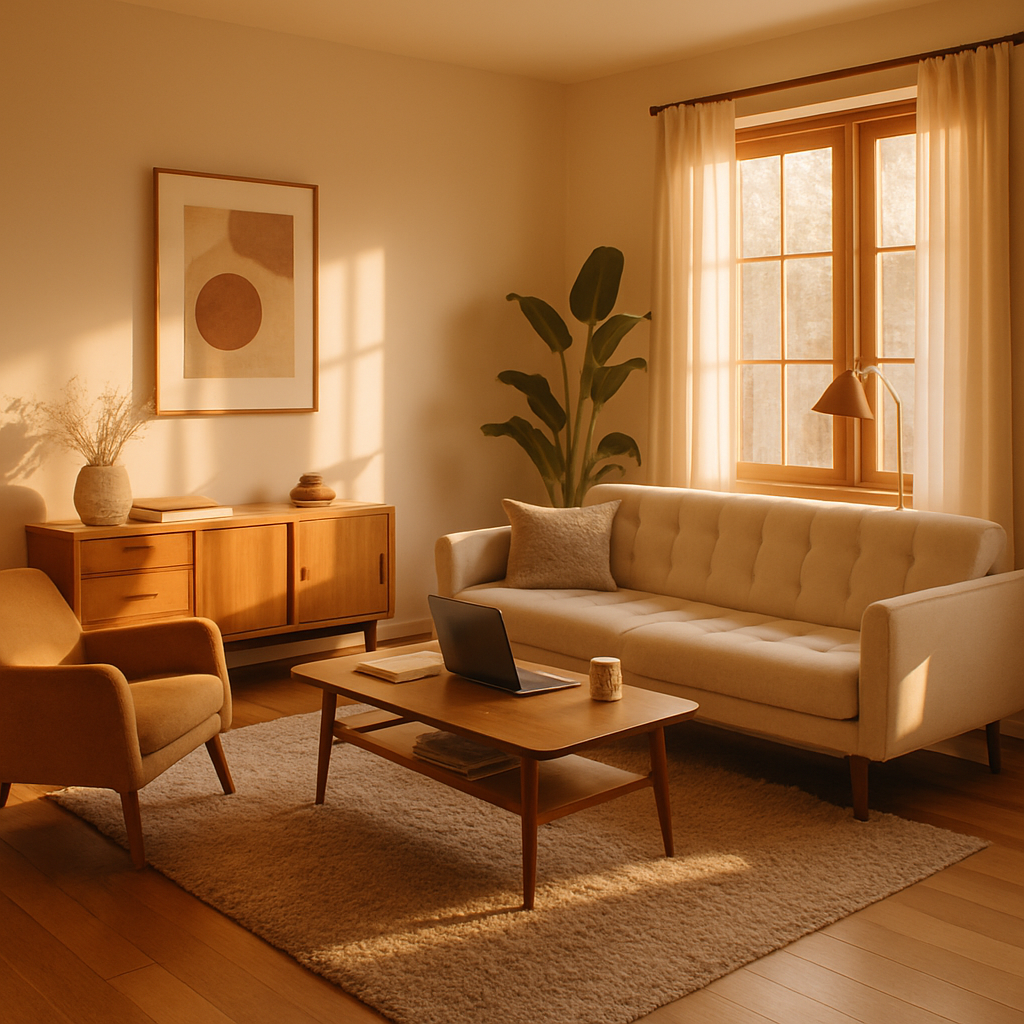
Imagine transforming a dull, uninspired room into a vibrant, functional space without ever leaving your home. This isn't a future fantasy; it's the present reality for many interior designers today. As remote work becomes increasingly normalized across industries, interior design careers are evolving rapidly to embrace this trend. According to a Houzz annual survey, over 30% of interior designers have adapted their practices to incorporate remote consultations and design services. In this article, we will delve into how you can embark on a successful remote interior design career, explore key trends shaping the field, and provide actionable strategies to get started today.
Understanding Remote Interior Design Careers
The rise of remote work has opened up new possibilities for interior designers, allowing them to reach clients globally from the comfort of their own studios. Remote interior design careers are not just about convenience; they are about tapping into a wider client base and leveraging digital tools to create engaging designs. Central to this shift is the use of technology to bridge the physical gap between designers and clients. Platforms like Zoom and collaborative tools such as Miro have become indispensable in conducting virtual consultations and presenting design concepts.
Moreover, remote design requires a unique set of skills distinct from traditional on-site design work. Designers must be proficient in digital communication, as well as adept at using design software to create detailed, visually appealing presentations. Tools like SketchUp and AutoCAD are essential for visualizing and planning spaces remotely. The ability to convey ideas clearly and effectively through these mediums is crucial for success in this domain.
In addition to technical prowess, soft skills such as adaptability and problem-solving are vital. Remote work presents its own challenges, such as time zone differences and communication barriers. Designers need to be flexible and resourceful to overcome these hurdles and maintain a high level of service. As the landscape of work continues to change, those who embrace these skills will find ample opportunities in the remote interior design field.
Analyzing the Market and Trends
The remote interior design market is thriving, driven by several key trends and demands. A significant factor is the increasing consumer preference for personalized and flexible interior design solutions. Recent research from the American Society of Interior Designers (ASID) shows that clients are more willing to engage with designers who offer tailored services that can be adjusted to fit their specific needs. This has led to a surge in demand for remote consultations and e-design services.
Another trend reshaping the industry is the growing awareness and importance of sustainable practices. Clients are now more eco-conscious than ever, seeking designs that incorporate sustainable and reclaimed materials. Designers who can integrate these elements into their remote offerings are well-positioned to capture this segment of the market. For instance, using biophilic design elements, which emphasize natural materials and indoor-outdoor flow, can significantly enhance the appeal of a space.
The integration of smart home technologies is also increasingly popular among clients. Remote designers who can advise on and incorporate smart systems-like automated lighting and climate controls-into their designs are seeing increased interest. According to an industry survey by Architectural Digest's AD PRO, over 25% of clients in 2023 requested smart home features in their redesigns. As this trend continues, how might you incorporate these technologies into your designs to meet client expectations?
Strategies for Launching Your Remote Career
Starting a remote interior design career requires strategic planning and execution. First and foremost, building a robust online presence is essential. This includes creating a professional website that showcases your portfolio, highlights your unique style, and provides a clear overview of your services. Platforms like Houzz and Pinterest are excellent for displaying your work and attracting potential clients. They also offer networking opportunities with other professionals in the field.
Another critical strategy is to establish a clear pricing structure. Remote interior designers typically charge a combination of flat fees and hourly rates, with the latter ranging from $150 to $500 per hour depending on experience and project complexity. Transparent pricing helps build trust with clients and sets clear expectations from the outset. Consider offering package deals for comprehensive design services, which can be more appealing to clients looking for a complete solution.
Finally, continuous learning is a cornerstone of success in remote interior design. Engaging with professional organizations such as the International Interior Design Association (IIDA) can provide valuable resources and networking opportunities. Additionally, pursuing credentials like the NCIDQ (National Council for Interior Design Qualification) can enhance your credibility and demonstrate your commitment to the profession. What steps will you take to ensure your skills remain sharp and relevant in this evolving field?
Expert Insights on Remote Design Success
Experienced professionals often note that the key to thriving in remote interior design lies in building strong client relationships. Despite the physical distance, maintaining regular communication and updating clients on project progress helps foster trust and satisfaction. Utilizing video calls and detailed progress reports can bridge the gap and keep clients engaged throughout the design process.
Another expert recommendation is to leverage AR/VR technologies for enhanced client presentations. These tools allow clients to virtually walk through their redesigned spaces, providing a more immersive experience than traditional 2D presentations. As technology advances, these tools are becoming more accessible and affordable, making them a worthwhile investment for remote designers looking to differentiate themselves.
Additionally, joining online communities and forums can provide a sense of connection and support. Engaging with other remote designers through platforms like Instagram and LinkedIn offers opportunities to share insights, troubleshoot challenges, and collaborate on projects. This sense of community can enrich your professional experience and provide inspiration for your designs. How might you harness these networks to enhance your career?
Building Depth in Your Design Practice
To truly excel in remote interior design, it is essential to build depth in your practice by specializing in niche areas. Whether it's focusing on sustainable design, smart home integration, or minimalist aesthetics like Japandi, honing a specific skill set can set you apart from competitors. Specialization allows you to become a go-to expert in that area, attracting clients who are specifically interested in those design elements.
Furthermore, consider expanding your service offerings to include virtual staging and consulting. As the real estate market increasingly relies on digital platforms for property sales, virtual staging can significantly enhance the appeal of a property listing. By offering this service, you can tap into a new revenue stream and provide added value to clients looking to sell or rent their properties.
Finally, staying informed about industry trends and consumer preferences is crucial. Subscribing to publications like Architectural Digest and following key influencers on social media can provide valuable insights into emerging trends and innovative design solutions. This ongoing education ensures that your designs remain fresh and relevant, appealing to a diverse clientele.
Final Perspectives on Remote Interior Design
As the future of work continues to unfold, remote interior design offers exciting opportunities for those willing to adapt and innovate. The ability to work from anywhere, collaborate with clients globally, and utilize cutting-edge technology positions remote designers at the forefront of the industry. However, this new way of working also demands a high level of self-discipline and a proactive approach to client engagement.
Reflecting on your own career goals, consider how remote work aligns with your lifestyle and aspirations. Are you ready to embrace the flexibility and challenges that come with working remotely? By leveraging the strategies and insights discussed in this article, you can build a successful remote interior design career that not only meets your professional objectives but also enriches your clients' lives with inspiring, functional spaces.
Conclusion: Take the First Step Toward Your Remote Career
The future of interior design is undoubtedly remote, and there's no better time than now to start your journey. Begin by enhancing your digital skills, building a compelling online portfolio, and networking with industry professionals. Explore platforms like Houzz to showcase your work and connect with potential clients. Remember, every great design career starts with a single step. Start by browsing portfolios on Houzz this week-spending even 20 minutes on research will sharpen your eye for what you want. Are you ready to shape the future of interior design from your own home?



Comments
Post a Comment