Outdoor Sink Hot Water Hookup Versus Cold Only
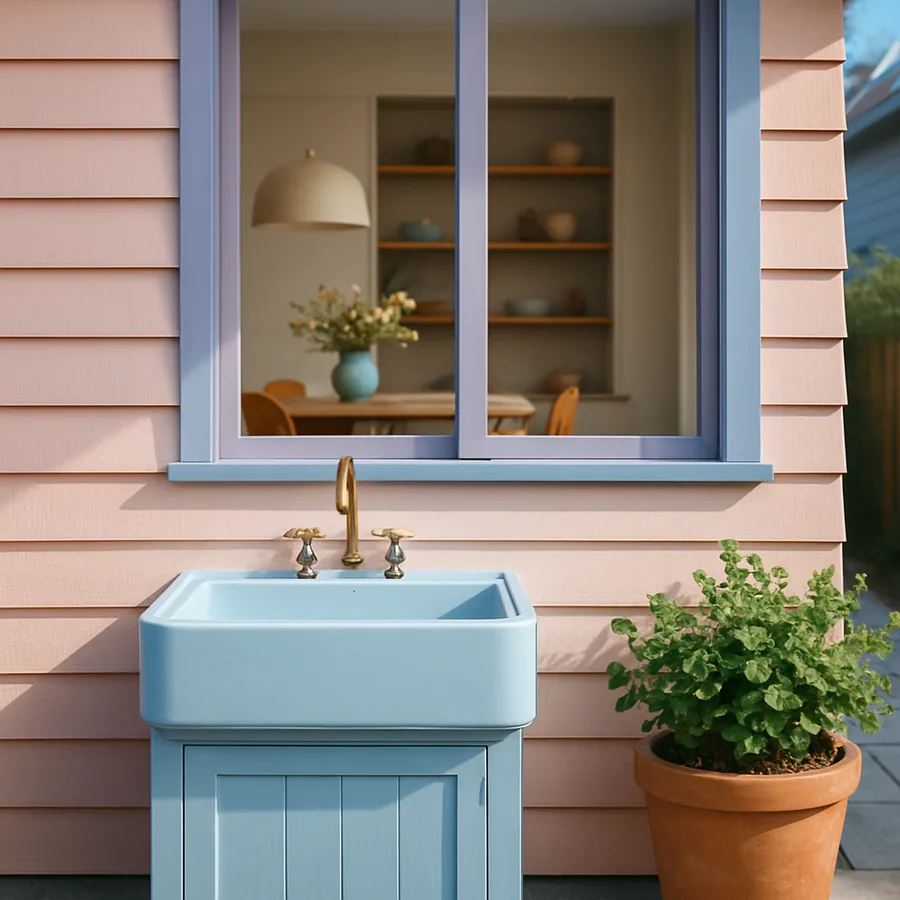
An outdoor sink is one of those upgrades that, once installed correctly, you cannot imagine living without. It saves countless trips into the house with messy hands, dirty produce from the garden, and grill tools that should never share a sink with your morning coffee mug. The question almost every homeowner faces, however, is whether to bring only a cold water line out to the sink or to invest in the additional plumbing, insulation, and code work needed to run both hot and cold supplies. The answer is not the same for everyone, and the wrong choice can mean either burst pipes in February or an outdoor sink that never quite gets used the way you imagined.
According to multiple National Association of Home Builders (NAHB) homeowner studies, outdoor sinks now appear in roughly one out of every four newly built outdoor kitchens in the United States, and the share is rising. As outdoor cooking spaces grow into full cooking studios, the sink becomes a workflow hub. Whether that hub needs hot water depends on how you actually cook, how cold your winters get, and how willing you are to manage seasonal shutdowns.
What An Outdoor Sink Is Actually Used For
Before you decide on hot water, it pays to be honest about how the sink will see daily use. There are four broad patterns, and most homeowners fall into one or two of them.
- The garden sink: rinsing vegetables, cleaning muddy boots, filling watering cans, occasional hand-washing
- The grill sink: rinsing utensils, soaking grill grates, filling drip pans, washing hands between food handling tasks
- The entertainer sink: filling pitchers, rinsing glassware, hosing off serving platters during parties
- The full outdoor kitchen sink: handles all of the above, plus dish prep, pot soaking, and post-meal cleanup
Only the last two patterns benefit substantially from hot water. A garden sink almost never needs it. A grill sink can usually get by without it, because grease cuts better with degreaser and a stiff brush than with hot tap water. But the moment you start doing real prep and real cleanup outdoors, the absence of hot water becomes a daily friction. Have you ever tried to scrub baked-on fond off a sheet pan with a garden hose in October? It is not an experience anyone repeats willingly.
The True Cost Difference Between Cold-Only And Hot-And-Cold
Plumbers price outdoor sink installations across a wide range, but the structural cost difference between a cold-only and a hot-and-cold installation tends to follow a predictable pattern. A cold-only outdoor sink, tapped from an existing exterior hose bibb or interior cold line, typically adds a modest premium over the sink and faucet themselves. The contractor runs one supply line, installs one shutoff, and provides a drain path. The drain is often the most expensive single element, particularly if it must be tied into the home's sanitary sewer rather than discharged as graywater.
Adding hot water roughly doubles the supply-side scope. The plumber now runs two insulated lines from the home's water heater or a nearby hot supply, installs two shutoffs accessible from inside the house, and must address freeze protection on both lines. In most regions, the all-in upcharge for hot and cold over cold-only is meaningful but not prohibitive, often falling somewhere in the range of one to three thousand dollars depending on distance from the water heater, wall and slab penetrations, and whether the work is done as part of new construction or as a retrofit.
The hidden cost is energy. According to the U.S. Environmental Protection Agency (EPA), water heating accounts for roughly 14 to 18 percent of the average American household's energy bill. Each additional hot water fixture, particularly one located far from the heater, adds standby losses in the supply line and increases the volume of cooled water that must be flushed before hot arrives at the tap. You can read more about residential water heating efficiency at the EPA's WaterSense program page at epa.gov/watersense.
Freeze Risk And Climate Realities
The single most consequential factor in this decision is your climate. Outdoor plumbing is unforgiving of freeze damage. A burst supply line behind a stone veneer outdoor kitchen wall is not a quick repair, and the water damage can cascade through interior walls if the failure point is near a penetration into the house.
The Insurance Institute for Business & Home Safety reports that frozen pipe claims are among the most common and costly cold-weather property losses, with average claim payouts running into the tens of thousands of dollars when interior damage is involved. Outdoor sink lines are particularly vulnerable because they often run through unheated cavities and emerge into open air.
Three climate categories shape the right approach:
- Mild climates with no sustained freezing: hot and cold can be left active year-round with minimal precautions
- Moderate climates with occasional hard freezes: both supplies need accessible interior shutoffs, drain-down valves, and insulation on exposed runs
- Cold climates with prolonged sub-freezing winters: full seasonal shutdown is mandatory, and the plumbing must be designed from the start to drain completely
In cold climates, the seasonal shutdown ritual is not optional. Each fall, you close the interior shutoffs, open the outdoor faucet, open the drain-down valves on each supply line, and verify that water has fully evacuated. Done correctly, this is a 15-minute task. Done incorrectly or skipped, the cost is a plumber, a wet ceiling, and a long argument with your insurance carrier.
Code, Backflow, And Drainage Requirements
Outdoor sinks fall squarely under the jurisdiction of the local plumbing code, which in most U.S. regions is based on either the Uniform Plumbing Code published by the International Association of Plumbing and Mechanical Officials (IAPMO) or the International Plumbing Code. Both codes require backflow prevention on outdoor fixtures, because an outdoor sink, garden hose, or wash basin can introduce contaminants into the potable water supply if pressure in the main drops unexpectedly. You can find general information about plumbing codes from IAPMO at iapmo.org.
Backflow prevention can take several forms. The simplest is an anti-siphon hose bibb on the cold supply, which is cheap, code-compliant for many garden sink applications, and easy to retrofit. For a full hot-and-cold outdoor sink with a real faucet, however, the more typical solution is a backflow preventer installed inside the house, before the lines exit the building envelope. This device must be accessible for testing, and some jurisdictions require annual certification.
Drainage is the other major code consideration. Many homeowners and even some contractors assume that an outdoor sink can simply drain to the lawn or to a gravel pit. That assumption is increasingly wrong. In most jurisdictions, any fixture that is connected to the potable water supply is considered a plumbing fixture and must drain to a sanitary sewer or an approved septic system. Some areas allow graywater discharge with a specific permit and a properly designed drainfield, but a casual graywater pipe to the rose bushes is rarely legal. Confirm the local rule before the trench is dug.
Faucet, Material, And Fixture Choices
The fixtures you select matter as much as the supply behind them. Indoor faucets are almost universally inappropriate for outdoor use. The internal cartridges, springs, and rubber gaskets in residential faucets are not rated for UV exposure, freeze-thaw cycling, or the chloride-rich air found near coastal installations or pool decks. Within a few seasons, indoor-rated faucets stiffen up, corrode visibly, and start to leak.
For an outdoor sink with hot and cold, look for:
- 316-grade stainless steel bodies, which resist chloride pitting
- Ceramic disc cartridges with a freeze-tolerant design
- Hose-thread aerators that allow easy attachment of fill hoses
- Removable handles or insertable winterization caps that simplify seasonal drain-down
Sink basin material follows similar logic. Marine-grade stainless steel is the standard for outdoor use because it withstands food acids, freeze cycles, and direct sun without degrading. Powder-coated and enameled basins look beautiful in showroom photos but tend to chip and rust at the edges within a few seasons of real use. Whichever basin you choose, plan for the drain to sit a half inch below the lowest finished counter point, so puddled water flows reliably into the basin rather than pooling on the counter.
Tankless And Point-Of-Use Hot Water Alternatives
For homeowners who want hot water at the outdoor sink but balk at the cost or freeze risk of running a long supply line from the main water heater, point-of-use hot water options have matured into legitimate alternatives. A small electric tankless heater installed in a weatherproof exterior enclosure or in an adjacent utility cabinet can deliver hot water on demand to a single fixture, eliminating the standby losses of a long supply run.
Electric tankless units sized for a single sink typically draw 30 to 50 amps at 240 volts, which is a meaningful electrical load and often requires a dedicated circuit and panel capacity that the home may not have to spare. Gas tankless options exist as well, but the venting requirements for combustion appliances make them less suitable for retrofit into a tight cabinet. A third path is a small storage-tank water heater, sometimes called a mini-tank, sized at four to ten gallons, which provides hot water without continuous high-amperage draw and recovers between uses.
Whichever point-of-use option you choose, the freeze risk on the outlet side of the heater is the same as any other outdoor hot supply line. You still need accessible shutoffs, drain-down provisions, and seasonal winterization in cold climates. The advantage is simply that the supply run is much shorter, which reduces both the volume of water exposed to freezing and the cost of insulating it.
When Cold-Only Is The Smart Answer
Despite the convenience of hot water, cold-only is the right answer for a significant share of outdoor sink projects. The clearest cases include:
- Pure garden sinks located away from the main outdoor kitchen and used primarily for rinsing produce and hands
- Retrofits with long, expensive runs from the water heater, where the hot supply would arrive lukewarm and slow
- Vacation homes that sit empty for months and would otherwise require a more elaborate winterization routine
- Climates with deep, sustained winters where the marginal benefit of hot water does not justify the doubled freeze exposure
Even in a hot-and-cold-capable outdoor kitchen, a separate cold-only utility sink elsewhere on the property is often a useful addition. A simple wall-mounted hose bibb sink near the garden, with a stainless basin and a strainer drain, costs little to install and handles the daily mess of muddy boots, dog baths, and harvested vegetables without complicating the main kitchen design.
Are you really going to wash dishes outside, or will the warm pots end up traveling inside anyway? Be honest about your habits before you spend on the extra supply. Many homeowners assume they will cook full meals outside and only later realize that most of their actual dishwashing still happens at the indoor sink, where the dishwasher is.
Conclusion
The hot water question for an outdoor sink is really a question about how the sink will fit into your real-life cooking and cleanup patterns, weighted by your local climate and your tolerance for seasonal maintenance. If you grill seriously, host often, and live somewhere that experiences only mild freezes, the upgrade to hot and cold supply is almost always worth the cost. The friction of cleanup drops dramatically, and the sink becomes a true working fixture rather than an occasional rinse station.
If your outdoor space leans toward gardening, kid play, and light entertaining, or if you live somewhere with long, hard winters and limited appetite for winterization rituals, cold-only is a perfectly respectable choice. It is faster to install, cheaper to run, less prone to catastrophic freeze damage, and more than sufficient for the actual jobs most outdoor sinks handle.
Whichever path you choose, do not skimp on the elements that protect the rest of the house. Backflow prevention, accessible interior shutoffs, drain-down valves on every exposed run, and proper sanitary drainage are not negotiable. These details cost relatively little to include during installation and a great deal to retrofit after a problem. Before any plumbing is roughed in, confirm your local code requirements with the building department and a licensed plumber, get the design in writing, and only then commit to hot, cold, or both. The outdoor sink that gets used every day is the one that was designed around how you actually live, not how the catalog imagined you would.
More Articles You May Like



Comments
Post a Comment