Outdoor Ceiling Fan Wet Versus Damp Rated Differences
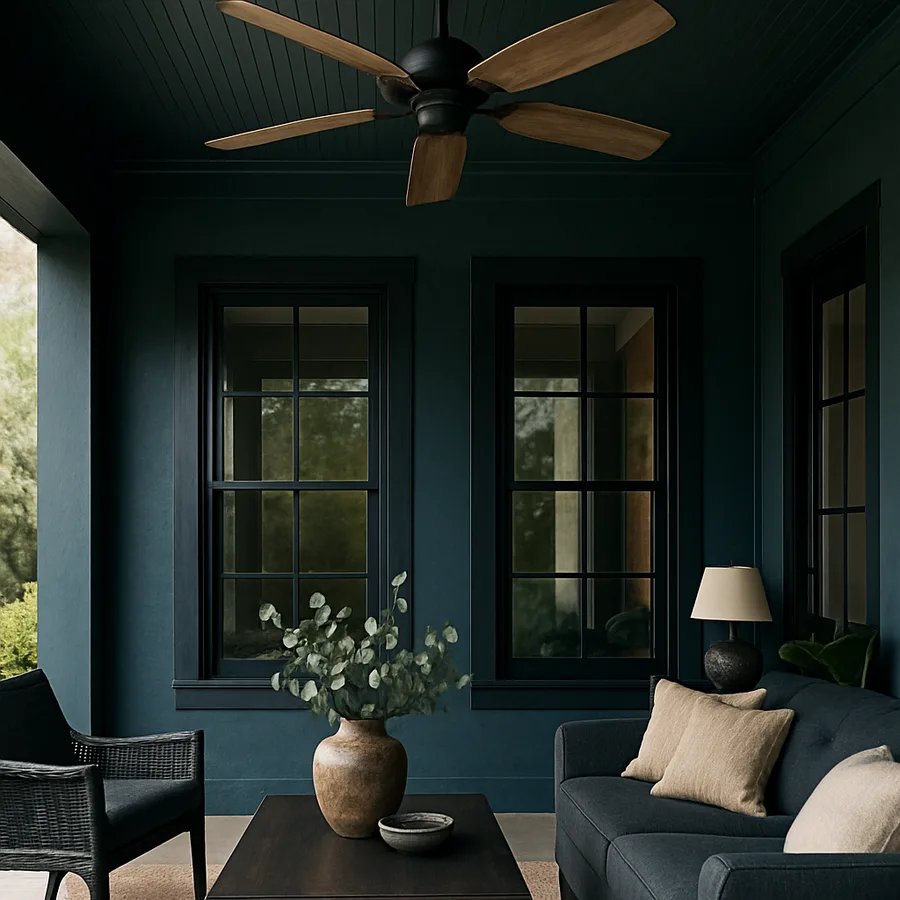
An outdoor ceiling fan looks almost identical to an indoor one until weather tests it. The hidden engineering that separates a wet-rated fan from a damp-rated fan determines whether the unit lasts five summers or fails in its first humid season. Shoppers routinely buy the wrong rating because the visual cues are subtle and the language on the box uses technical shorthand. The cost of guessing wrong is not just a dead fan; it is a potential electrical hazard wired into a ceiling that sees rain.
This guide breaks down what each rating means, where the certification comes from, how the construction differs, and how to match the rating to the exact spot where the fan will hang. Whether you are upgrading a screened porch or planning an open-air pergola, the wet-versus-damp decision should be the first one you make, well before brand, blade count, or finish.
What the Ratings Actually Certify
The wet, damp, and dry ratings on a ceiling fan are not marketing language. They come from UL safety testing standards that govern how electrical fixtures perform under different moisture conditions. A dry-rated fan is approved for fully enclosed interior spaces only. A damp-rated fan is approved for spaces that experience humidity, condensation, and indirect moisture, but never direct water contact. A wet-rated fan is approved for direct exposure to rain, snow, and sprinklers without sustaining electrical or mechanical damage.
Each rating reflects a specific construction standard. Damp-rated fans use moisture-resistant motors, sealed switch housings, and corrosion-treated hardware suited to a covered porch or sunroom. Wet-rated fans go several steps further: fully sealed motors, stainless steel hardware, marine-grade finishes, and blades made from materials that cannot absorb moisture and warp. The UL listing printed on the underside of the canopy is the document that proves the construction meets the standard. Without that listing, the words "outdoor" or "weather-resistant" on the packaging are decorative, not certified.
How do you know which rating you have once a fan is installed? The data plate near the mounting bracket lists the UL listing and the rating in plain text. If it says "Suitable for Damp Locations" or "Suitable for Wet Locations," the rating is documented. If the plate is missing, faded, or absent, the fan should be treated as dry-rated until proven otherwise - meaning it should not be in any outdoor location at all.
Damp-Rated Construction and Where It Belongs
A damp-rated fan is built for the gray zone between indoor and outdoor - the porches, three-season rooms, breezeways, and covered patios where direct rain will not reach the fan but ambient humidity is significant. The motor housing is usually sealed with gaskets to keep airborne moisture out of the windings. Switches and pull chains are housed in moisture-resistant compartments. Blades use treated wood, sealed composite, or ABS plastic that resists swelling. Hardware is plated or coated to slow corrosion, though not always to marine standards.
Damp-rated fans cost less than wet-rated equivalents because the construction is less expensive. They are appropriate under fully covered porches where overhangs extend well past the fan location and prevailing rain cannot blow sideways onto the unit. They are also appropriate in sunrooms, enclosed lanais with screened windows, and indoor pool areas that maintain high humidity. They are not appropriate anywhere a fan can be directly rained on or splashed by sprinklers, even occasionally.
The most common mistake with damp-rated fans is treating "covered" as universally safe. A patio cover that is high, partial, or has gaps at the edges will allow wind-driven rain to reach the fan. Damp-rated motors exposed to direct water can short, seize, or rust internally within a single season. If your covered area sees any sideways rain, the fan is in a wet location, not a damp one, regardless of what the porch ceiling looks like overhead.
Wet-Rated Construction and Where It Belongs
A wet-rated fan is engineered to handle direct water contact without electrical or mechanical failure. Motors are fully encapsulated with internal seals and external gaskets, often with weep holes positioned to drain rather than trap water. Blades are made from marine-grade composite, sealed ABS, or all-weather plastic that will not absorb water, warp, or peel. Hardware is typically stainless steel or heavily plated to resist salt and rain. Wiring connections inside the canopy are protected with additional sealing to prevent capillary moisture migration.
Wet-rated fans belong in uncovered or partially covered outdoor spaces: open pergolas, gazebos with slatted roofs, exposed patios, pool decks, and any porch where wind-driven rain regularly reaches the ceiling. They are also the correct choice for coastal homes where salt-laden air accelerates corrosion of any less-protected hardware. The ENERGY STAR program certifies efficient fans in both damp and wet categories, so paying for the higher rating does not require sacrificing efficiency.
The downside of wet-rated fans is cost and weight. Sealed motors and marine hardware add 25 to 50 percent to the price compared to a similar damp-rated fan. The construction is also typically heavier, which means the support bracket and electrical box must be rated for the load. A standard ceiling junction box is often inadequate; the National Electrical Code requires a fan-rated outlet box capable of supporting at least 35 pounds for fans up to 35 pounds, with a labeled box required above that weight. Installers who skip this step in the name of cosmetics create a real safety problem.
How to Diagnose the Location Honestly
Choosing the right rating starts with describing the location truthfully. Walk under the proposed fan spot during the next steady rain. Stand directly where the fan will hang and observe whether any rain reaches you over the course of fifteen minutes. If even a few drops land on your shoulders, the location is wet, not damp. Watch for wind direction during typical summer storms in your area; a porch that is covered for southern rain may be exposed to northern rain entirely.
Check the height and width of the overhead cover. A roof that extends only one or two feet past the fan location does little against wind-driven rain. A roof that extends six feet or more typically protects the fan unless the storm angle is extreme. Examine the floor below the fan after several storms; if the floor stays dry, the ceiling stays dry. If the floor shows water stains, splash marks, or moss, the ceiling sees moisture too.
Coastal homeowners should default to wet-rated even under deep cover, because salt aerosol behaves like a fine mist that penetrates any space with airflow. Pool-area fans should always be wet-rated due to chemical-laden splashes and constant humidity. Anyone uncertain about classification is almost always better off paying the wet-rated premium; the cost difference rarely exceeds $100 to $200, while replacing a failed fan and repairing water damage runs much higher.
Installation and Code Considerations
Even the correctly rated fan can fail prematurely if installation does not match the environment. Outdoor fans require a weatherproof electrical box rated for the fan's weight and for outdoor use. Romex cable, common in indoor installs, is not appropriate for outdoor exposed runs; outdoor-rated cable or conduit is required where wiring contacts any wet location. Wire nuts inside the canopy should be filled with dielectric grease to prevent moisture-driven corrosion at the splice, a step almost universally skipped by hurried installers.
Mounting hardware should always be at least the rating of the fan itself. A wet-rated fan installed with the original interior bracket loses much of its weather protection at the point most exposed to moisture, the ceiling-fan interface. Use the manufacturer-supplied outdoor bracket or a UL-listed equivalent. For fans installed in screened porches with no roof penetration, ground all metal components properly to handle any conductive moisture pathway. Local codes vary, and the National Electrical Code section on wet-location wiring is the authority your inspector will reference.
Maintenance differs by rating too. Damp-rated fans benefit from a yearly inspection of the motor housing for any visible corrosion at vent slits or fastener heads. Wet-rated fans need their weep holes cleared annually, since debris can block drainage and trap water inside the motor - the opposite of what the design intends. Blade balance should be checked seasonally on any outdoor fan; thermal expansion and humidity cycling can shift blade weight over time and create wobble that stresses the bearings.
Cost, Lifespan, and Long-Term Value
The price difference between a damp-rated and wet-rated fan of similar size and feature set is real but usually modest. Damp-rated fans of decent quality sit in the $150 to $350 range. Comparable wet-rated fans sit in the $250 to $500 range. Marine-grade and luxury wet-rated fans for coastal applications can climb past $700, but most homeowners are choosing within that mid-range bracket. According to industry survey data tracked by the American Lighting Association, outdoor ceiling fan sales now represent roughly 18 percent of the residential ceiling fan market, up from under 10 percent a decade ago, reflecting how much outdoor living has expanded the category.
Lifespan varies dramatically with correct rating choice. A damp-rated fan correctly installed under deep cover often runs ten years or more with only blade cleaning and occasional bearing lubrication. The same fan installed in a wet location can fail in two to three seasons, with motor failure being the most common end. A wet-rated fan correctly installed in an exposed location typically matches the damp-rated lifespan, occasionally exceeding fifteen years in non-coastal climates. Pay-back math therefore favors the higher rating whenever the location classification is even ambiguous.
Resale appeal also rewards proper rating. Home inspectors flag indoor or unrated fans in outdoor spaces as an electrical concern, and buyers increasingly notice the difference. A correctly rated outdoor fan with visible UL listing communicates that the seller paid attention to the small details, while a corroded or undocumented fan signals deferred maintenance throughout the home. Which spaces in your outdoor living areas could pass a casual inspection by someone reading the data plate?
Conclusion
Wet-rated and damp-rated ceiling fans look similar on the showroom floor but represent two distinct engineering standards. Damp-rated fans handle humidity and indirect moisture; wet-rated fans handle direct water exposure. Choosing the wrong rating saves a small amount of money upfront and costs significantly more in early replacement and potential safety risk. The decision is not aesthetic, it is environmental - describe the location honestly and pick the rating that matches.
The fastest way to get this right is to inspect the proposed fan location during a real storm before buying. Check whether wind-driven rain reaches the spot, how deep the overhead cover extends, and whether coastal salt or pool chemistry is in play. If any of those factors raise concern, default to wet-rated even if the difference adds a few hundred dollars to the project. Combine the correct rating with a UL-listed outdoor electrical box, weather-rated wiring, and dielectric grease at every splice for installation that lasts.
Maintenance separates a long-lived outdoor fan from a short-lived one regardless of rating. Inspect motors, clear weep holes, check blade balance, and verify hardware integrity each year. These steps cost almost nothing and add years to the fan's useful life. Treat the UL data plate as a permanent reference and replace it visibly if it ever fades, since future owners or electricians may rely on that label to make safe decisions about the circuit.
If you are planning new outdoor living space or rehabilitating an existing porch, decide the rating before anything else. Walk the space in a rainstorm, classify it honestly, and shop only fans whose UL listing matches that classification. One careful decision at the start saves seasons of frustration later and protects everyone who eventually sits under that fan.
For homeowners weighing several options, the practical takeaway is to think about the worst weather the location sees, not the average. A porch that is dry 95 percent of the year still needs equipment rated for the 5 percent of days that include sideways rain or a major storm, because those are the days that cause the failures. Outdoor fans live through hundreds of weather cycles a season, and one short failure incident can undo years of trouble-free service. Match the rating to the extremes, not the calm afternoons, and the fan will perform consistently through both.
More Articles You May Like



Comments
Post a Comment