Underline Cabinet Lighting Hardwired Versus Plug In
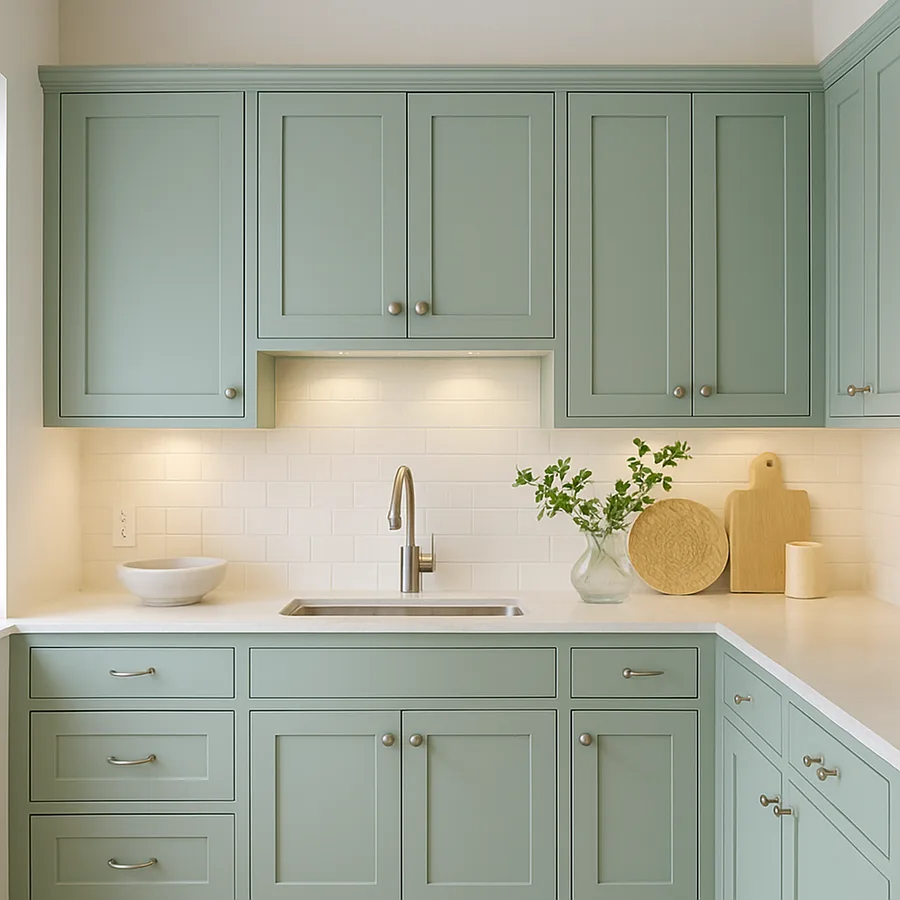
Choosing between hardwired and plug in under cabinet lighting is one of those decisions that quietly shapes how a kitchen performs for the next decade. Both approaches use the same LED technology at the diode level, but everything around them, including wiring path, switching, dimming, lifespan, and resale perception, diverges sharply. The American Lighting Association reports that under cabinet task lighting is now installed in more than seventy percent of new kitchen builds, which means the question is no longer whether to add it, but how.
This article walks through the real-world differences. We will compare upfront cost, ongoing reliability, code compliance, dimming behavior, color quality, lumen output per linear foot, and the resale impact of each option. By the end you will know which fits a rental retrofit, which belongs in a forever home, and which to specify if you ever plan to sell the property. Have you ever lived with a kitchen where the under cabinet lights cast a yellow streak across the backsplash instead of a clean wash? Your installation method has more to do with that than the fixture itself.
How The Two Systems Actually Differ
A hardwired system runs Romex from a switched circuit in the wall, through the upper cabinet structure, and into a low-profile fixture or LED tape channel mounted to the underside of the cabinet box. The wiring is hidden, the switch lives on the wall, and the system is treated as a permanent part of the home. A plug in system, by contrast, uses a power cord that drops from the fixture to a nearby outlet, sometimes through a small hole drilled in the cabinet, and operates from a switch on the cord or a remote.
The visual outcome can look identical, but the installation labor is not. Hardwired projects require a licensed electrician in most jurisdictions, and the work usually involves opening drywall to fish a cable from the nearest switched circuit. Plug in systems are user-installable in an afternoon. The National Electrical Code permits both approaches, but section 210 governs the receptacle placement, and you must verify that any outlet feeding a plug in strip is on a small appliance branch circuit if it sits within the kitchen counter area.
Color quality and dimming behavior depend more on the fixture than the wiring method. Both options can deliver a 2700K to 3000K warm white at a color rendering index above ninety, and both can be dimmed with the right driver. The difference shows up in how cleanly the system is controlled. Hardwired systems pair with in-wall dimmers and feel like part of the architecture. Plug in systems usually rely on inline rotaries or remotes, which work fine but always look a bit aftermarket.
Upfront Cost And Installation Time
A plug in installation for a typical eight-foot run of upper cabinets runs between one hundred and two hundred dollars in materials and takes one to two hours of work. You buy a kit, mount the bars with included clips, route the cord behind the cabinet face, and plug it in. There is no permit, no inspection, and no electrician invoice. For a rental kitchen or a starter home, this is genuinely the right answer.
A hardwired installation for the same run costs between five hundred and twelve hundred dollars depending on labor rates and whether walls need to be opened. The fixture itself may only run two hundred to four hundred dollars, but the electrician time to pull a switched feed and mount the dimmer typically adds three to eight hours of billed labor. The Department of Energy notes that hardwired LED fixtures generally carry better lifetime ratings, often two to three times that of plug in puck systems, which partially offsets the higher install cost.
Permits matter. Most municipalities require an electrical permit for new branch circuits and dimmer additions, even if the work is technically simple. Skipping the permit on a hardwired job can complicate a future home sale, because inspectors flag unpermitted work during pre-listing reviews. A plug in system is treated as a portable appliance and needs no permit, which is one of its quietest but most practical advantages.
Light Quality Dimming And Lumen Output
The lumen target for kitchen task lighting is roughly three hundred lumens per linear foot at the counter, per Illuminating Engineering Society recommended practice for residential interiors. Most quality fixtures in both categories meet or exceed this. The difference is consistency. Hardwired LED bars are typically engineered as one continuous run with shared driver electronics, so the light feels even from end to end. Plug in puck arrays have visible bright spots between the pucks unless they are densely spaced.
Dimming is where hardwired systems pull ahead decisively. A wall dimmer with an ELV or forward-phase driver matched to the fixture delivers a smooth curve from one hundred percent down to roughly five percent output, with no flicker and no audible buzz. Plug in dimmers, especially the inline thumbwheel style, tend to dim only down to about thirty percent and often flicker at the bottom of their range. ENERGY STAR certification specifies dimming smoothness as a performance criterion, and reading the spec sheet before you buy is the single most useful thing you can do.
Color rendering depends on the bin. Anything below CRI 90 will look acceptable on white walls but will dull the color of fresh produce and skin tones. The American Lighting Association recommends CRI 90 or higher for any task lighting in a kitchen or bathroom. Both wiring methods can deliver this; it is purely a fixture-selection issue. Have you ever wondered why a friend's kitchen feels appetizing at dinner and yours does not? It is almost always the under cabinet CRI.
Lifespan Reliability And Long Term Performance
LED diodes themselves last fifty thousand hours or more, but the supporting electronics rarely last that long. Hardwired systems have a single high-quality driver that can be replaced without disturbing the fixture. Plug in systems often integrate the driver into the fixture housing, so when the driver fails the entire bar gets discarded. This is a real long-term cost difference that does not show up in the purchase price.
Heat management favors hardwired bars too. The aluminum extrusion of a quality hardwired fixture doubles as a heatsink and runs cool to the touch. Plug in pucks are smaller and run hotter, which shortens diode life and shifts the color temperature over time. After three to five years, many plug in puck arrays develop a visible color mismatch between the original and replacement units, while hardwired bars age evenly.
Failure mode matters. When a hardwired bar fails, only that section goes dark and the rest of the run continues until the driver is replaced. When a plug in puck array fails, often the cord, the switch, or the inline transformer is the culprit, and locating the failure is a frustrating process of swapping components. According to data published by the Department of Energy on solid state lighting reliability, the integrated driver is the single most common failure point in LED fixtures regardless of wiring method.
Resale Value And Buyer Perception
When a buyer walks into a kitchen and sees a clean wall-switched under cabinet glow, the room reads as designed. When they see a cord snaking down to a counter outlet, the room reads as updated. Both add value, but they signal different things. Real estate professionals tracked by the National Kitchen and Bath Association consistently rate hardwired layered lighting as a feature buyers notice positively during showings, while plug in setups are seen as a tenant or DIY improvement.
The price premium is real but modest. In comparable kitchen comps, hardwired under cabinet lighting adds roughly the same value as a high-end faucet upgrade, which is to say it accelerates the sale more than it raises the price. A plug in system, by contrast, is essentially neutral on appraisal but improves the listing photos enormously, which is itself a sales advantage. If you are buying for a flip or staging, plug in is the right economic answer.
The break-even calculation depends on how long you plan to stay. If you will live in the home more than seven years, hardwired pays back in better light, lower failure rate, and resale lift. If you are in a shorter horizon, plug in delivers ninety percent of the visible benefit at a quarter of the cost.
How To Decide For Your Specific Kitchen
Start with three questions. How long do you plan to live in this home? Are the walls open or already finished? Do you want true dimmer control from a wall switch? If you answer ten or more years, open walls, and yes to dimming, hardwired is the clear choice. If you answer under five years, finished walls, and a remote is fine, plug in is the smarter use of your money.
Consider a hybrid approach for kitchens with mixed cabinet runs. Hardwire the main work zone over the primary counter where you actually prep food, and use a plug in accent strip over a less-used run such as a beverage area or a corner pantry. This delivers the best of both worlds: code-clean primary lighting and easy add-on accents you can change later without an electrician.
Whatever you choose, specify the fixture before the wiring method. Pick a 2700K to 3000K bar with CRI above ninety and a documented dim curve. Then decide how to deliver power to it. The fixture quality determines what you see at the counter every day. The wiring method determines what you experience when you flip the switch and when you list the house.
Real World Failure Stories And What They Teach
The clearest way to understand the trade-offs between hardwired and plug in is to look at how each system actually fails in real kitchens. Plug in pucks most commonly fail at the inline transformer, which is a small black box on the cord that converts line voltage to twelve or twenty-four volts. The transformer sits in a warm spot under the cabinet, runs continuously when the system is on, and typically has a service life of three to seven years. When it dies, the entire run goes dark at once, and the user has to crawl behind the cabinet to identify and replace it.
Hardwired bars fail differently. The most common failure point is the driver, which is usually a remote unit mounted in a junction box or above a ceiling tile. Drivers fail less often than plug in transformers because they run cooler and carry better thermal management, but when they do fail, the replacement is more involved and usually requires an electrician. The American Lighting Association industry data indicates that hardwired LED driver replacement averages between one hundred and fifty and three hundred dollars in parts and labor, while a plug in transformer replacement averages thirty to seventy dollars in parts and is user-installable.
The second most common failure for both systems is mechanical: the strip itself peels off the cabinet, often years after install, because the original adhesive tape lost its grip in the kitchen heat and humidity. This is the easiest failure to prevent. Specify a fixture with screw-mounted clips or use an aluminum channel that mechanically secures the strip rather than relying on adhesive alone. The Illuminating Engineering Society notes that mechanical mounting can extend the useful life of an installation by a factor of two or more.
Conclusion
Hardwired versus plug in is not a question of which is better in the abstract. It is a question of which is right for your home, your timeline, and your tolerance for installation work. A premium plug in system in a well-designed kitchen will outperform a cheap hardwired install every day of the week, because the fixture and the dimmer matter more than the conduit. Lead with the fixture choice, then work backward to the power delivery method.
The five-year cost picture is closer than most buyers expect. A hardwired system runs three to six times the upfront cost but lasts roughly twice as long and dims more cleanly. Across a decade, the cost per usable hour of light is similar, and the perceived quality is consistently higher. Across a single rental cycle or a flip, the plug in math wins decisively.
Use your specific situation to choose. Walk through your kitchen at three different times of day and identify the dimmest spots. Decide whether you want one switch or several. Talk to a licensed electrician about the cost of pulling a feed, because that number varies enormously by region and wall accessibility. Then make the call that fits your home rather than the call that fits a magazine.
Take the next step today. Measure your cabinet run, count the number of switched zones you want, and request quotes from at least two licensed electricians if hardwired is on the table. Cross-reference your fixture spec sheets with the ENERGY STAR residential lighting database, review the Illuminating Engineering Society recommended practice for residential interiors, and consult American Lighting Association resources before you place a single order.
More Articles You May Like



Comments
Post a Comment