Wine Refrigerator Dual Zone Temperature for Reds and Whites
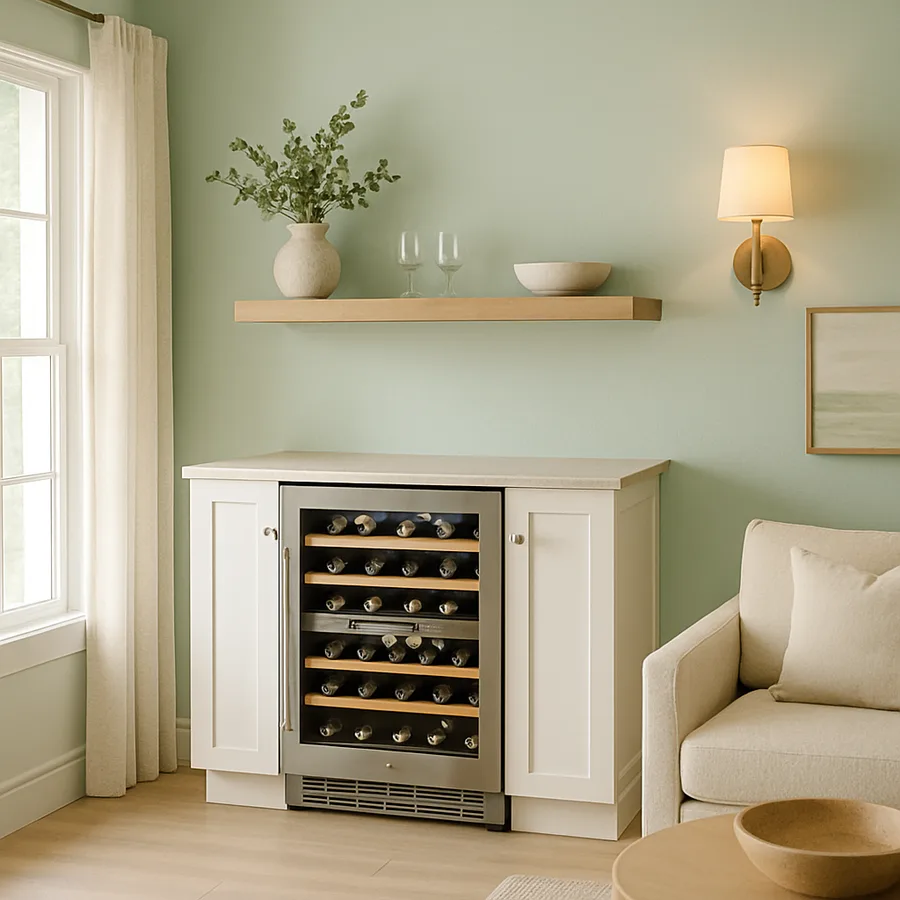
A dual zone wine refrigerator solves a fundamental problem in any serious home wine collection: reds and whites simply do not want to be stored at the same temperature. A single-zone unit forces a compromise that leaves Cabernet Sauvignon a touch too cold or Chardonnay a touch too warm, neither of which delivers the wine at its best. The dual zone format gives each style its own climate, dramatically improving both serving readiness and long-term aging potential. The category has matured significantly in the last few years, with even mid-range units now offering precise digital controls and quality components.
This guide walks through the temperature science, capacity planning, humidity control, vibration considerations, and installation logistics that go into selecting and operating a dual zone wine fridge in a built-in kitchen or bar setting. By the end, you will be able to specify a unit that matches your collection, your entertaining patterns, and your cabinetry without falling into the common traps that lead to buyer regret a year later.
Wine collecting at home has evolved from a niche pursuit into a mainstream lifestyle category, with dedicated wine refrigerators now standard in many premium kitchen renovations. Understanding the specifications that matter, and the ones that are mostly marketing, will help you spend your budget on features that actually improve your wine experience rather than on flashy extras that look good in showrooms but rarely get used.
The Temperature Science Behind Dual Zone Storage
Wine has two distinct temperature optima: serving temperature and storage temperature. Long-term cellaring happens best at a steady 55 degrees Fahrenheit regardless of color, which is why traditional wine cellars hold a single climate. Most home wine fridges, however, double as ready-to-serve units, which is where dual zones earn their keep. The compromise of single-zone units forces every bottle to either be too cold for reds or too warm for whites at the moment of pouring.
Reds typically serve best at 60 to 65 degrees Fahrenheit. Lighter styles like Pinot Noir and Beaujolais sit at the cool end, while structured Bordeaux blends and Napa Cabernets show better warmer. Whites range more widely: full-bodied Chardonnays drink well at 50 to 55 degrees, lighter Sauvignon Blancs and Rieslings prefer 45 to 50, and sparkling wines need 40 to 45 to preserve their bubble integrity. According to Wine Spectator, serving temperature can shift perceived complexity by as much as 20 percent for the same bottle, which is why this matters.
A dual zone fridge typically offers a warm zone at 50 to 65 degrees and a cool zone at 40 to 55 degrees, giving you flexibility across the styles you are likely to drink. Fixed-zone designs offer better thermal stability than fully adjustable ones because the compressor cycles less often. Adjustable units provide flexibility but at the cost of slightly more temperature drift.
Temperature stability matters more than the exact set point. A unit that holds 56 degrees plus or minus half a degree outperforms one that swings between 52 and 60 around an averaged 56-degree set point. Look for compressor units with electronic controls and check independent reviews for stability data, which manufacturers rarely publish but third-party testers measure routinely.
Capacity Planning and Bottle Configuration
Dual zone wine fridges are sized by bottle count, with common formats holding 28, 46, 78, and 154 bottles. The published capacity assumes standard Bordeaux-shaped bottles, but most collections include taller Burgundy bottles, wider Champagne bottles, and oddly shaped stemless wine vessels. Real-world capacity often runs 15 to 25 percent below the spec sheet number once you account for variety.
The split between zones matters as much as total capacity. Some units offer 50/50 splits, others 60/40 or 70/30 in favor of reds. Audit your last six months of bottle purchases: if you drink three bottles of red for every bottle of white, a 70/30 split serves you better than an even divide. Conversely, summer-heavy white drinkers in coastal climates benefit from larger cool zones. Asymmetric splits often deliver better real-world utility than the marketing-friendly 50/50 designs.
Shelving design also affects usable capacity. Beechwood pull-out shelves with arched contours hold bottles securely but waste vertical space. Wire shelves stack tighter but can scratch labels over time. Premium units use vibration-damped beechwood with cradle pull-outs, balancing capacity, label preservation, and access ergonomics. Cheap wire shelves on budget units are the most common reason owners upgrade after the first year.
Plan for collection growth. A wine fridge that fits today's collection exactly will be full within a year for most active collectors, after which the fridge becomes a constant juggling act of moving bottles in and out. Size up by at least 50 percent over current inventory to leave room for the inevitable case purchases and specialty bottles that mark each year of collecting.
Humidity Control and Cork Health
Wine corks need 50 to 70 percent relative humidity to stay supple and maintain a tight seal. Below 50 percent, corks dry, shrink, and allow oxygen ingress that oxidizes the wine within months. Above 70 percent, mold growth on corks and labels becomes a problem, particularly for long-aged bottles you may eventually resell or gift. Hitting the right humidity range matters enormously for any bottle you intend to hold longer than a year.
Compressor-based wine fridges naturally dehumidify the interior because cold coils condense water out of the air. Premium units counter this with a small water reservoir or a humidity control system that maintains target humidity automatically. Thermoelectric units run drier but quieter and with less vibration. The choice depends on how long you intend to age bottles in the unit and on your tolerance for occasional humidity reservoir refills.
Have you checked the humidity in your kitchen recently? Built-in installations near ovens or dishwashers experience humidity swings that the fridge has to fight constantly. A simple hygrometer inside the fridge for a week of monitoring tells you whether your environment is helping or hurting cork health. The data informs both unit selection and placement decisions, sometimes pushing the fridge to a different cabinet location entirely.
Screw caps and synthetic closures are immune to humidity issues, which is worth knowing if you primarily collect new-world wines that increasingly use these closures. Traditional cork remains dominant in premium European bottlings and in age-worthy reds, so any serious collection still benefits from proper humidity management.
Vibration, Light, and UV Protection
Wine ages best in still, dark, stable conditions. Vibration disturbs the slow molecular reactions that develop complexity, particularly in red wines aged five years or longer. Compressor-based wine fridges generate vibration during cycling, while thermoelectric units run essentially vibration-free. For long-term aging of investment-grade bottles, prefer thermoelectric or premium compressor units with anti-vibration mounts.
Light is equally damaging. Even brief UV exposure causes lightstruck flavors in white wines and sparkling, and prolonged visible light bleaches labels and degrades wine over time. Quality units use dual-pane tempered glass with UV coating, often tinted slightly to filter the worst wavelengths. The NSF International certifies the materials in food-contact components, but the glass itself should carry a UV transmission spec from the manufacturer.
If your installation location gets direct sunlight, consider a unit with solid stainless doors instead of glass, or place the fridge inside a cabinet with a separate door that closes when not in use. The visual appeal of a glass-front wine fridge is genuine, but the protection of a solid door is meaningful for serious collections. The compromise between aesthetics and protection is real, and the right answer depends on your collection's profile.
Interior lighting deserves attention too. Cheap LED interior lights on budget units run hot and bright, which heats the upper shelves and stresses bottles near the top. Premium units use cool-running, low-intensity LED strips that illuminate without warming, often with motion-sensor activation to minimize total light exposure.
Built-In Installation and Ventilation Requirements
Dual zone wine fridges intended for built-in installation vent forward through a base grille, similar to built-in beverage centers. Confirm the spec before ordering, because freestanding units installed in tight cabinetry will overheat and fail prematurely. The compressor needs continuous airflow to dissipate the heat it pumps out of the wine zones.
Cabinet rough openings typically allow 1/8 to 1/4 inch of clearance per side and 1 inch above the unit. The base grille must remain unobstructed, which means no decorative toe-kick covering the front vent. Plan electrical service for a dedicated 15-amp 120-volt circuit; some larger units need 20 amps. Plumbing is not required for standard wine fridges, but if your unit includes a humidity reservoir, plan to refill it monthly.
The National Kitchen and Bath Association publishes design standards that recommend grouping wine and beverage refrigerators away from primary cooking zones to reduce thermal stress and preserve wine quality. A bar nook, butler pantry, or dedicated beverage station is the ideal location.
Ambient room temperature affects performance significantly. A wine fridge installed in a 65-degree basement runs efficiently and maintains stable interior temperatures with minimal compressor cycling. The same unit in a 78-degree summer kitchen runs nearly continuously and may struggle to hit set points on hot days. If your installation location experiences seasonal temperature swings, choose a unit rated for the warm-weather extreme rather than the average.
Operating Cost, Energy Efficiency, and Maintenance
A typical dual zone wine fridge consumes 250 to 450 kilowatt-hours annually, depending on size, ambient temperature, and how often you open the door. ENERGY STAR-rated wine refrigerators run about 30 percent more efficient than non-rated units, per the Association of Home Appliance Manufacturers. Over a decade of ownership, the efficiency premium pays back several times over in reduced electricity costs.
Maintenance is light. Wipe the door gasket monthly with a damp cloth to prevent dirt buildup and air leaks. Vacuum the front grille every six months to keep the condenser airflow clean. Check the humidity reservoir if your unit has one, refilling with distilled water as needed. Inspect the door hinges and adjust if the gasket starts pulling away unevenly.
Have you considered how often you open the door during a typical week? Frequent opening is the biggest factor in both energy consumption and temperature stability. Plan a routine of grabbing several bottles at once for the next few days rather than opening the door for each meal. The habit alone can extend the working life of the compressor by years.
Long-term reliability varies widely between brands. Premium European brands like Liebherr, Sub-Zero, and Eurocave routinely last 15 to 20 years with minor service. Mid-range brands often need compressor replacement around year eight to ten. Budget brands frequently fail within five years, particularly in installations with poor ventilation or high ambient temperatures. The premium brands cost two to three times more upfront but deliver a lower cost of ownership over the long run.
Conclusion
A dual zone wine refrigerator transforms how you experience your collection. Reds at 62 degrees show their fruit and structure properly, whites at 48 degrees keep their crisp acidity intact, and sparkling at 42 degrees holds its mousse beautifully. The compromises of single-zone storage disappear, replaced by ready-to-pour bottles in their optimal serving condition every time you open the door.
The key decisions are zone split, capacity, vibration, and built-in versus freestanding format. Choose a split that matches your real drinking patterns, size for one and a half times your average inventory to leave room for buys, prefer low-vibration designs if you age bottles for years, and verify built-in venting before you commit to cabinetry. These four choices, made carefully, give you a unit you will not need to replace for a decade or more.
Beyond the technical wins, a dual zone wine fridge changes how you collect. With a system that handles serving temperatures automatically, you start buying with confidence: a case of Burgundy for the cool zone, a few bottles of structured Cabernet for the warm zone, a sleeve of Champagne for celebrations. The collection grows organically because the storage no longer constrains the buying. Wine retailers report that customers with proper home storage increase their average bottle price by 20 to 40 percent within the first year of installation.
Take action this week: count the bottles in your current collection by color, sketch the cabinet space available, and shortlist three units that match your needs. Visit a showroom if possible to test door action and shelf ergonomics. The right unit will serve your collection and your guests for years, and the journey starts with measuring tonight.
More Articles You May Like



Comments
Post a Comment